Pheidole fallax shows a May to December flight window. Peak activity occurs in July, with nuptial flights distributed across 7 months. This extended season suggests multiple flight events or varying conditions across its range.
Pheidole fallax
- Sci. Name
- Pheidole fallax
- Tribe
- Attini
- Subfamily
- Myrmicinae
- Author
- Mayr, 1870
- Distribution
- Found in 5 countries
- Nuptial Flight
- From May to December
- Peak flight Time
- 13:00
AI Identifiable
try →
Introduction
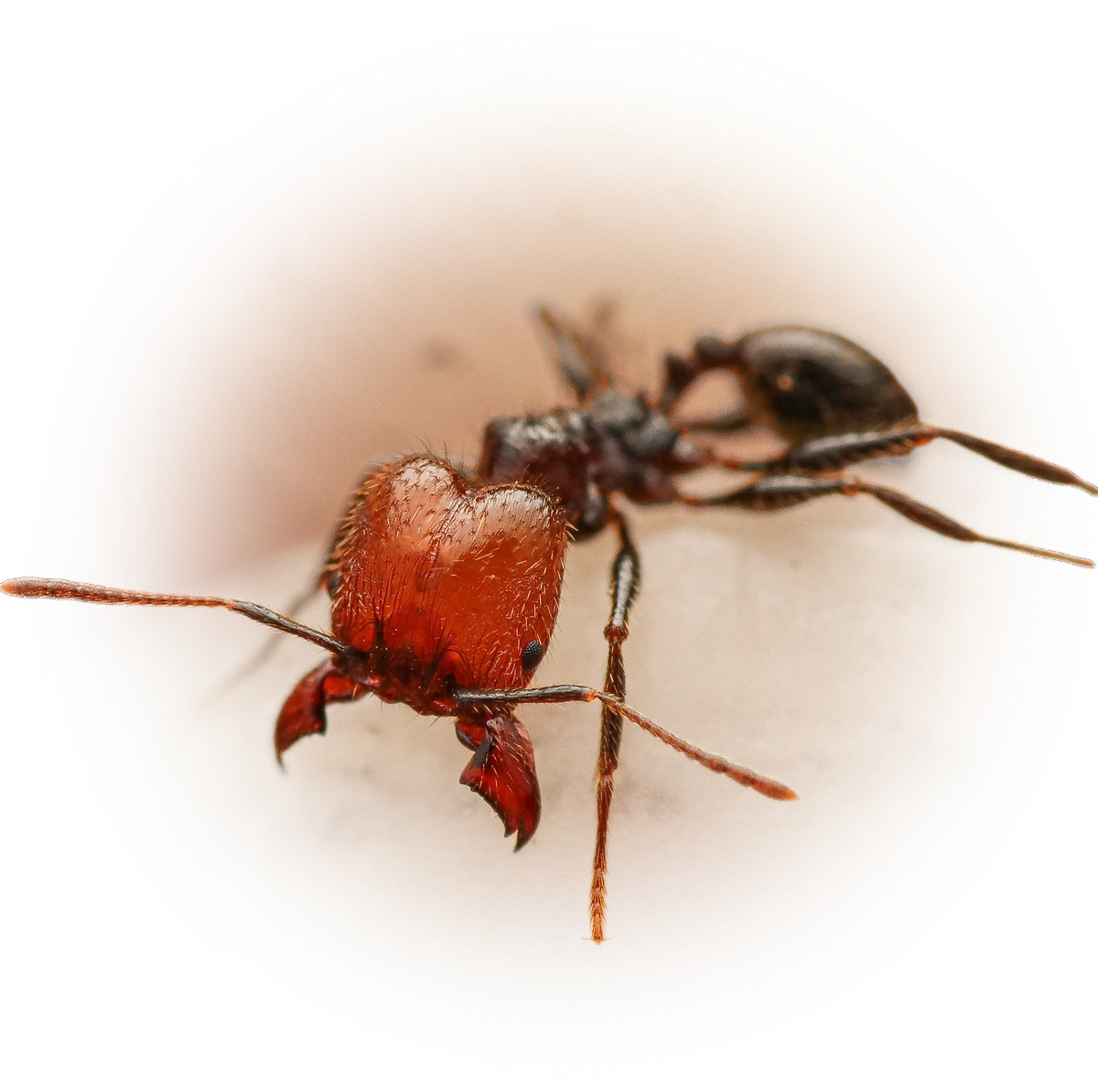
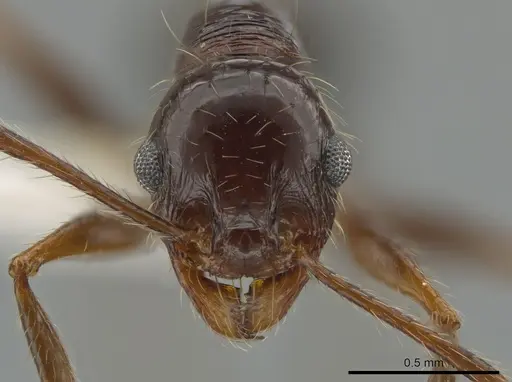
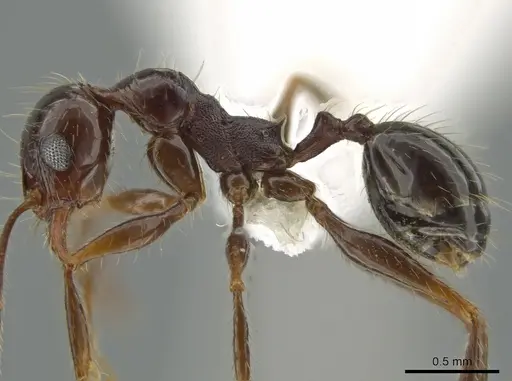
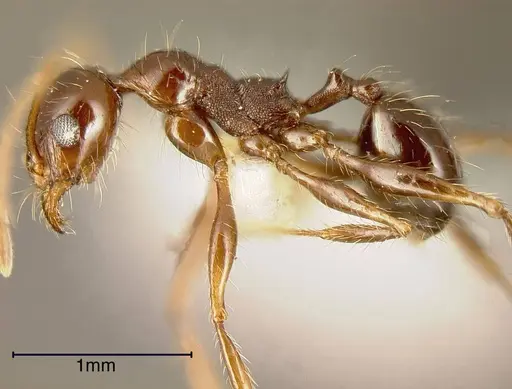
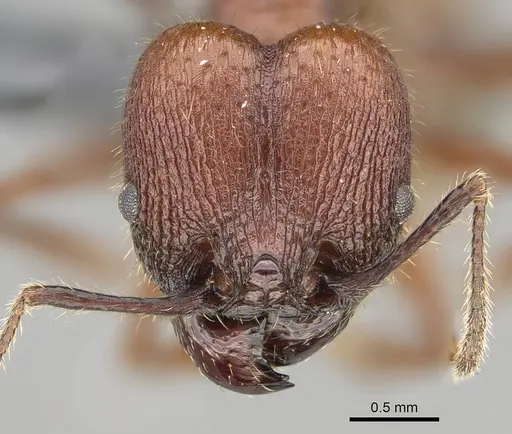
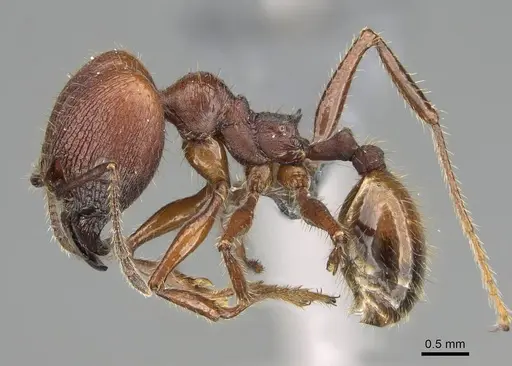
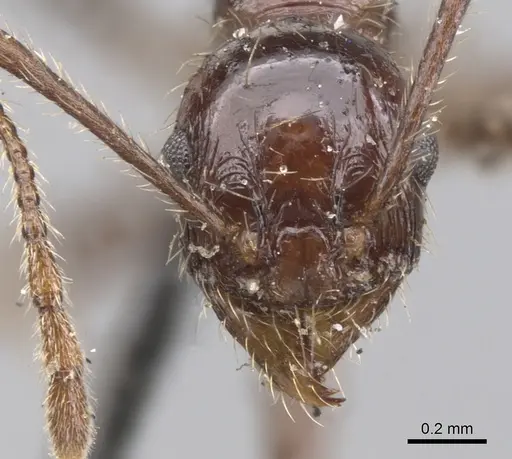
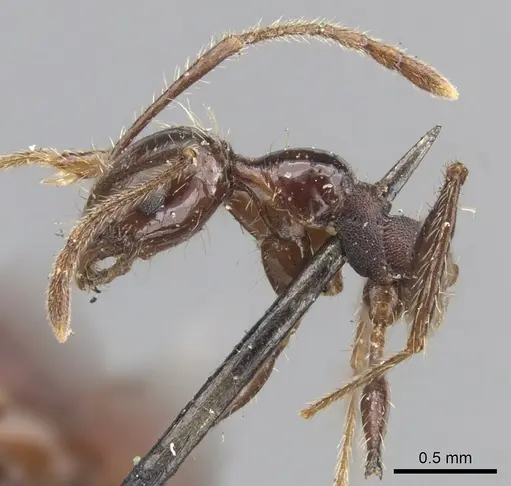
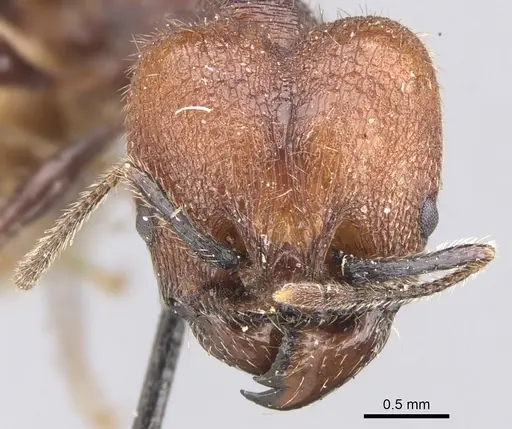
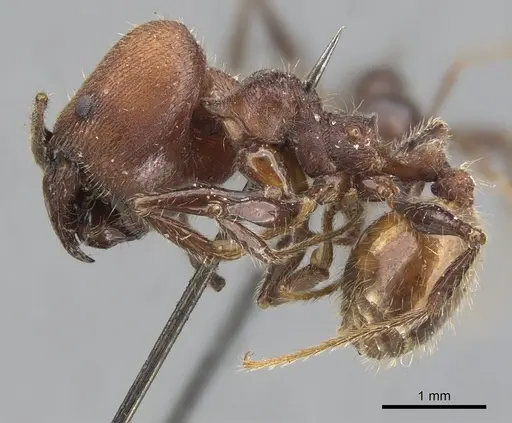
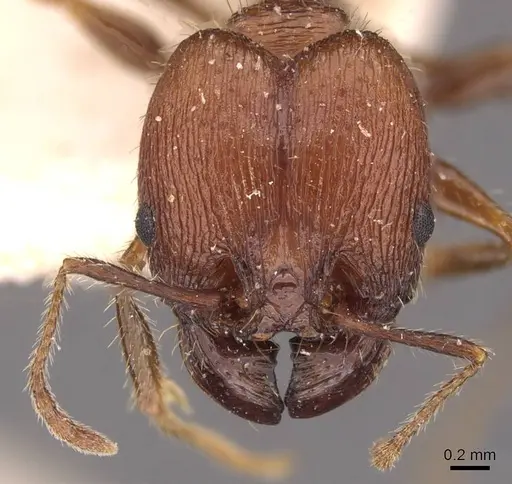
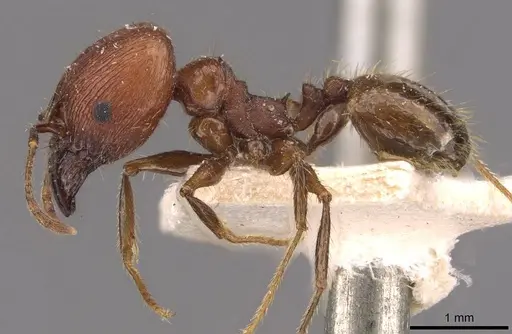
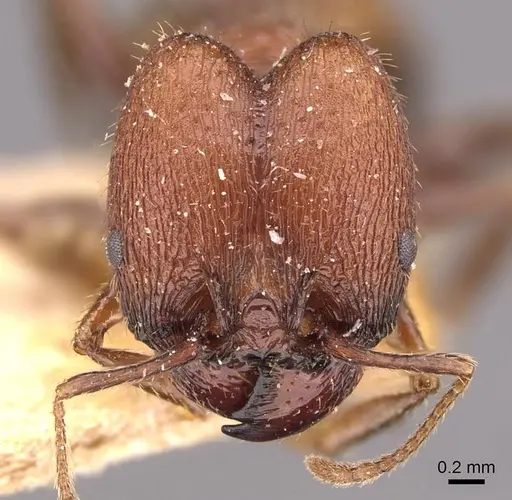
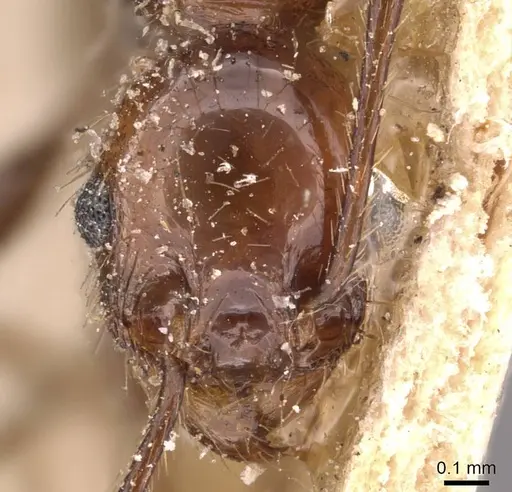
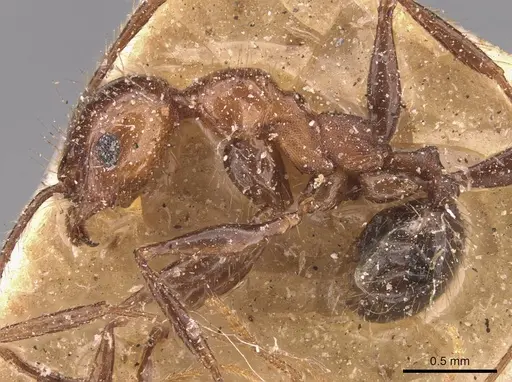
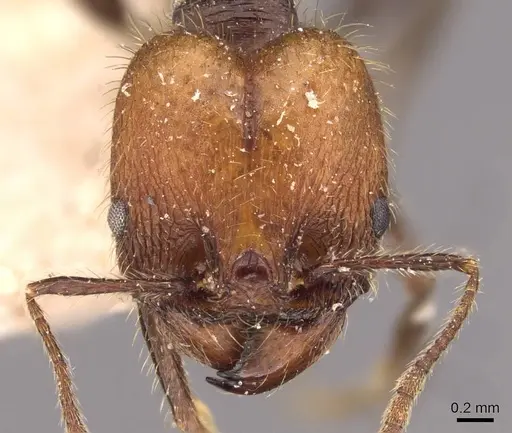
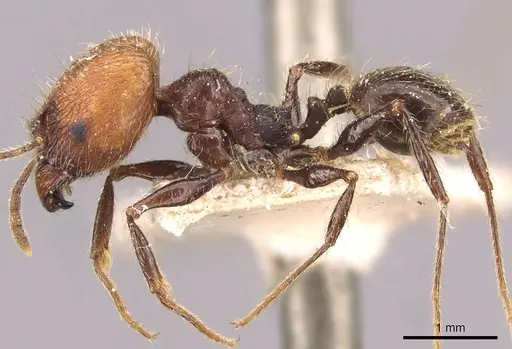
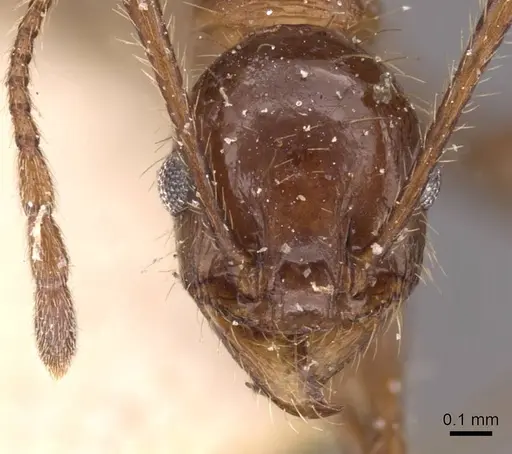
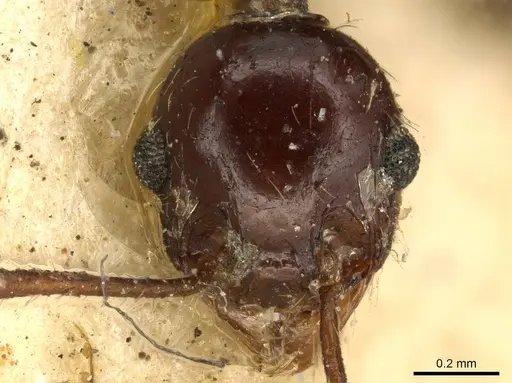
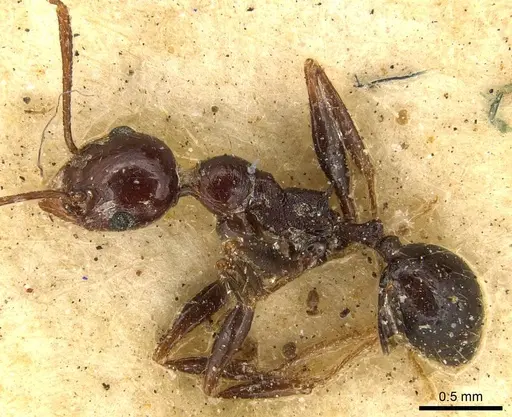
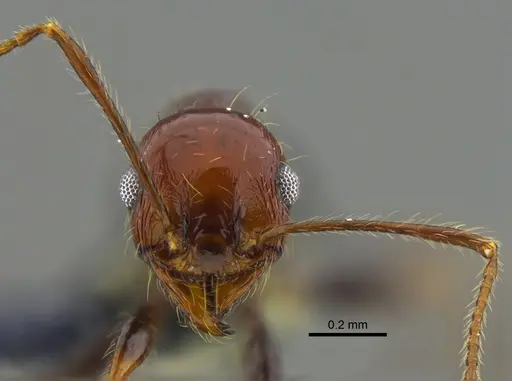
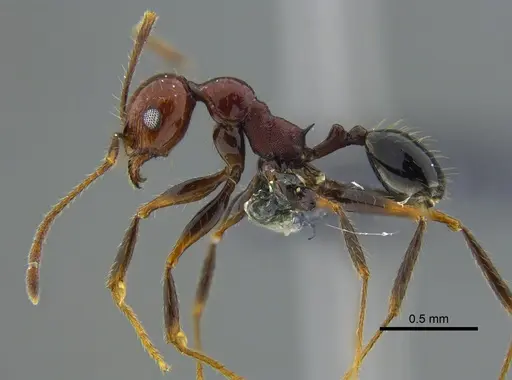
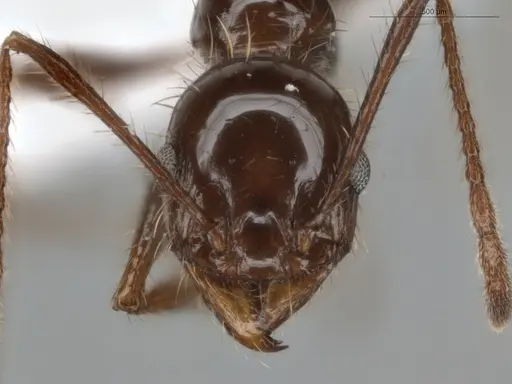
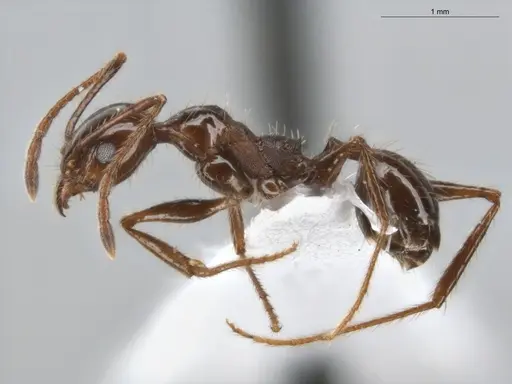
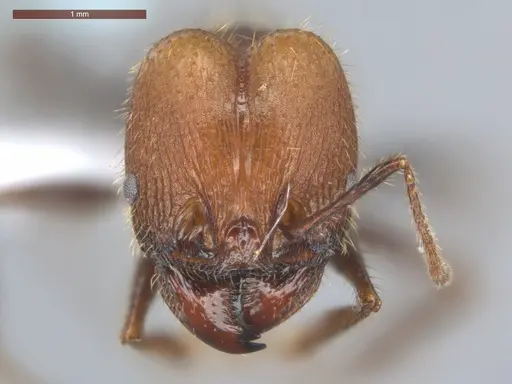
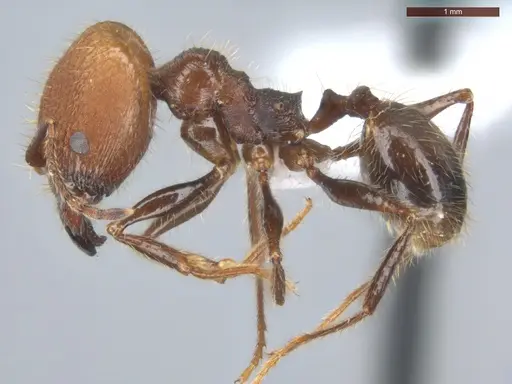
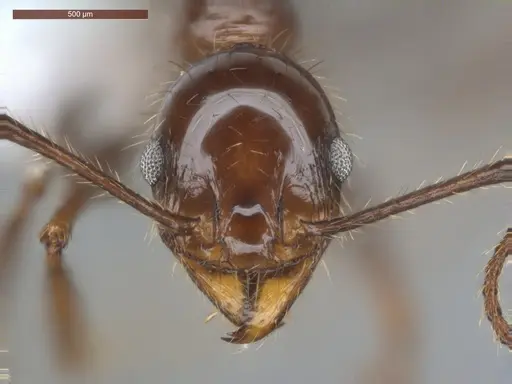
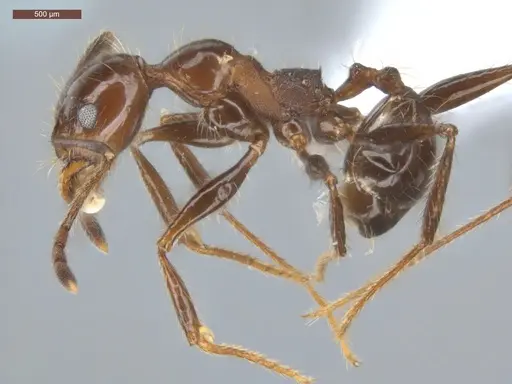
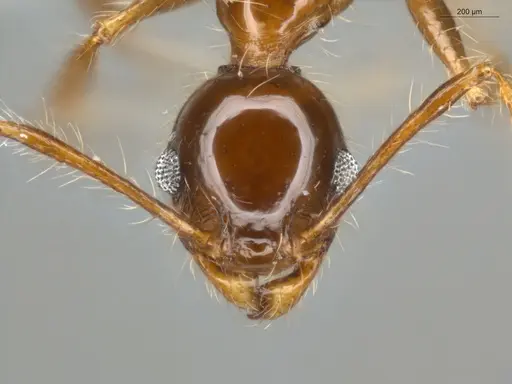
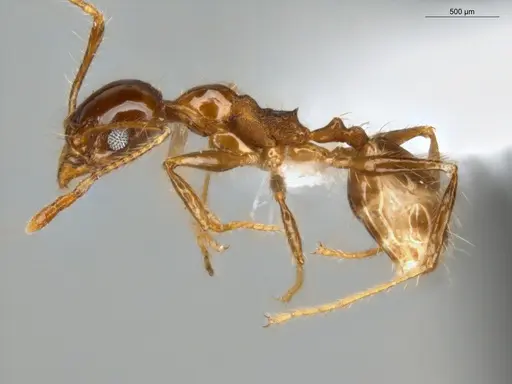
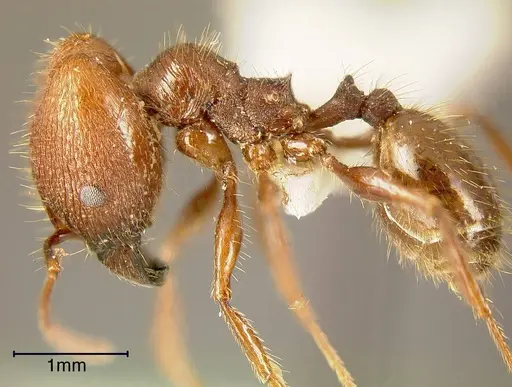
Pheidole fallax is a dimorphic ant native to the circum-Caribbean region, including Cuba, Jamaica, Puerto Rico, Central America, and northern South America . It is easily confused with Pheidole jelskii but can be distinguished by its higher petiolar node and shorter scapes in major workers . Minor workers are approximately 3.4 mm long, and major workers (soldiers) up to 5.8 mm long . Body color is medium reddish brown, sometimes with a darker gaster . This species is known for its aggressive predatory behavior and seed-harvesting habits, forming conspicuous nests with mounds of seeds around entrances . Soldiers emit a fetid odor as a defense mechanism when threatened .
Quick Summary
- Difficulty: Easy
- Origin & Habitat: Native to circum-Caribbean regions including Cuba, Jamaica, Puerto Rico, Central America, and northern South America. Found in tropical dry forests, cerrado, agricultural land, and grassland. Ground-nesting species that thrives in disturbed areas [1][7][8].
- Colony Type: Colony structure is unconfirmed, but likely monogyne based on genus patterns. Colonies produce both major and minor worker castes.
- Size & Growth:
- Queen: Size data unavailable, inferred from Pheidole genus patterns (~7 mm)
- Worker: Minor workers: ~3.4 mm [4], Major workers: up to 5.8 mm [5]
- Colony: Colony size in workers is unknown, but nests can be up to 2100 cm² in area [7].
- Growth: Moderate, typical for Pheidole species
- Development: Estimated 6-8 weeks at optimal temperatures based on typical Pheidole development [8] (Development is faster in warm tropical conditions)
- Antkeeping:
- Temperature: Keep warm, roughly 24-28°C, based on tropical adaptation and heat tolerance [9].
- Humidity: Keep nest substrate consistently moist but not waterlogged, as they are ground-nesting ants.
- Diapause: No, as a tropical species, they do not require hibernation. Inferred from geographic range.
- Nesting: Ground-nesting species. Use soil or Y-tong/plaster nests with deep substrate for colony expansion [1][7].
- Behavior: Generalist foragers with mass recruitment. Aggressive predators capable of taking down large prey. Soldiers emit fetid odor for defense. They are submissive toward more aggressive ants like fire ants, using chemical camouflage [1][4][10][11].
- Common Issues: wild-caught colonies may have parasites and fail in captivity [8]., colonies need expanding housing as they grow [7]., soldiers produce a strong odor when disturbed, which is normal defensive behavior [4]., ensure escape prevention for small workers, though they are moderate-sized.
Nuptial Flight Activity Analysis 72 observations
Flight Activity by Hour 72 observations
Pheidole fallax nuptial flight activity peaks around 13:00 during the late morning to early afternoon. Activity is spread across a 19-hour window (03:00–21:00). A secondary activity peak occurs around 07:00. Times may be influenced by human observation patterns.
Housing and Nest Setup
Pheidole fallax is a ground-nesting species that needs space to expand. For founding colonies, a test tube setup works well. Once the colony reaches 20-30 workers, move to a formicarium with soil or Y-tong nest. Provide at least 5-10cm of substrate depth for nesting [1][7].
Feeding and Diet
This generalist species has a varied diet. They are seed harvesters and aggressive predators. Offer protein sources like small insects 2-3 times per week, and seeds [7][2][10].
Temperature and Seasonal Care
Keep at warm temperatures 24-28°C. They are heat-tolerant [9]. No diapause required [8].
Behavior and Defense
They use mass recruitment. Soldiers emit fetid odor for defense [4][1]. They are aggressive but submissive toward fire ants [10][11].
Colony Growth and Development
Colonies grow to several thousand workers, but size is unknown. Nuptial flights occur as early as March in Puerto Rico [12][2].
Frequently Asked Questions
How long does it take for Pheidole fallax first workers to appear?
Expect first workers in about 6-8 weeks at optimal temperatures, based on typical Pheidole development [8].
What do I feed Pheidole fallax?
Offer protein-rich foods like small insects 2-3 times per week, and seeds. They are aggressive predators [7][10][2].
Are Pheidole fallax good for beginners?
Yes, they are considered easy to keep. They are adaptable and not difficult to feed [8].
How big do Pheidole fallax colonies get?
Colony size in workers is unknown, but nests can be up to 2100 cm² in area [7].
Do they need hibernation?
No. As a tropical species, they do not require hibernation [8].
Why do my soldiers smell bad?
This is normal! Soldiers produce skatole, a compound with a strong fetid odor, as a defense mechanism [4][1].
Can I keep multiple queens together?
This species is likely monogyne, so multiple queens are not recommended. Colony structure is unconfirmed [8].
When should I move them to a formicarium?
Move from test tube to formicarium once the colony reaches 20-30 workers [7].
Are they aggressive toward humans?
No, they are not aggressive toward humans and rarely bite. Their main defense is chemical odor [2].
When is the nuptial flight of Pheidole fallax?
The nuptial flight of Pheidole fallax typically occurs From May to December.
What time of day does Pheidole fallax fly?
The nuptial flight of Pheidole fallax peaks around 13:00 during the late morning to early afternoon, with most activity between 03:00 and 21:00. Times may be influenced by human observation patterns.
Report an Issue
The current care sheet is based fully on literature. See inconsistencies, or something that's incorrect? Please , it will be resolved after review from an admin. Contributing to the blogs tab also helps providing information, to make us be able to further improve the caresheets. Thank you for your support!
References

This caresheet is licensed under CC BY-SA 4.0 .
Community Blogs
CASENT0618505
View on AntWeb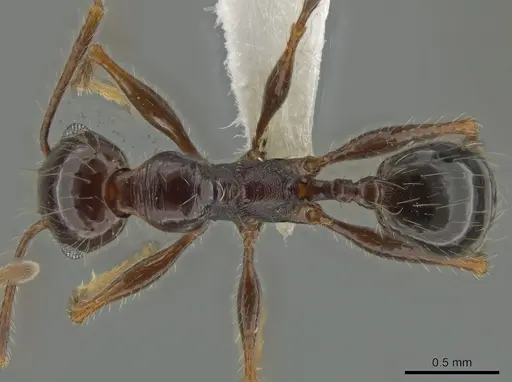
CASENT0635464
View on AntWeb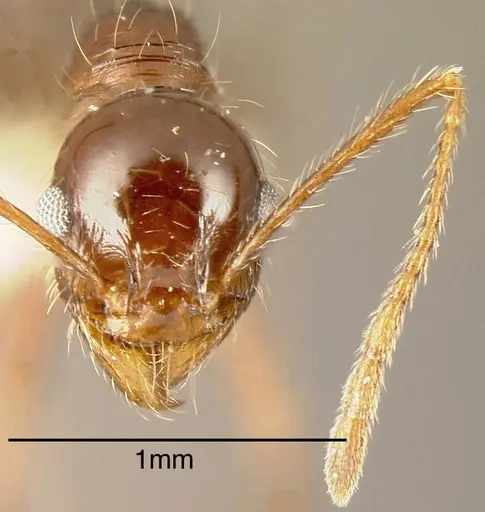
CASENT0767615
View on AntWeb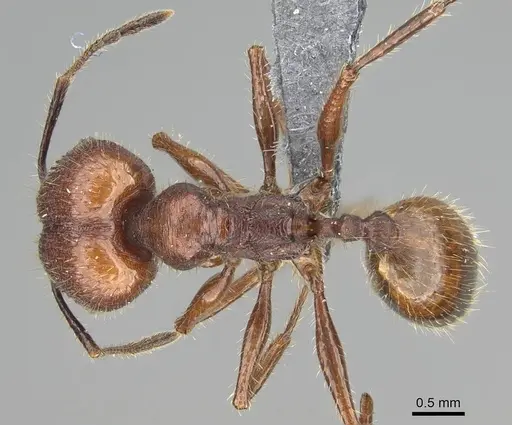
CASENT0901589
View on AntWeb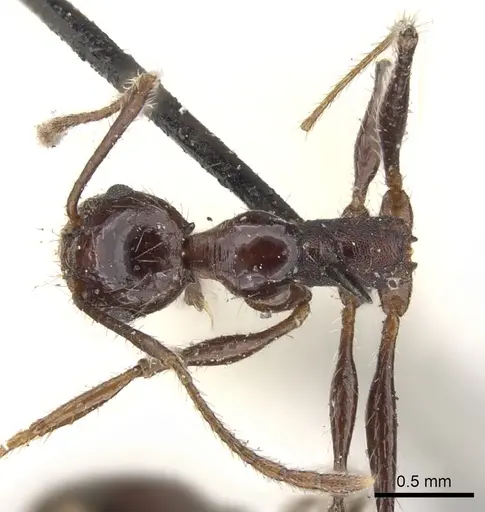
CASENT0901590
View on AntWeb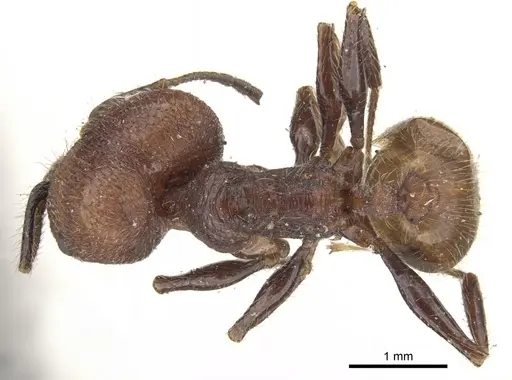
CASENT0908130
View on AntWeb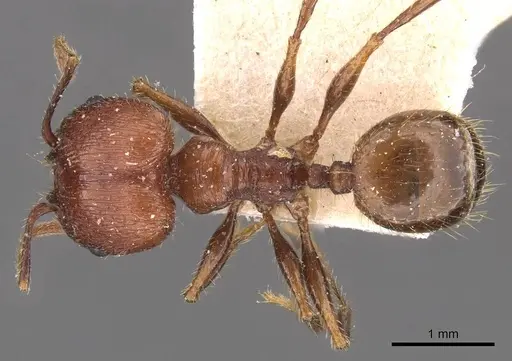
CASENT0908131
View on AntWeb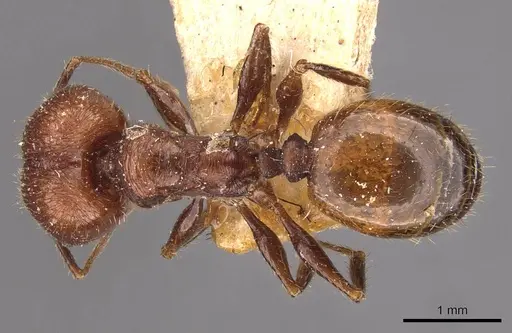
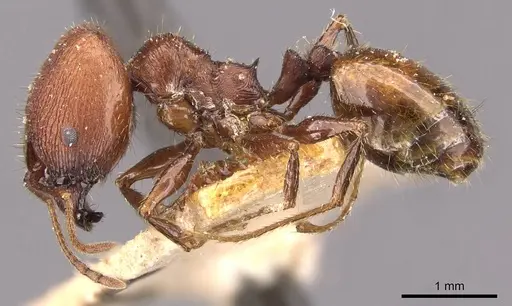
CASENT0908132
View on AntWeb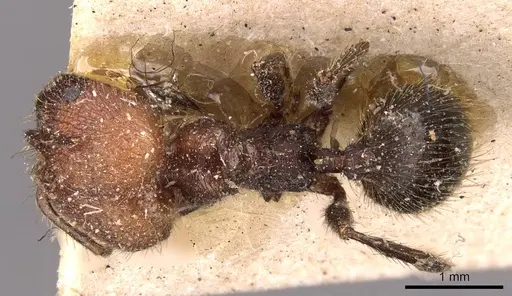
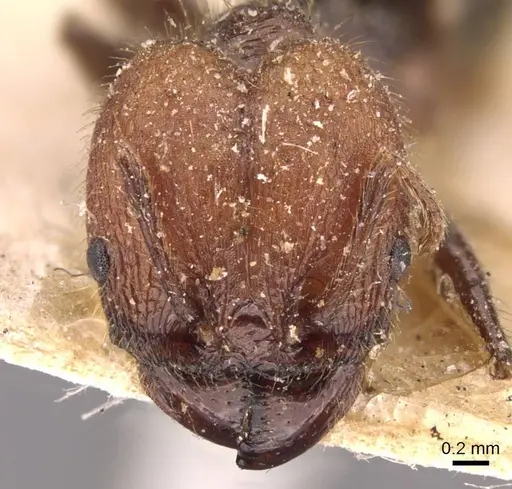
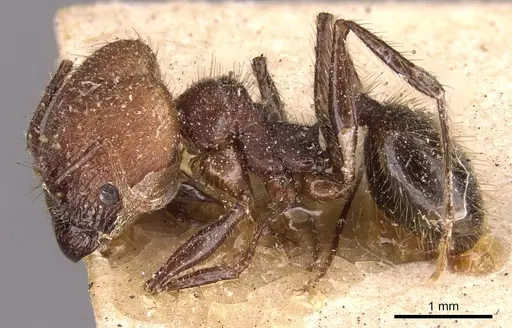
CASENT0908133
View on AntWeb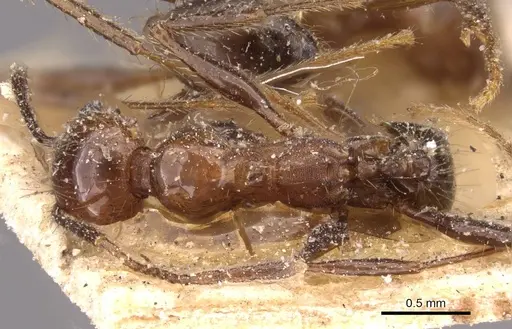
CASENT0908140
View on AntWeb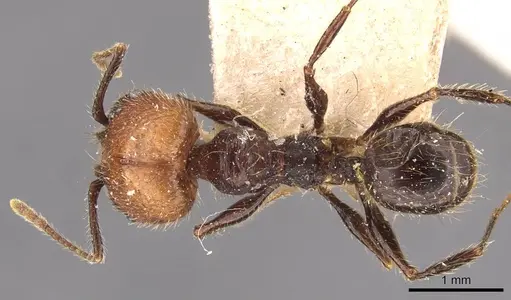
CASENT0908141
View on AntWeb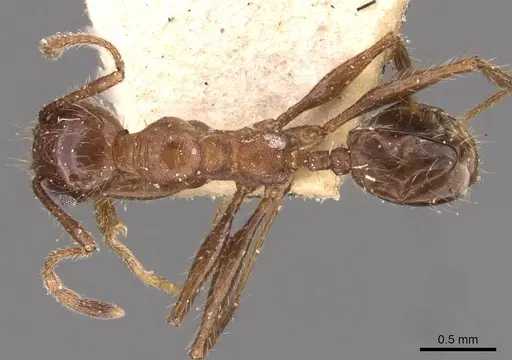
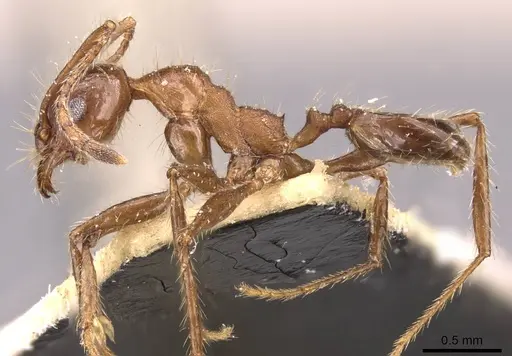
CASENT0916056
View on AntWeb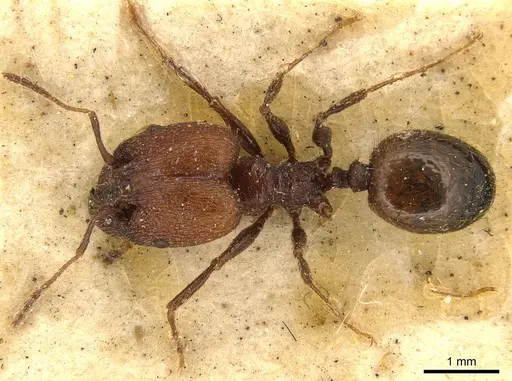
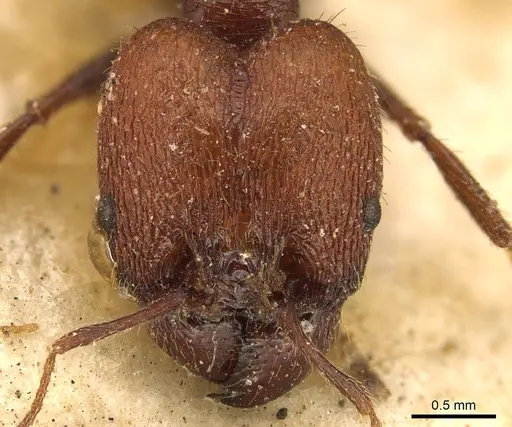
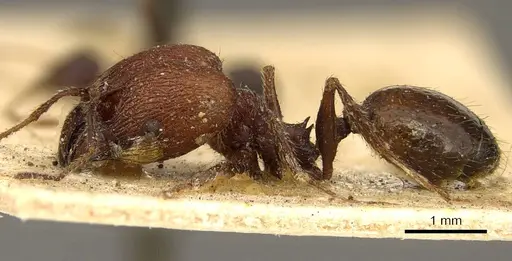
CASENT0916057
View on AntWeb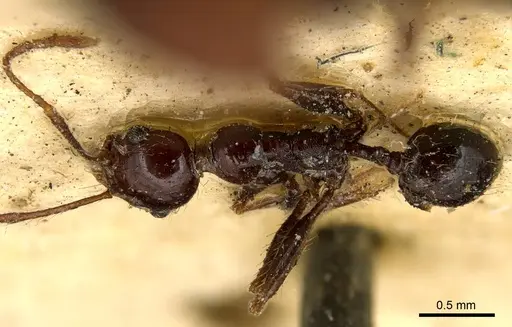
CASENT0917767
View on AntWeb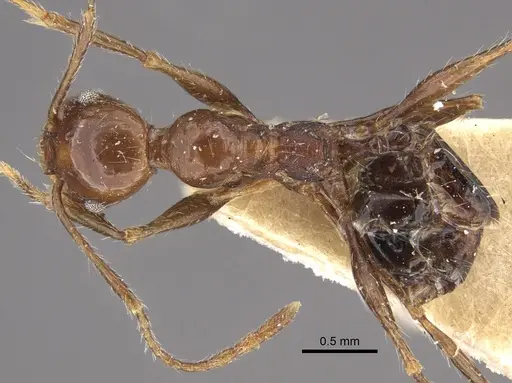
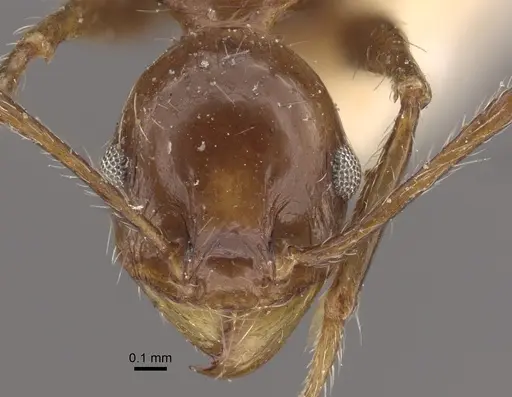
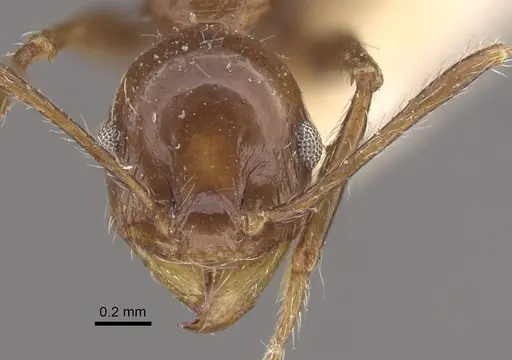
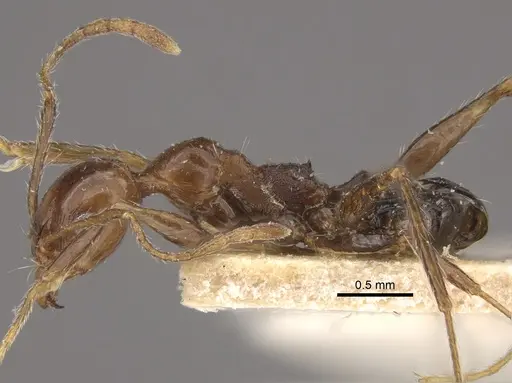
CASENT0917768
View on AntWeb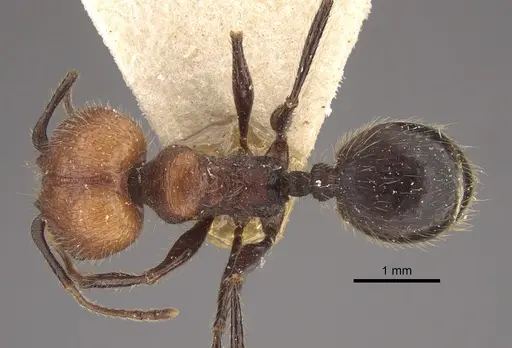
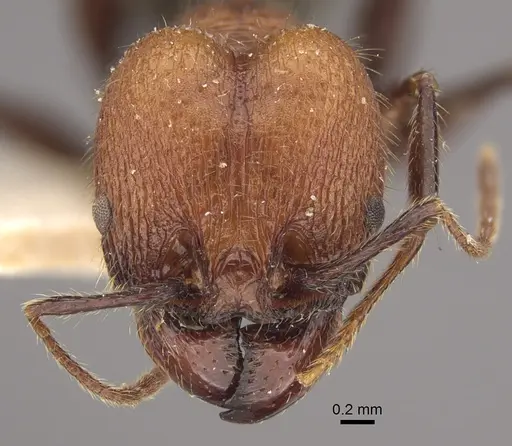
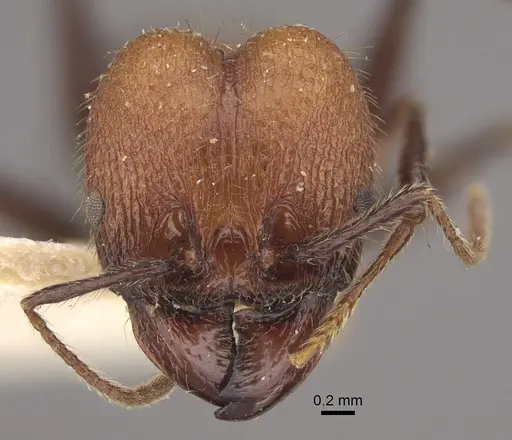
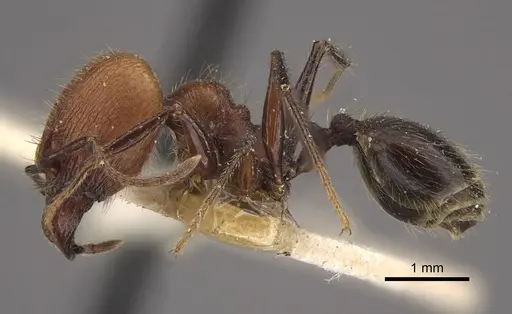
CBUMAGENT42036
View on AntWeb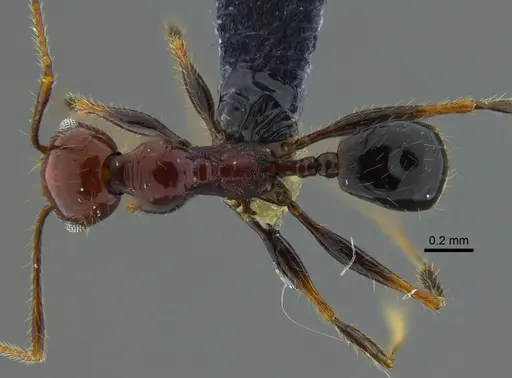
ECOFOG-SG17-0045-07
View on AntWeb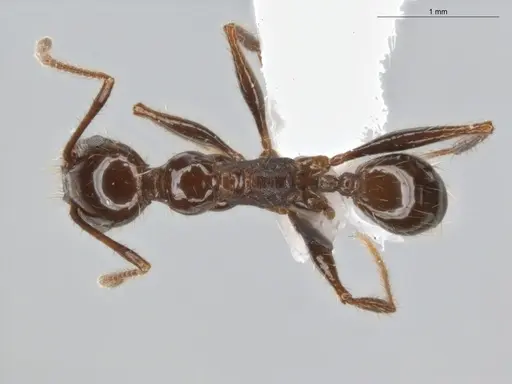
ECOFOG-SG17-0076-07-S
View on AntWeb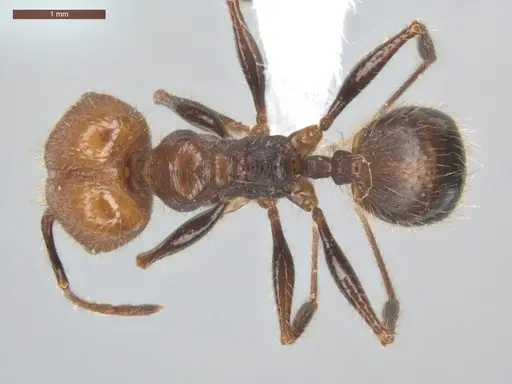
ECOFOG-SG17-0076-07
View on AntWeb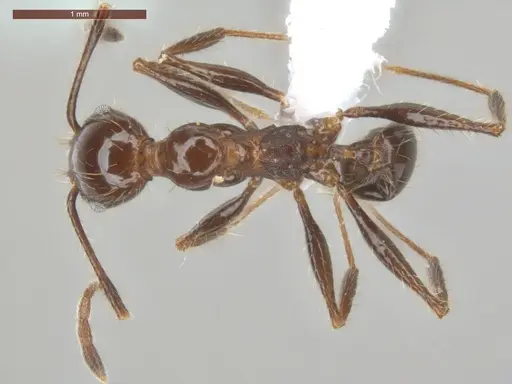
ECOFOG-SG17-0154-03
View on AntWeb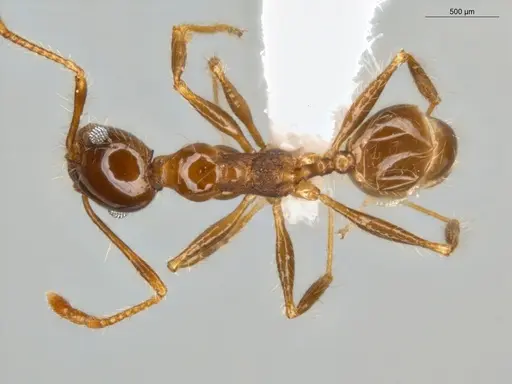
INBIOCRI002279694
View on AntWeb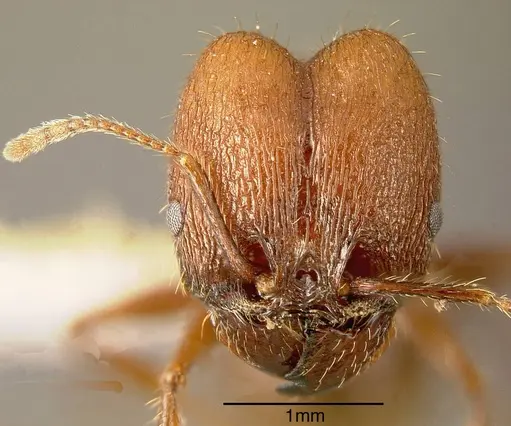
Literature
Loading distribution map...Loading products...