
Pheidole excellens
- Sci. Name
- Pheidole excellens
- Tribe
- Attini
- Subfamily
- Myrmicinae
- Author
- Mayr, 1862
- Distribution
- Found in 2 countries
Introduction
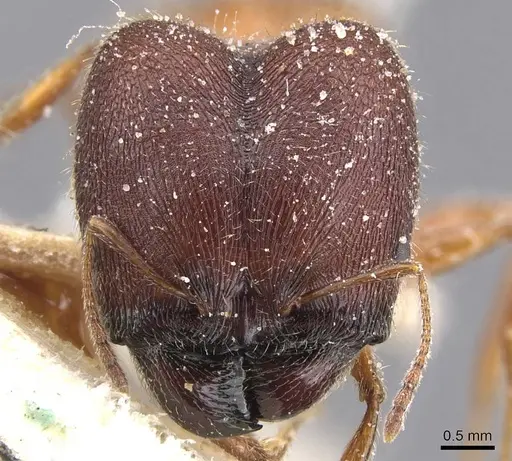
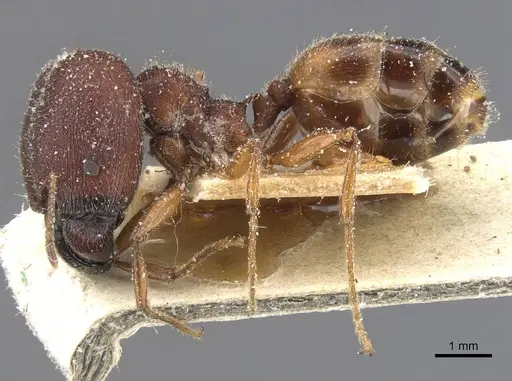
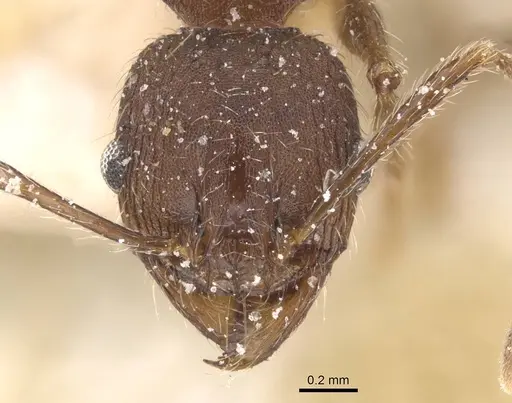
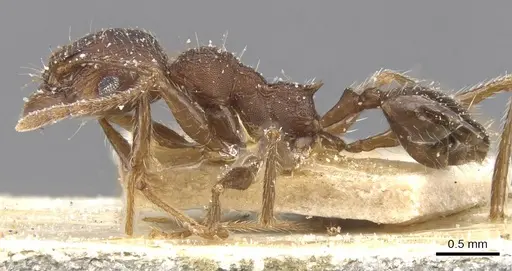
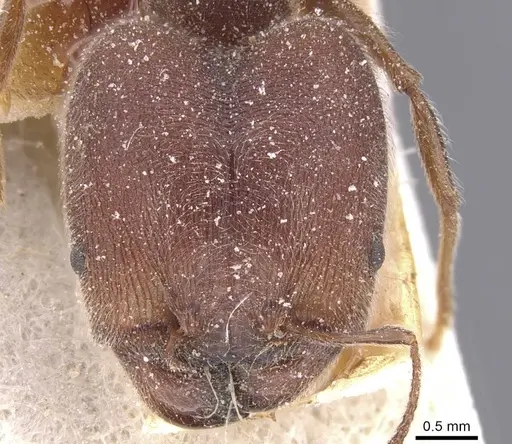
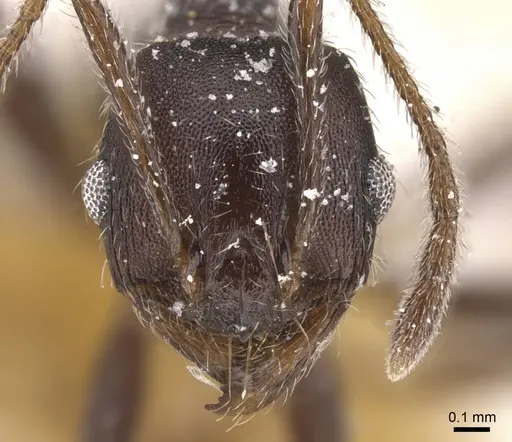
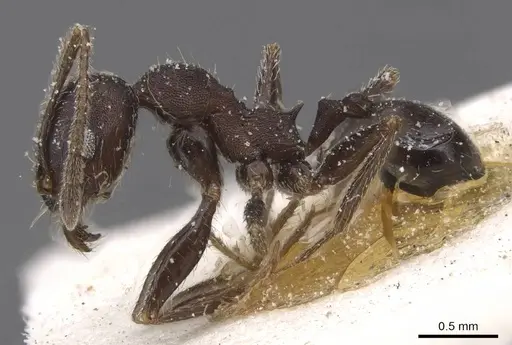
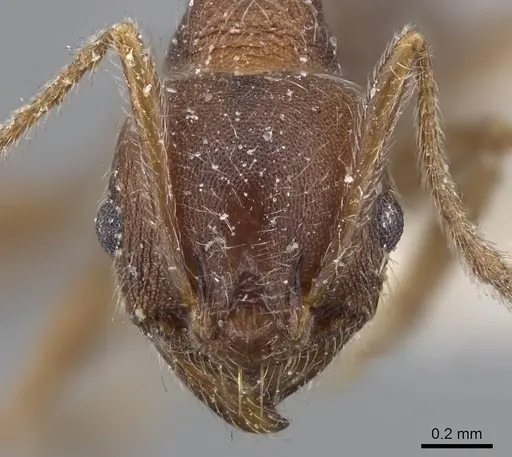
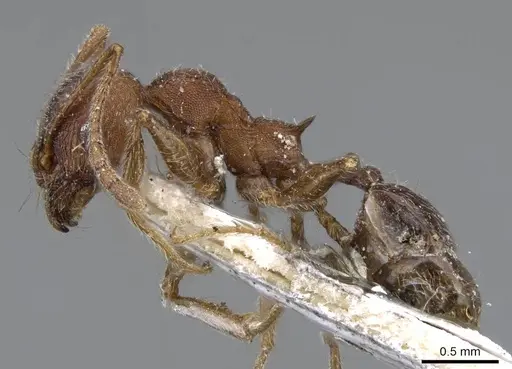
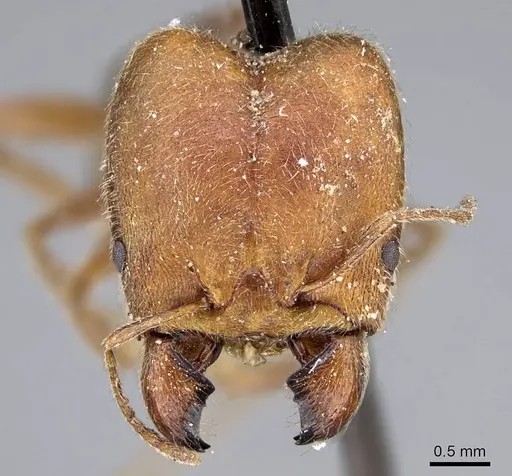
Pheidole excellens is a small ant species native to West Africa, with a distribution including Ghana, Guinea, Ivory Coast, and Togo . It belongs to the Pheidole excellens group and is classified as an opportunistic functional group, commonly found in savanna zones, forest margins, and urban green spaces . Size data from research is unavailable, but based on genus patterns, it has the typical Pheidole morphology with a distinct two-segmented waist. This species is notable for its response to fire events; studies show it disappears after fires in Guinean savanna, indicating a preference for stable, vegetated habitats .
Quick Summary
- Difficulty: Medium
- Origin & Habitat: West Africa, Ghana, Guinea, Ivory Coast, and Togo. Found in savanna zones, forest margins, and urban green spaces [2][3][1].
- Colony Type: Based on typical Pheidole genus patterns, likely monogyne (single queen colonies).
- Size & Growth:
- Queen: Size data unavailable, inferred from Pheidole genus patterns (~6-8mm)
- Worker: Size data unavailable, inferred from Pheidole genus patterns (minor workers likely 2-3mm, majors 4-5mm)
- Colony: Up to several hundred workers, estimated based on related species
- Growth: Moderate, based on typical Pheidole development patterns
- Development: Estimated 6-8 weeks at optimal temperatures, inferred from genus patterns (Development is temperature-dependent, warmer conditions accelerate growth)
- Antkeeping:
- Temperature: Keep warm, roughly 24-28°C, based on tropical habitat inference.
- Humidity: Keep substrate consistently moist but not waterlogged, based on habitat inference.
- Diapause: No, tropical species, no hibernation needed.
- Nesting: In wild, nests in soil and rotting wood, in captivity, Y-tong or plaster nests are suitable.
- Behavior: Pheidole excellens is an opportunistic forager, collecting seeds and small insects. Major workers help with food processing and defense. They are not aggressive toward keepers but will defend the nest. Escape prevention is important due to small size.
- Common Issues: consistent warmth is needed, cold temperatures below 20°C can slow brood development, wild-caught colonies may harbor parasites, quarantine and observe new colonies carefully, seed-eating diet requires appropriate food, offer grass seeds alongside protein, sensitive to habitat disturbance, avoid placing nests in areas prone to fires or temperature fluctuations, colonies can be slow to establish, patience is needed during the founding phase
Housing and Nest Setup
For founding colonies, a simple test tube setup works well, fill a test tube with water, plug with cotton, and place the queen in a dark area. Once the colony reaches 20-30 workers, consider moving to a more spacious formicarium. Y-tong (AAC) nests are excellent for this species as they provide appropriately scaled chambers. Plaster nests also work well, providing stable humidity. For the outworld, use a simple container with a substrate layer where workers can forage. Ensure escape prevention is in place, use Fluon on the rim of the outworld container.
Feeding and Diet
As an opportunist species, Pheidole excellens accepts a varied diet. Related African Pheidole species are primarily granivorous, harvesting seeds from grasses [5]. In captivity, offer a mix of seeds (grass seeds, millet, chia) as a staple food source, along with protein sources like small insects. They will also accept sugar water or honey as an energy source. Feed seeds continuously and offer protein 2-3 times per week.
Temperature and Seasonal Care
This West African species requires warm conditions year-round. Maintain temperatures between 24-28°C in the nest area. A heating cable placed on one side of the nest creates a temperature gradient. Avoid temperatures below 20°C for extended periods as this can slow brood development. Unlike temperate species, they do not require a diapause period.
Colony Development and Growth
The claustral queen seals herself in a chamber and raises the first brood using stored fat reserves. First workers (nanitics) emerge after 6-8 weeks at optimal temperature. Once nanitics emerge, colony growth accelerates. Major workers appear as the colony grows to help with food processing and defense. Expect the colony to reach several hundred workers over 1-2 years under good conditions.
Behavior and Defense
Workers are active foragers that search for seeds and small prey. Major workers assist with processing hard seeds and defend the nest against intruders. When the nest is disturbed, majors will rush to defend while minors evacuate brood. They are not particularly aggressive toward humans and rarely sting. Their sting is mild and not medically significant, as typical for Myrmicinae ants.
Frequently Asked Questions
How long does it take for Pheidole excellens to have first workers?
Expect first workers (nanitics) to emerge 6-8 weeks after the queen lays eggs, provided temperatures are maintained at 24-28°C. This is inferred from typical Pheidole development patterns.
What do Pheidole excellens ants eat?
They are opportunistic feeders that accept seeds, small insects, and sugar sources. Offer grass seeds or commercial seed mixes as a staple, along with protein like fruit flies or small mealworms 2-3 times per week [5].
Do Pheidole excellens ants need hibernation?
No. As a West African tropical species, they do not require hibernation. Keep them warm year-round at 24-28°C.
Are Pheidole excellens good for beginners?
They are moderate difficulty. They require warm temperatures year-round and have specific dietary needs. They are more challenging than common temperate species but can be kept successfully with proper equipment.
How big do Pheidole excellens colonies get?
Colonies likely reach up to several hundred workers over 1-2 years, based on related species patterns.
What temperature do Pheidole excellens need?
Keep them at 24-28°C. A heating cable on one side of the nest creates a gradient. Avoid temperatures below 20°C.
When should I move Pheidole excellens to a formicarium?
Move from a test tube to a formicarium once the colony reaches 20-30 workers. Y-tong or plaster nests work well for this species.
Can I keep multiple Pheidole excellens queens together?
Not recommended. Like most Pheidole species, they likely have single-queen colonies. Combining unrelated queens typically results in fighting.
Why did my Pheidole excellens colony stop growing?
Check temperature first, they need 24-28°C. Also verify they have adequate protein and seeds. Poor nutrition or cold temperatures are common causes of stalled growth.
Report an Issue
The current care sheet is based fully on literature. See inconsistencies, or something that's incorrect? Please , it will be resolved after review from an admin. Contributing to the blogs tab also helps providing information, to make us be able to further improve the caresheets. Thank you for your support!
References

This caresheet is licensed under CC BY-SA 4.0 .
Community Blogs
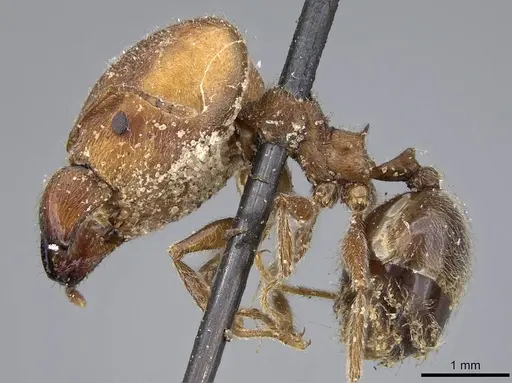
CASENT0815892
View on AntWeb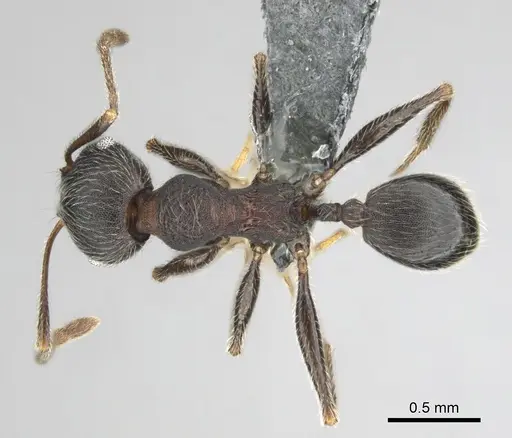
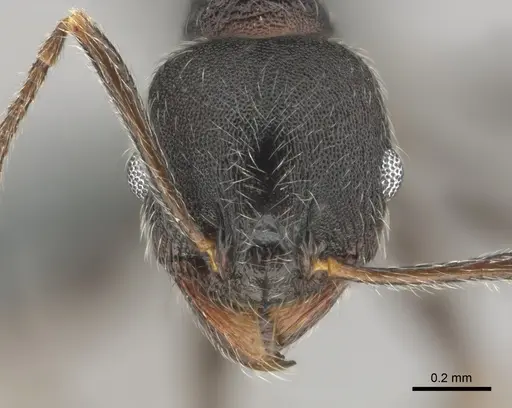
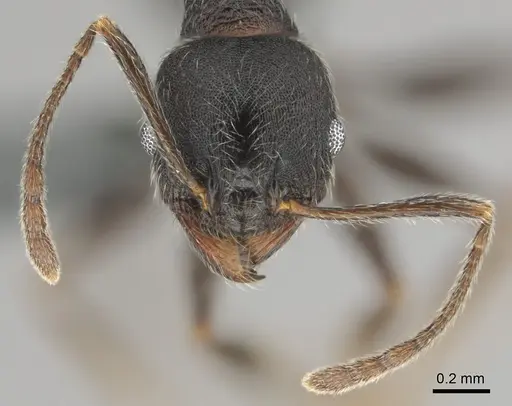
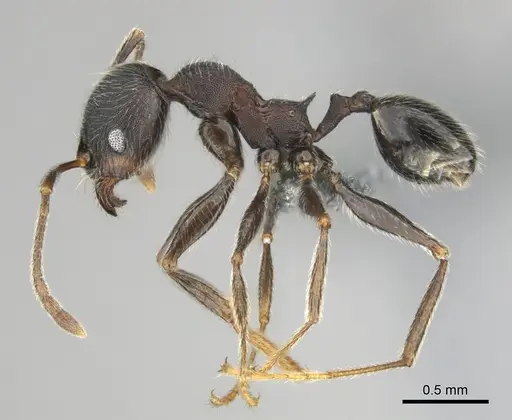
CASENT0913306
View on AntWeb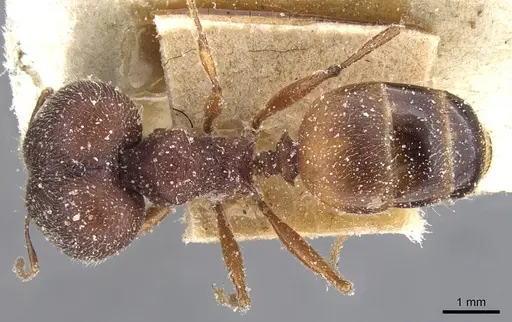
CASENT0913307
View on AntWeb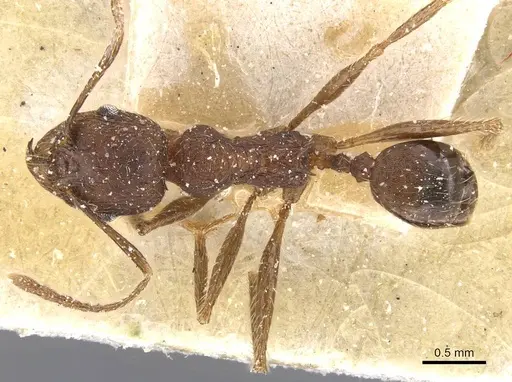
CASENT0913308
View on AntWeb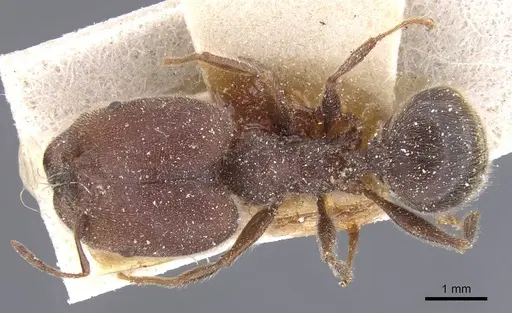
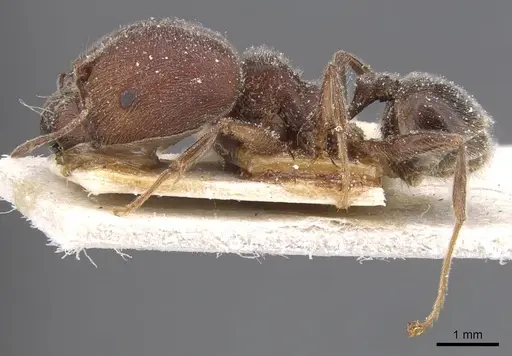
CASENT0913309
View on AntWeb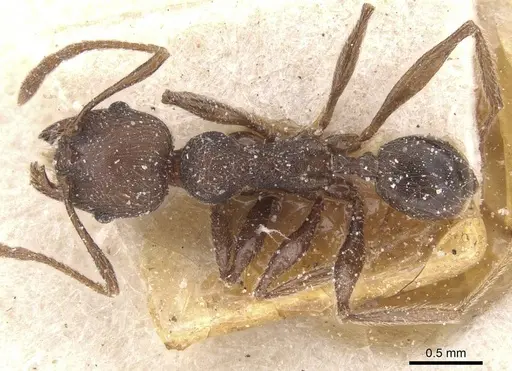
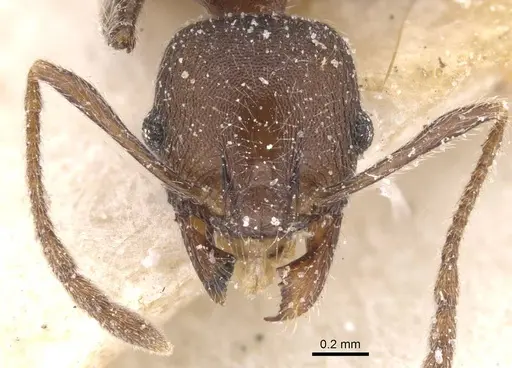
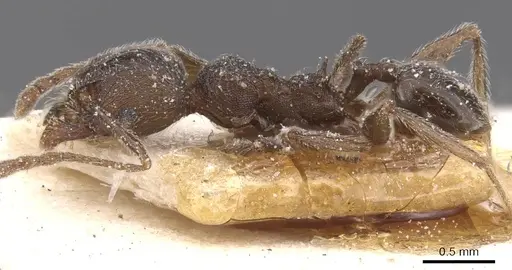
CASENT0913310
View on AntWeb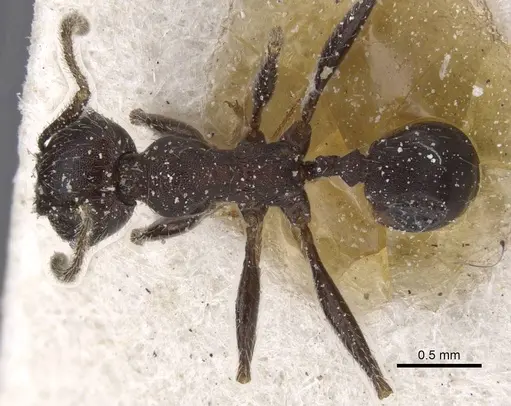
CASENT0922193
View on AntWeb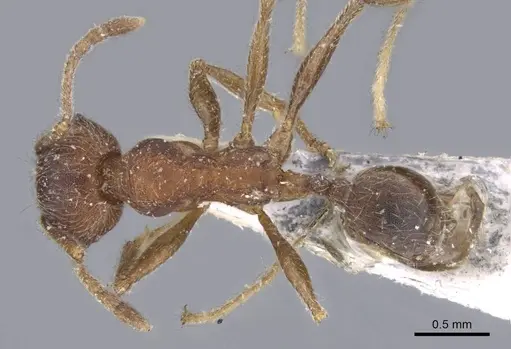
CASENT0922194
View on AntWeb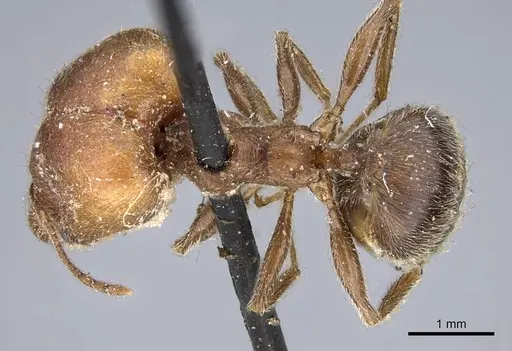
Literature
Loading distribution map...Loading products...