
Pheidole exarata
- Sci. Name
- Pheidole exarata
- Tribe
- Attini
- Subfamily
- Myrmicinae
- Author
- Emery, 1896
- Distribution
- Found in 4 countries
Introduction
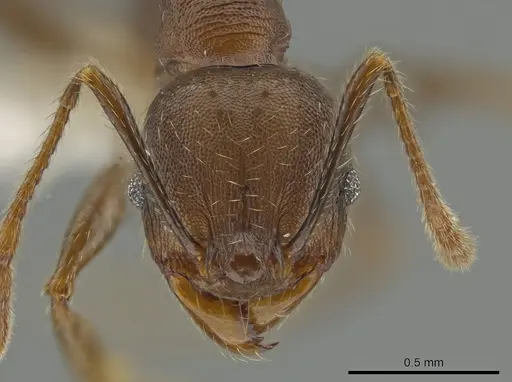
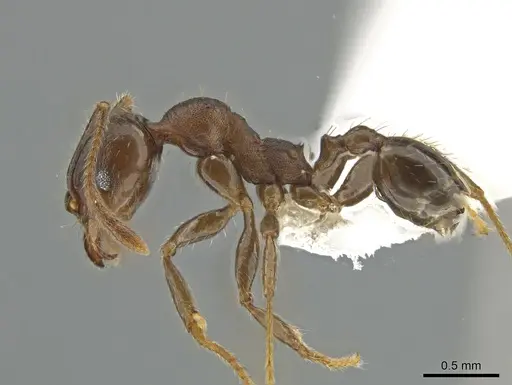
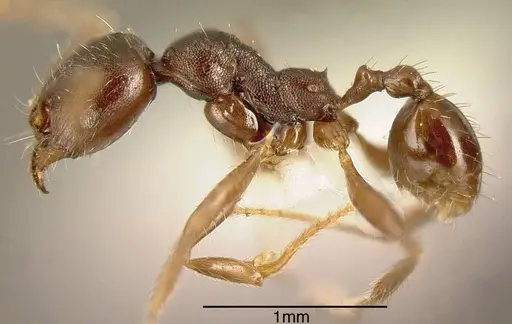
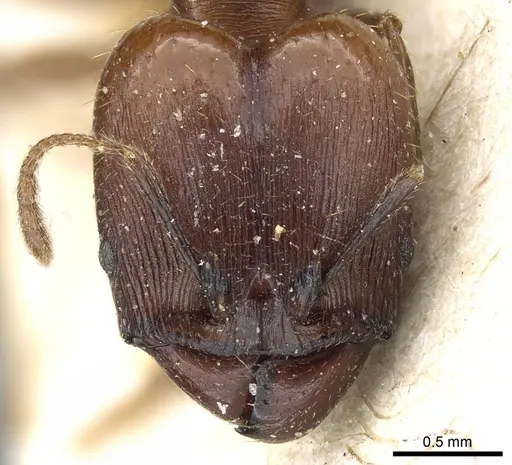
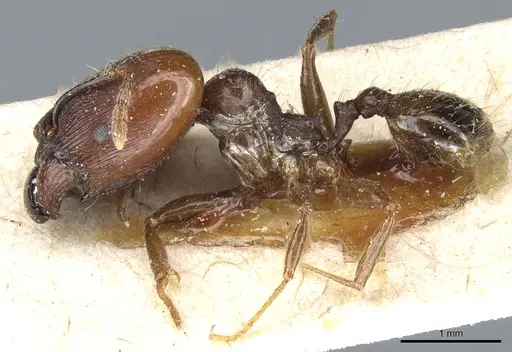
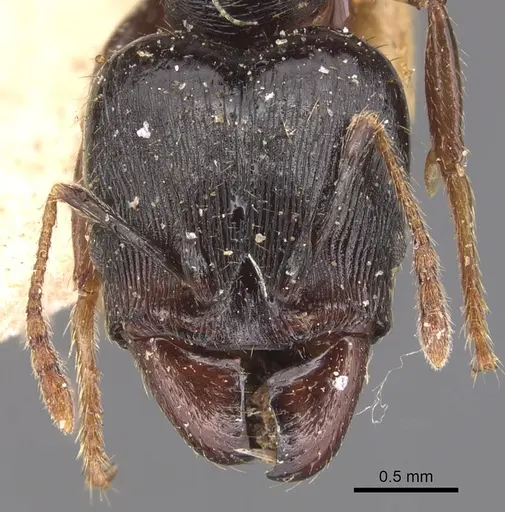
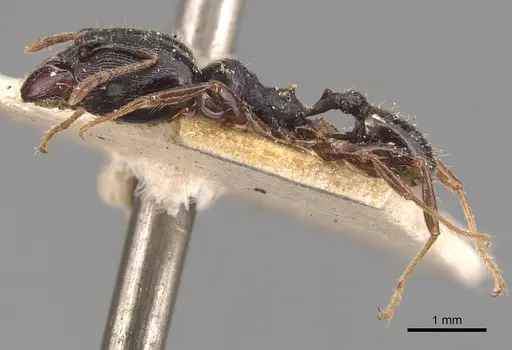
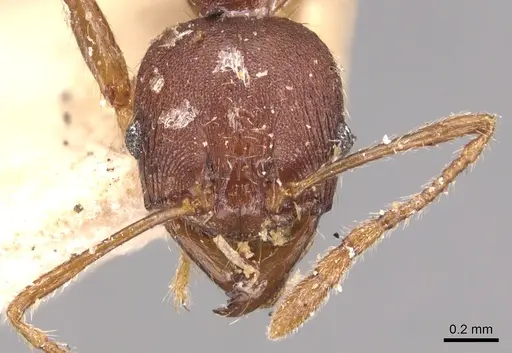
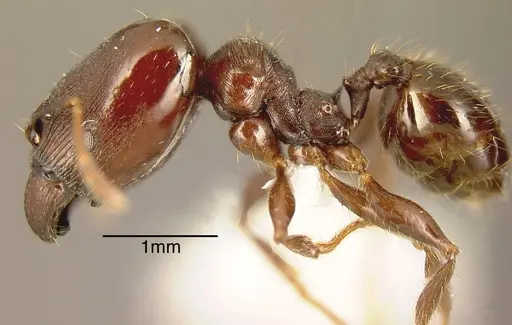
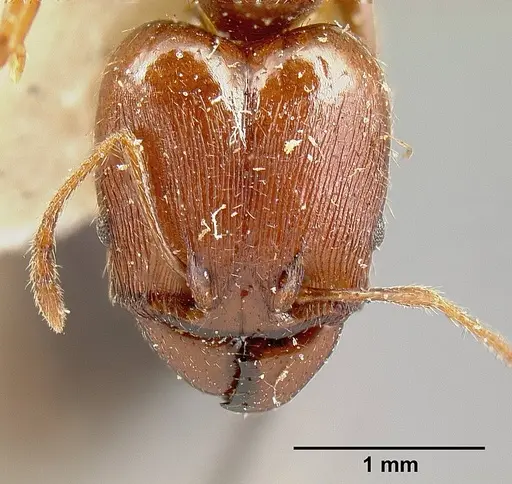
Pheidole exarata is a medium-sized ant from the Neotropical region, found in Honduras, Nicaragua, Costa Rica, Venezuela, and Colombia . Major workers have a head width of about 1.6 mm and are medium reddish-brown, while minor workers have a head width of about 0.8 mm and are light brown . The species belongs to the tristis group, with small propodeal spines and a bell-shaped postpetiolar node . This species stands out for its arboreal lifestyle. Instead of nesting in the ground, colonies live beneath epiphytes and inside live plant stems, especially in Cecropia trees and melastomataceous vines . They inhabit mature wet montane forests at 800-1600 m elevation, meaning they prefer cooler, damper conditions than most tropical ants . Wild colonies have been observed with multiple wingless queens, a rare trait in Pheidole that makes them especially interesting for antkeepers .
Quick Summary
- Difficulty: Medium
- Origin & Habitat: Native to Honduras, Nicaragua, Costa Rica, Venezuela, and Colombia, where it lives in mature wet montane forests at 800-1600 m elevation [3][4][2][1].
- Colony Type: Polygynous, multiple dealate (wingless) queens can coexist in a single colony, as observed beneath epiphytes in the wild [3][4].
- Size & Growth:
- Queen: ~6-7 mm (inferred from Pheidole genus, direct measurements not available)
- Worker: Major workers ~4-6 mm, minor workers ~2-3 mm (inferred from Pheidole genus, direct TL measurements not available). Head width: major 1.6 mm, minor 0.8 mm [2].
- Colony: Large colonies, exact numbers not specified in research [3][4]
- Growth: Moderate
- Development: Estimated 6-8 weeks at typical room temperature (20-24°C), based on Pheidole genus patterns (Direct development data for this species is unavailable, timeline is an estimate from related Pheidole.)
- Antkeeping:
- Temperature: Keep around 20-24°C. Because they come from high-elevation wet forests, they prefer cool conditions, avoid sustained temperatures above 28°C. A gentle temperature gradient is helpful [3][4].
- Humidity: High humidity is essential. Keep the nest substrate consistently moist but not waterlogged. Use a water reservoir and consider occasional misting. These ants come from wet forests and will struggle in dry setups [3][4].
- Diapause: Not required. The montane tropical environment has mild seasonal variation but no harsh winter. A slight temperature dip in winter is harmless but not necessary [3][4].
- Nesting: Arboreal specialists, they naturally nest in live plant stems and under epiphytes. In captivity, test tubes with a moist cotton plug work well, as do Y‑tong (AAC) or plaster nests with high humidity. Avoid dry, soil‑based setups. Ensure barriers are very tight to prevent escape (minor workers are tiny).
- Behavior: Generally peaceful and not aggressive toward keepers. Minor workers are small (~2-3 mm) and active foragers. Major workers (soldiers) have large heads and can deliver a mild pinch, but rarely bother humans. The species possesses a functional stinger (typical of Myrmicinae), but it is not medically significant and is almost never used defensively against people. Escape risk is moderate because minors can slip through tiny gaps, seal all openings carefully.
- Common Issues: high humidity needs can lead to mold if ventilation is poor, ensure air exchange., tiny minor workers can escape through standard test‑tube cotton plugs, use wrapped cotton or sponge barriers., arboreal nature means they may not adapt well to soil‑based formicariums, stick to chambers that mimic plant stems., polygynous colonies may be sensitive to queen disturbance during setup, handle with care., lack of specific development data means growth rates can be unpredictable, observe and adjust care as needed.
Nest Preferences and Housing
Pheidole exarata is an arboreal species that naturally nests inside live plant stems and under epiphytes in wet montane forests [3][4]. Specific hosts include melastomataceous vines, Cecropia insignis, Cecropia angustifolia, and Neomirandea angularis [3]. In captivity, they adapt well to test‑tube setups if humidity is high and barriers are escape‑proof. Because minor workers are so small, wrap cotton plugs in plastic film or use a small piece of sponge to block gaps. Y‑tong (AAC) or plaster nests allow precise humidity control and mimic the confined spaces of stems. Avoid dry, soil‑based formicariums, these ants require consistently moist chambers. Attach a water tube to the nest to maintain long‑term moisture.
Feeding and Diet
Like other Pheidole, Pheidole exarata is omnivorous. In the wild they likely hunt small insects, collect honeydew, and handle seeds. In captivity, offer a varied diet: protein sources (small crickets, fruit flies, mealworms) two to three times per week, and a constant supply of sugar water, honey, or diluted maple syrup. Major workers can process harder foods, so slightly larger prey can be given to the growing colony. Remove leftovers after 24-48 hours to prevent mold. No specific dietary preferences have been studied for this species, so watch your colony and adjust according to what they take.
Temperature and Seasonal Care
Because Pheidole exarata lives in high‑elevation wet forests (800-1600 m), it prefers cooler temperatures than typical tropical ants. Keep the nest around 20-24°C. Avoid prolonged heat above 28°C, which can stress or kill the colony. Room temperature (21-23°C) is usually ideal. A small heating cable on one side of the nest creates a useful temperature gradient. Since their native environment lacks harsh winters, they do not require a true diapause. A slight drop in temperature during winter months is harmless but not necessary. Monitor activity, they may slow down naturally during cooler periods [3][4].
Colony Structure and Multi-Queen Care
Pheidole exarata is one of the few Pheidole species documented as naturally polygynous, wild colonies have been found with multiple dealate (wingless) queens under epiphytes [3][4]. This means multiple queens can coexist peacefully, which can boost colony growth. When starting a new colony, if you catch a wild queen, she may accept additional queens over time, but this has not been studied in captivity. Major workers (soldiers) appear as the colony matures, they have larger heads and help defend the nest and process food. It is normal for majors to appear later than minors.
Behavior and Temperament
These ants are generally peaceful and not aggressive toward keepers. Minor workers forage actively and quickly discover food sources. Major workers will rush to defend the colony if disturbed, but their bite is mild and rarely felt. As a member of the Myrmicinae subfamily, Pheidole exarata possesses a functional stinger, but they very rarely sting humans and the venom is not medically significant. Their arboreal nature means they are comfortable climbing smooth surfaces, ensure your outworld has smooth, vertical walls to prevent escapes. The tiny minors (body length ~2-3 mm) can slip through surprisingly small gaps, so seal all connections tightly. [2]
Frequently Asked Questions
Can I keep Pheidole exarata in a test tube?
Yes, test tubes work well. Because the minor workers are tiny, use tight‑fitting barriers like cotton wrapped in plastic film or a small sponge piece to prevent escapes. Keep the cotton end moist and attach a water tube to maintain humidity.
How long until first workers appear?
Based on typical Pheidole development, expect first nanitic workers about 6-8 weeks after the queen lays eggs, assuming temperatures around 22-24°C. Direct data for this species is not available.
Do Pheidole exarata ants need hibernation?
No, they don't require hibernation. They come from montane tropical forests (800-1600 m elevation) that experience mild seasonal changes but no harsh winter. A slight temperature dip in winter is harmless but not necessary [3][4].
Are Pheidole exarata good for beginners?
They are moderately difficult. The main challenges are maintaining high humidity and preventing escapes because the minors are so small. If you can provide a moist, escape‑proof setup, they are rewarding and interesting ants to keep.
What do Pheidole exarata eat?
They are omnivorous. Offer protein (small insects like fruit flies, pinhead crickets, mealworms) two to three times per week, and keep sugar water, honey, or maple syrup constantly available. Remove uneaten food after 24 hours.
Can I keep multiple queens together?
Yes! Pheidole exarata is naturally polygynous, wild colonies have been found with multiple dealate queens [3][4]. Unlike many ants, multiple queens can coexist peacefully in the same nest. This is a great opportunity to grow a large colony faster.
What temperature do Pheidole exarata need?
Keep them around 20-24°C. They prefer cooler conditions than most tropical ants because they come from high‑elevation wet forests. Room temperature is often ideal, avoid sustained heat above 28°C [3][4].
Why are my Pheidole exarata dying?
Common causes include: humidity too low (they need wet conditions), temperatures too high (above 28°C), mold from overwatering with poor ventilation, or escapes through tiny gaps. Double‑check that your setup stays consistently moist but airy, and that all openings are sealed.
When should I move them to a formicarium?
Wait until the colony outgrows the test tube (typically when it is no longer comfortable, often after several months and around a couple dozen workers). When moving, ensure the new setup has similar high humidity to avoid stress.
Report an Issue
The current care sheet is based fully on literature. See inconsistencies, or something that's incorrect? Please , it will be resolved after review from an admin. Contributing to the blogs tab also helps providing information, to make us be able to further improve the caresheets. Thank you for your support!
References

This caresheet is licensed under CC BY-SA 4.0 .
Community Blogs
CASENT0619530
View on AntWeb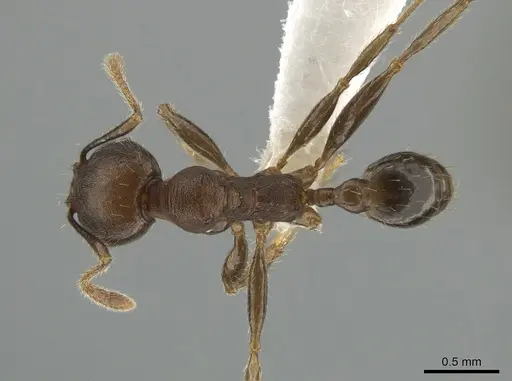
CASENT0635463
View on AntWeb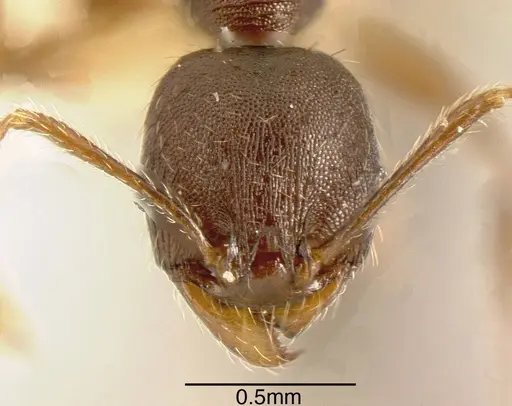
CASENT0904334
View on AntWeb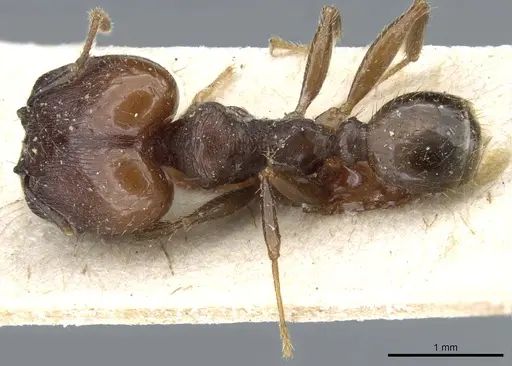
CASENT0904335
View on AntWeb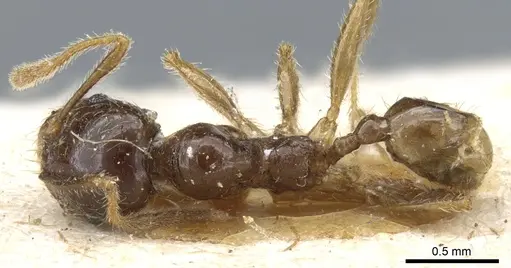
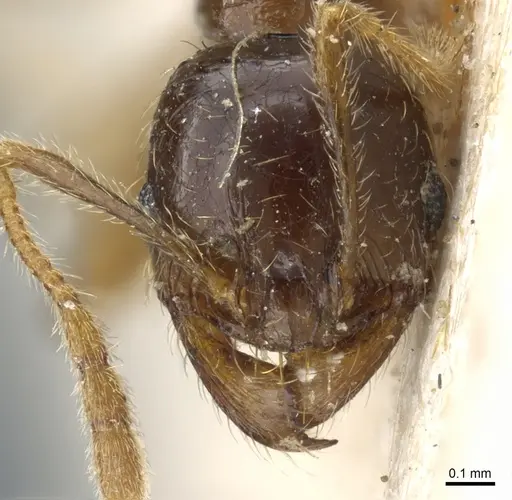
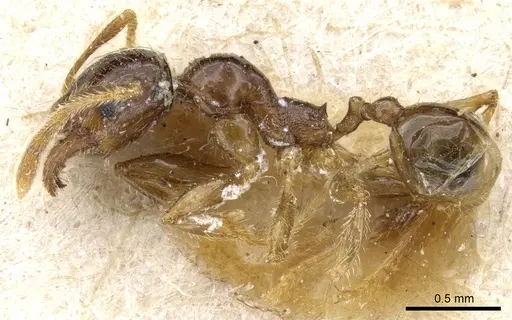
CASENT0904341
View on AntWeb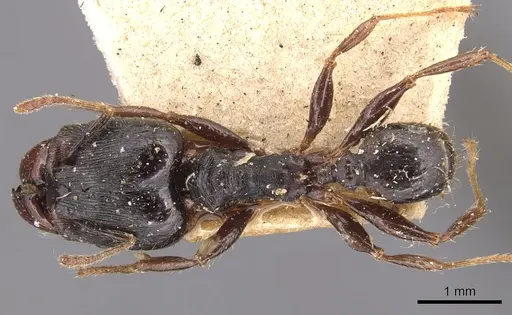
CASENT0904342
View on AntWeb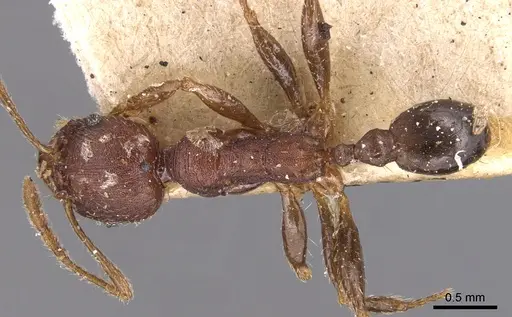
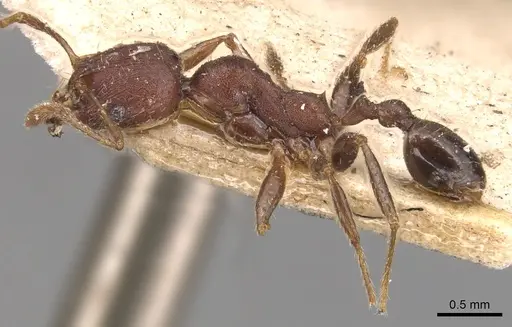
CBUMAGENT42069
View on AntWeb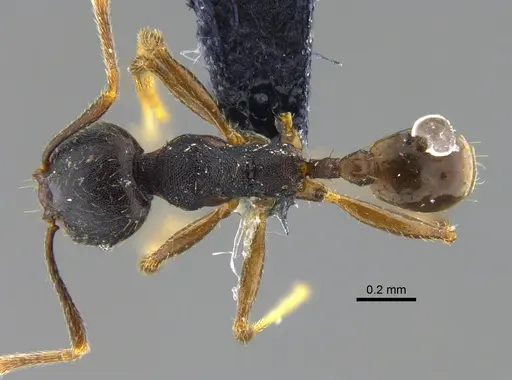
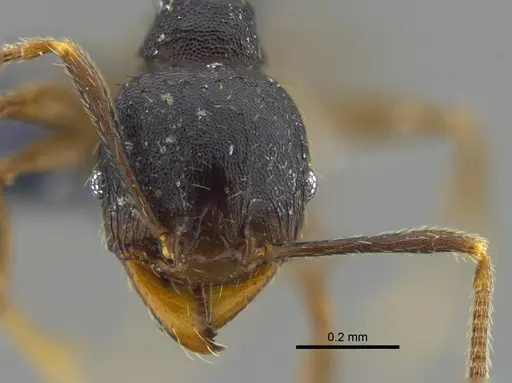
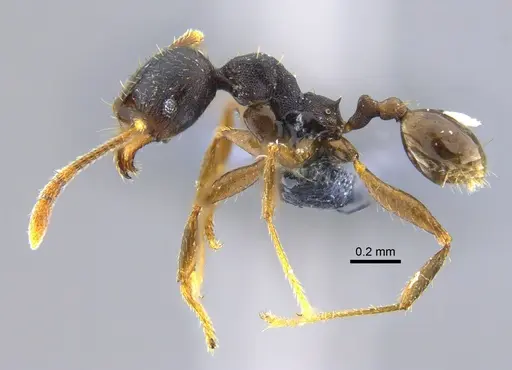
INBIOCRI001282197
View on AntWeb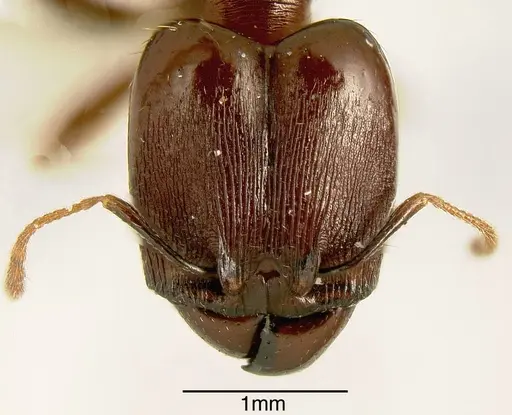
JTLC000014080
View on AntWeb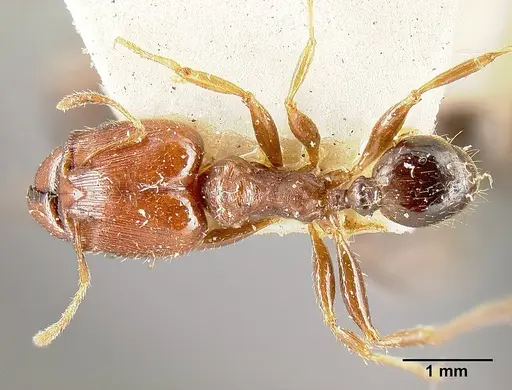
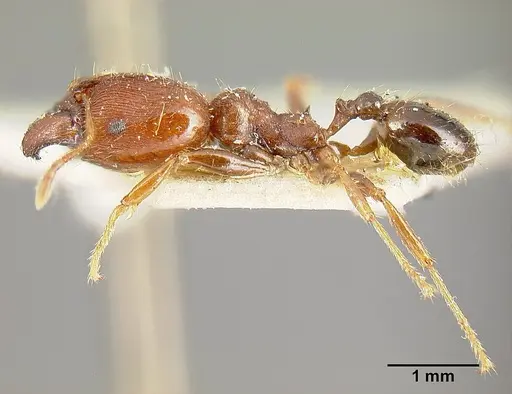
JTLC000014081
View on AntWeb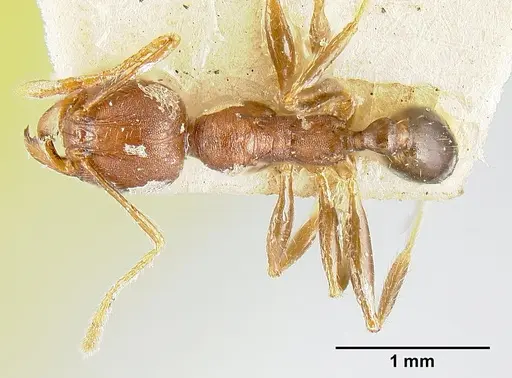
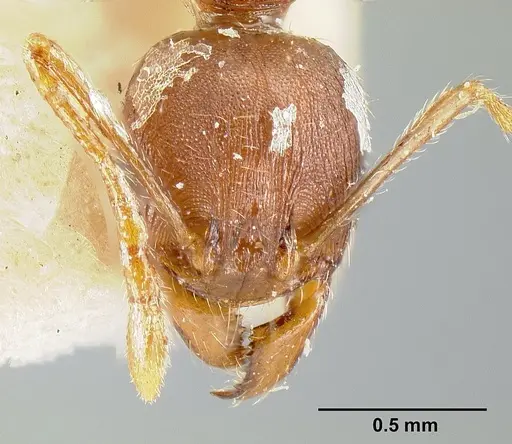
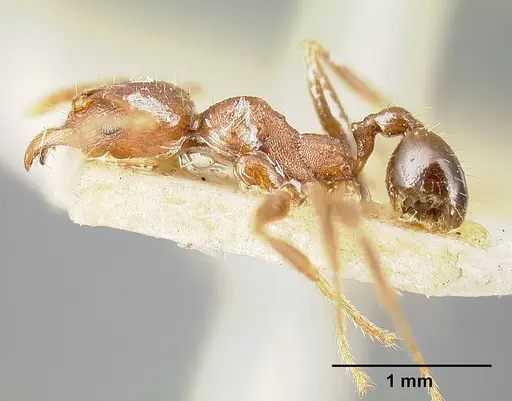
Literature
Loading distribution map...Loading products...