
Pheidole eparmata
- Sci. Name
- Pheidole eparmata
- Tribe
- Attini
- Subfamily
- Myrmicinae
- Author
- Wilson, 2003
- Distribution
- Found in 2 countries
Introduction
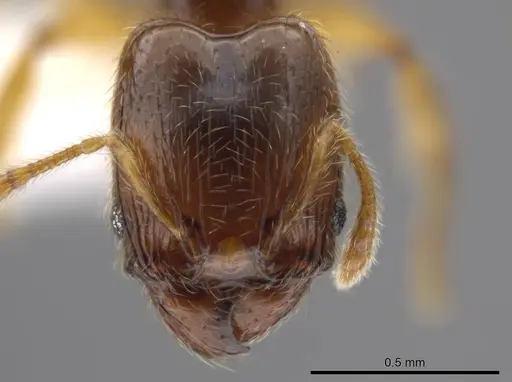
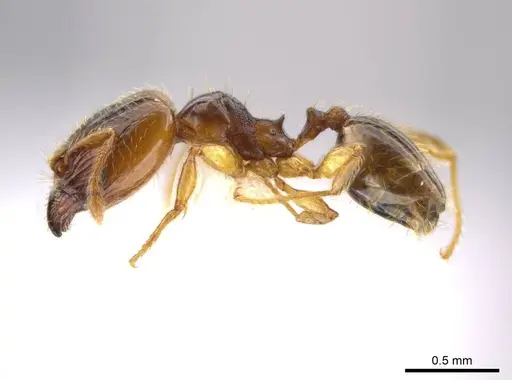
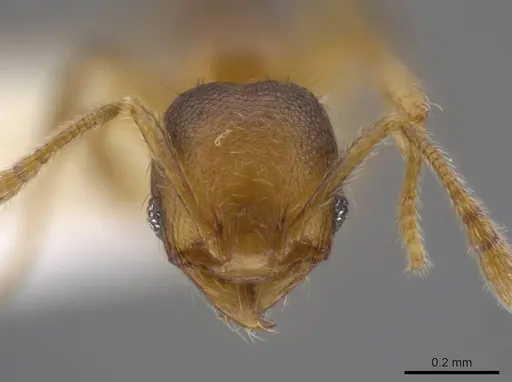
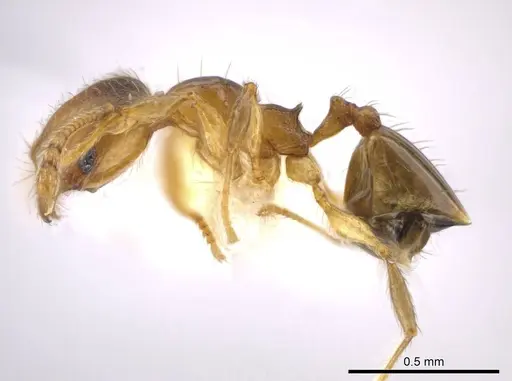
Pheidole eparmata is a species in the tristis group, characterized by a distinctive promesonotum where the pronotum and mesonotum are broadly fused and strongly curved . It has two worker castes: major workers with enlarged heads for seed processing, and minor workers that handle most tasks . The natural range and specific habitat are not well documented in scientific literature. The peculiar promesonotum shape is a key identifying feature, shared with Pheidole aberrans but less prominent .
Quick Summary
- Difficulty: Medium
- Origin & Habitat: Likely Neotropical regions based on Pheidole genus patterns [2].
- Colony Type: Based on Pheidole genus patterns, likely monogyne (single queen colonies) [2].
- Size & Growth:
- Queen: ~7-10 mm, inferred from Pheidole genus [2]
- Worker: Minor workers ~2-3 mm, major workers ~3-5 mm, inferred from Pheidole genus [2]
- Colony: Up to several hundred workers, estimated based on genus patterns [2]
- Growth: Moderate
- Development: 6-8 weeks, inferred from related Pheidole species [2] (Development time varies with temperature, warmer conditions accelerate development.)
- Antkeeping:
- Temperature: Keep at 22-26°C. Adjust based on colony activity [2].
- Humidity: Keep nest substrate consistently moist but not waterlogged. Provide a water source in the outworld [2].
- Diapause: No, based on tropical distribution, no hibernation required [2].
- Nesting: Accepts test tubes, Y-tong nests, or plaster formicaria. Prefer dark, secure chambers [2].
- Behavior: Generally peaceful temperament. Major workers process seeds, minor workers forage. Escape risk is high due to small size, use fluon barriers [2]. Defense includes biting and stinging, but not medically significant.
- Common Issues: escape prevention is critical due to small size., mold can develop if substrate is too wet., overfeeding leads to food spoilage and pest problems., founding phase requires patience as colonies may fail before first workers., wild-caught colonies may contain parasites that can kill the colony.
Housing and Nest Setup
Pheidole eparmata adapts well to various captive setups. Test tube setups work excellently for founding colonies, fill one tube with water, plug with cotton, and connect to an outworld. For established colonies, Y-tong (AAC) nests or plaster formicaria provide good humidity control. They prefer dark nests with chambers scaled to colony size. The outworld should include a shallow water station and areas for food placement. Ensure all connections between nest and outworld are secure, as their small size makes escape likely through loose fittings [2].
Feeding and Diet
Pheidole species are primarily granivorous, with major workers specialized for seed processing. Offer a mix of seeds including millet, chia, flax, and small bird seed. They also readily accept protein sources like small insects (fruit flies, pinhead crickets, mealworms) and can be fed sugar water or honey as an energy source. Feed seeds continuously available and protein 2-3 times per week. Remove uneaten seeds periodically to prevent mold [2].
Temperature and Seasonal Care
Maintain temperatures between 22-26°C for optimal colony development. Pheidole eparmata likely originates from tropical or subtropical regions, so they do not require hibernation. During cooler winter months in temperate climates, colony activity may naturally slow, but do not expose them to temperatures below 15°C unless specifically documented for this species. A small heat source on one side of the nest creates a gradient allowing ants to self-regulate their temperature preference [2].
Colony Growth and Development
Founding behavior is unconfirmed. Queens may seal themselves in a chamber, but this is not documented for this species. The first workers (nanitics) are typically smaller than normal workers but quickly begin expanding the colony. Major workers (soldiers) appear as the colony grows. Growth rate is moderate, expect 6-12 months to reach 100 workers under good conditions. Patience is essential during the founding phase, as many colonies fail before the first workers emerge [2].
Behavior and Temperament
This species shows typical Pheidole behavior, active foraging with both minor and major workers cooperating. Minor workers search for food and care for brood, while major workers process seeds and assist in colony defense. They are not particularly aggressive toward keepers but may bite if their nest is threatened. The major workers' enlarged heads are specialized for seed crushing rather than defense. They maintain clear foraging trails and will quickly discover food sources in the outworld [2].
Frequently Asked Questions
How long does it take for Pheidole eparmata to produce first workers?
Expect 6-8 weeks from founding to first workers emerging, though this varies with temperature. Warmer conditions within the 22-26°C range speed development, while cooler temperatures slow it down [2].
What do Pheidole eparmata ants eat?
They are primarily seed-eaters but also accept small insects and sugar sources. Offer a mix of small seeds (millet, chia, flax), protein (fruit flies, small crickets, mealworms), and occasional sugar water or honey [2].
Can I keep multiple Pheidole eparmata queens together?
This species is likely monogyne based on genus patterns, but founding behavior is unconfirmed. Combining unrelated queens is not recommended as they typically fight [2].
What is the best nest type for Pheidole eparmata?
Y-tong (AAC) nests, plaster formicaria, or test tube setups all work well. They prefer dark, humid environments with chambers appropriately sized to their colony [2].
How big do Pheidole eparmata colonies get?
Based on genus patterns, colonies can reach up to several hundred workers. Major workers typically appear once the colony establishes a solid minor worker population [2].
Do Pheidole eparmata need hibernation?
No, given their likely tropical or subtropical origin, they do not require hibernation. Colony activity may slow during cooler periods, but they should be kept at room temperature year-round [2].
Why are my Pheidole eparmata escaping?
Their small size means they can squeeze through tiny gaps. Ensure all connections are tight, apply fluon or other barriers to nest openings, and check for gaps in your setup regularly [2].
Are Pheidole eparmata good for beginners?
They are moderate difficulty, harder than species like Lasius but easier than some specialized predators. Their seed-based diet is affordable and their colony growth is manageable for committed beginners [2].
When should I move my colony to a formicarium?
Move from test tube to a larger nest once the colony reaches 50-100 workers or the test tube shows signs of degradation. Ensure the new setup has appropriately sized chambers and good humidity control [2].
Report an Issue
The current care sheet is based fully on literature. See inconsistencies, or something that's incorrect? Please , it will be resolved after review from an admin. Contributing to the blogs tab also helps providing information, to make us be able to further improve the caresheets. Thank you for your support!
References

This caresheet is licensed under CC BY-SA 4.0 .
Community Blogs
JTLC000015111
View on AntWeb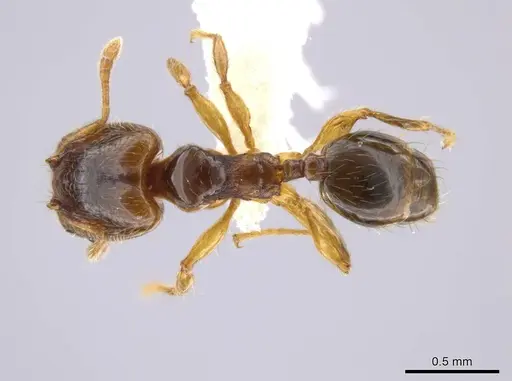
JTLC000015287
View on AntWeb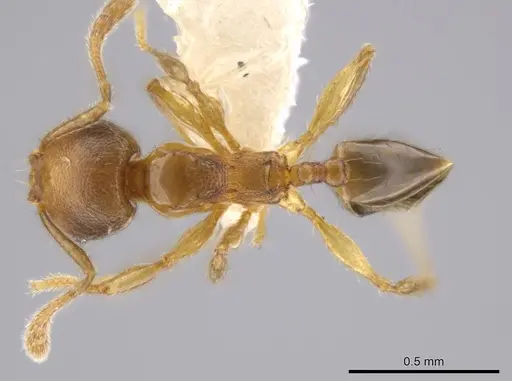
Literature
Loading distribution map...Loading products...