
Pheidole ehazoara
- Sci. Name
- Pheidole ehazoara
- Tribe
- Attini
- Subfamily
- Myrmicinae
- Author
- Salata & Fisher, 2020
- Distribution
- Found in 1 countries
Introduction
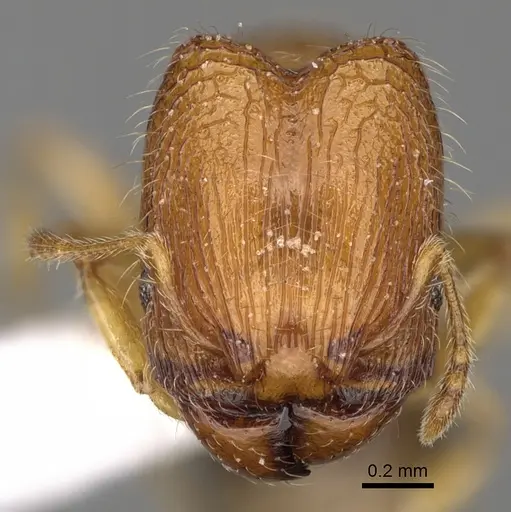
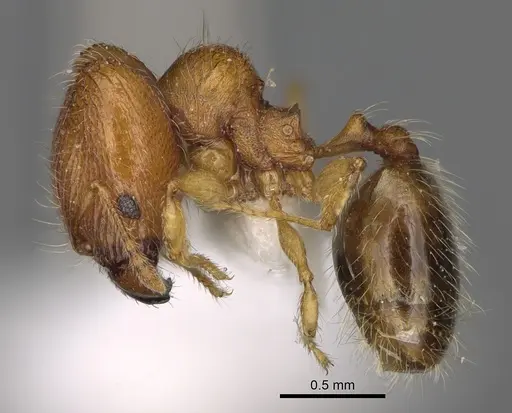
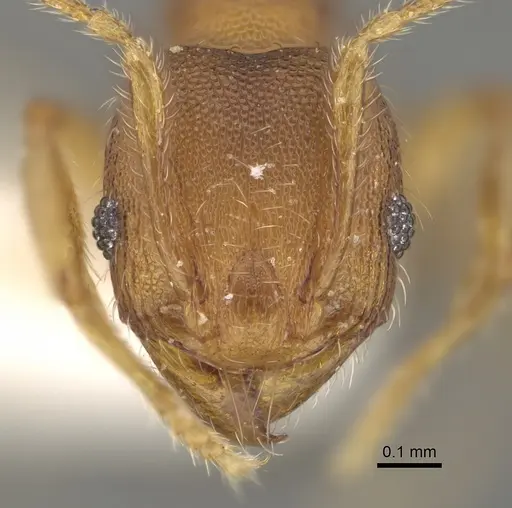
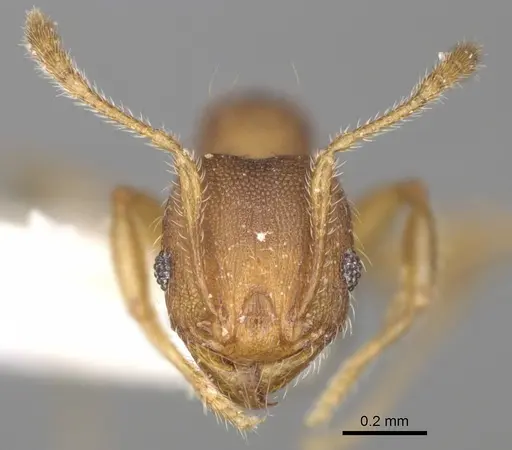
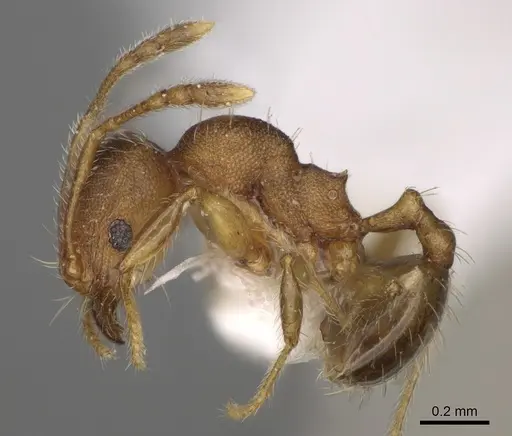
Pheidole ehazoara is a small ant species native to Madagascar, belonging to the Pheidole makaensis species group. It has the typical Pheidole dimorphism with major and minor workers, and a dark yellow body coloration. Full body size data is not provided in the research, but based on the genus, workers are likely small. This species was described in 2020 from Ehazoara Canyon in southwestern Madagascar at 175m elevation in tropical dry rainforest . The species name comes from its type locality, and in the wild, nests are found under stones .
Quick Summary
- Difficulty: Medium
- Origin & Habitat: Madagascar, specifically Ehazoara Canyon near Betioky in the Toliara region, at 175m elevation in tropical dry rainforest, nesting under stones [1][2].
- Colony Type: Colony structure is unconfirmed for this species. No data on queen number or social structure.
- Size & Growth:
- Queen: Unconfirmed, no queen measurements available
- Worker: Approximately 2-4 mm, inferred from Pheidole genus [1]
- Colony: Unknown, no data available
- Growth: Estimated moderate, based on typical Pheidole patterns
- Development: Unknown, no specific data for this species, but based on genus patterns, estimated 6-10 weeks under optimal conditions (Development may vary with temperature, specific data is lacking.)
- Antkeeping:
- Temperature: Keep warm, around 22-26°C, based on tropical origin [2].
- Humidity: Moderate humidity, they nest under stones in shaded areas. Keep substrate moist but not waterlogged [2].
- Diapause: Unknown, most Madagascar ants do not require hibernation, but monitor colony activity.
- Nesting: In the wild, they nest under stones. For captivity, use Y-tong or plaster nests with narrow chambers scaled to their small size [2].
- Behavior: Pheidole species are generally non-aggressive toward humans. Escape risk is moderate due to their small size, use fine mesh barriers to prevent escapes.
- Common Issues: escape risk due to small size, use fine mesh barriers to prevent losses, humidity control is critical, too dry causes brood loss, too wet causes mold [2], wild-caught colonies may carry parasites that affect survival
Appearance and Identification
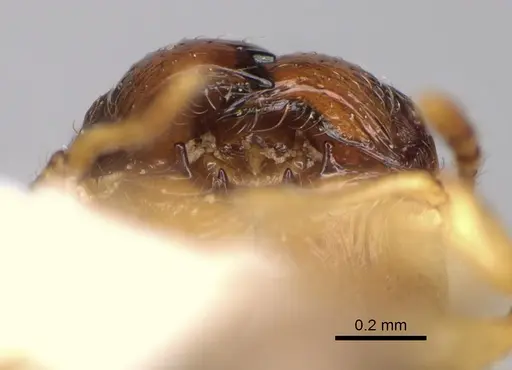
Pheidole ehazoara has major and minor workers, with a dark yellow body. Major workers have elongated heads and dense, long hairs, while minor workers are smaller. Full body size is not provided in research, but based on the genus, workers are small. The species is part of the Pheidole makaensis group and was described in 2020 [1].
Natural History and Nesting
This species is known only from Ehazoara Canyon in Madagascar, at 175m elevation in tropical dry rainforest. Nests are found under stones, which is typical for Pheidole species in this habitat [1][2].
Housing and Nest Setup
Provide a nest that mimics under-stone nesting, such as Y-tong or plaster nests with narrow chambers. Include a moisture source for humidity, as they prefer shaded, humid microhabitats [2].
Feeding and Diet
Offer a varied diet with small protein sources like fruit flies or pinhead crickets, and sugar water or honey. Feed protein 2-3 times per week and provide constant access to sugars, based on typical Pheidole feeding habits.
Temperature and Seasonal Care
Maintain temperatures around 22-26°C, reflecting their tropical origin. A temperature gradient allows the colony to self-regulate. Avoid temperatures above 30°C to prevent stress.
Colony Development
Specific development timelines are not documented for this species. Based on typical Pheidole patterns, first workers may emerge 6-10 weeks after queen lays eggs, assuming optimal conditions. Initial growth is slow, then accelerates with worker assistance.
Frequently Asked Questions
How long does it take for Pheidole ehazoara to produce first workers?
No specific data is available for this species. Based on typical Pheidole development, it may take 6-10 weeks from egg to first worker at optimal temperatures [1].
What do Pheidole ehazoara ants eat?
They likely accept a standard Pheidole diet: small live prey, sugar water, and honey. Offer protein 2-3 times weekly and keep sugars available constantly.
What temperature do Pheidole ehazoara ants need?
Keep them at 22-26°C, based on their tropical origin in Madagascar [2].
Are Pheidole ehazoara ants good for beginners?
This species is rated Medium difficulty due to limited care information since it was described in 2020. Beginners may prefer more established species.
How big do Pheidole ehazoara colonies get?
Colony size is unknown for this species. Based on typical Pheidole patterns, mature colonies may reach several thousand workers over time.
Can I keep multiple Pheidole ehazoara queens together?
Colony structure is unconfirmed for this species. Most Pheidole species are monogyne (single queen), so combining queens is not recommended without evidence.
What type of nest is best for Pheidole ehazoara?
Y-tong or plaster nests work well, mimicking their natural under-stone nesting. Provide narrow chambers and maintain humidity [2].
Do Pheidole ehazoara ants need hibernation?
Diapause requirements are unknown. Given their tropical origin, they likely do not require hibernation, but may slow down during cooler periods.
Why are my Pheidole ehazoara ants dying?
Common causes include improper humidity, temperature stress, mold from overfeeding, or parasites from wild-caught colonies. Ensure proper care and remove uneaten food promptly.
Report an Issue
The current care sheet is based fully on literature. See inconsistencies, or something that's incorrect? Please , it will be resolved after review from an admin. Contributing to the blogs tab also helps providing information, to make us be able to further improve the caresheets. Thank you for your support!
References

This caresheet is licensed under CC BY-SA 4.0 .
Community Blogs
CASENT0872059
View on AntWeb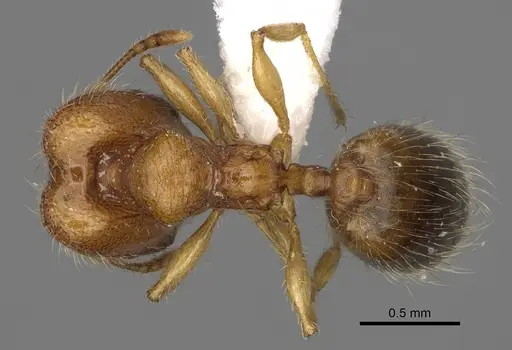
CASENT0923186
View on AntWeb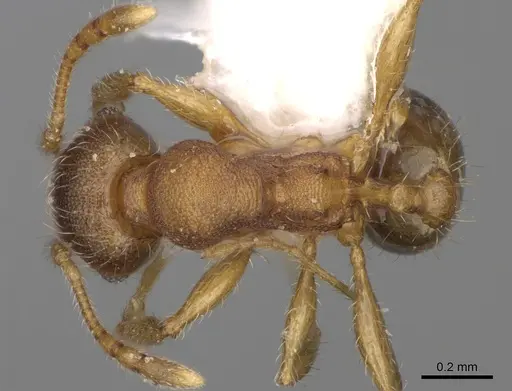
Literature
Loading distribution map...Loading products...