
Pheidole dodo
- Sci. Name
- Pheidole dodo
- Tribe
- Attini
- Subfamily
- Myrmicinae
- Author
- Fischer & Fisher, 2013
- Distribution
- Found in 1 countries
Introduction
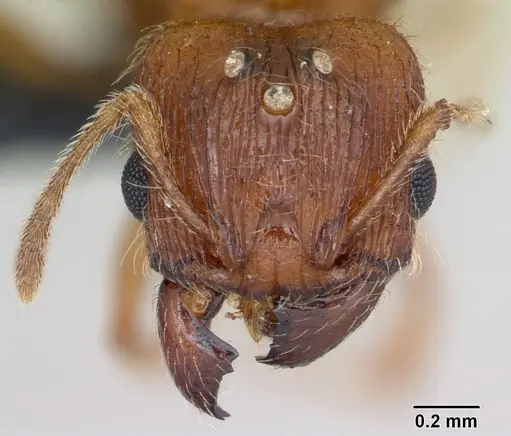
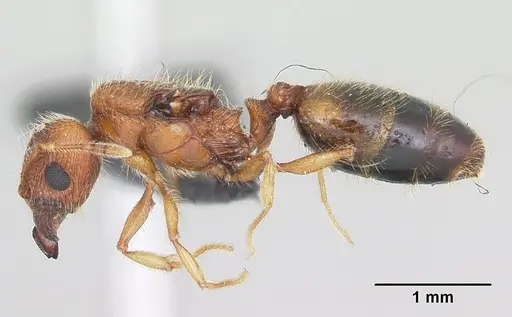
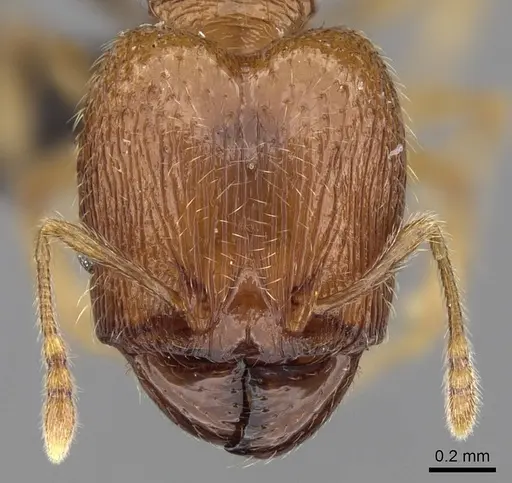
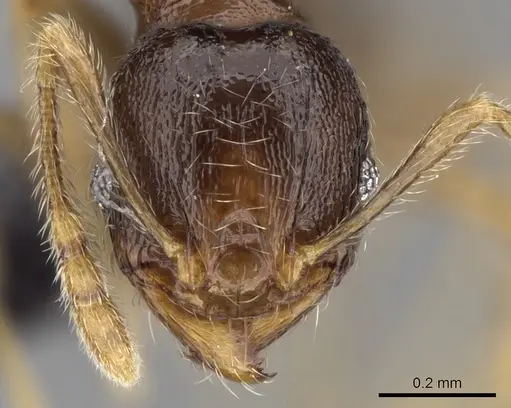
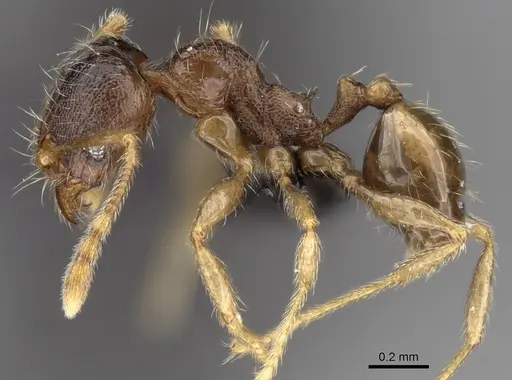
Pheidole dodo is a small ant species endemic to Mauritius, named after the extinct dodo bird. It has the typical Pheidole morphology with major and minor worker castes, but full body size data is unavailable from the research . The species is found only on Mauritius, nesting in rotting wood, under moss, and in leaf litter across various habitats from coastal scrub to rainforest . What makes P. dodo special is its island endemism and flexible nesting habits. Colonies adapt to diverse environments, suggesting they may be forgiving in captivity. As a Pheidole, they likely form single-queen colonies with distinct worker castes.
Quick Summary
- Difficulty: Medium
- Origin & Habitat: Mauritius island only, found in coastal scrub, closed vegetation, low closed forest, disturbed and undisturbed rainforest from 1-760m elevation. Nests in rotting wood, under moss, and leaf litter on the ground [1][2].
- Colony Type: Based on Pheidole genus patterns, likely monogyne with single queen and distinct major and minor worker castes.
- Size & Growth:
- Queen: Size data unavailable, no total length measurements in research.
- Worker: Size data unavailable, no total length measurements in research.
- Colony: Unknown, no colony size data in research.
- Growth: Unknown, no development data in research.
- Development: Unknown, no data on development time. (Development time is not specified in the research.)
- Antkeeping:
- Temperature: Keep warm, around 24-28°C, as inferred from tropical habitat. No specific temperature data in research.
- Humidity: Keep nest substrate consistently moist but not waterlogged, as they nest in humid environments like rotting wood and under moss [1].
- Diapause: No, as a tropical species from Mauritius, they do not require hibernation.
- Nesting: Use Y-tong (AAC), plaster, or soil nests. Provide dark, humid nesting areas based on their natural habitat [1].
- Behavior: Pheidole dodo likely shows typical Pheidole behavior: minor workers forage and care for brood, while majors defend the nest. They are not particularly aggressive, but majors may defend if threatened. Escape risk is moderate due to small size of minors.
- Common Issues: high humidity needs can lead to mold if ventilation is poor, balance with airflow based on habitat preferences., colonies may grow slowly initially, avoid overfeeding or disturbing the queen during founding., major workers develop later in colony growth, don't panic if only minors are seen at first., tiny minor workers can escape through small gaps, use fine mesh and check lid seals regularly., wild-caught colonies may carry parasites, quarantine and observe new colonies carefully.
Housing and Nest Setup
Pheidole dodo does well in Y-tong (AAC) nests, plaster nests, or test tube setups. Provide appropriately-sized chambers for these small ants. They prefer dark nesting areas, so cover the nest with a dark cloth or use opaque sides. Since they naturally nest in rotting wood and under moss, maintain a humid environment [1]. Place a water tube connected to the nest to maintain humidity, and mist the outworld occasionally. Avoid setups that dry out quickly. A small outworld connected to the nest works well for feeding.
Feeding and Diet
Pheidole dodo will accept a typical ant diet: protein sources like small insects (fruit flies, small crickets), and carbohydrate sources like sugar water, honey, or ripe fruit. In the wild, Pheidole species often collect seeds, so you might offer tiny seed pieces once the colony is established. Feed small prey items to minors due to their size. Offer protein 2-3 times per week and keep a constant sugar water source available. Remove uneaten prey after 24 hours to prevent mold.
Temperature and Humidity
As a tropical species from Mauritius, Pheidole dodo prefers warm temperatures around 24-28°C. They can tolerate room temperature but growth may be slower. Use a heating cable on one side of the nest if needed. Humidity is crucial: keep the nest substrate consistently moist, as they naturally live in humid environments under moss and in rotting wood [1]. Monitor for condensation, some is good, but excessive moisture can cause mold.
Colony Development
Pheidole colonies grow through distinct phases. After a claustral queen lays eggs, she raises brood alone. The first workers are minor workers, but development time is unknown from research. Major workers develop later, once the colony has sufficient size. Don't worry if only minors are seen initially, majors appear with colony growth. Colonies can live for several years with a healthy queen.
Behavior and Temperament
Pheidole dodo likely shows classic Pheidole behavior: minor workers handle foraging and brood care, while majors defend the nest and process hard foods. Majors have enlarged heads for defense and seed processing. The species is not particularly aggressive toward keepers, but majors will defend if disturbed. Workers communicate using chemical trails, establishing foraging routes over time.
Frequently Asked Questions
How long does it take for Pheidole dodo to have first workers?
Development time is unknown from research. At warm temperatures, first workers may emerge, but no specific timeline is provided.
What do Pheidole dodo ants eat?
They accept standard ant foods: small insects for protein and sugar water or honey for carbohydrates. Once majors develop, offer tiny seed pieces.
Do Pheidole dodo ants need hibernation?
No, as a tropical species from Mauritius, they do not require hibernation. Keep them warm year-round.
What size colony does Pheidole dodo reach?
Colony size is unknown from research. No data on maximum worker count is available.
Are Pheidole dodo ants aggressive?
They are not particularly aggressive toward humans. Minor workers may flee, but majors may defend the nest if threatened.
What humidity do Pheidole dodo ants need?
Keep the nest substrate consistently moist but not waterlogged, as they nest in humid environments like rotting wood and under moss [1].
Can I keep multiple Pheidole dodo queens together?
Pheidole species are typically monogyne, but this is not confirmed for P. dodo. Combining queens is not recommended and may result in fighting.
What temperature is best for Pheidole dodo?
Keep them warm, around 24-28°C, as inferred from tropical habitat. No specific data is available.
Why are my Pheidole dodo majors not developing?
Majors develop later in colony growth, they only appear once the colony has sufficient size. If only minors are seen, the colony is still young.
Is Pheidole dodo a good beginner ant?
Medium difficulty, they require warm, humid conditions, but no specific challenges are noted in research.
Report an Issue
The current care sheet is based fully on literature. See inconsistencies, or something that's incorrect? Please , it will be resolved after review from an admin. Contributing to the blogs tab also helps providing information, to make us be able to further improve the caresheets. Thank you for your support!
References

This caresheet is licensed under CC BY-SA 4.0 .
Community Blogs
CASENT0059716
View on AntWeb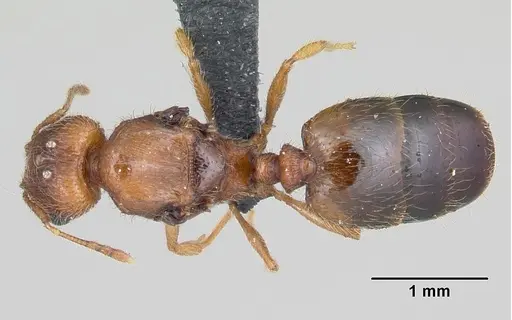
CASENT0059724
View on AntWeb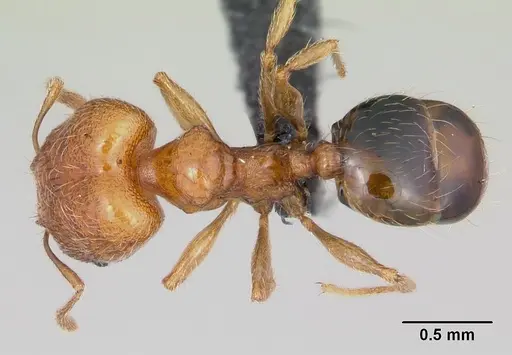
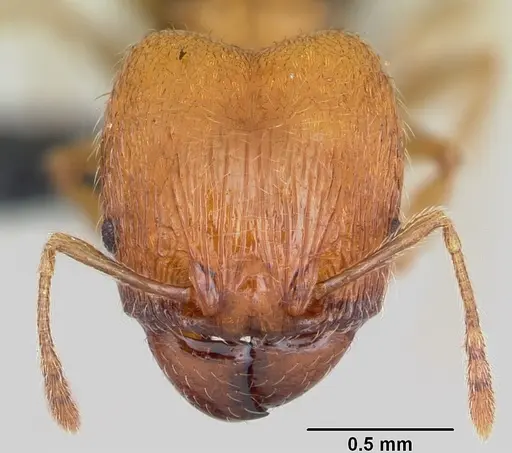
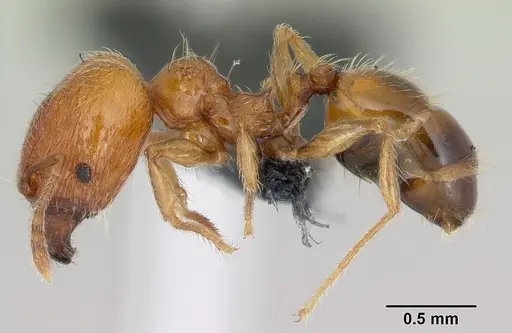
CASENT0059742
View on AntWeb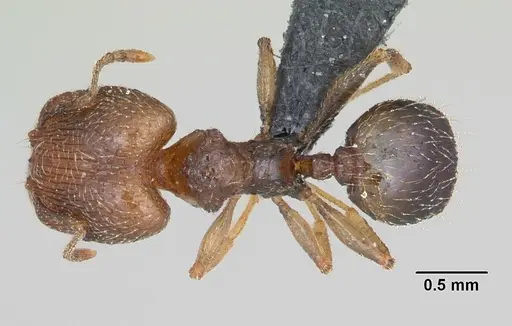
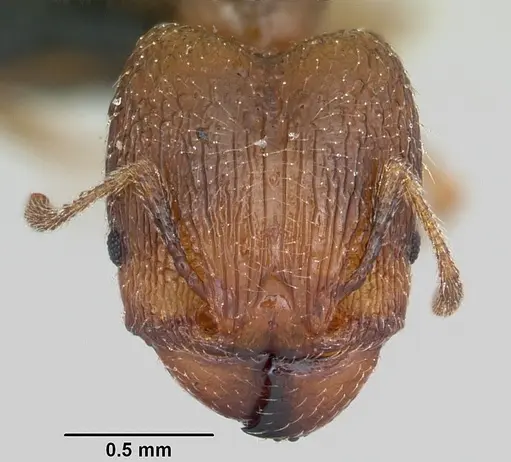
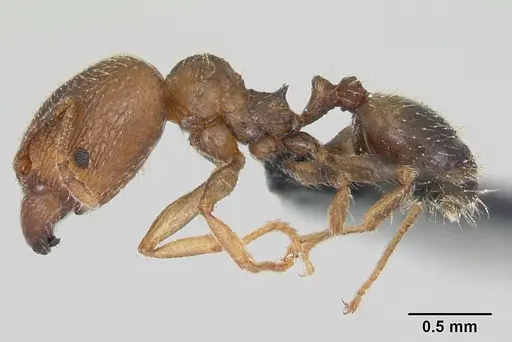
CASENT0059749
View on AntWeb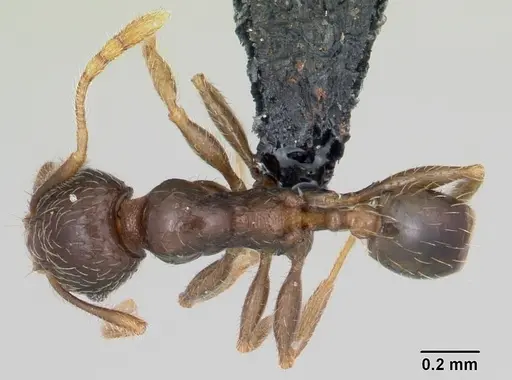
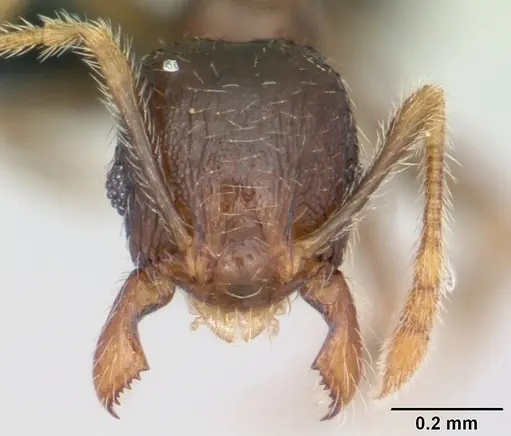
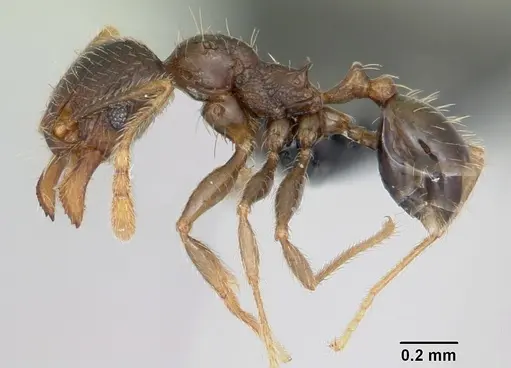
CASENT0060617
View on AntWeb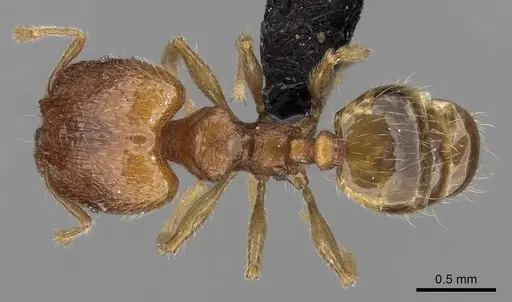
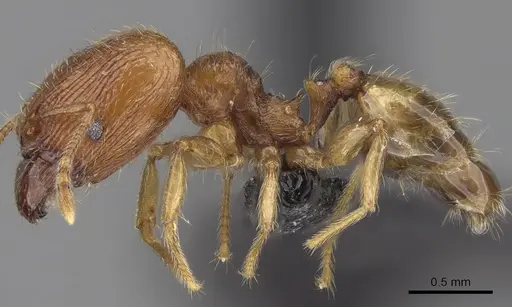
CASENT0060619
View on AntWeb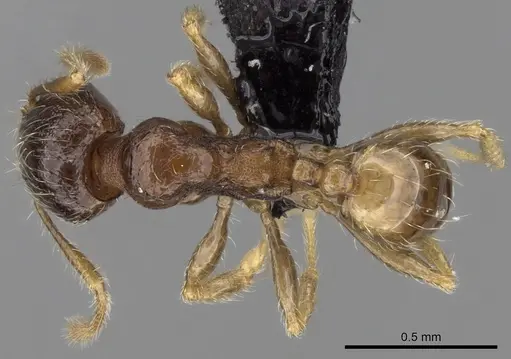
Literature
Loading distribution map...Loading products...