
Pheidole deceptrix
- Sci. Name
- Pheidole deceptrix
- Tribe
- Attini
- Subfamily
- Myrmicinae
- Author
- Forel, 1899
- Distribution
- Found in 3 countries
Introduction
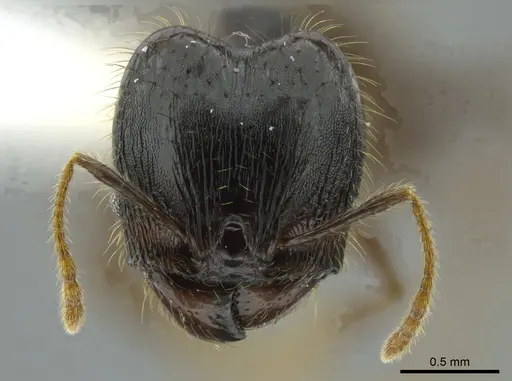
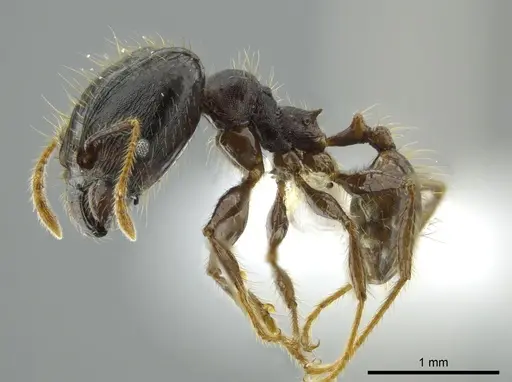
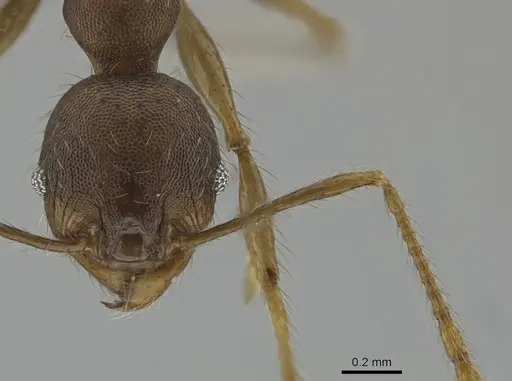
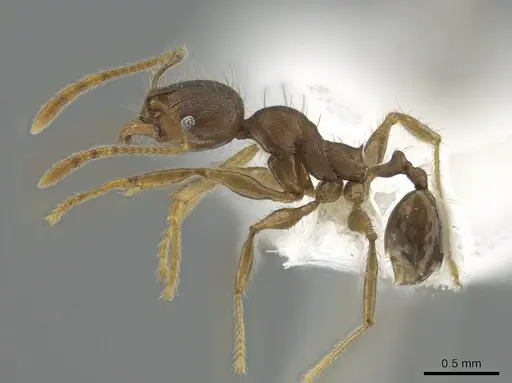
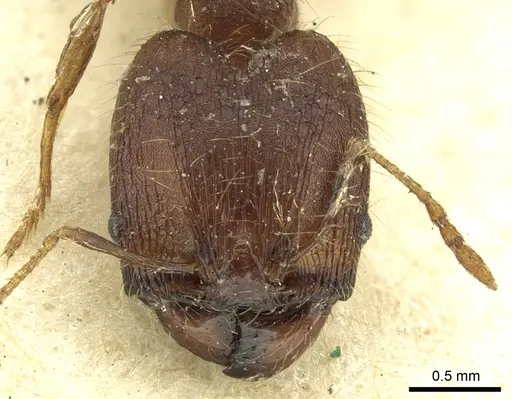
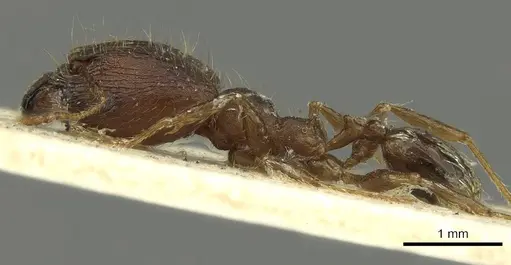
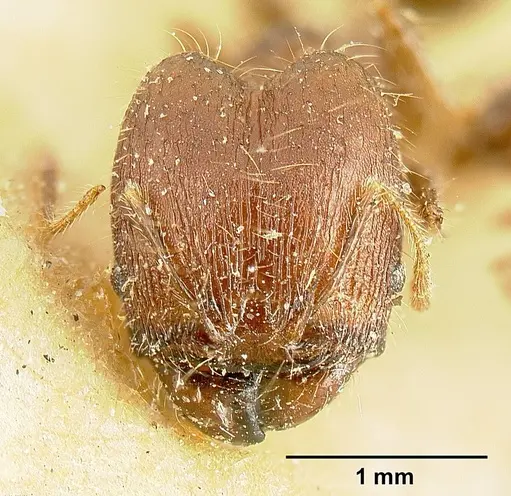
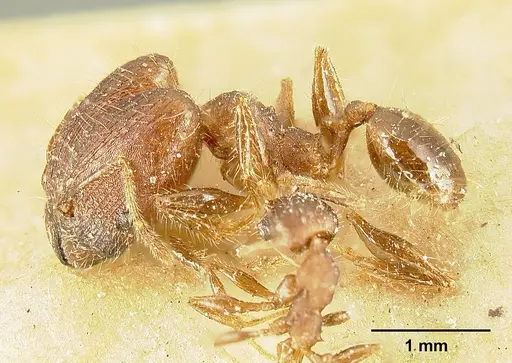
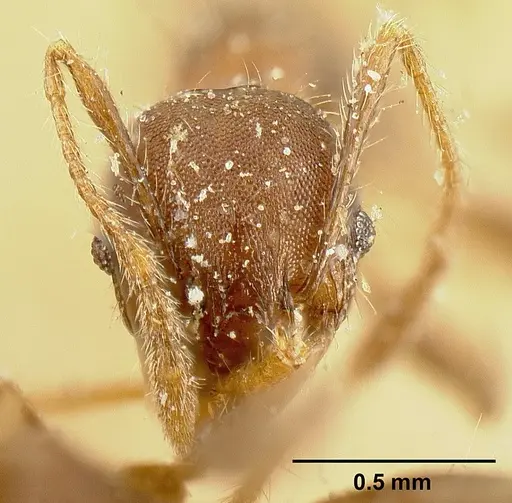
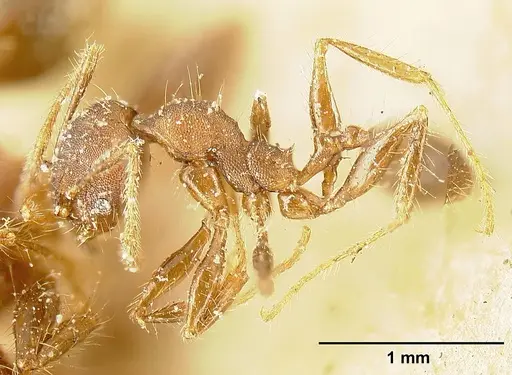
Pheidole deceptrix is a dimorphic ant with distinct major and minor workers. Workers measure 4–4.2 mm in length . The species is medium brown in color, with yellowish-brown appendages. It is a montane specialist found exclusively in cloud forest habitats at elevations between 1300 and 2750 meters, ranging from Guatemala through Belize, Honduras, and Mexico (Chiapas, Oaxaca, Puebla) . Nests are built in soil and under stones. Foragers, including major workers, actively search for food on the forest floor and are attracted to baits . Originally described by Forel in 1899,it was later confirmed as the senior synonym of Pheidole chiapasana and Pheidole variceps, which represent geographic variations . Alate queens have been collected in July, but males remain unknown .
Quick Summary
- Difficulty: Medium
- Origin & Habitat: Montane cloud forests of Central America at 1300–2750 m elevation, from Guatemala through Belize, Honduras, and Mexico (Chiapas, Oaxaca, Puebla) [2][3][4].
- Colony Type: Likely monogyne, as is typical for Pheidole, but this has not been specifically documented for this species. Colony structure is unconfirmed.
- Size & Growth:
- Queen: No data available.
- Worker: 4–4.2 mm for workers (likely minor workers) [1], major workers are larger but specific total length not reported.
- Colony: Unknown – no data available.
- Growth: Moderate (estimated from Pheidole genus patterns).
- Development: Unknown – no specific data. Based on typical Pheidole development, may be 4–8 weeks at optimal temperatures. (Development times vary, no studies have been done on this species.)
- Antkeeping:
- Temperature: Cool conditions: 18–24 °C, avoid above 26 °C. Montane cloud forest origin indicates sensitivity to heat [2]. Provide a thermal gradient so ants can choose their preferred zone.
- Humidity: High – keep nest substrate consistently moist but not waterlogged. Cloud forest habitat requires high moisture [2]. Use a water source and monitor substrate dampness.
- Diapause: Unknown. As a montane specialist from regions with seasonal variation, a cool winter period (10–15 °C for 2–3 months) may be beneficial, but no specific data exists.
- Nesting: Nests in soil and under stones in the wild [2][3]. In captivity, use a soil-based naturalistic setup, Y-tong (AAC) nest, or plaster nest with damp substrate. Avoid acrylic nests.
- Behavior: Active foragers – both minor and major workers participate in food collection [2]. They are attracted to baits and will explore the outworld. Temperament is generally non-aggressive, but they will defend the nest if threatened. Minor workers are small (4 mm) so escape risk is high – use fine mesh and tight lids. The sting is present but mild and not medically significant.
- Common Issues: high temperatures above 26 °C can be fatal – keep cool., tiny minor workers can escape through standard gaps – use fine mesh and seal all openings., low humidity leads to desiccation – keep substrate consistently moist., slow initial colony growth – be patient during the founding phase., overfeeding causes mold – remove uneaten food promptly.
Housing and Nest Setup
In the wild, Pheidole deceptrix nests in soil and under stones [2][3]. For captive care, a naturalistic setup with a soil-filled container mimics their natural habitat. Alternatively, a Y-tong (AAC) or plaster nest provides good humidity control. The key is to keep the substrate consistently moist but not waterlogged. Because minor workers are only 4 mm long [1], excellent escape prevention is critical – use fine mesh barriers and tight-fitting lids. Provide a small outworld for foraging to observe their activity.
Feeding and Diet
Pheidole deceptrix is a generalist omnivore. In the wild, foragers (including major workers) are attracted to baits [2]. In captivity, offer a varied diet: protein sources (small insects like fruit flies, pinhead crickets, mealworms) 2–3 times per week, and a constant supply of carbohydrates (sugar water, honey, or diluted honey). They may also collect seeds. Remove uneaten food to prevent mold, which can harm the colony.
Temperature and Seasonal Care
As a montane cloud forest ant, P. deceptrix requires cooler conditions than lowland tropical species. Keep the nest area at 18–24 °C with a gentle temperature gradient, allowing ants to choose their preferred spot. Do not exceed 26 °C [2]. During winter, provide a cool period (10–15 °C for 2–3 months) to simulate natural seasonal cooling. This may support colony health and reproduction, though specific data is lacking for this species.
Colony Development and Growth
This species is dimorphic with distinct major and minor workers [6]. Major workers likely develop from larvae that receive more food, a common pattern in Pheidole. During the founding phase, the queen raises the first brood alone. Expect the first workers to emerge in 4–8 weeks under optimal conditions (temperature 20–24 °C). Colony growth is moderate, no specific maximum colony size is known. Notably, major workers actively forage alongside minors, not only defend the nest [2].
Behavior and Temperament
P. deceptrix is an active forager, with both castes coming to baits [2]. They are not particularly aggressive toward the keeper but will defend the nest if disturbed. Their sting is mild and not medically significant. The small size of minor workers (4 mm) means they can squeeze through tiny gaps – ensure escape prevention is meticulous. Watch for their foraging activity, it is one of the most enjoyable aspects of keeping this species.
Legal and Ethical Considerations
P. deceptrix is native to Central America (Guatemala, Belize, Honduras, Mexico). If you keep this species outside its natural range, never release colonies into the wild to avoid potential ecological disruption. Ensure your colony comes from a legal, reputable source. There is no special conservation status for this species. [3][4]
Frequently Asked Questions
How long does it take for Pheidole deceptrix to raise first workers?
No specific data exists, but based on typical Pheidole development at 20–24 °C, expect 4–8 weeks from egg to first worker. The queen is claustral and raises the first brood alone, so patience is needed.
What temperature do Pheidole deceptrix ants need?
They prefer cool conditions: 18–24 °C with a gentle gradient. Avoid temperatures above 26 °C, as they are montane cloud forest ants adapted to cooler environments [2].
Do Pheidole deceptrix ants need hibernation?
Unknown, but given their montane origin, providing a cool winter period (10–15 °C for 2–3 months) is likely beneficial for colony health.
What do Pheidole deceptrix ants eat?
They are generalist omnivores. Feed protein sources (fruit flies, pinhead crickets, mealworms) 2–3 times a week and provide constant access to sugar water or honey. They also collect seeds [2].
Are Pheidole deceptrix good for beginners?
They are rated medium difficulty. The main challenges are keeping them cool and ensuring escape prevention due to the tiny minor workers. Beginners may find the temperature requirements tricky.
How big do Pheidole deceptrix colonies get?
There is no data on maximum colony size. Pheidole colonies can range from hundreds to thousands, but specific numbers for this species are unknown.
Can I keep multiple Pheidole deceptrix queens together?
Pheidole are typically monogyne, and no evidence suggests this species is polygyne. Do not attempt to combine unrelated queens as they likely will fight.
What type of nest is best for Pheidole deceptrix?
A naturalistic setup with soil substrate or a Y-tong/plaster nest that maintains high humidity. They nest in soil and under stones in the wild [2][3].
Why are my Pheidole deceptrix dying?
Most common causes: temperatures too high (above 26°C), low humidity, or escape of minor workers. Check temperature, moisture levels, and enclosure seals. Wild-caught colonies may also carry parasites.
Report an Issue
The current care sheet is based fully on literature. See inconsistencies, or something that's incorrect? Please , it will be resolved after review from an admin. Contributing to the blogs tab also helps providing information, to make us be able to further improve the caresheets. Thank you for your support!
References

This caresheet is licensed under CC BY-SA 4.0 .
Community Blogs
CASENT0611123
View on AntWeb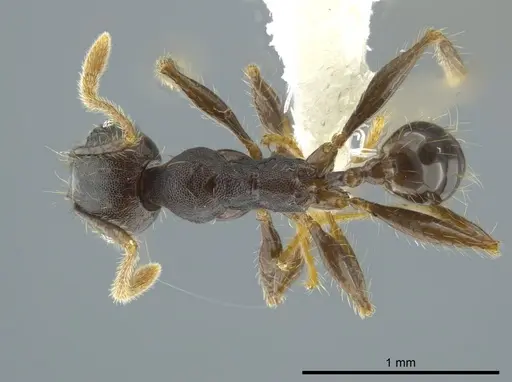
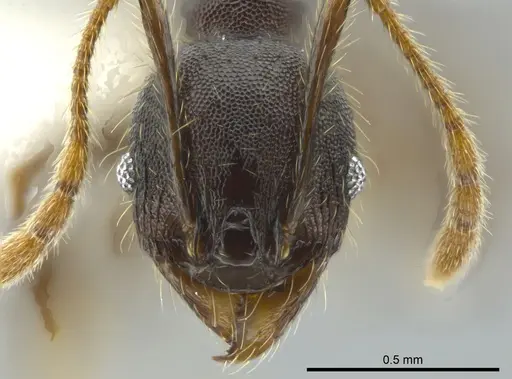
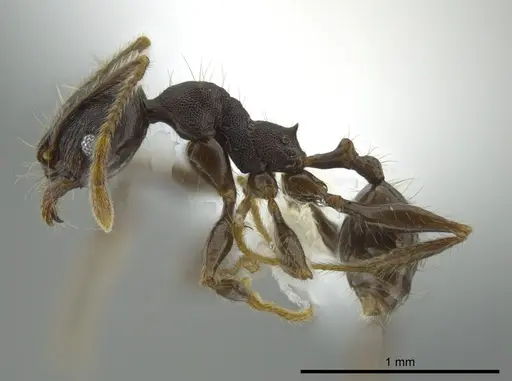
CASENT0611124
View on AntWeb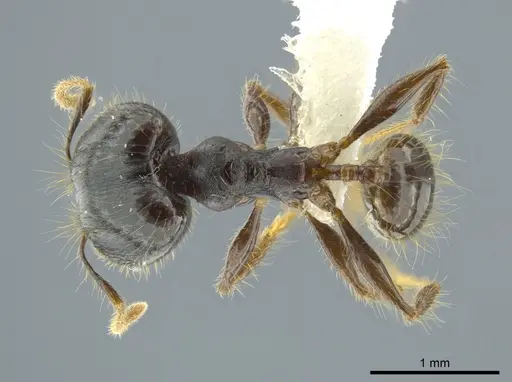
CASENT0617825
View on AntWeb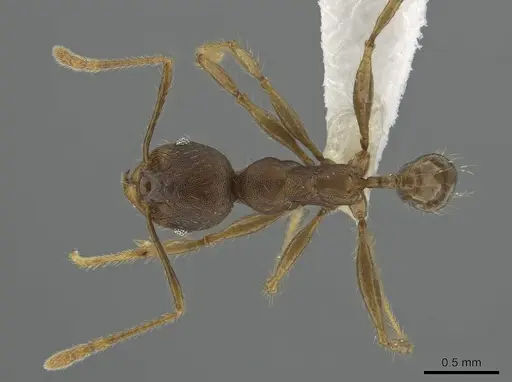
CASENT0901595
View on AntWeb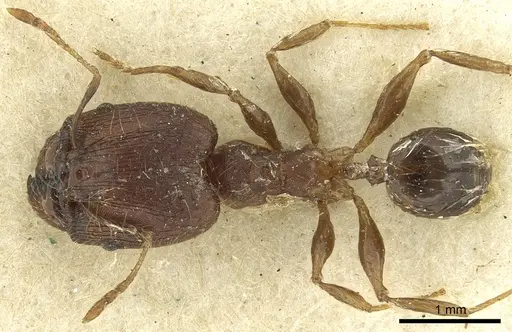
JTLC000015315
View on AntWeb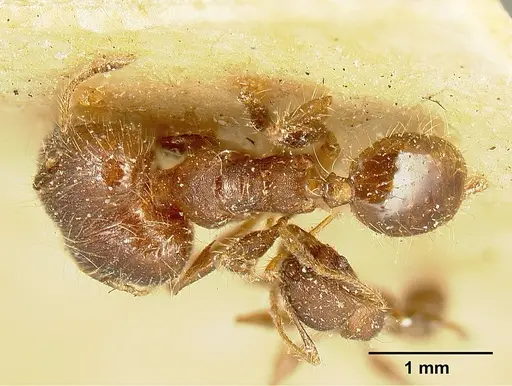
JTLC000015320
View on AntWeb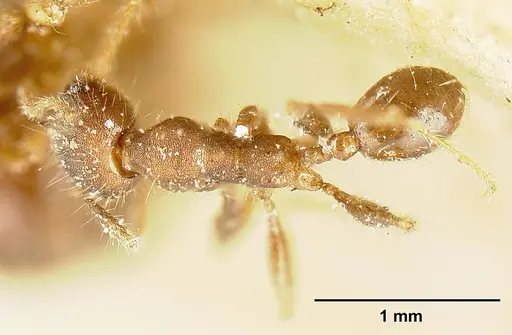
Literature
Loading distribution map...Loading products...