
Davis' Big-headed Ant
Pheidole davisi
- Sci. Name
- Pheidole davisi
- Tribe
- Attini
- Subfamily
- Myrmicinae
- Author
- Wheeler, 1905
- Common Name
- Davis' Big-headed Ant
- Distribution
- Found in 1 countries
Introduction
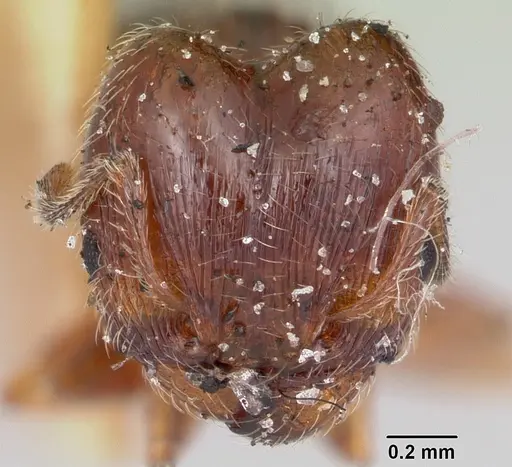
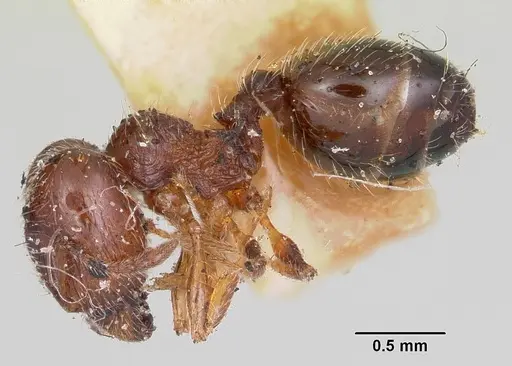
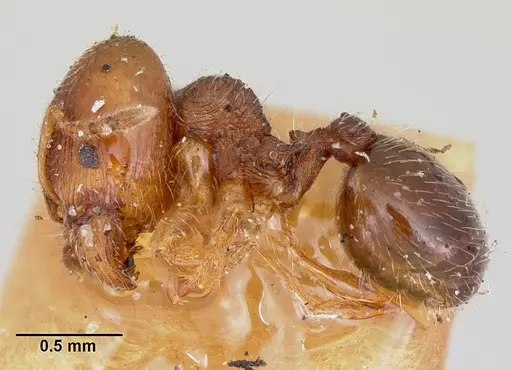
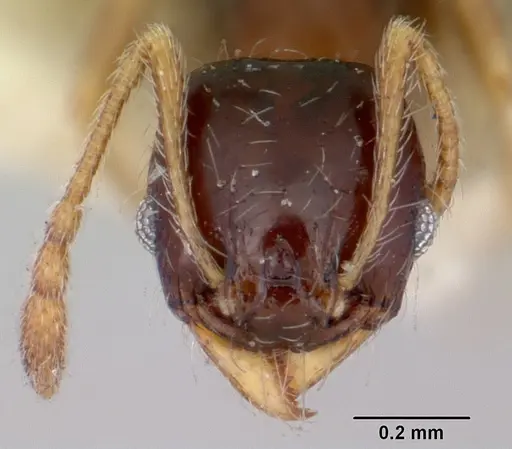
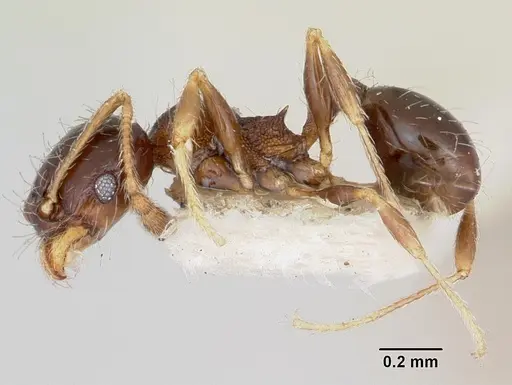
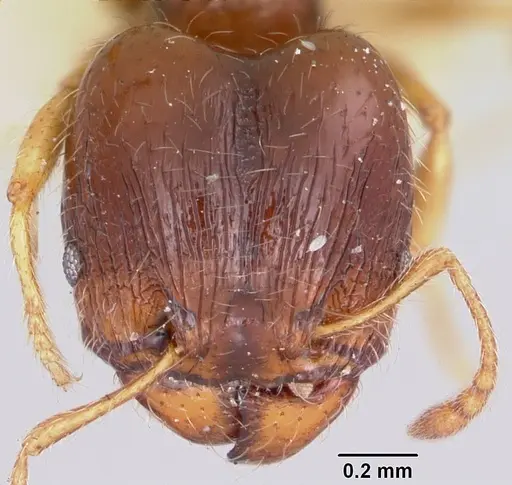
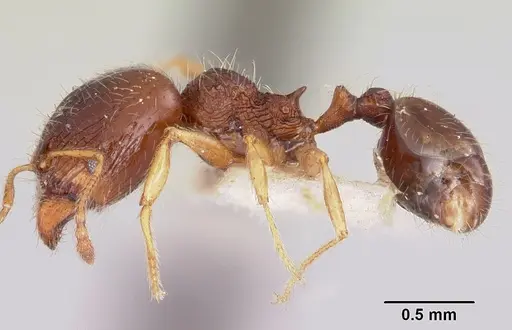
Pheidole davisi is a small brown ant native to the eastern United States and northeastern Mexico. It belongs to the pilifera group and has strongly polymorphic workers with distinct majors and minors. The species has a disjunct distribution, found in southeastern US from New York to North Carolina and northern Alabama, and separately in northeastern Mexico (Nuevo León). In the US, it typically inhabits pine barrens with crater nests in open sandy areas exposed to full sun . This species is notable for its seed-harvesting behavior, which is relatively uncommon among eastern US Pheidole species. Colonies are monogynous, meaning they contain a single queen .
Quick Summary
- Difficulty: Easy
- Origin & Habitat: Eastern United States (New York to North Carolina and northern Alabama) and northeastern Mexico (Nuevo León). In the US, found in pine barrens with crater nests in open sandy areas exposed to full sun. Also inhabits inland sand dune communities including xeric forests, open forests, Black Oak dunes, sunny glades in pine woods, dry fields and slopes, open grasslands, and cultivated fields [1][2][3].
- Colony Type: Monogynous, single queen colonies. The species has strongly polymorphic worker castes with distinct major and minor workers [4].
- Size & Growth:
- Queen: Estimated 5-6 mm based on Pheidole genus patterns.
- Worker: Workers are small, with majors and minors, exact body lengths unavailable, but based on Pheidole genus, typically 2-4 mm.
- Colony: Up to 500 workers.
- Growth: Moderate
- Development: Estimated 6-8 weeks at optimal temperature. (Development time inferred from genus-level data for Pheidole. Temperature around 22-26°C likely optimal.)
- Antkeeping:
- Temperature: Keep at room temperature, roughly 22-26°C. This species tolerates moderate warmth and is found in sunny, exposed habitats [1].
- Humidity: Low to moderate, prefers dry conditions. Keep nest substrate relatively dry, similar to their natural open sandy environments [2][3].
- Diapause: Yes, as a temperate species, colonies likely need a winter rest period. Provide 2-3 months of cooler temperatures (10-15°C) during winter.
- Nesting: Best in dry, well-drained setups. Y-tong (AAC) nests or plaster nests work well. Provide a sandy outworld area for seed-harvesting behavior.
- Behavior: Generally peaceful and not aggressive. Like most Pheidole, they are active foragers with major workers specializing in seed processing and defense. They are moderate escape artists, use standard barriers. Major workers can defend the colony against threats.
- Common Issues: colonies may fail if kept too humid, their natural habitat is dry and sandy [2][3]., seed-harvesting behavior means they need a proper outworld area with substrate to process seeds [1]., slow growth compared to some tropical species may frustrate beginners., wild-caught colonies may have parasites that affect survival in captivity., major workers can be aggressive defenders, handle with care.
Housing and Nest Setup
Pheidole davisi does well in dry, well-ventilated setups. A Y-tong (AAC) nest or plaster nest works well since these ants naturally inhabit dry sandy environments. The nest should have narrow chambers appropriate for their small size. Provide an outworld with a sandy area where they can exhibit their seed-harvesting behavior, this is an important part of their natural history. Test tube setups can work but ensure adequate ventilation to prevent moisture accumulation, which this species dislikes. Room temperature (22-26°C) is suitable, with no additional heating typically needed in most homes. [1][2]
Feeding and Diet
This species is a seed harvester, one of the few Pheidole in the eastern US with this behavior. In captivity, offer a mix of seeds (grass seeds, millet, small bird seed) alongside protein sources like small insects (fruit flies, pinhead crickets, mealworms). Sugar water or honey can be offered occasionally but seeds should form the core of their diet. Feed protein 2-3 times per week and keep seeds available constantly. Remove uneaten seeds periodically to prevent mold. The major workers specialize in seed processing, so allowing them access to seeds is enrichment as well as nutrition. [1]
Temperature and Seasonal Care
Keep colonies at room temperature, roughly 22-26°C. This matches their native habitat in sunny, exposed sandy areas. As a temperate species from the eastern US, they require a winter diapause period. During winter (roughly November-February in the Northern Hemisphere), reduce temperatures to 10-15°C to simulate natural seasonal changes. Do not feed during deep hibernation but ensure some moisture is available. Return to normal temperatures gradually in spring. This seasonal rest is important for colony health and queen longevity. [1][2]
Colony Structure and Growth
Pheidole davisi has strongly polymorphic colonies with distinct major and minor worker castes. Minor workers handle most day-to-day tasks including foraging and brood care, while major workers specialize in seed processing and colony defense. Colonies start with a single queen (monogynous) and grow gradually. Expect 6-8 weeks from egg to first worker (nanitics) at optimal temperature. Growth is moderate, not as fast as some tropical species but steady. Colonies likely reach several hundred workers at maturity. The presence of major workers typically increases as the colony grows. [4][1]
Frequently Asked Questions
Is Pheidole davisi good for beginners?
Yes, this is a good beginner species. They are relatively easy to care for, not aggressive, and have straightforward temperature and humidity needs. Their seed-harvesting behavior is interesting to observe. The main requirements are providing dry housing and a winter hibernation period.
How long does it take for the first workers to hatch?
Expect first workers (nanitics) approximately 6-8 weeks after the queen lays eggs, at optimal room temperature of 22-26°C. This is estimated based on Pheidole genus patterns.
What do I feed Pheidole davisi?
They are seed harvesters, so offer various small seeds (grass seeds, millet, bird seed) as a staple. Supplement with protein sources like small insects (fruit flies, pinhead crickets, mealworms) 2-3 times per week. Occasional sugar water or honey is also accepted.
Do they need hibernation?
Yes, as a temperate species from the eastern US, they require a winter rest period. Provide 2-3 months of cooler temperatures (10-15°C) during winter, typically from late fall through winter.
Can I keep multiple queens together?
No, this species is monogynous, colonies have only a single queen. Multiple unrelated queens will fight.
What type of nest is best?
Dry, well-ventilated nests work best. Y-tong (AAC) nests or plaster nests are ideal. Avoid overly humid setups, this species prefers dry conditions similar to their natural sandy habitat. Provide a sandy outworld area for seed-harvesting behavior.
How big do colonies get?
Colonies can reach up to 500 workers at maturity, based on genus patterns. The colony grows gradually over 1-2 years. Major workers become more common as the colony matures.
Why are my ants dying?
The most common issue is keeping them too humid. This species naturally inhabits dry sandy areas, so excessive moisture can be harmful. Also ensure they have a proper winter hibernation period. Wild-caught colonies may carry parasites that cause issues in captivity.
Are they escape artists?
They are moderate escape risks. Their small size allows them to squeeze through small gaps, so use standard barrier methods (fluon on test tube rims, secure lids). They are not particularly aggressive escape artists but standard precautions are still needed.
Report an Issue
The current care sheet is based fully on literature. See inconsistencies, or something that's incorrect? Please , it will be resolved after review from an admin. Contributing to the blogs tab also helps providing information, to make us be able to further improve the caresheets. Thank you for your support!
References

This caresheet is licensed under CC BY-SA 4.0 .
Community Blogs
CASENT0103143
View on AntWeb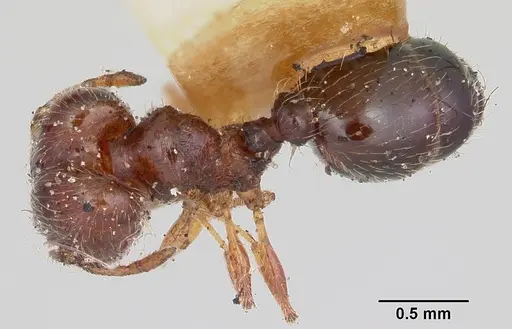
CASENT0103386
View on AntWeb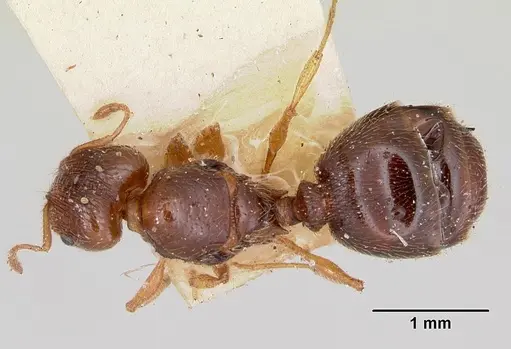
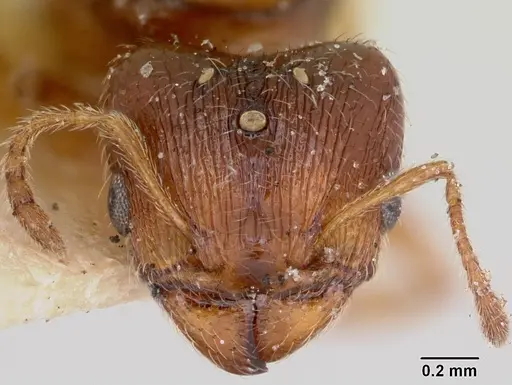
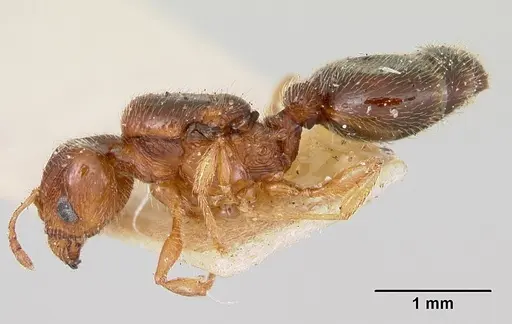
CASENT0103387
View on AntWeb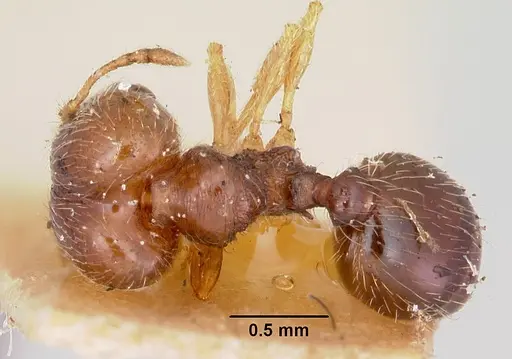
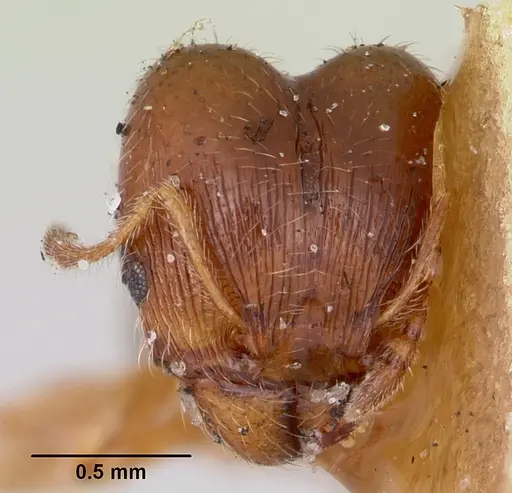
CASENT0103407
View on AntWeb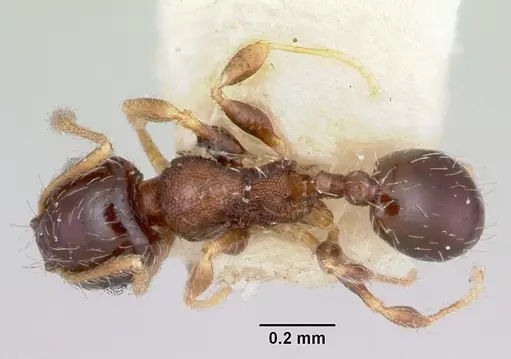
CASENT0104757
View on AntWeb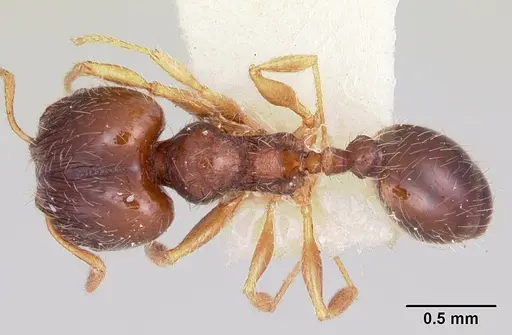
Literature
Loading distribution map...Loading products...