
Pheidole dasos
- Sci. Name
- Pheidole dasos
- Tribe
- Attini
- Subfamily
- Myrmicinae
- Author
- Salata & Fisher, 2020
- Distribution
- Found in 1 countries
Introduction
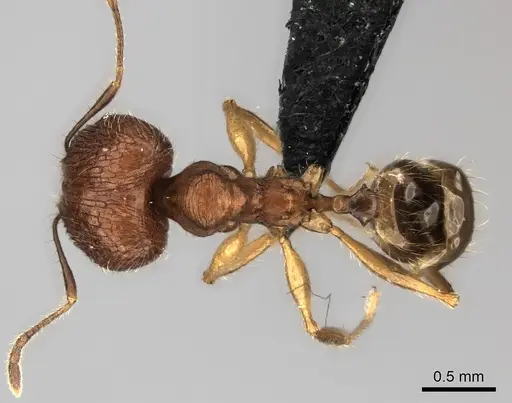
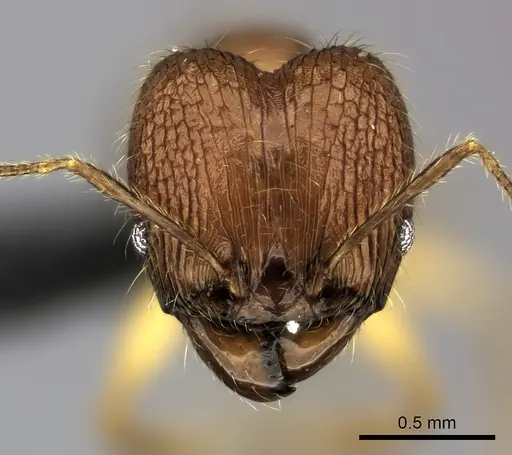
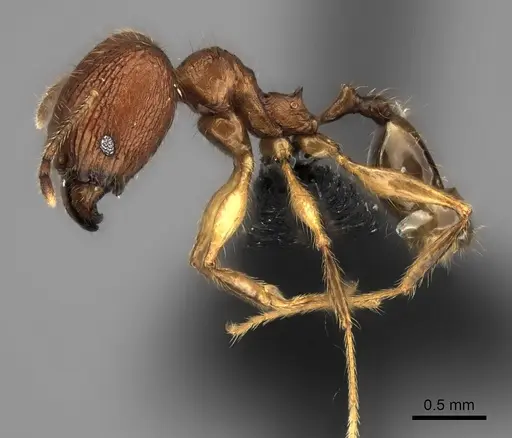
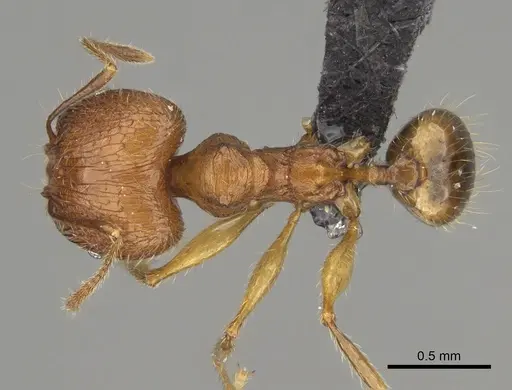
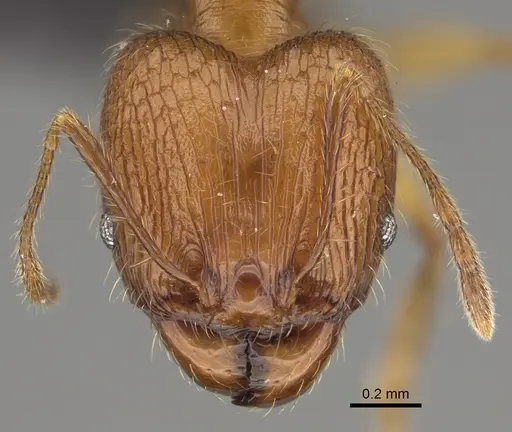
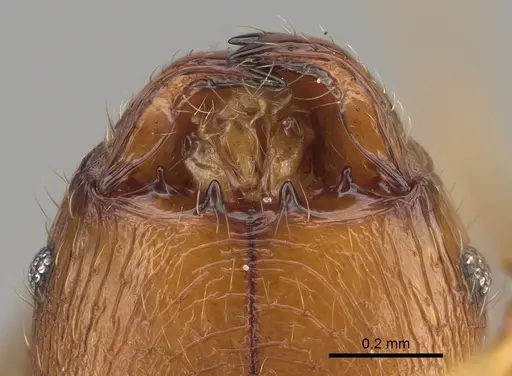
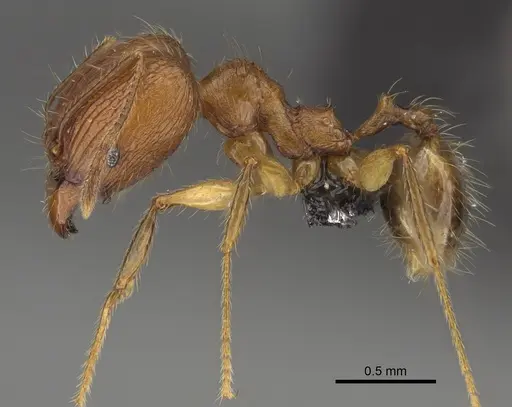
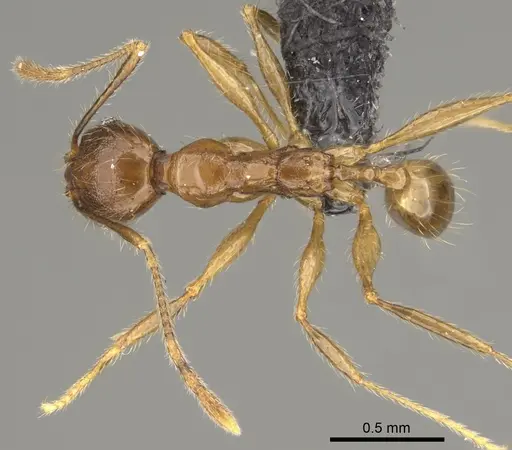
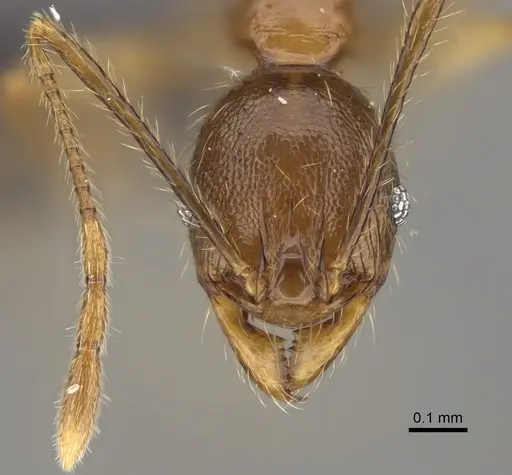
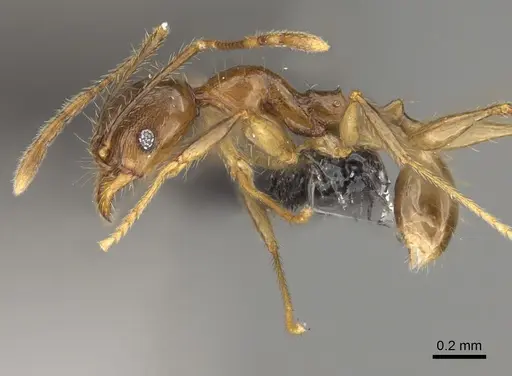
Pheidole dasos is a recently described ant species from the sikorae species group, discovered in the Makirovana forest of northern Madagascar. This is a moderately large Pheidole species with major workers orange and minor workers brown. The species name 'dasos' means 'forest' in Greek, reflecting its rainforest habitat . In the wild, these ants nest in rotten logs in lowland rainforest at elevations between 225-415 meters . Major workers have large heads typical of Pheidole, while minor workers are smaller. This species was formally described in 2020,so captive breeding information is limited.
Quick Summary
- Difficulty: Medium
- Origin & Habitat: Northern Madagascar, Antsiranana region, Makirovana forest. Lowland rainforest habitat at 225-415m elevation [1].
- Colony Type: Unconfirmed, no specific data on queen number or social structure
- Size & Growth:
- Queen: ~6-9mm, inferred from Pheidole genus patterns [2]
- Worker: ~2-5mm, inferred from Pheidole genus patterns [2]
- Colony: Up to a few thousand workers, estimated based on Pheidole genus patterns [2]
- Growth: Moderate, estimated based on genus patterns [2]
- Development: Estimated 6-8 weeks at 24-28°C [2] (Development time depends on temperature, warmer conditions speed up growth.)
- Antkeeping:
- Temperature: Keep warm, around 24-28°C, based on their tropical rainforest origin [1]
- Humidity: Keep nest substrate consistently moist but not waterlogged, based on rainforest habitat [1]
- Diapause: No, tropical species do not require winter diapause [2]
- Nesting: Prefer humid, organic materials like rotten logs, Y-tong or plaster nests work well [2]
- Behavior: Pheidole species are generally non-aggressive toward keepers but will defend their nest. Major workers have large mandibles for defense. Workers are active foragers, primarily at night. Escape risk is moderate due to small size, use Fluon barriers [2].
- Common Issues: limited species-specific data, this is a newly described species with no established captive protocols, high humidity requirements can lead to mold if ventilation is poor, tropical species may struggle if temperatures drop below 22°C, wild-caught colonies may carry parasites or diseases specific to their native habitat, small colony size initially means slow population growth
Housing and Nest Setup
Pheidole dasos requires high humidity and organic nesting materials. In their natural habitat, they nest in rotting logs within rainforest, so aim to replicate these conditions. Y-tong nests hold humidity well and provide dark chambers. Plaster nests with water reservoirs allow ants to self-regulate humidity. For a naturalistic setup, include pieces of rotting wood or cork bark. Ensure nests maintain consistent moisture without waterlogging. Use a test tube setup for founding colonies, transitioning to a proper nest once the colony reaches 20-30 workers [2].
Feeding and Diet
Pheidole dasos is omnivorous. Offer protein sources like small crickets, mealworms, or fruit flies 2-3 times per week. Provide carbohydrates with sugar water, honey, or ant jelly. Major workers can process small seeds, so offer millet or chia for enrichment. Remove uneaten food after 24-48 hours to prevent mold. Fresh water should always be available [2].
Temperature and Humidity Management
Maintain temperatures between 24-28°C using a heating cable on one side of the nest if needed. Place heating on top to avoid drying substrate. Humidity should stay high, monitor with a hygrometer and adjust ventilation to prevent mold while keeping moisture consistent [1][2].
Colony Development and Growth
First workers may emerge 6-8 weeks after egg-laying at optimal temperatures. Initial colonies grow slowly, accelerating once 20-30 workers are present. Major workers appear as the colony grows, serving as defenders and seed processors. Mature colonies can reach several hundred to a thousand workers over years [2].
Behavior and Observation
Workers are active foragers, primarily at night, and recruit nestmates to food via chemical trails. Major workers stay near the nest for defense. The species has a functional stinger, but it is less medically significant to humans than fire ants. Standard observation is easy as they forage openly [2].
Frequently Asked Questions
How long does it take for Pheidole dasos to produce first workers?
Based on typical Pheidole development, expect first workers approximately 6-8 weeks after egg-laying at 26°C [2].
What do Pheidole dasos ants eat?
They are omnivorous. Offer small insects for protein and sugar sources for carbohydrates. They will also accept small seeds [2].
What humidity level do Pheidole dasos need?
Keep humidity high with consistently moist nest substrate, based on their rainforest habitat [1].
Can I keep multiple Pheidole dasos queens together?
This has not been studied. Most Pheidole are single-queen colonies, and combining unrelated queens may lead to fighting [2].
What temperature is ideal for Pheidole dasos?
Maintain temperatures between 24-28°C, based on their tropical origin [1].
When should I move my colony to a formicarium?
Keep founding colonies in a test tube setup until they reach 20-30 workers or become crowded, then move to a proper nest [2].
Are Pheidole dasos good for beginners?
This species is moderate difficulty due to limited captive data and high humidity requirements [2].
Do Pheidole dasos need hibernation?
No, as a tropical species, they do not require diapause [2].
How big do Pheidole dasos colonies get?
Colony size is unknown, but based on Pheidole patterns, they can reach up to a few thousand workers [2].
What nest type is best for Pheidole dasos?
Choose nests that hold humidity well, such as Y-tong or plaster nests with water reservoirs [2].
Report an Issue
The current care sheet is based fully on literature. See inconsistencies, or something that's incorrect? Please , it will be resolved after review from an admin. Contributing to the blogs tab also helps providing information, to make us be able to further improve the caresheets. Thank you for your support!
References

This caresheet is licensed under CC BY-SA 4.0 .
Community Blogs
Literature
Loading distribution map...Loading products...