
Pheidole cryptocera
- Sci. Name
- Pheidole cryptocera
- Tribe
- Attini
- Subfamily
- Myrmicinae
- Author
- Emery, 1900
- Distribution
- Found in 3 countries
Introduction
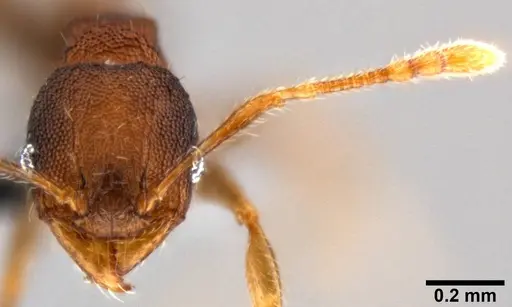
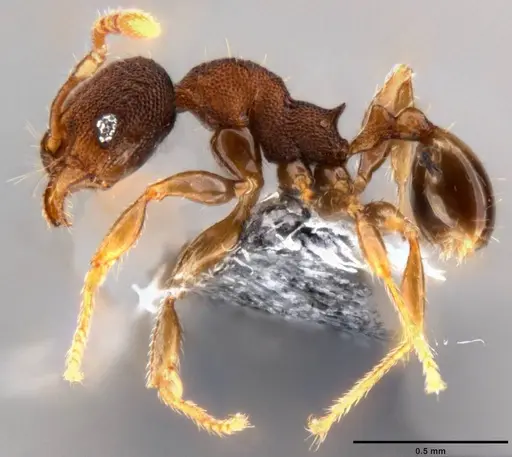
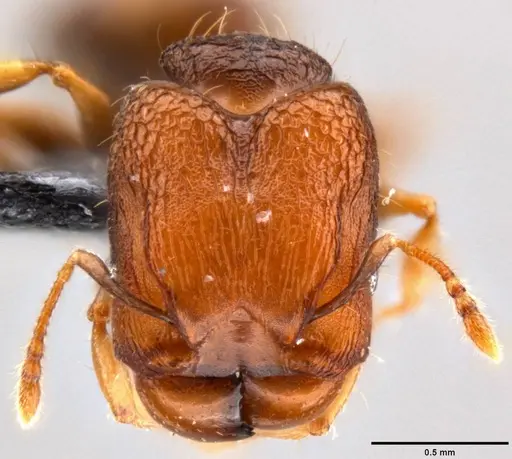
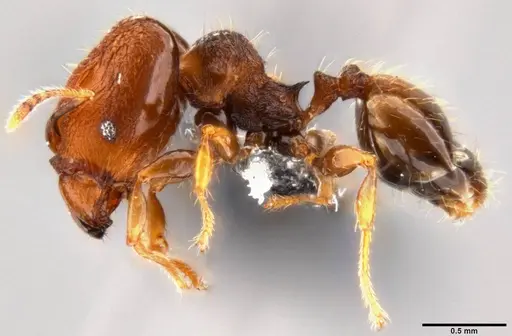
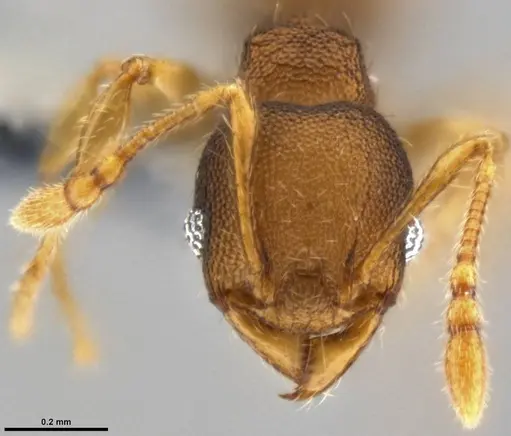
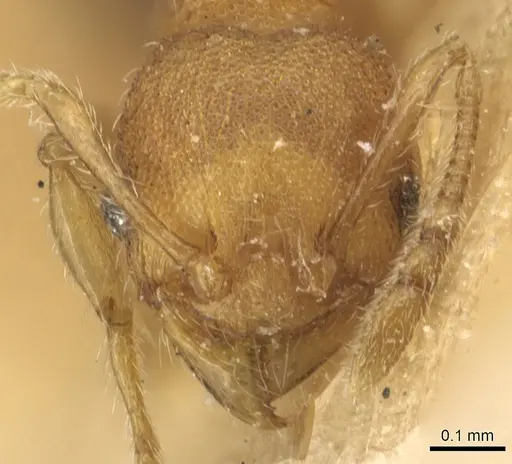
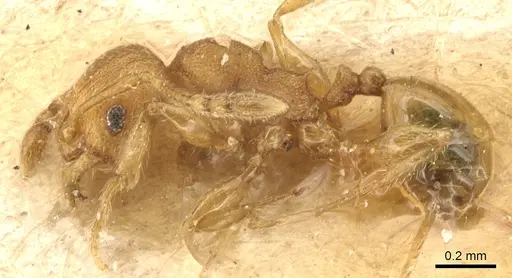
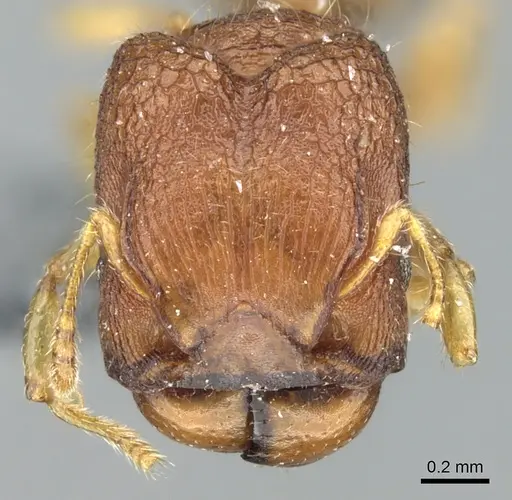
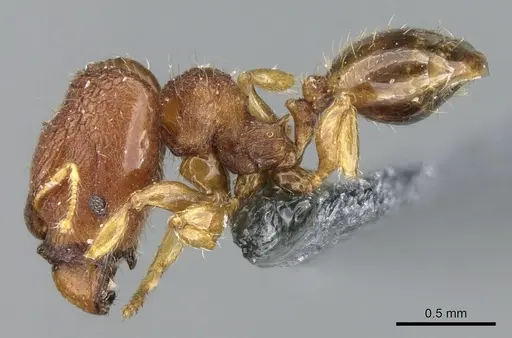
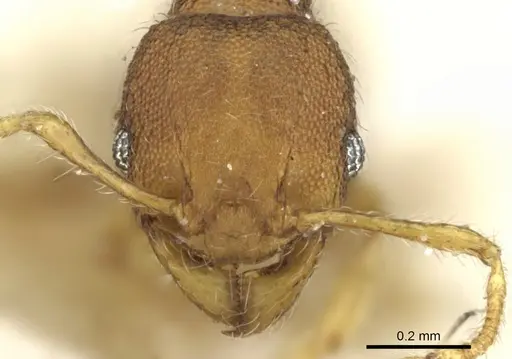
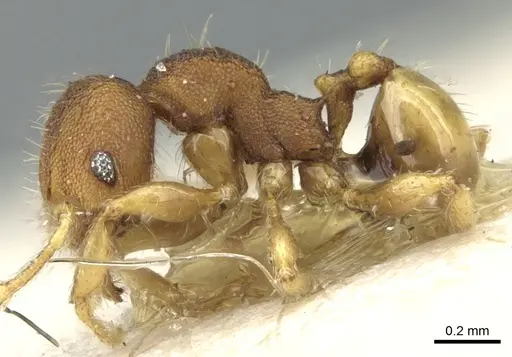
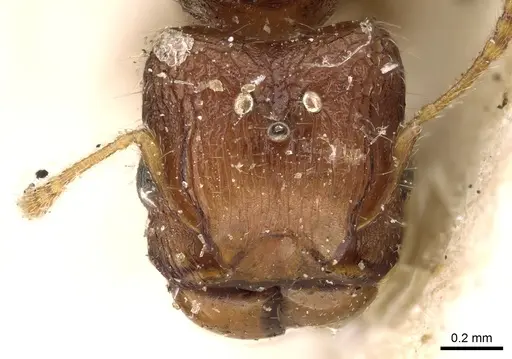
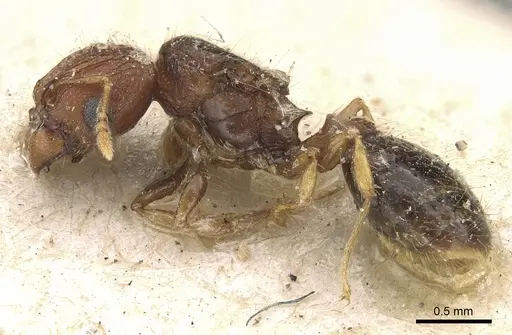
Pheidole cryptocera is a Neotropical big-headed ant species with characteristic worker dimorphism, featuring major and minor workers. Size data is unavailable for this species. It inhabits Neotropical regions, though specific range is not well documented. A distinctive feature is the mesosoma structure where the pro- and mesothorax are broadly fused with a strongly convex promesonotum, similar to Pheidole aberrans .
Quick Summary
- Difficulty: Easy
- Origin & Habitat: Neotropical region, specific range not well documented in available literature
- Colony Type: Unconfirmed, no specific data on queen number for this species.
- Size & Growth:
- Queen: Size data unavailable
- Worker: Size data unavailable
- Colony: Size data unavailable
- Growth: Moderate, inferred from Pheidole genus patterns
- Development: Estimated 6-8 weeks based on Pheidole genus patterns (Development time may vary with temperature.)
- Antkeeping:
- Temperature: Keep warm, roughly 24-28°C, based on Neotropical habitat.
- Humidity: Keep nest substrate consistently moist but not waterlogged.
- Diapause: No, tropical species do not require hibernation, based on Neotropical range.
- Nesting: In nature, they nest in soil and under stones. In captivity, use test tube setups for founding colonies. Once established, transition to Y-tong, plaster, or soil nests.
- Behavior: Defense mechanism is sting based on subfamily Myrmicinae, but no specific data on use. Generally calm and not aggressive toward keepers. Escape risk is moderate due to size, use standard barriers.
- Common Issues: colonies may decline if kept too cold, maintain temperatures above 24°C., overfeeding can lead to mold problems, remove uneaten food promptly., major workers can get stuck in narrow tubing if connections are too small., wild-caught colonies may contain parasites that can devastate captive colonies., queens may be rejected if introduced to established colonies, avoid combining unrelated queens.
Housing and Nest Setup
For founding colonies, a simple test tube setup works perfectly. Fill a test tube one-third with water, plug with a cotton ball, and place the queen in the tube. The queen will seal herself in a chamber and remain there while laying eggs and raising the first workers. Once you have a small number of workers, you can move them to a small formicarium. Pheidole cryptocera adapts well to various nest types including Y-tong nests, plaster nests, and naturalistic setups with soil. For naturalistic setups, use a mix of soil and sand as substrate and provide a shallow water dish in the outworld. Ensure the nest has some darkness, these ants prefer dim conditions for their nest chamber.
Feeding and Diet
Pheidole species are omnivorous and accept a varied diet. In captivity, offer protein sources such as small insects (fruit flies, pinhead crickets, mealworms), and provide seeds occasionally as major workers can process them. They also readily accept sugar sources like honey water or sugar water, though this should be offered in small amounts to prevent drowning. A typical feeding schedule is offering protein twice weekly and keeping a constant sugar water supply. Remove uneaten food after 24-48 hours to prevent mold. Fresh water should always be available in the outworld.
Temperature and Seasonal Care
As a Neotropical species, Pheidole cryptocera requires warm temperatures year-round. Maintain nest temperatures between 24-28°C. A heating cable placed on top of the nest can help maintain stable temperatures. Room temperature may be sufficient if your home stays in this range. Unlike temperate species, they do not require a winter diapause period. Sudden temperature drops below 20°C can stress colonies and slow brood development. Monitor colony activity, workers should be actively foraging and caring for brood. If they cluster together and show reduced activity, check if temperatures have dropped.
Colony Growth Expectations
Pheidole colonies can grow quite large, eventually reaching several thousand workers. Growth rate is moderate, expect the first nanitic workers within 6-8 weeks under optimal conditions. The colony will expand gradually over the first year, with major workers appearing as the colony grows larger. A healthy mature colony will have a continuous brood cycle with eggs, larvae, and pupae present year-round. Major workers become more prominent as the colony reaches several hundred workers, serving important roles in seed processing and colony defense.
Behavior and Handling
This species is generally peaceful and poses no real danger to keepers. Major workers have large heads but are not aggressive and rarely bite. If they do bite, the sensation is mild due to their small size. They are diurnal foragers that actively search for food throughout the day. Workers communicate through chemical trails and will quickly recruit nestmates to food discoveries. The escape risk is moderate, while not the smallest ants, they can squeeze through small gaps. Use standard barrier methods like Fluon on test tube rims and ensure all connections are secure. They do not exhibit any unusual defense mechanisms beyond mild biting.
Frequently Asked Questions
How long does it take for Pheidole cryptocera to raise first workers?
Based on Pheidole genus patterns, first workers may emerge in approximately 6-8 weeks after the queen lays eggs, assuming optimal temperatures around 24-28°C.
What do Pheidole cryptocera ants eat?
They are omnivorous. Offer protein like small insects (fruit flies, pinhead crickets, mealworms) twice weekly, seeds occasionally, and provide constant access to sugar water or honey water. Remove uneaten food after 24 hours.
What temperature do Pheidole cryptocera ants need?
Keep them warm at roughly 24-28°C year-round. As a Neotropical species, they do not require hibernation.
Are Pheidole cryptocera good for beginners?
Yes, they are considered easy to keep. They are peaceful, accept varied foods, and have straightforward temperature requirements. Their moderate growth rate also makes them manageable for new antkeepers.
How big do Pheidole cryptocera colonies get?
Size data is unavailable, but based on Pheidole genus patterns, colonies can grow to several thousand workers.
Can I keep multiple Pheidole cryptocera queens together?
This species is likely monogyne based on genus patterns, but unconfirmed. Combining unrelated queens is not recommended as they will likely fight.
When should I move Pheidole cryptocera to a formicarium?
Move them once you have a small number of workers and the test tube is becoming crowded. Make sure the formicarium has appropriately sized chambers and passages for their size.
Do Pheidole cryptocera need hibernation?
No, they do not require hibernation. As a Neotropical species, they need warm temperatures year-round.
Why are my Pheidole cryptocera workers dying?
Common causes include temperatures below 20°C, mold from overfeeding or poor ventilation, parasites from wild-caught colonies, or stress from frequent disturbances. Check temperature, remove uneaten food, and ensure adequate but not excessive humidity.
Report an Issue
The current care sheet is based fully on literature. See inconsistencies, or something that's incorrect? Please , it will be resolved after review from an admin. Contributing to the blogs tab also helps providing information, to make us be able to further improve the caresheets. Thank you for your support!
References

This caresheet is licensed under CC BY-SA 4.0 .
Community Blogs
CASENT0199118
View on AntWeb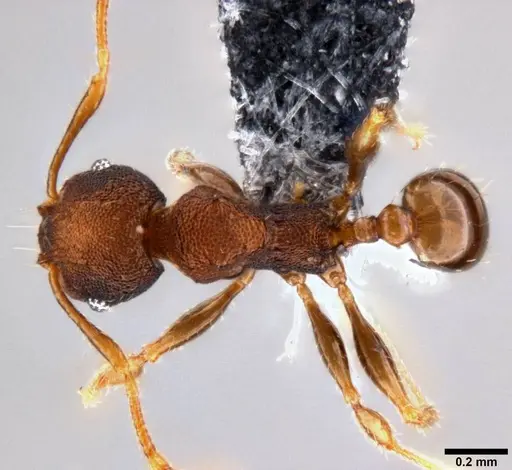
CASENT0199119
View on AntWeb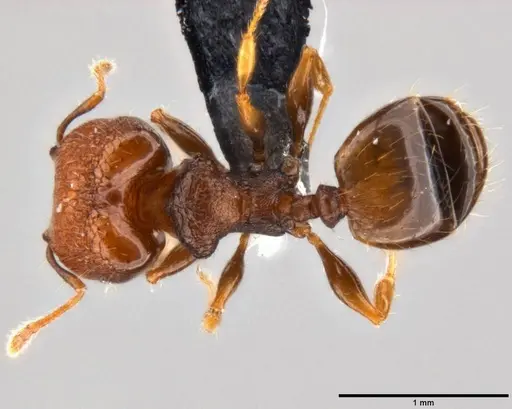
CASENT0219509
View on AntWeb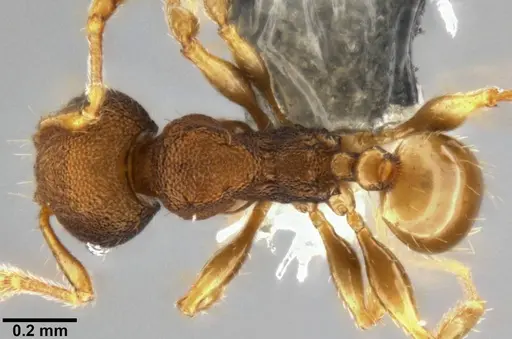
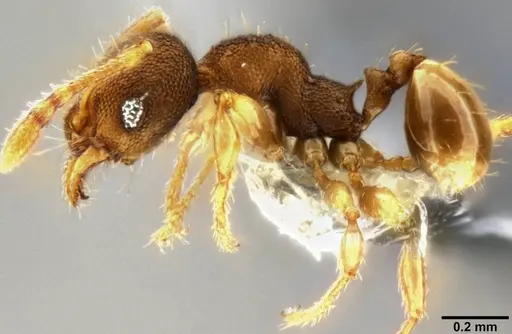
CASENT0904286
View on AntWeb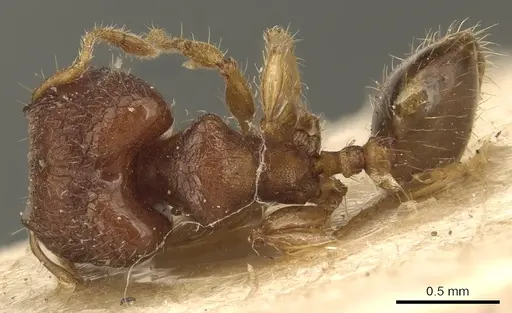
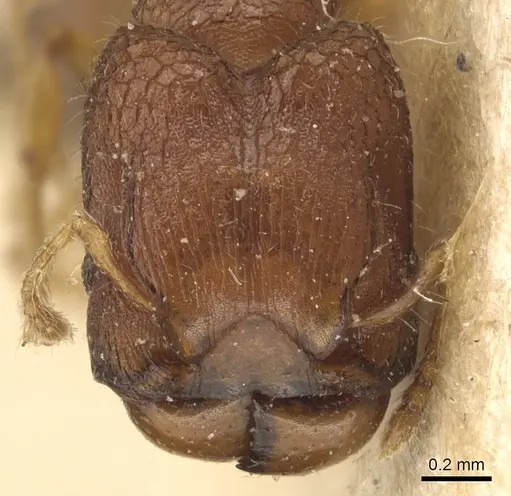
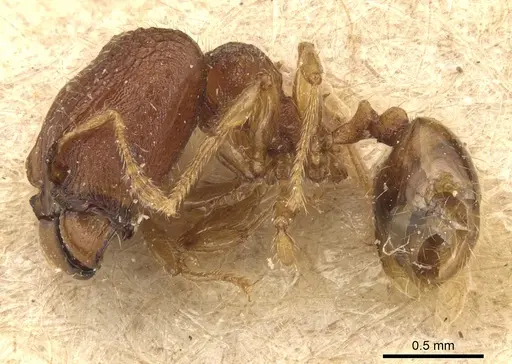
CASENT0904287
View on AntWeb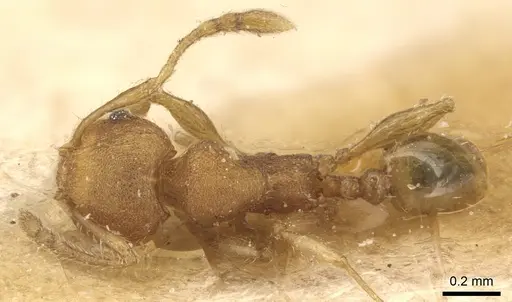
CASENT0906635
View on AntWeb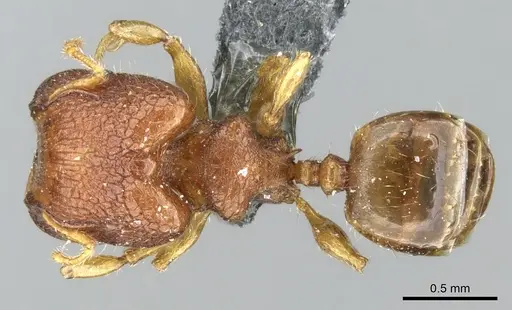
CASENT0906636
View on AntWeb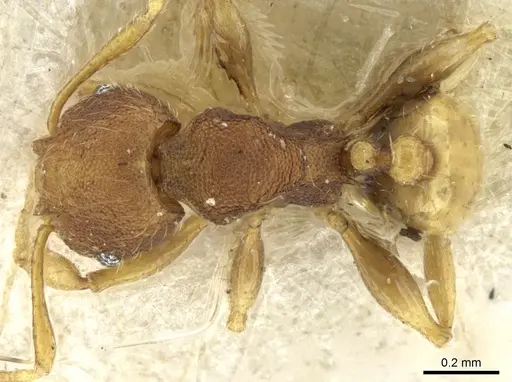
CASENT0906643
View on AntWeb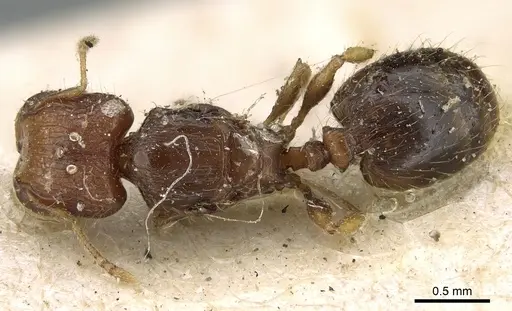
Literature
Loading distribution map...Loading products...