
Thick-node House ant
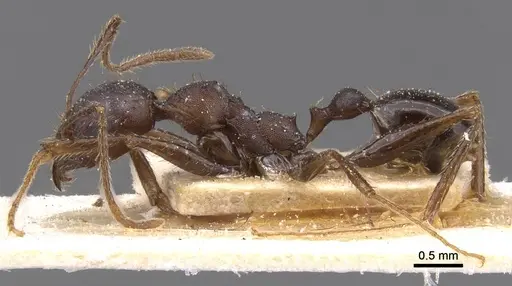
Pheidole crassinoda
- Sci. Name
- Pheidole crassinoda
- Tribe
- Attini
- Subfamily
- Myrmicinae
- Author
- Emery, 1895
- Common Name
- Thick-node House ant
- Distribution
- Found in 9 countries
Introduction
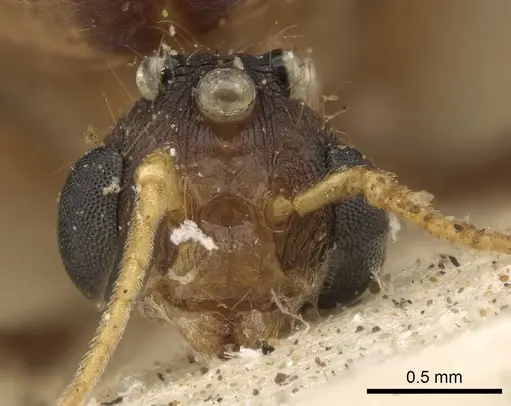
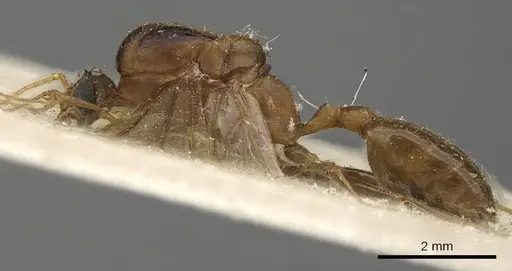
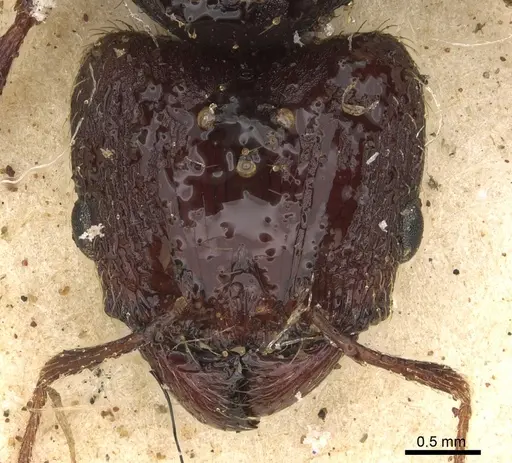
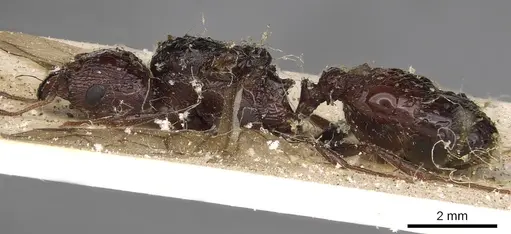
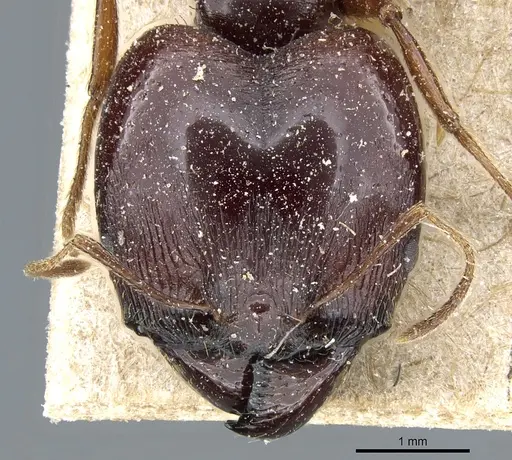
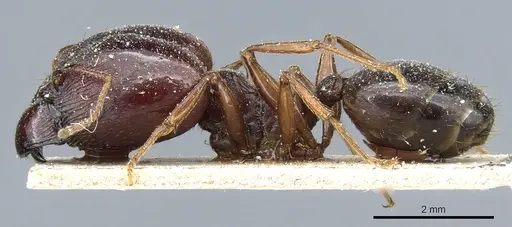
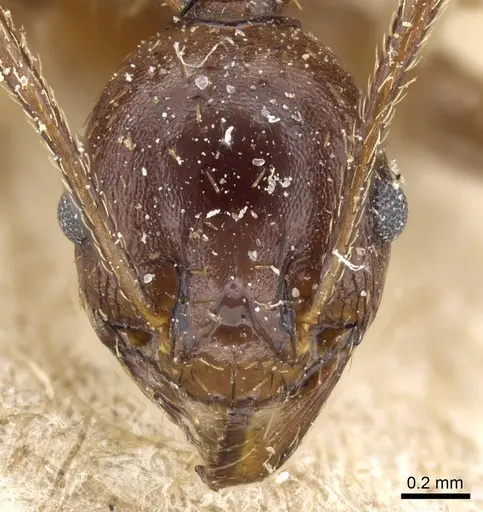
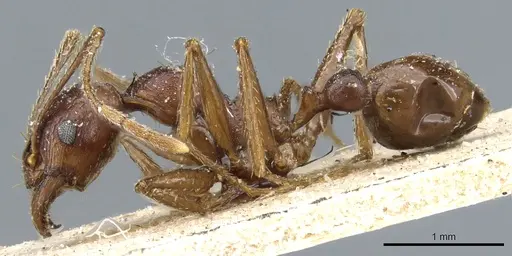
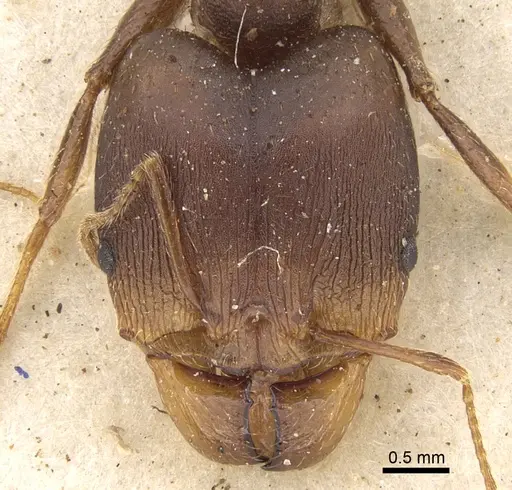
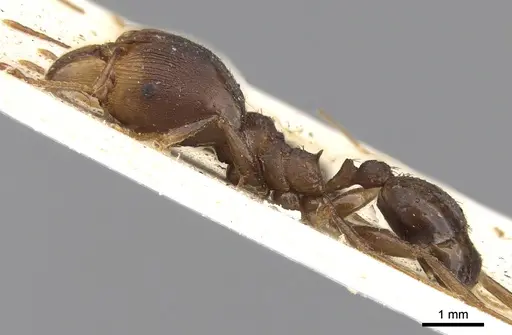
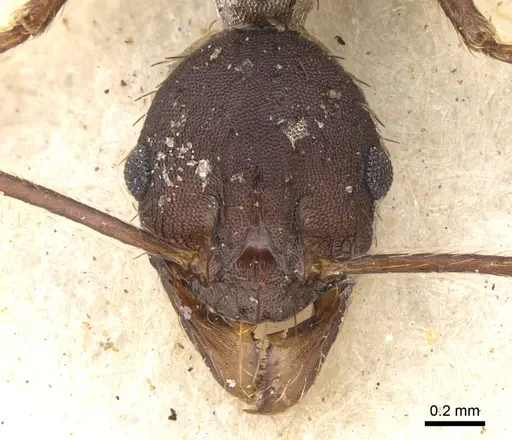
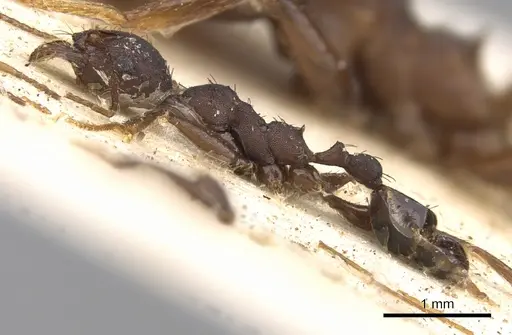
Pheidole crassinoda is an ant species native to the Afrotropical region, found in countries including South Africa, Kenya, Uganda, Nigeria, Botswana, and Namibia . They have two worker castes: minor workers and major workers (soldiers) with larger heads specialized for seed processing. This species belongs to the speculifera group and inhabits woodland habitats and sugar cane plantations, nesting in soil under logs or in clay banks . Size data for this species is unavailable.
Quick Summary
- Difficulty: Easy
- Origin & Habitat: Afrotropical region, woodland habitats and sugar cane plantations across southern and eastern Africa [1]. Nests in soil at clay banks and under logs [1].
- Colony Type: Unconfirmed, no specific literature on queen number for this species.
- Size & Growth:
- Queen: Size data unavailable, inferred from Pheidole genus (~8-10 mm)
- Worker: Minor workers ~2-3 mm, major workers ~4-6 mm, inferred from Pheidole genus
- Colony: Up to several hundred workers, estimated based on typical Pheidole colonies
- Growth: Moderate
- Development: Estimated 6-8 weeks, inferred from related Pheidole species (Development time is temperature-dependent, warmer conditions accelerate growth)
- Antkeeping:
- Temperature: Keep at 22-26°C, inferred from Afrotropical species preferences
- Humidity: Keep nest substrate slightly moist but not waterlogged, based on woodland habitat [1]
- Diapause: No, inferred from warm climate
- Nesting: Will accept test tubes, Y-tong (AAC), plaster nests, or soil-based setups, based on AntWiki info [1]
- Behavior: Generally peaceful and not aggressive toward keepers. Major workers use large heads for seed processing and defense, but are not highly aggressive. Foragers are active and explore outworlds. Escape risk is moderate for their size.
- Common Issues: colonies can stall if temperatures drop too low, keep warm, overwatering can cause mold in nest substrate, slow initial founding phase is normal, queens may seal themselves in for weeks, seed-eating species need grit or small particles in diet to process hard seeds
Housing and Nest Setup
Pheidole crassinoda adapts to various captive setups. Test tube setups work for founding colonies, provide a water-filled portion sealed with a cotton plug, and the queen may seal herself in the dry end. Once the colony reaches 20-30 workers, transition to a formicarium. Y-tong (AAC) nests are excellent for humidity control and dark chambers. Plaster nests or soil-based setups also work, as this species naturally nests in soil [1]. For the outworld, use a standard container with a water station and feeding dish. Escape prevention is moderate for their size.
Feeding and Diet
Pheidole crassinoda feeds on seeds, insects, and sugar sources. Offer seeds (millet, chia, cracked sunflower) constantly, protein (fruit flies, small crickets) 2-3 times weekly, and sugar water or honey occasionally. Major workers crack seeds, so provide harder seeds for enrichment. Remove uneaten food to prevent mold. [1]
Temperature and Heating
Keep temperatures at 22-26°C, as inferred from Afrotropical species preferences. Room temperature is typically adequate. If cooler, use a heating cable on one side of the nest to create a gradient. Stable warmth is important, as prolonged cold can stress colonies.
Colony Development and Growth
After claustral founding (if confirmed), the queen lays eggs and tends them. First workers emerge in 6-8 weeks under warm conditions. Colony growth is moderate, with population doubling every few months. Major workers appear when the colony has 50+ workers. Colony size stabilizes at several hundred workers.
Behavior and Temperament
This species is calm and manageable. Major workers may display by raising heads but rarely bite. Workers forage actively and use chemical trails. They are diurnal to crepuscular. Escape risk is moderate, standard barriers work. [1]
Frequently Asked Questions
How long does it take for Pheidole crassinoda to produce first workers?
Expect first workers in 6-8 weeks after egg laying, assuming warm temperatures. Cooler conditions slow development. The queen may be claustral, sealing herself in to raise the first brood.
What do Pheidole crassinoda ants eat?
They eat seeds, small insects, and sugar sources. Offer a seed mix constantly, protein 2-3 times weekly, and sugar water occasionally [1].
What temperature do Pheidole crassinoda need?
Keep them at 22-26°C. Room temperature is typically ideal, as they are from warm African climates.
Are Pheidole crassinoda good for beginners?
Yes, they are hardy, adaptable, and peaceful, making them suitable for new antkeepers.
How big do Pheidole crassinoda colonies get?
Mature colonies can reach up to several hundred workers, but exact size varies.
Do Pheidole crassinoda need hibernation?
No, as an Afrotropical species, they do not require hibernation. Maintain stable room temperature year-round.
When should I move my colony to a formicarium?
Move once the colony reaches 20-40 workers, when the test tube becomes crowded or condensation increases. Use Y-tong or plaster nests.
Can I keep multiple Pheidole crassinoda queens together?
This species is likely monogyne, but unconfirmed. Combining unrelated queens is not recommended, as they may fight.
Why are my Pheidole crassinoda dying?
Common causes include temperatures too cold, mold from overwet substrate, starvation, or stress during founding. Check temperature first.
Report an Issue
The current care sheet is based fully on literature. See inconsistencies, or something that's incorrect? Please , it will be resolved after review from an admin. Contributing to the blogs tab also helps providing information, to make us be able to further improve the caresheets. Thank you for your support!
References

This caresheet is licensed under CC BY-SA 4.0 .
Community Blogs
CASENT0217095
View on AntWeb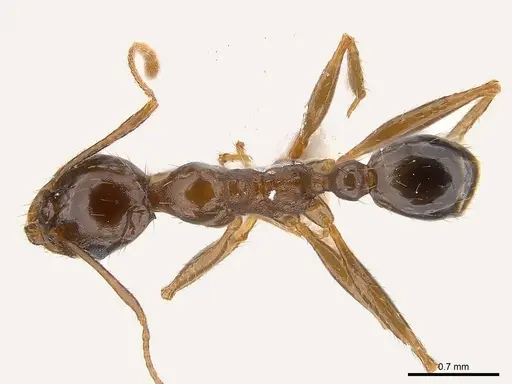
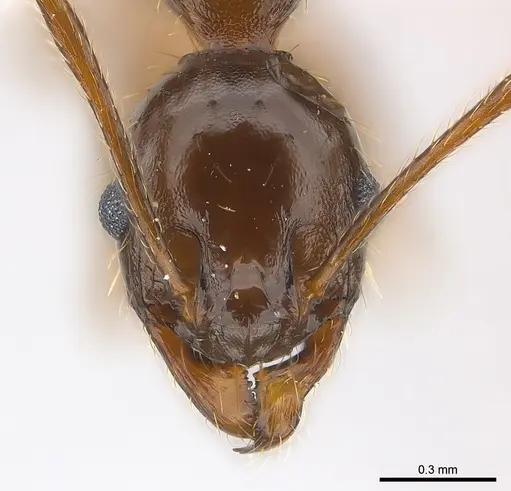
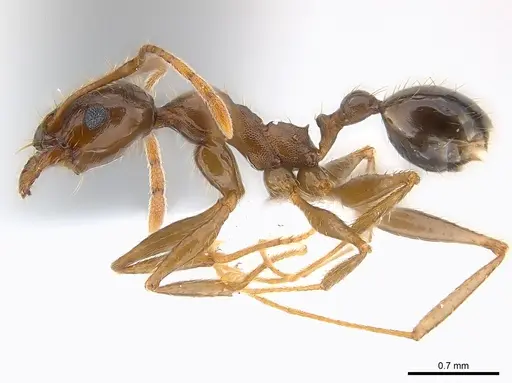
CASENT0217096
View on AntWeb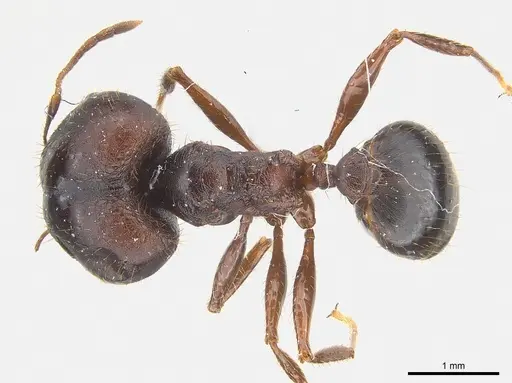
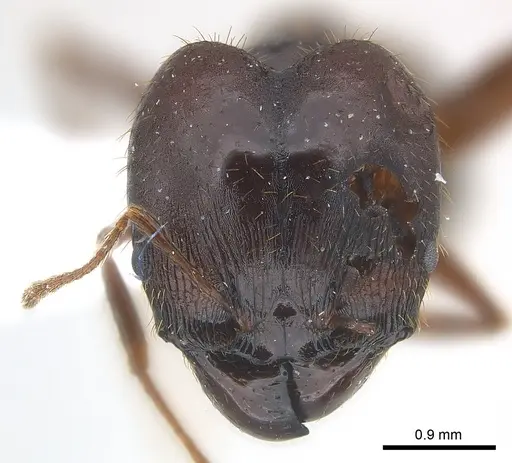
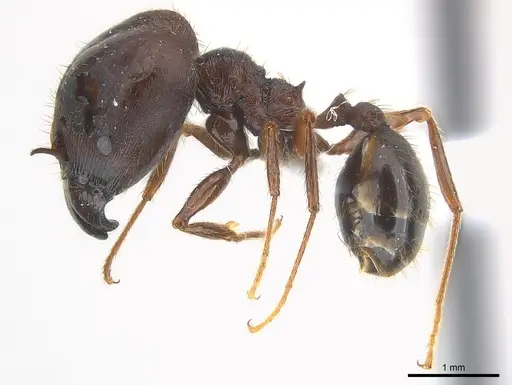
CASENT0281183
View on AntWeb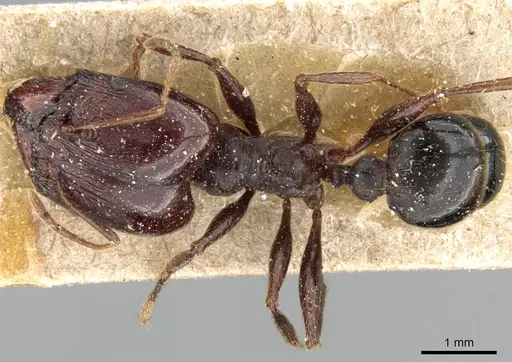
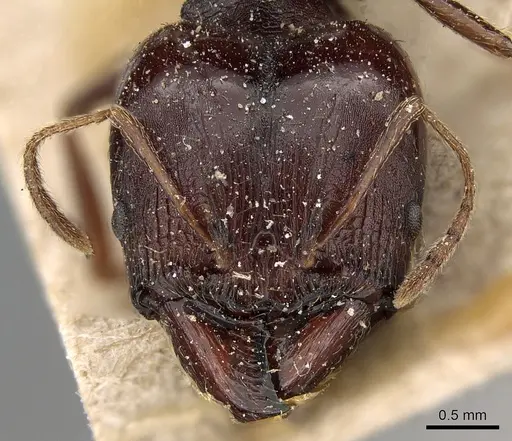
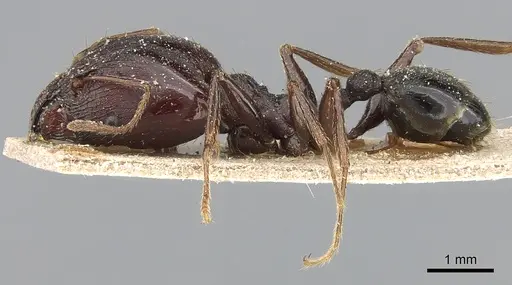
CASENT0281184
View on AntWeb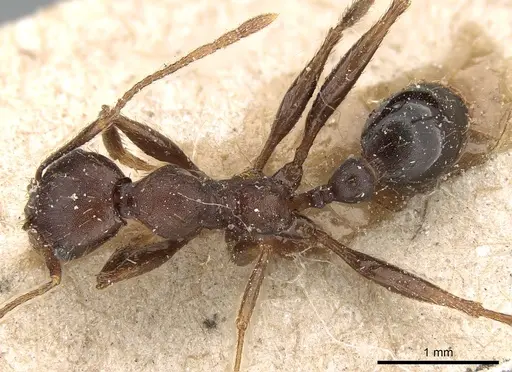
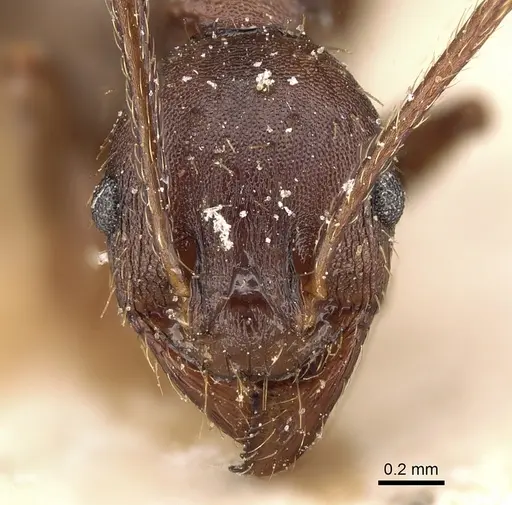
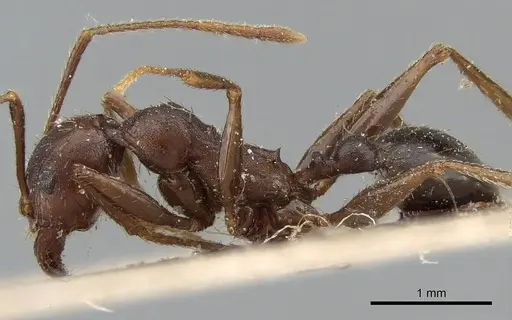
CASENT0901273
View on AntWeb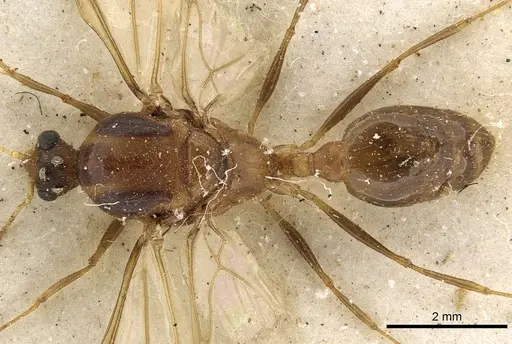
CASENT0901274
View on AntWeb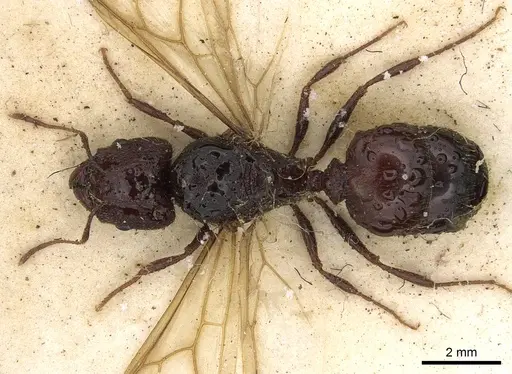
CASENT0904212
View on AntWeb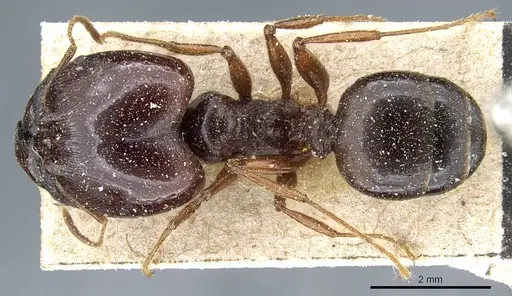
CASENT0904213
View on AntWeb
CASENT0906526
View on AntWeb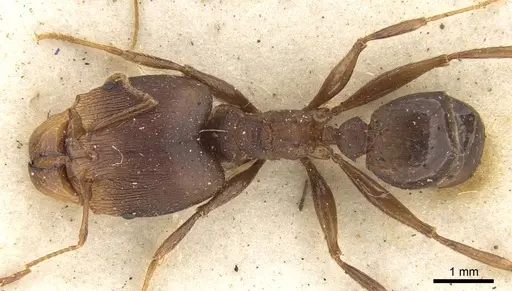
CASENT0906527
View on AntWeb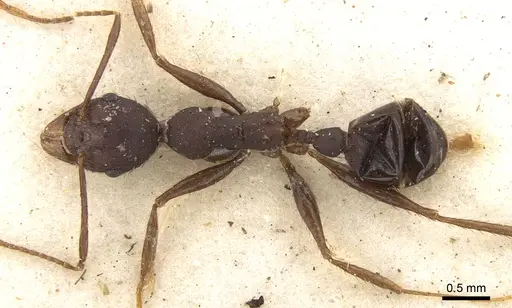
CASENT0913296
View on AntWeb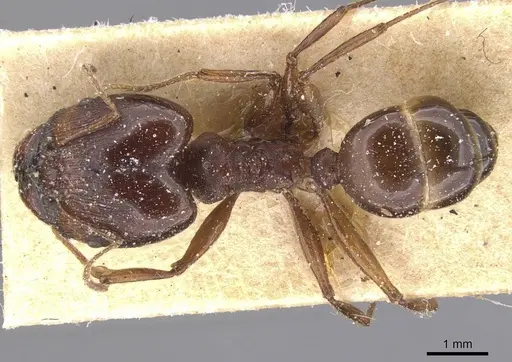
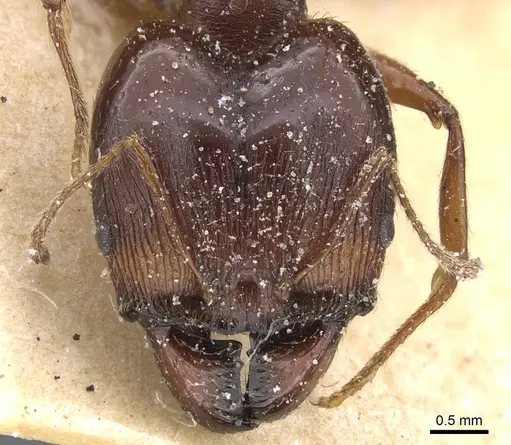
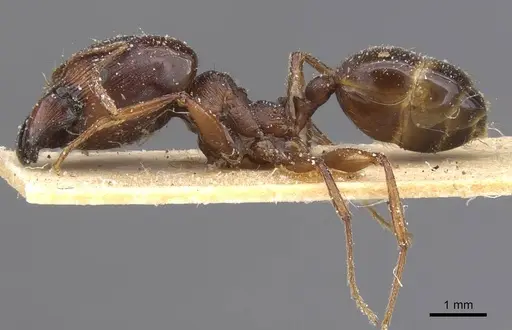
CASENT0913297
View on AntWeb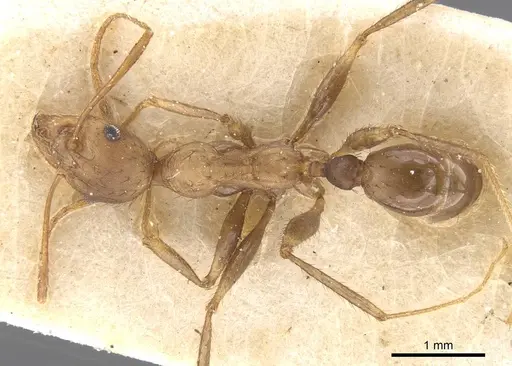
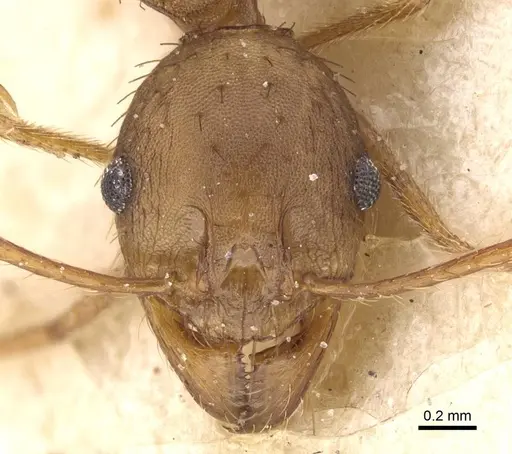
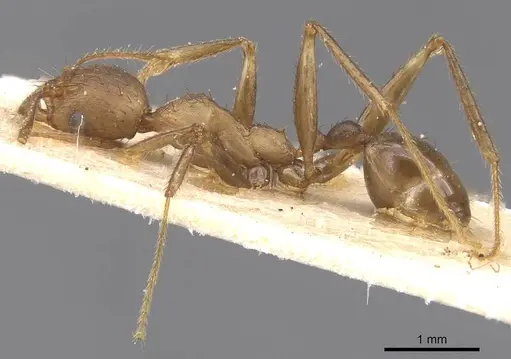
CASENT0913298
View on AntWeb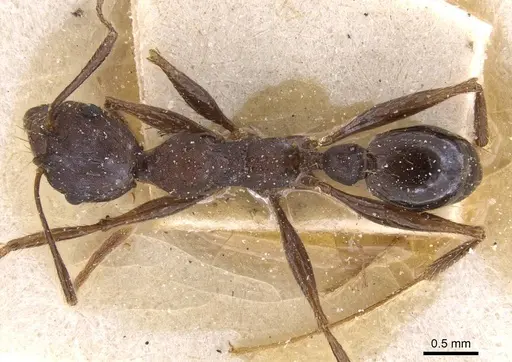
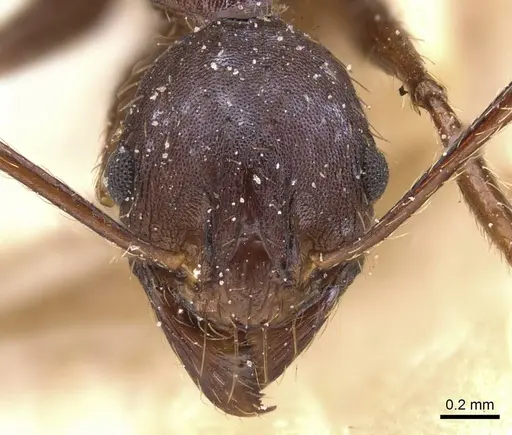
Literature
Loading distribution map...Loading products...