
Thick-horned Big-headed Ant
Pheidole crassicornis
- Sci. Name
- Pheidole crassicornis
- Tribe
- Attini
- Subfamily
- Myrmicinae
- Author
- Emery, 1895
- Common Name
- Thick-horned Big-headed Ant
- Distribution
- Found in 2 countries
Introduction
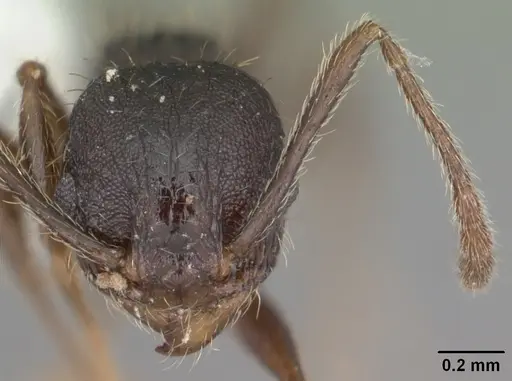
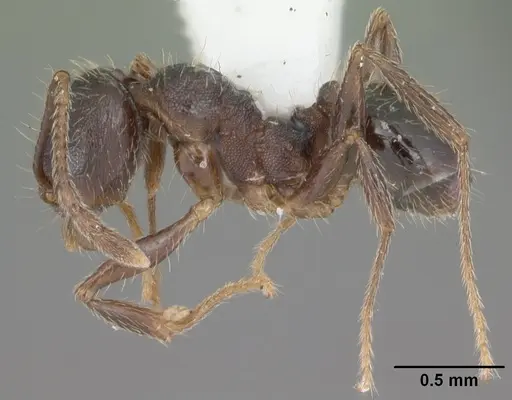
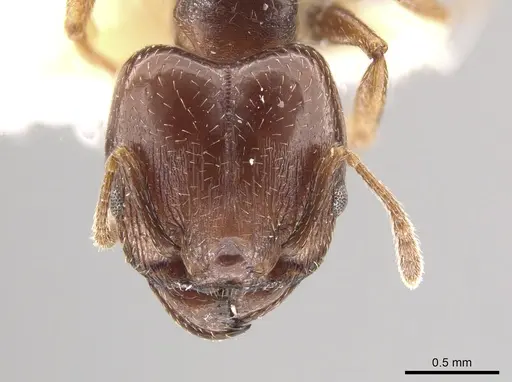
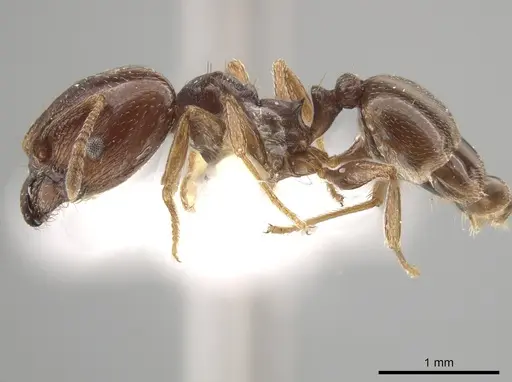
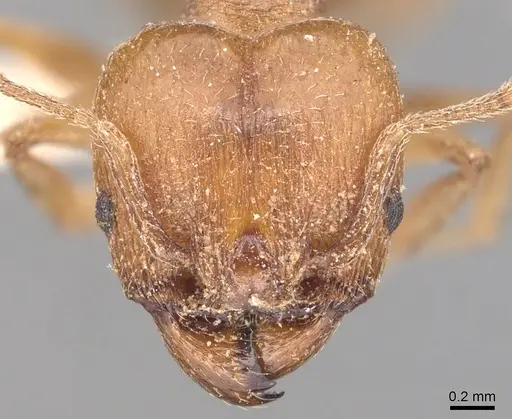
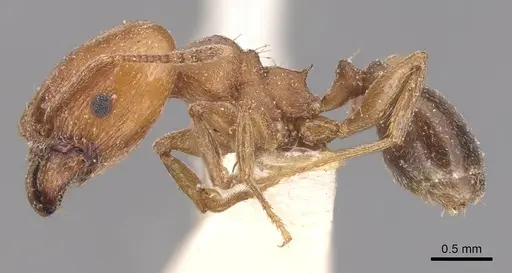
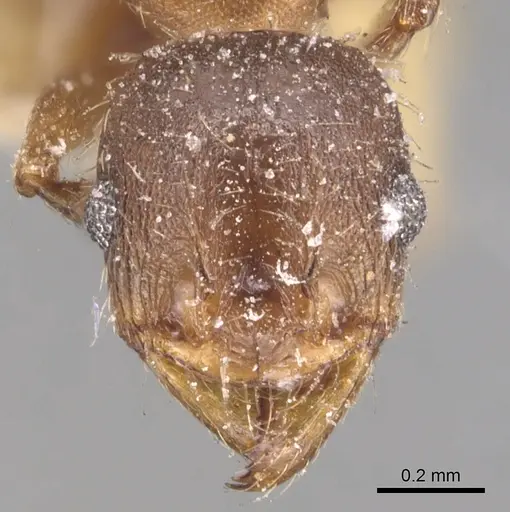
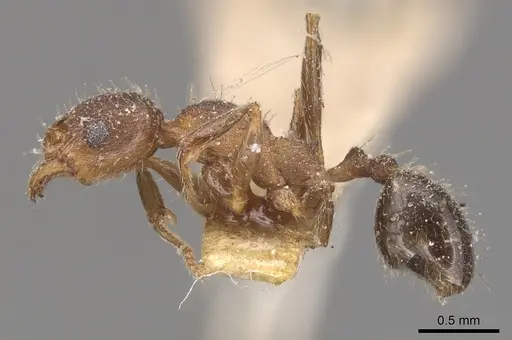
Pheidole crassicornis is a small North American ant species found from North Carolina south to northern Florida and west to western Texas, with populations also in northeastern Mexico . It has a distinct two-worker caste system: minor workers are extremely tiny (head width ~0.62 mm) and major workers are also small (head width ~1.30 mm), both with a brownish‑yellow color . Unlike many soil‑nesting ants, this species does not build visible crater mounds; instead it digs inconspicuous nest openings leading to vertical galleries at least 60 cm deep . Workers forage up to 4 m from the nest, hunting live termites and collecting small dead arthropods . An unusual trait for a Pheidole: field studies show it does not actively remove or disperse seeds from depots .
Quick Summary
- Difficulty: Medium
- Origin & Habitat: Eastern and central United States (North Carolina to Florida to Texas) and northeastern Mexico (Tamaulipas, Sinaloa) [1][3][6]. Found in forest clearings with deep soil, under stones in western Texas, and a variety of habitats including pine woodland, deciduous forests, swamps, grasslands, and maritime forest [7][4].
- Colony Type: Single‑queen colonies (monogyne) with a strongly polymorphic worker caste: both minor workers and major soldiers are produced [8].
- Size & Growth:
- Queen: Size data unavailable (exact total length not documented in literature)
- Worker: Minors are very small (head width ~0.62 mm), majors are also small (head width ~1.30 mm). No total length data available [4].
- Colony: Likely up to a few hundred workers (estimated from typical Pheidole patterns)
- Growth: Moderate
- Development: 6–8 weeks (estimated based on typical Pheidole development at room temperature) (No species‑specific development data available.)
- Antkeeping:
- Temperature: 20–25 °C (room temperature) – matches the temperate to warm climates across its range [1][7].
- Humidity: Provide stable, moderate substrate moisture. Mimic deep soil conditions: keep the nesting area damp but not waterlogged [4].
- Diapause: Yes, recommended. It is found at elevations up to 1700 m in Texas and as far north as North Carolina, indicating a winter rest period is natural. Provide 2–3 months at 10–15 °C during winter (inferred from geographic range) [1].
- Nesting: Deep‑nesting species requiring vertical space. Start with a test‑tube setup, once the colony grows, transfer to a formicarium with at least 10–15 cm of soil or a Y‑tong nest with deep chambers. Prefers hidden, inconspicuous entrances [4].
- Behavior: Workers forage individually up to 4 m from the nest, hunting live termites and small arthropods. They are not aggressive toward keepers but may sting if handled. Majors defend the colony. Minors are extremely tiny, making escape prevention critical. They are granivorous but do not actively remove seeds from depots [5][9][10].
- Common Issues: escape prevention is critical due to extremely small minor workers – use mesh with 0.5 mm openings or smaller., deep‑nesting requirement means shallow nests will not satisfy natural tunneling behavior., founding phase may be slow, if the queen is claustral (typical for Pheidole, though unconfirmed for this species) she needs a peaceful, undisturbed start., may be displaced by invasive fire ants (Solenopsis invicta) – avoid keeping near areas with fire ant infestations [9][10]., humidity must not be too low – maintain stable moderate moisture to mimic deep soil habitat.
Nest Preferences and Housing
Pheidole crassicornis naturally builds vertical galleries at least 60 cm deep into the soil, with inconspicuous openings that lack the typical crater mounds of other Pheidole [4]. In captivity, you need to provide deep substrate or a vertical nest. Start with a test‑tube setup for the founding phase – the queen will seal herself in and raise her first brood, a behavior believed to be claustral (common in Pheidole, though not confirmed for this species). Once the colony reaches about 20–30 workers, move them to a formicarium with at least 10–15 cm of soil or a Y‑tong nest with chambers deep enough to mimic natural tunnels. They prefer snug, defendable spaces, so avoid large open arenas. A naturalistic setup with deep soil allows you to watch their tunneling behavior.
Feeding and Diet
In the wild, minors hunt live termites and collect small dead arthropods, making them primarily predatory [4]. They are also granivorous but do NOT actively remove seeds from depots [5][9]. They are attracted to tuna bait, suggesting they accept fish or other protein‑rich foods [10]. In captivity, offer small live prey like fruit flies, pinhead crickets, or mealworm pieces. Protein should be the main diet, sugar water or honey can be offered occasionally. Feed 2–3 times per week in small amounts, removing uneaten prey after 24 hours to prevent mold.
Temperature and Seasonal Care
Keep your colony at room temperature, ideally 20–25 °C, which matches their natural temperate to warm range [1][7]. During summer, room temperature is usually sufficient. In winter, provide a diapause period of 2–3 months at 10–15 °C. This species is found at elevations up to 1700 m in western Texas and as far north as North Carolina, so they are adapted to cold winters. Watch for signs of stress: if workers cluster excessively, they may need warmer conditions, if they become sluggish, temperatures may be too low.
Behavior and Colony Structure
Pheidole crassicornis has a strongly polymorphic worker caste – you will see both tiny minor workers and larger major soldiers [8]. Workers forage individually, searching up to 4 m from the nest for live termites and small arthropods [4]. They are not aggressive toward keepers but will sting if handled. The colony starts with a single queen (monogyne) [8]. Founding behavior is unconfirmed but is believed to be claustral based on the typical Pheidole pattern. Once workers appear, they take over foraging and brood care. Majors appear once the colony reaches moderate size, usually after several months of growth.
Frequently Asked Questions
Can I keep Pheidole crassicornis in a test tube?
Yes, you can start them in a test tube for the founding phase. The queen will seal herself in and raise her first brood – likely without feeding (claustral behavior typical for Pheidole, though unconfirmed for this species). Once the colony reaches 20–30 workers, move them to a formicarium with deep soil or a Y‑tong nest, as they need vertical space for tunneling.
How long until first workers appear?
Expect first workers after 6–8 weeks at room temperature (20–25 °C). This is an estimate based on typical Pheidole development. No species‑specific timing studies exist for Pheidole crassicornis.
What do Pheidole crassicornis eat?
They are primarily predatory, hunting live termites and small arthropods. In captivity, feed small insects like fruit flies, pinhead crickets, or mealworms. They are also attracted to tuna bait [10]. Offer sugar water occasionally, but make protein the main food source.
Are Pheidole crassicornis good for beginners?
This species can be kept by beginners with some experience. The main challenges are providing a deep nest and escape‑proofing due to the extremely small minors. But they are not aggressive and their single‑queen colony structure is straightforward [8].
Do Pheidole crassicornis need hibernation?
Yes, a winter diapause is recommended. They occur as far north as North Carolina and at elevations up to 1700 m in Texas, so they are adapted to seasonal temperature changes. Provide 2–3 months at 10–15 °C during winter [1].
Why are my Pheidole crassicornis escaping?
Minor workers are extremely tiny (head width ~0.62 mm) and can slip through standard mesh and gaps in lid seals. Use mesh with 0.5 mm openings or smaller, and apply a fluon barrier to the rim of your formicarium.
Can I keep multiple queens together?
No, this is a monogyne species with a single queen per colony [8]. Unlike some Pheidole that are polygynous, Pheidole crassicornis colonies have only one reproductive queen. Multiple foundresses will fight.
When should I move to a formicarium?
Move from the test tube to a formicarium once the colony reaches 20–30 workers. They need deep soil or appropriately sized chambers to exhibit their natural tunneling behavior. A Y‑tong nest or a setup with at least 10–15 cm of substrate works best.
Do they remove seeds like other Pheidole?
No, field studies show that Pheidole crassicornis does NOT actively remove or disperse seeds from depots [5]. They may consume seeds opportunistically but are primarily predatory on small arthropods.
Report an Issue
The current care sheet is based fully on literature. See inconsistencies, or something that's incorrect? Please , it will be resolved after review from an admin. Contributing to the blogs tab also helps providing information, to make us be able to further improve the caresheets. Thank you for your support!
References

This caresheet is licensed under CC BY-SA 4.0 .
Community Blogs
CASENT0000190
View on AntWeb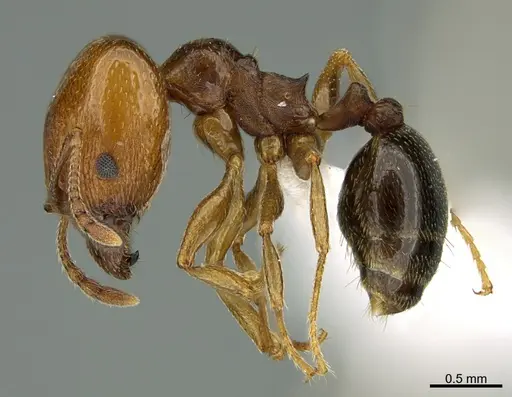
CASENT0104291
View on AntWeb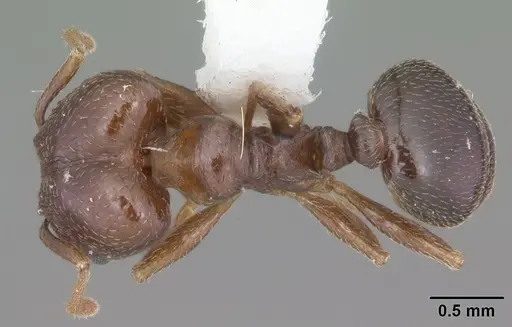
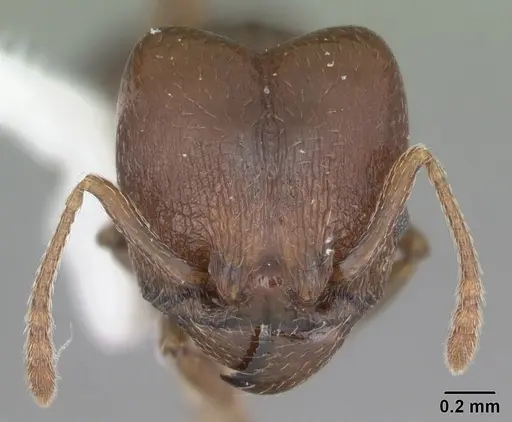
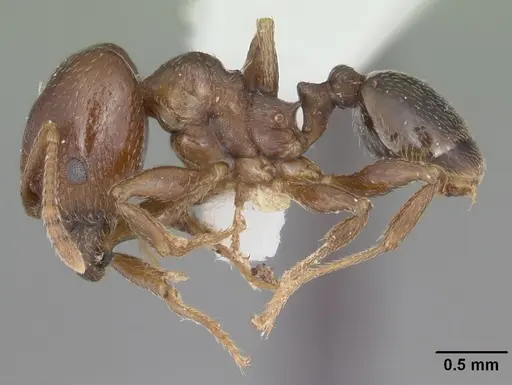
CASENT0104292
View on AntWeb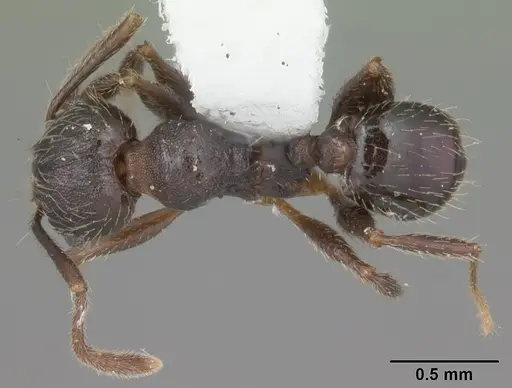
CASENT0635945
View on AntWeb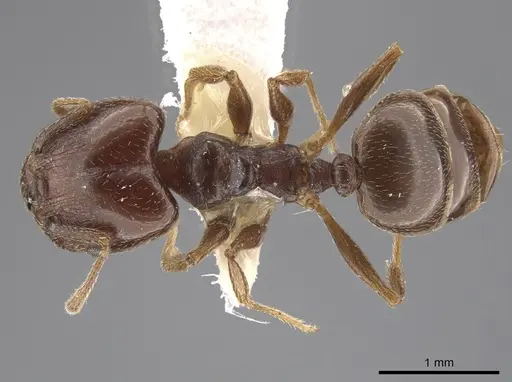
CASENT0904432
View on AntWeb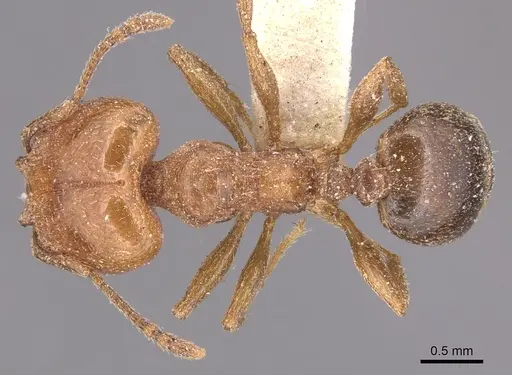
CASENT0904433
View on AntWeb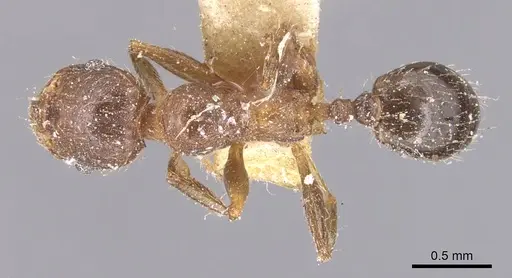
Literature
Loading distribution map...Loading products...