
Pheidole colpigaleata
- Sci. Name
- Pheidole colpigaleata
- Tribe
- Attini
- Subfamily
- Myrmicinae
- Author
- Eguchi, 2006
- Distribution
- Found in 1 countries
Introduction
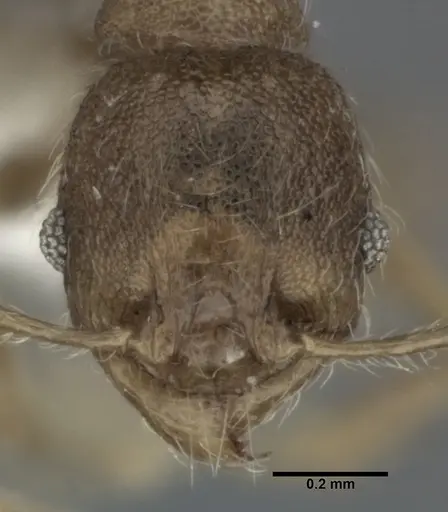
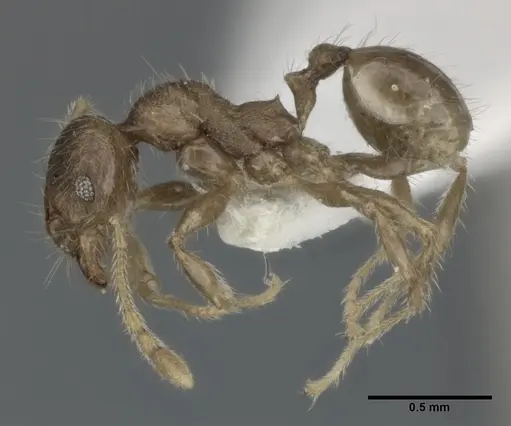
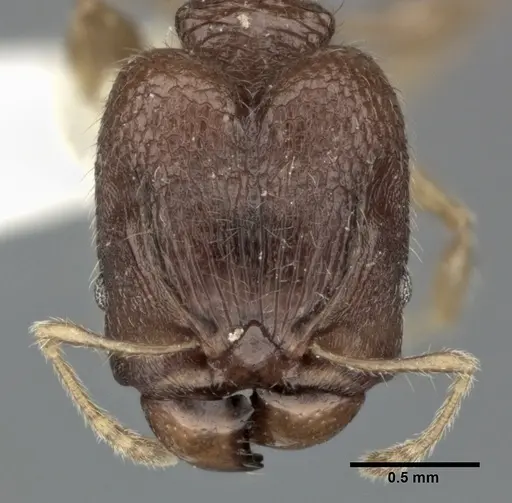
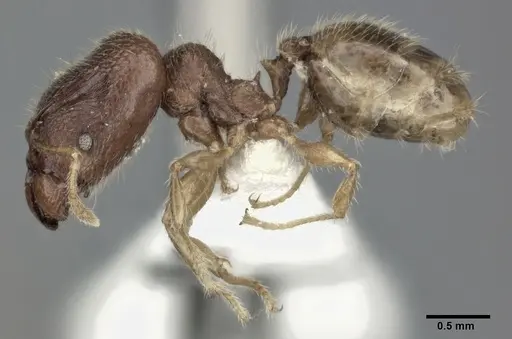
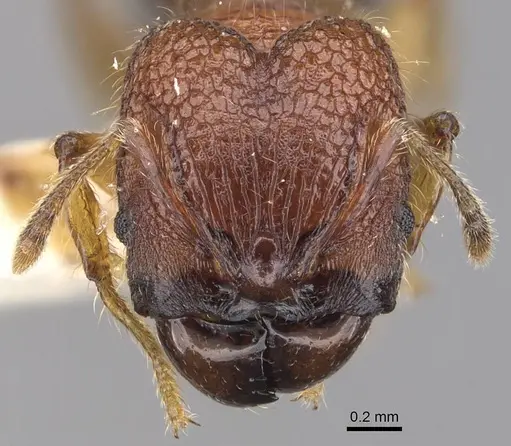
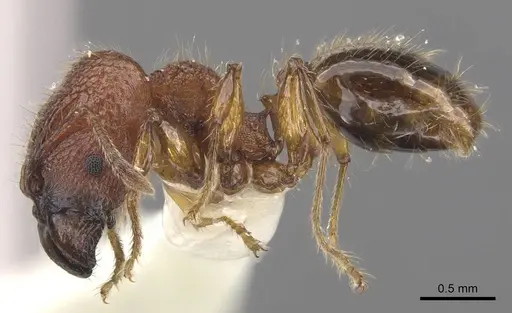
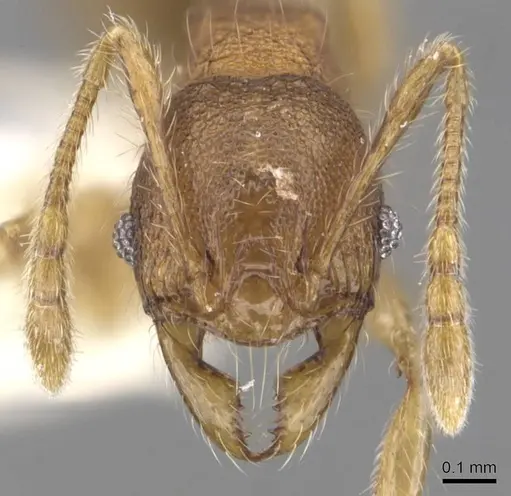
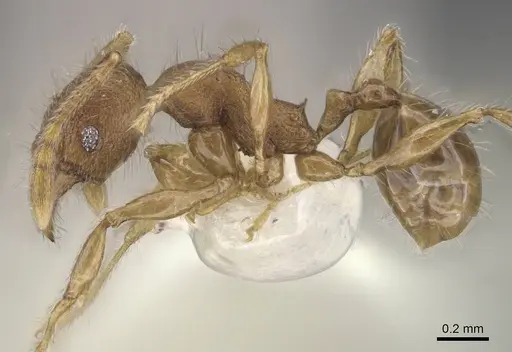
Pheidole colpigaleata is a small ant species native to northern Vietnam, first described in 2006. It has distinct minor and major worker castes, with majors being significantly larger than minors. The species inhabits forest environments from lowland to hilly areas up to approximately 1200 meters altitude, nesting in rotting twigs and small wood fragments . A notable trait is that major workers serve as repletes, storing food in their abdomens to share with the colony, and wild colonies have been observed storing small seeds inside their nests .
Quick Summary
- Difficulty: Medium
- Origin & Habitat: Northern Vietnam, specifically Ba Vi, Sa Pa, and Tay Yen Tu areas. Inhabits forest environments from lowland to hilly areas up to approximately 1200 meters altitude [1][2].
- Colony Type: Unconfirmed, research does not specify queen number or social structure.
- Size & Growth:
- Queen: Size data unavailable, no total length measurements provided in research.
- Worker: Size data unavailable, no total length measurements provided in research.
- Colony: Unknown, colony size not documented in research.
- Growth: Moderate, inferred from Pheidole genus patterns.
- Development: Estimated 5-8 weeks based on typical Pheidole development patterns [1]. (Development time is inferred from genus-level data since specific timing for this species has not been documented.)
- Antkeeping:
- Temperature: Keep at 24-28°C, inferred from tropical forest habitat in Vietnam [1].
- Humidity: Keep nest substrate consistently moist but not waterlogged, based on forest habitat [1].
- Diapause: No, tropical species does not require hibernation [1].
- Nesting: Use nests that mimic natural habitat, such as small wooden nests or Y-tong nests with narrow chambers, based on nesting in rotting twigs [1].
- Behavior: These ants are generally peaceful. Majors serve as repletes, storing food in their abdomens [1]. Minor workers are tiny and require excellent escape prevention. They show typical foraging behavior and may store seeds.
- Common Issues: escape prevention is critical due to tiny minor workers, high humidity needs can lead to mold if ventilation is poor, slow colony growth may frustrate beginners, test tube setups may be too large for founding colonies, seed-storing behavior may affect feeding preferences
Housing and Nest Setup
Pheidole colpigaleata nests naturally in rotting twigs and small wood fragments in Vietnamese forests [1]. For captive care, use small Y-tong nests with narrow chambers or appropriately sized test tube setups. Provide tight, enclosed spaces to mimic their natural habitat.
Escape prevention is essential due to the tiny size of minor workers. Use fine mesh on all ventilation holes and ensure all connections are sealed. Keep the nest humid but not waterlogged, with a moisture reservoir like a water tube [1].
Feeding and Diet
Wild colonies store small seeds inside their nests [1]. Major workers serve as repletes, storing liquid food and sharing it with nestmates. For captive feeding, offer a varied diet including small seeds, protein sources like fruit flies, and sugar sources like honey water. Remove uneaten food after 24-48 hours to prevent mold.
Temperature and Humidity
As a tropical species from northern Vietnam, keep the nest area at 24-28°C [1]. Maintain high humidity by keeping the nest substrate consistently moist but not waterlogged [1]. Avoid sudden temperature changes.
Colony Structure and Castes
Pheidole colpigaleata has minor and major worker castes. Majors function as repletes, storing food in their abdomens [1]. Colonies likely start with a single queen, but this is unconfirmed. Growth is moderate, with majors appearing later in colony development.
Growth and Development
Colony development is typically moderate. First workers may emerge within 5-8 weeks at optimal temperatures, based on genus patterns [1]. Initial growth is slow, with majors appearing after the colony has several workers. Seed-storing behavior may develop in captivity.
Frequently Asked Questions
How long does it take for Pheidole colpigaleata to produce first workers?
Based on typical Pheidole development patterns, expect first workers within 5-8 weeks after the queen lays eggs, assuming optimal temperatures [1].
What size nest should I use for Pheidole colpigaleata?
Use small, tight-fitting nests like Y-tong with narrow chambers or test tube setups, based on their natural nesting in rotting twigs [1].
What do Pheidole colpigaleata eat?
They accept a varied diet including small seeds, insects, and sugar sources. Wild colonies store seeds, so this behavior may appear in captivity [1].
Are Pheidole colpigaleata good for beginners?
This species is rated medium difficulty due to tiny size and high humidity needs. Escape prevention is critical.
How big do Pheidole colpigaleata colonies get?
Colony size is not documented in research, so it is unknown.
Do I need to hibernate Pheidole colpigaleata?
No, as a tropical species, it does not require hibernation [1].
Why are my Pheidole colpigaleata escaping?
Minor workers are extremely tiny and can squeeze through small gaps. Use fine mesh and barriers to prevent escape.
Can I keep multiple queens together?
Research does not specify, but Pheidole species are often monogyne. Keeping multiple queens is not recommended without evidence.
When will my colony develop major workers?
Majors appear later in colony development, typically after several months, but timing is not documented.
Report an Issue
The current care sheet is based fully on literature. See inconsistencies, or something that's incorrect? Please , it will be resolved after review from an admin. Contributing to the blogs tab also helps providing information, to make us be able to further improve the caresheets. Thank you for your support!
References

This caresheet is licensed under CC BY-SA 4.0 .
Community Blogs
CASENT0246116
View on AntWeb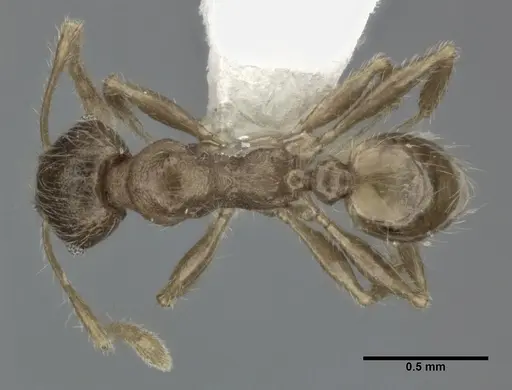
CASENT0246117
View on AntWeb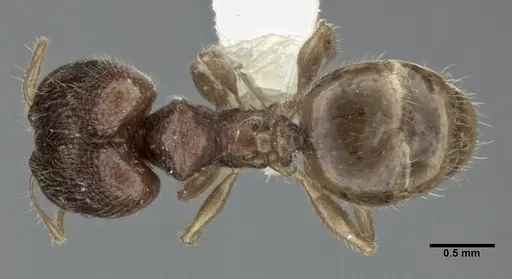
CASENT0905875
View on AntWeb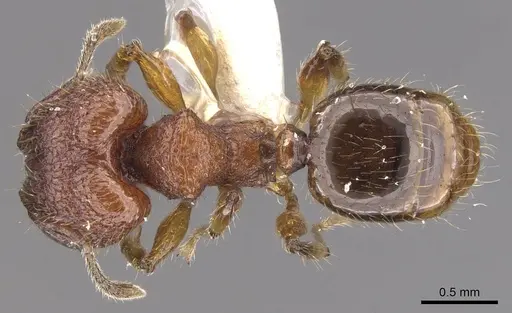
CASENT0905876
View on AntWeb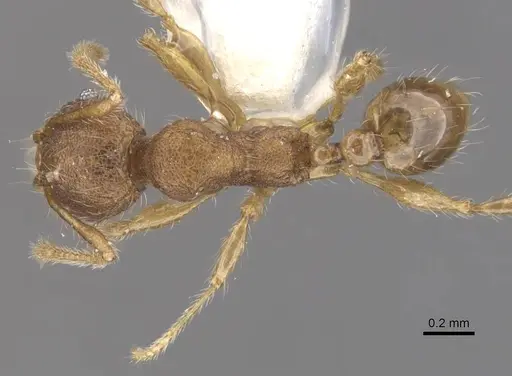
Literature
Loading distribution map...Loading products...