
Pheidole cerebrosior
- Sci. Name
- Pheidole cerebrosior
- Tribe
- Attini
- Subfamily
- Myrmicinae
- Author
- Wheeler, 1915
- Distribution
- Found in 2 countries
Introduction
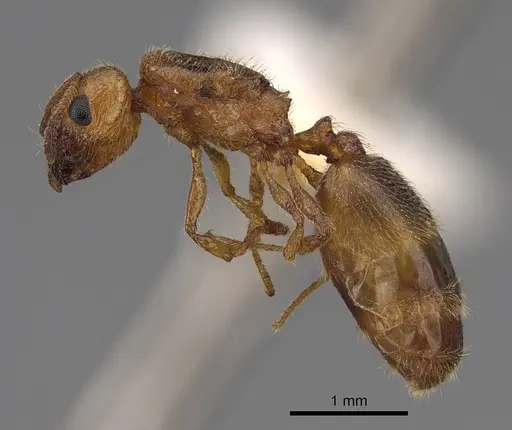
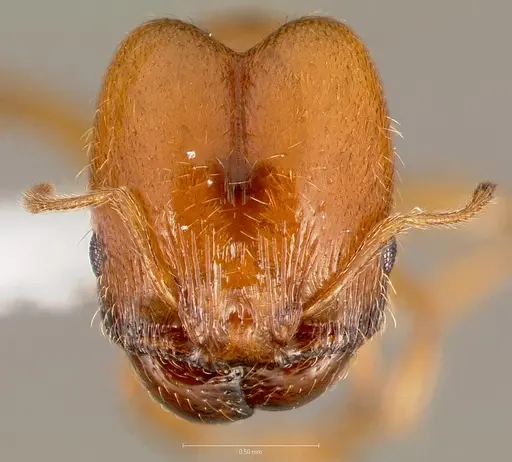
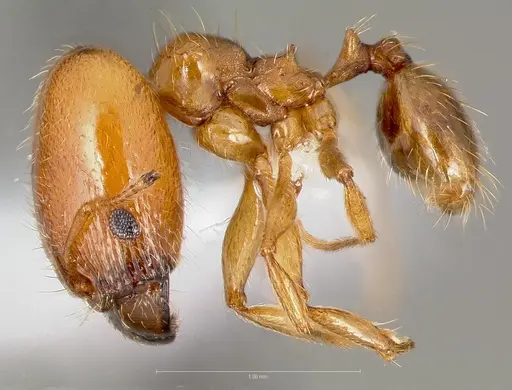
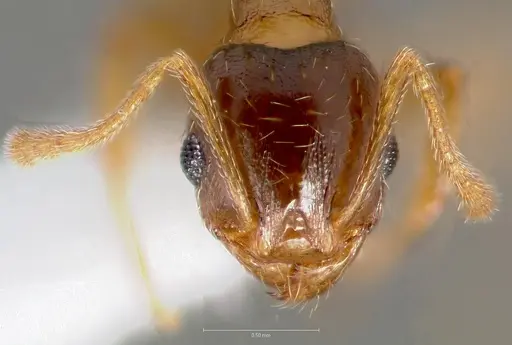
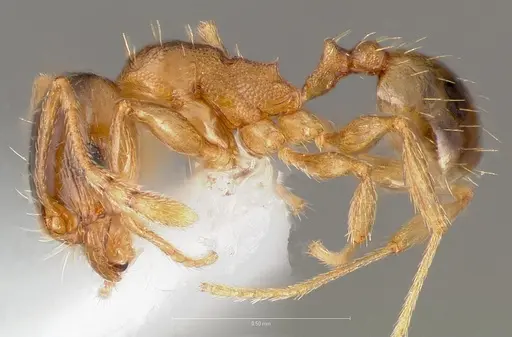
Pheidole cerebrosior is a small ant species native to the American Southwest and northern Mexico. Majors have dramatically enlarged heads used for seed cracking, while minors are smaller and handle foraging. The species is light reddish-yellow in majors with a slightly darker abdomen, and plain yellow in minors. It belongs to the 'bicarinata complex' and is nearly identical to Pheidole bicarinata, making identification tricky in overlapping areas. Colonies are small, typically with only a few major workers .
Quick Summary
- Difficulty: Easy
- Origin & Habitat: Native to Arizona, New Mexico, southern California, and northern Mexico (Baja California, Sonora, Chihuahua). Found at elevations between 550-1680 meters in evergreen-oak woodlands, mountain canyons, riverine forests, and desert habitats [2][3][4][1].
- Colony Type: Based on Pheidole patterns, likely monogyne (single queen) [1].
- Size & Growth:
- Queen: Size data unavailable, inferred from Pheidole genus (~4-6 mm)
- Worker: Size data unavailable, inferred from Pheidole genus (~2-4 mm)
- Colony: Colonies have up to 3-4 major workers, total worker count unknown [1].
- Growth: Moderate
- Development: 5-8 weeks (estimated based on typical Pheidole development) (Development time inferred from related species. Warmer temperatures may speed up development.)
- Antkeeping:
- Temperature: Temperature needs are unclear, start around 22-26°C and observe, based on their warm habitat [1].
- Humidity: Keep nest substrate lightly moist but allow dry areas, as they come from dry habitats [1][4].
- Diapause: Yes, based on geographic range, reduce temperature to 10-15°C for 2-3 months in winter.
- Nesting: In nature, they nest under rocks or in soil, for captivity, use test tube setups or sandy formicariums [1][4].
- Behavior: These ants are peaceful and not aggressive. Minor workers are tiny, so escape prevention is critical. They are seed harvesters and scavengers [1][4].
- Common Issues: escape prevention is critical due to tiny minor workers, colonies remain small with few majors, this is normal, overwatering can cause problems in dry-habitat ants, hibernation is required for temperate species, may be confused with Pheidole bicarinata, check minor worker head sculpture
Nest Preferences and Housing
Pheidole cerebrosior naturally nests under rocks, in soil, or in open areas with small crater nests. They have been observed with seed chambers, confirming their role as seed harvesters. For captive care, start colonies in a test tube setup for founding. Once established, transfer to a formicarium with sandy soil or Y-tong nests that mimic dry to moderately moist conditions. Ensure tight connections to prevent escapes due to tiny minor workers [1][4].
Feeding and Diet
This species is a seed harvester and scavenger. In the wild, workers feed on seeds and dead insects. In captivity, offer seeds like grass seeds or millet as a staple, and supplement with protein from small insects like fruit flies or pinhead crickets. Remove uneaten food to prevent mold [1][4].
Temperature and Seasonal Care
Keep ants at 22-26°C, with a temperature gradient using a heating cable. During winter, reduce temperature to 10-15°C for 2-3 months for diapause, mimicking their natural cycle. Do not feed during diapause.
Behavior and Colony Structure
Colonies are small with a single queen and few major workers. Majors use enlarged heads for seed cracking, while minors handle foraging and brood care. These ants are peaceful and not aggressive [1][4].
Frequently Asked Questions
How long does it take for Pheidole cerebrosior to raise first workers?
Expect 5-8 weeks from egg to first worker at room temperature, based on typical Pheidole development.
What do Pheidole cerebrosior ants eat?
They eat seeds and scavenged insects. Offer seeds as a staple and protein prey weekly [1][4].
How big do Pheidole cerebrosior colonies get?
Colonies have up to 3-4 major workers, total worker count is unknown [1].
Do Pheidole cerebrosior ants need hibernation?
Yes, reduce temperature to 10-15°C for 2-3 months in winter.
Can I keep multiple Pheidole cerebrosior queens together?
This is likely a monogyne species, so multiple queens may fight. Keep single queens per colony.
Why are my Pheidole cerebrosior escaping?
Minor workers are extremely tiny, use Fluon barriers and tight connections to prevent escapes [1].
When should I move Pheidole cerebrosior from a test tube to a formicarium?
Move when the colony has 20-30 workers or the test tube is contaminated, using dry to moderately moist nests.
How do I identify Pheidole cerebrosior vs Pheidole bicarinata?
Check minor worker head sculpture: P. cerebrosior has a punctate vertex, while P. bicarinata is smooth [1].
Are Pheidole cerebrosior good for beginners?
Yes, they are hardy with simple care, but escape prevention is key due to tiny size [1].
Report an Issue
The current care sheet is based fully on literature. See inconsistencies, or something that's incorrect? Please , it will be resolved after review from an admin. Contributing to the blogs tab also helps providing information, to make us be able to further improve the caresheets. Thank you for your support!
References

This caresheet is licensed under CC BY-SA 4.0 .
Community Blogs
CASENT0000184
View on AntWeb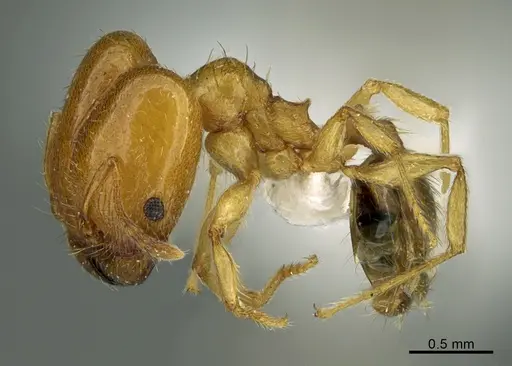
CASENT0005151
View on AntWeb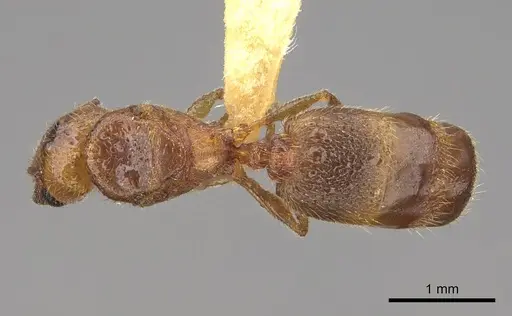
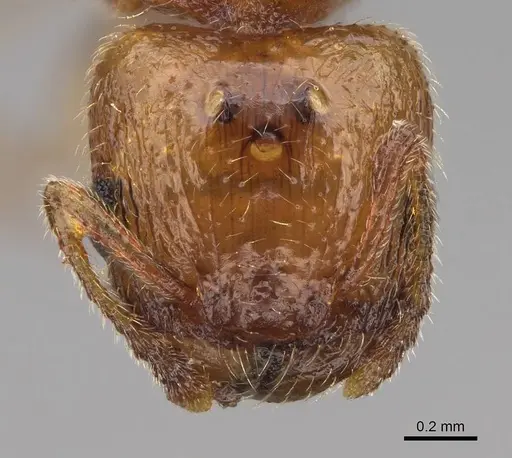
CASENT0005753
View on AntWeb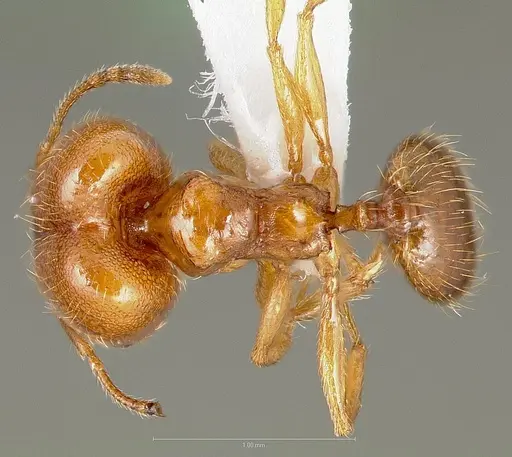
CASENT0005754
View on AntWeb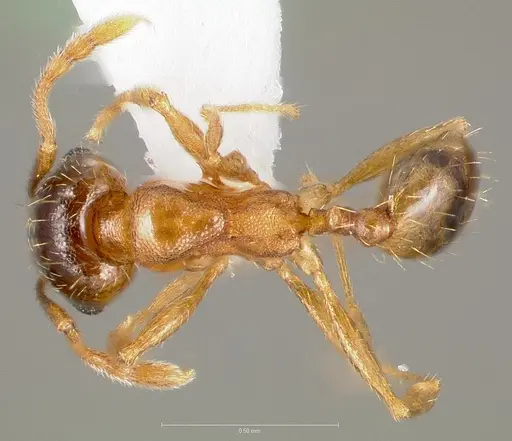
Literature
Loading distribution map...Loading products...