
Pheidole centeotl
- Sci. Name
- Pheidole centeotl
- Tribe
- Attini
- Subfamily
- Myrmicinae
- Author
- Wheeler, 1914
- Distribution
- Found in 1 countries
Introduction
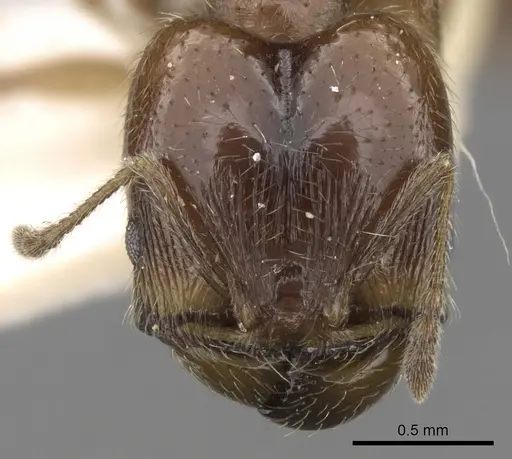
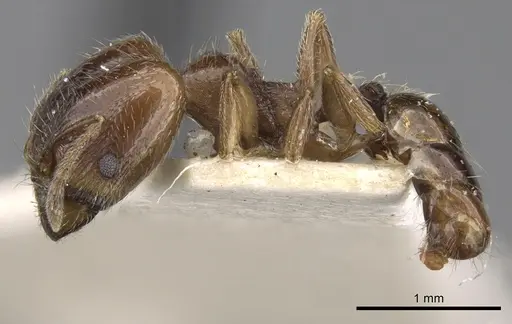
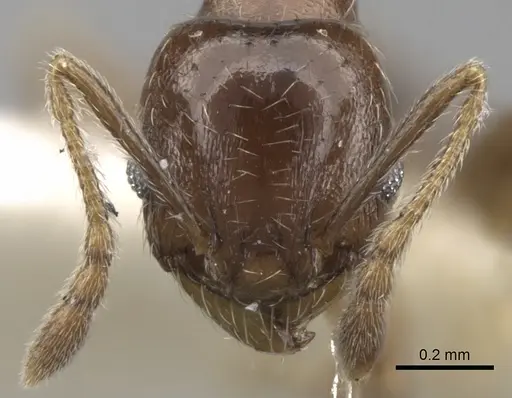
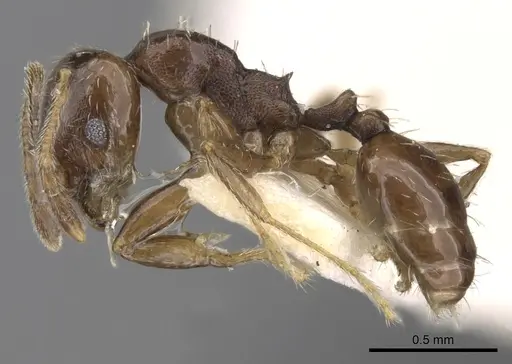
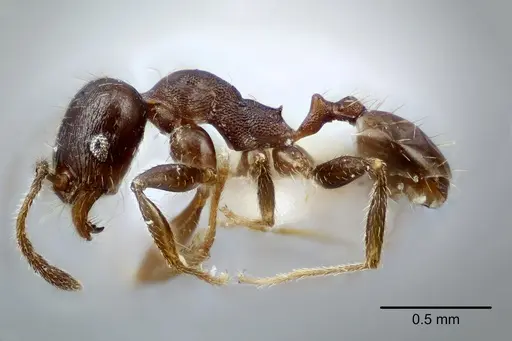
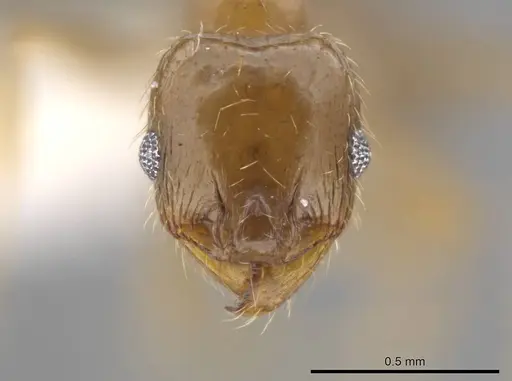
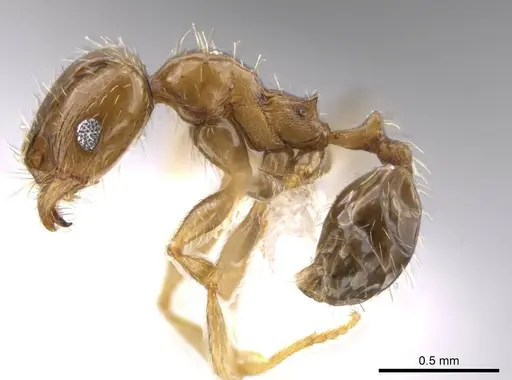
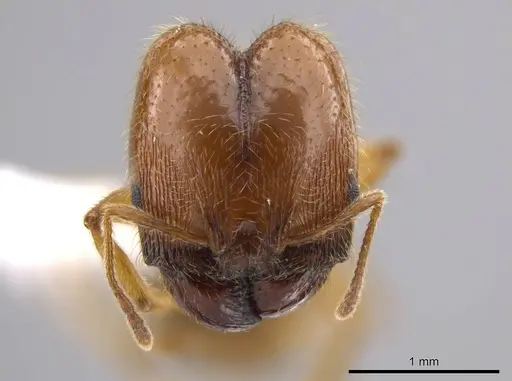
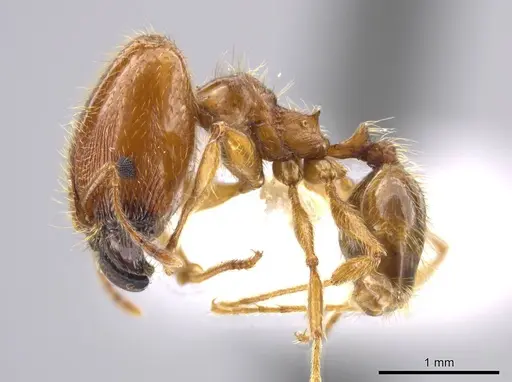
Pheidole centeotl is a trimorphic ant species native to central Mexico, found at high elevations between 2200-2400 meters in oak-pine and pine forests . Colonies have three worker castes: minor, major, and supermajor workers, though full body size data is unavailable from research . All castes are light to medium reddish brown . This species is endemic to Mexico and nests under stones, making it a unique choice for antkeepers interested in high-elevation ants .
Quick Summary
- Difficulty: Medium
- Origin & Habitat: Endemic to central Mexico (Hidalgo, Michoacán, Morelos, Puebla, Veracruz) at elevations of 2200-2400m, nesting under stones in oak-pine and pine forests [1][2].
- Colony Type: Based on Pheidole genus patterns, likely monogyne (single queen) [1]. Colonies contain minor, major, and supermajor workers [1].
- Size & Growth:
- Queen: Size data unavailable, inferred from Pheidole genus ~5-7mm [1].
- Worker: Size data unavailable, research provides head measurements only, full body size not specified [1].
- Colony: Up to several hundred workers, inferred from Pheidole genus patterns [1].
- Growth: Moderate, inferred from Pheidole genus [1].
- Development: Estimated 6-8 weeks based on related Pheidole species [1]. (Development time may vary with temperature, high elevation may result in slower growth.)
- Antkeeping:
- Temperature: Keep at cool temperatures, roughly 20-24°C, based on high elevation habitat [1][2]. Avoid overheating.
- Humidity: Keep nest substrate moderately moist but allow drying periods, based on dry oak-pine forest habitat [1][2].
- Diapause: Likely requires winter diapause for 2-3 months at 10-15°C, inferred from high elevation origin [1].
- Nesting: Naturally nests under stones, in captivity, use Y-tong or plaster nests with moderate moisture [2].
- Behavior: Pheidole species are generally not aggressive but will defend nests using major workers. Minor workers forage, while majors handle defense and seed processing [1]. Escape risk is high due to small worker size, ensure fine mesh barriers [2].
- Common Issues: high elevation origin means they need cooler temperatures, overheating can kill colonies, small worker size requires fine mesh to prevent escapes, colonies may struggle in overly humid conditions, allow drying periods, winter diapause is likely required, skipping it can weaken colonies, supermajor workers develop later, early colonies may lack them
Housing and Nest Setup
You can use Y-tong or plaster nests for Pheidole centeotl, with moderate moisture based on their natural dry habitat [2]. For founding colonies, a test tube setup works well. Ensure outworlds have fine mesh to prevent escapes, as minor workers are small [2]. Provide a shallow water dish and sugar water station.
Feeding and Diet
Offer protein sources like small insects (e.g., fruit flies) 2-3 times per week and keep sugar water available [1]. Supermajor workers may process seeds, so include small seeds for enrichment. Remove uneaten food to prevent mold.
Temperature and Seasonal Care
Keep temperatures between 20-24°C, as this species is adapted to cool high-elevation conditions [1][2]. During winter, provide diapause at 10-15°C for 2-3 months. Reduce feeding during diapause but keep water available.
Colony Development
Colonies develop three worker castes: minor, major, and supermajor. First workers are typically minor, with supermajors appearing later as the colony grows [1]. Development time from egg to worker is estimated at 6-8 weeks.
Behavior and Defense
Minor workers forage and care for brood, while majors defend the nest [1]. This species is not highly aggressive but will bite if provoked. Use fluon on barriers to prevent escapes due to small worker size [2].
Frequently Asked Questions
How long does it take for Pheidole centeotl to get their first workers?
Expect first workers in 6-8 weeks at optimal temperatures, based on related Pheidole species [1].
Do Pheidole centeotl ants need hibernation?
Likely yes, as a high-elevation species, provide 2-3 months at 10-15°C during winter [1].
What do I feed Pheidole centeotl?
Offer protein like small insects 2-3 times per week and sugar water always available [1].
Are Pheidole centeotl good for beginners?
Medium difficulty due to specific temperature needs and escape prevention, not ideal for first-time keepers [2].
When will my colony develop supermajor workers?
Supermajor workers appear once the colony is larger, often after several months [1].
What temperature is best for Pheidole centeotl?
How big do Pheidole centeotl colonies get?
Up to several hundred workers, inferred from Pheidole genus patterns [1].
Why are my Pheidole centeotl escaping?
Minor workers are small, use fine mesh and fluon on barriers [2].
Can I keep multiple Pheidole centeotl queens together?
Likely monogyne, so only one queen per colony, combining queens may cause fights [1].
What humidity level do Pheidole centeotl need?
Moderate humidity with drying periods, based on dry forest habitat [1][2].
When do Pheidole centeotl have nuptial flights?
Winged reproductives observed in May, suggesting late spring flights [2].
Report an Issue
The current care sheet is based fully on literature. See inconsistencies, or something that's incorrect? Please , it will be resolved after review from an admin. Contributing to the blogs tab also helps providing information, to make us be able to further improve the caresheets. Thank you for your support!
References

This caresheet is licensed under CC BY-SA 4.0 .
Community Blogs
CASENT0281760
View on AntWeb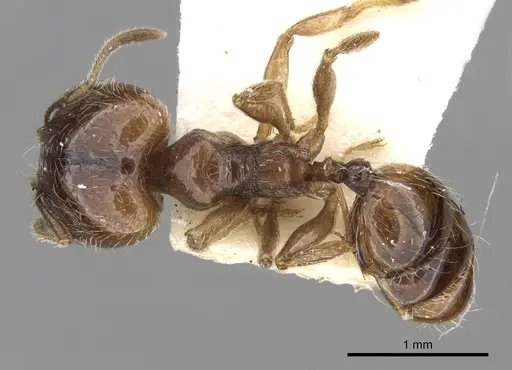
CASENT0281761
View on AntWeb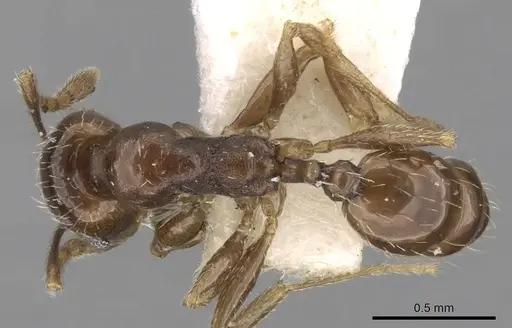
CASENT0649706
View on AntWeb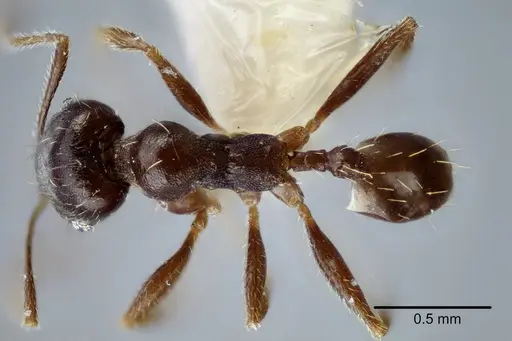
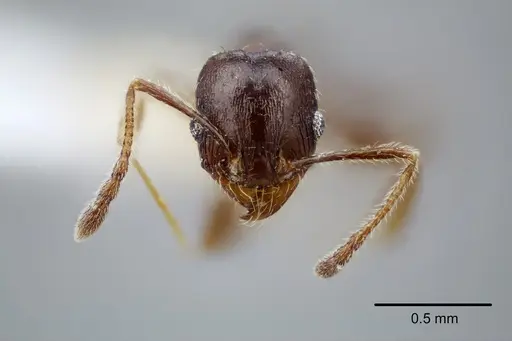
JTLC000010254
View on AntWeb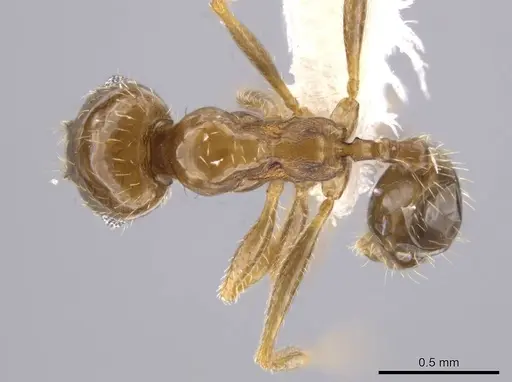
JTLC000010334
View on AntWeb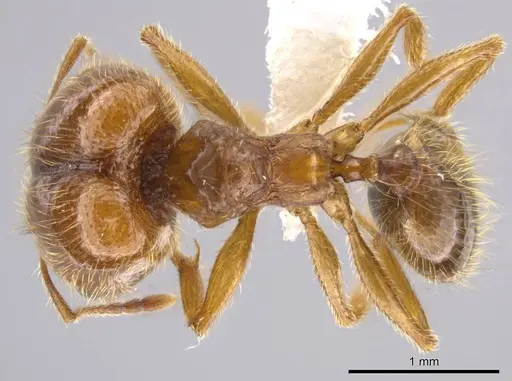
Literature
Loading distribution map...Loading products...