
Pheidole celaena
- Sci. Name
- Pheidole celaena
- Tribe
- Attini
- Subfamily
- Myrmicinae
- Author
- Wilson, 2003
- Distribution
- Found in 5 countries
Introduction
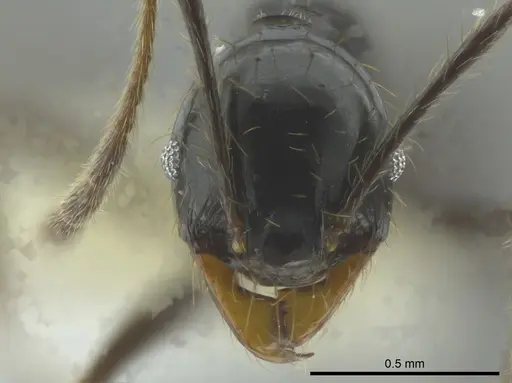
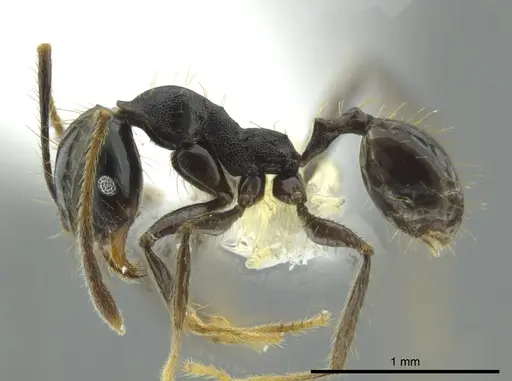
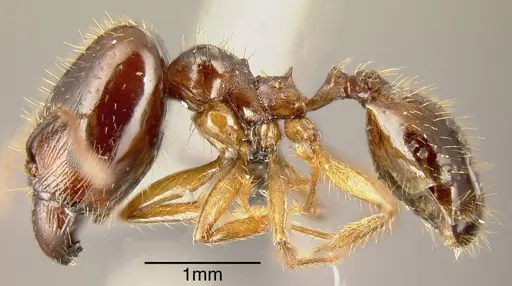
Pheidole celaena is a dimorphic ant species native to Central America, reported from Costa Rica and Guatemala . It is a ground-dwelling Myrmicinae ant found in tropical forest environments . Size data is unavailable from the research, but based on Pheidole genus patterns, minor workers are small and majors have oversized heads for seed processing. The species has a functional stinger as part of its defense mechanism. This species is known for its dimorphic worker castes, with majors serving as defenders and seed processors, and minors handling foraging and brood care.
Quick Summary
- Difficulty: Easy
- Origin & Habitat: Tropical forests of Costa Rica and Guatemala in Central America [1][2].
- Colony Type: Based on typical Pheidole patterns, likely monogyne (single queen colonies).
- Size & Growth:
- Queen: Estimated ~6-8 mm based on Pheidole genus patterns
- Worker: Size data unavailable, but inferred from genus: minor workers ~2-4 mm, major workers ~4-8 mm
- Colony: Up to several thousand workers at maturity
- Growth: Moderate
- Development: Estimated 6-8 weeks at tropical temperatures (Development is likely faster due to tropical origin)
- Antkeeping:
- Temperature: Keep warm, roughly 24-28°C, based on tropical habitat
- Humidity: Keep substrate consistently moist but not waterlogged
- Diapause: No diapause required for tropical species
- Nesting: Ground-nesting species, prefer soil or Y-tong/plaster nests [2]
- Behavior: Generally peaceful, major workers have a mild sting but are not aggressive. Active foragers, primarily nocturnal. Escape risk due to small size, use fine mesh barriers.
- Common Issues: colonies may decline if kept too cool, maintain warm temperatures, small size means escapes are possible without fine mesh barriers, overfeeding can lead to mold in the nest, remove uneaten food promptly, wild-caught colonies may carry parasites that can devastate captive colonies, slow initial growth during founding phase can lead to overchecking by impatient keepers
Nest Preferences
Pheidole celaena is a ground-nesting species that naturally forms nests in soil, often under stones or within rotting wood in tropical forest floors [2]. In captivity, they do well in naturalistic setups with a soil layer deep enough to allow them to excavate chambers, or in Y-tong/plaster nests designed for small Myrmicinae ants. The chambers should be appropriately sized, tight enough that the ants feel secure but with enough space for colony expansion. A test tube setup can work for founding colonies, but you'll need to move them to a proper nest once the colony reaches 20-30 workers. They prefer dark, humid conditions in the nest area.
Feeding and Diet
Pheidole ants are omnivorous but lean toward seed-eating and predatory habits. In captivity, offer a varied diet including small seeds (millet, chia, flax), protein sources like mealworms, fruit flies, or small crickets, and occasional sugar water or honey. Major workers are specialized for seed crushing, so offering seeds is important for their natural behavior. Feed protein 2-3 times per week and keep a constant sugar source available. Remove uneaten food promptly to prevent mold. They are not aggressive hunters but will readily scavenge dead insects.
Temperature and Care
As a tropical species from Costa Rica and Guatemala, Pheidole celaena requires warm temperatures year-round. Keep the nest area between 24-28°C for optimal brood development. A slight temperature gradient allows the colony to self-regulate. Room temperature may be sufficient if your home stays in this range, otherwise use a heating cable on one part of the nest. They do not require hibernation or diapause. Humidity should be moderate to high, keep the substrate visibly moist but avoid standing water. A water tube attached to the nest helps maintain humidity.
Behavior and Temperament
This is a peaceful species that focuses on foraging and colony growth rather than defense. Major workers have a mild sting but rarely use it unless directly threatened. They are primarily active during evening and night hours. Workers forage in trails, collecting seeds and small prey. The colony will establish clear foraging patterns once established. Major workers stay near the nest and help process seeds and defend against threats, while minors handle most outside foraging. They are not aggressive toward humans and make good beginner ants once established.
Colony Growth and Development
A newly mated queen will seal herself in a chamber and lay eggs while living on her stored fat reserves, this is claustral founding behavior typical of Pheidole. The first brood develops into nanitic (first) workers that are smaller than normal minors. Once these workers emerge, the queen stops foraging and focuses entirely on egg-laying while workers take over all colony tasks. Colony growth is moderate, expect 6-12 months to reach 100 workers under good conditions. Growth accelerates as more workers means more foragers. Mature colonies can contain several thousand workers with a significant proportion being majors.
Frequently Asked Questions
How long does it take for Pheidole celaena to produce first workers?
Expect first workers (nanitics) to emerge in 6-8 weeks at optimal tropical temperatures (25-28°C). This is based on typical Pheidole development timelines since specific data for this species is not available.
Can I keep multiple Pheidole celaena queens together?
Not recommended unless you have specific documentation for this species. Most Pheidole are monogyne (single queen). Combining unrelated queens typically results in fighting and colony loss.
What do Pheidole celaena ants eat?
They are omnivorous with a preference for seeds and small insects. Offer small seeds like millet, protein sources like mealworms or fruit flies, and sugar water or honey. Remove uneaten food to prevent mold.
What temperature do Pheidole celaena ants need?
Keep them warm at 24-28°C year-round. As a tropical species from Costa Rica and Guatemala, they do not tolerate cool temperatures and do not require hibernation.
Are Pheidole celaena good for beginners?
Yes, once established they are relatively easy to keep. The main challenges are maintaining proper temperature and humidity, and preventing escapes due to their small size. They are more challenging during the founding phase but rewarding once colonies grow.
When should I move my Pheidole celaena colony to a formicarium?
Move them when the colony reaches 20-30 workers in a test tube setup. They need more space for expansion and a proper nest allows for better humidity control and observation.
How big do Pheidole celaena colonies get?
Mature colonies can reach several thousand workers, with a mix of majors and minors. The major workers serve as defenders and seed processors.
Do Pheidole celaena need hibernation?
No, they are a tropical species and do not require hibernation or diapause. Keep them warm year-round.
Why are my Pheidole celaena dying?
Common causes include: temperatures below 22°C, low humidity, mold from overfeeding, or parasites from wild-caught colonies. Check your temperature gradient and remove uneaten food regularly.
Report an Issue
The current care sheet is based fully on literature. See inconsistencies, or something that's incorrect? Please , it will be resolved after review from an admin. Contributing to the blogs tab also helps providing information, to make us be able to further improve the caresheets. Thank you for your support!
References

This caresheet is licensed under CC BY-SA 4.0 .
Community Blogs
CASENT0624496
View on AntWeb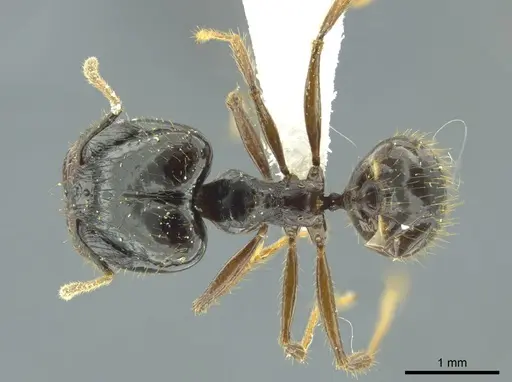
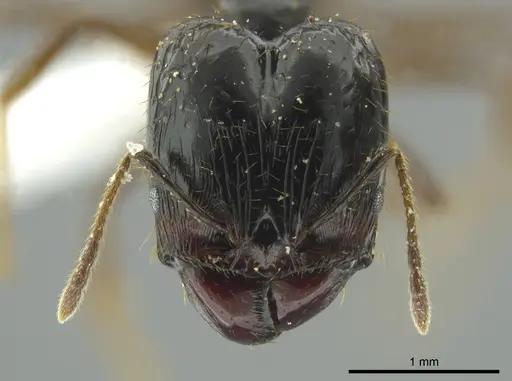
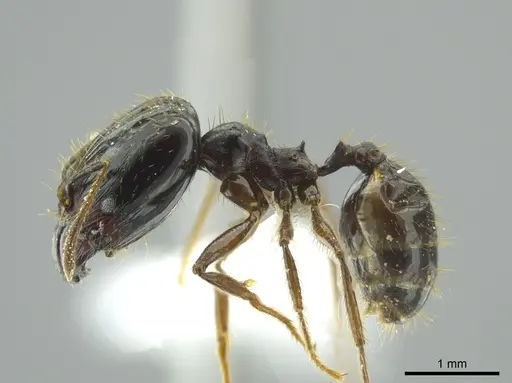
CASENT0624511
View on AntWeb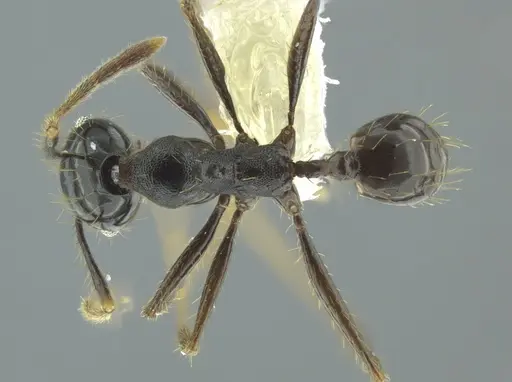
CASENT0635452
View on AntWeb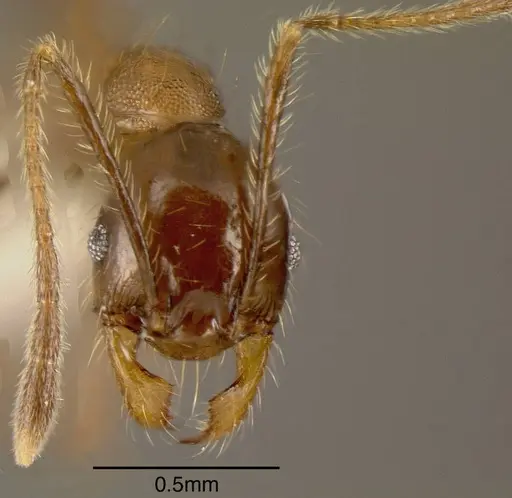
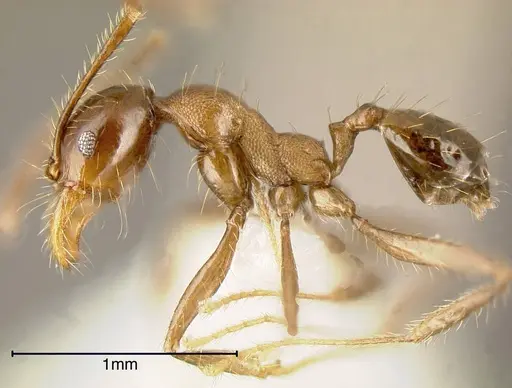
INBIOCRI001238128
View on AntWeb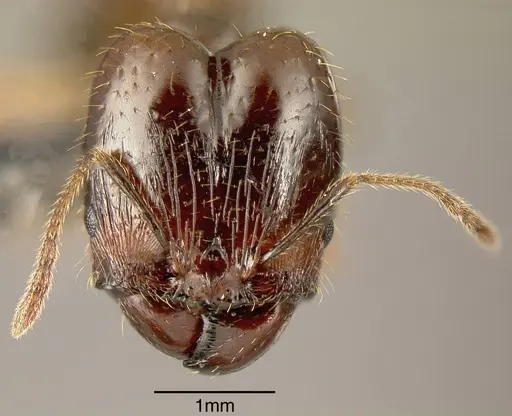
Literature
Loading distribution map...Loading products...