
Pheidole cataractae
- Sci. Name
- Pheidole cataractae
- Tribe
- Attini
- Subfamily
- Myrmicinae
- Author
- Wheeler, 1916
- Distribution
- Found in 5 countries
Introduction
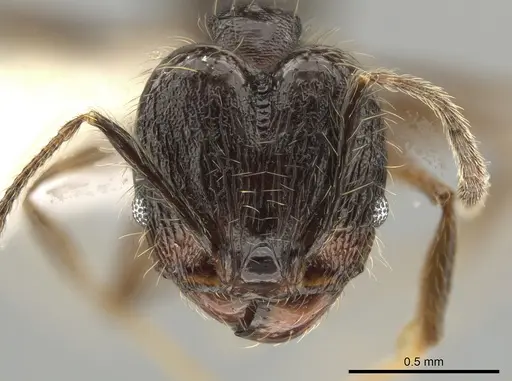
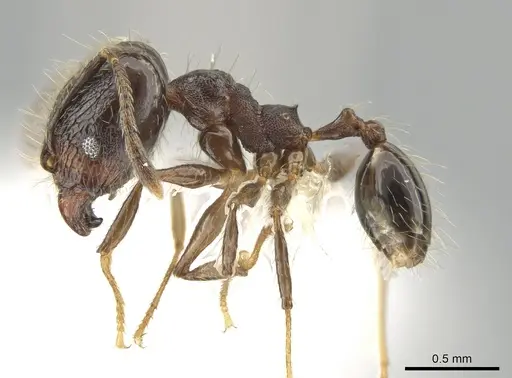
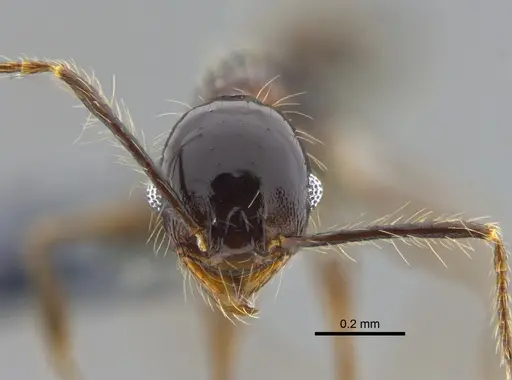
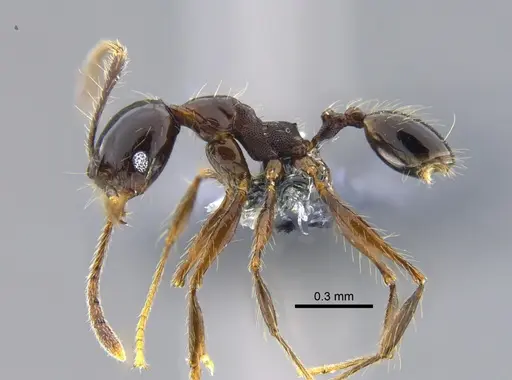
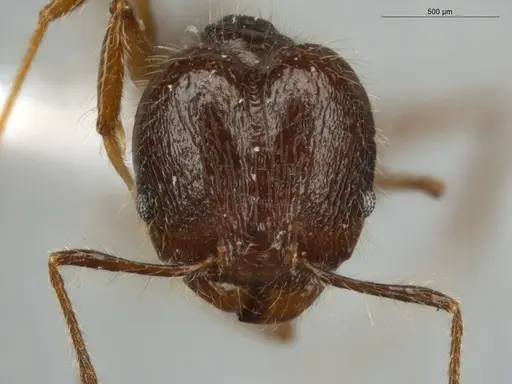
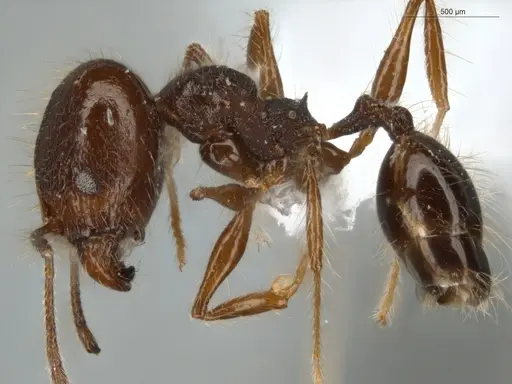
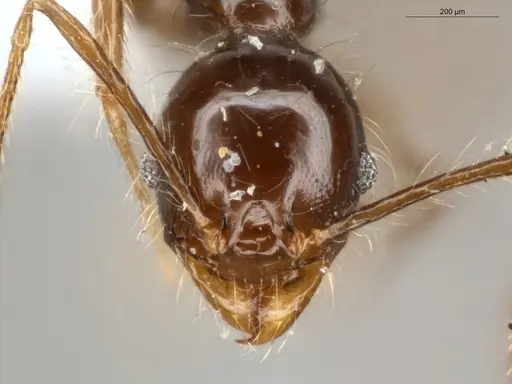
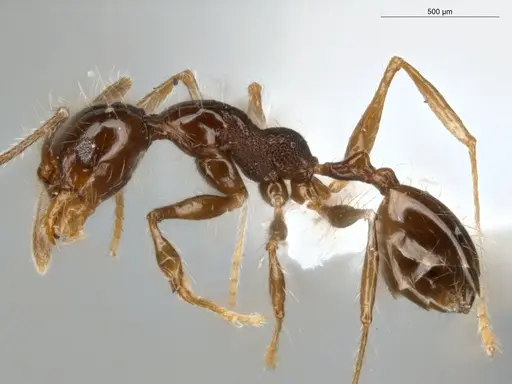
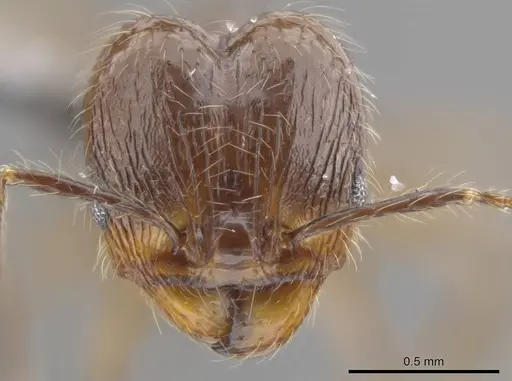
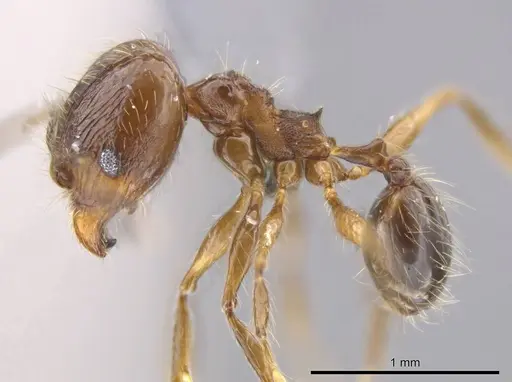
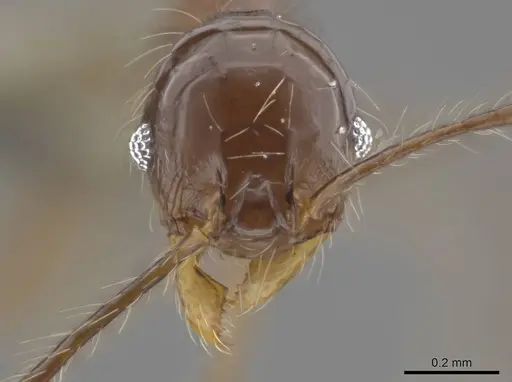
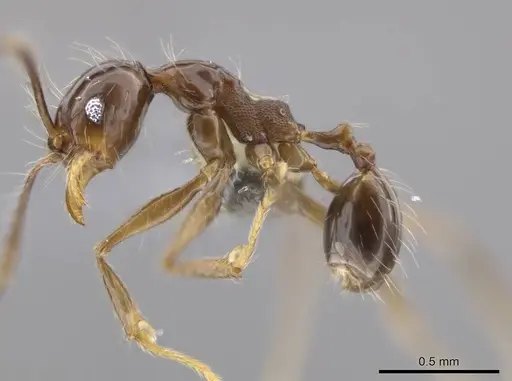
Pheidole cataractae is a tiny Amazonian ant from the diligens group, with a slender brown body. It is found across the Amazon Basin in Guyana, Brazil, Colombia, Ecuador, and Peru . The species nests in rotting wood on the rainforest floor and shows behavioral convergence with Paratrechina ants, being agile and fast-moving foragers that retreat from competition . What makes this species notable is its ability to thrive in both terra firme and seasonally flooded várzea forests, with generalist flood tolerance .
Quick Summary
- Difficulty: Medium
- Origin & Habitat: Amazon Basin, found in Guyana, Brazil, Colombia, Ecuador, and Peru. Nests in rotting wood on the rainforest floor, including in terra firme and várzea areas [4][5][1][2].
- Colony Type: Likely single-queen colonies, but founding behavior is unconfirmed. Colony structure has not been specifically documented for this species.
- Size & Growth:
- Queen: Size data unavailable, inferred from Pheidole genus patterns (~5-7mm)
- Worker: Size data unavailable for total length, this species is one of the smaller Pheidole ants [4]
- Colony: Unknown, estimated up to several thousand workers based on genus patterns
- Growth: Moderate, inferred from related Pheidole species
- Development: Estimated 6-8 weeks at optimal tropical temperatures, inferred from genus patterns (Development time is inferred, specific timing for this species has not been documented)
- Antkeeping:
- Temperature: Keep warm, roughly 24-28°C, based on tropical habitat [4]
- Humidity: Keep nest substrate consistently moist but not waterlogged [4][5]
- Diapause: No, tropical species, no hibernation needed [4]
- Nesting: Twig-nesting species, use small test tubes, Y-tong, or plaster nests with narrow chambers. Provide moist substrate to maintain humidity [4][5]
- Behavior: Agile and fast-moving foragers that quickly locate food but retreat from competition [4]. Escape risk is high due to tiny size, use fine mesh barriers and seal all openings. Not aggressive toward keepers.
- Common Issues: escape prevention is critical due to tiny size, high humidity needs can lead to mold if ventilation is poor, wild-caught colonies may harbor parasites, test tube setups must be properly sealed to prevent escape
Housing and Setup
Pheidole cataractae is a tiny twig-nesting ant, so your setup needs to match their small size. Use a small-diameter test tube (10-15mm) with a cotton plug for water. Keep the nest narrow so ants feel secure. Because they are from the rainforest floor, maintain moist conditions. Once the colony reaches 50-100 workers, move to a small Y-tong or plaster nest with narrow chambers. Ensure all connections are sealed, these ants can escape through tiny gaps. Provide a small outworld for foraging. [4][5]
Feeding and Diet
Pheidole cataractae is a generalist feeder. In captivity, offer protein sources like small fruit flies or pinhead crickets, and sugar sources like honey water. Place food in the foraging area and remove uneaten protein within 24 hours to prevent mold. Feed protein 2-3 times per week and keep sugar water available constantly. [4]
Temperature and Humidity
Keep temperatures warm, around 24-28°C, to match their tropical habitat. Use a gentle heat source if needed. For humidity, keep the nest substrate consistently moist but not waterlogged. Good ventilation prevents mold, but avoid drying out the nest. [4][5]
Colony Development
Founding behavior is unconfirmed, but queens likely seal themselves in a chamber to lay eggs. The first workers may emerge in 6-8 weeks under optimal conditions. Initial growth is slow, but colonies can reach several thousand workers over time. Be patient during the founding phase. [4]
Behavior and Observation
Workers are agile and fast-moving, quickly finding food but retreating from competition. This behavior makes them interesting to watch, but they can seem nervous. Use magnification to observe their slender morphology. They are not aggressive toward humans. [4]
Frequently Asked Questions
How long does it take for Pheidole cataractae to raise first workers?
Expect 6-8 weeks from egg to first worker at optimal tropical temperatures, based on genus patterns [4].
Can I keep Pheidole cataractae in a test tube?
Yes, use a small-diameter test tube with a water reservoir. Seal all openings tightly to prevent escape [4].
What do Pheidole cataractae eat?
They accept small insects, honey water, and sugar water. Offer protein 2-3 times weekly and keep sugar water available [4].
Are Pheidole cataractae good for beginners?
They are rated Medium difficulty due to tiny size, high humidity needs, and slow founding phase. Experienced keepers may have more success.
Do Pheidole cataractae need hibernation?
No, as a tropical species, they do not require hibernation. Maintain year-round warm conditions [4].
How big do Pheidole cataractae colonies get?
Colony size is unknown, but estimated up to several thousand workers based on genus patterns.
Why are my Pheidole cataractae escaping?
Their tiny size means they can squeeze through small gaps. Use fine mesh (0.5mm or smaller) and seal all openings.
When should I move my colony to a formicarium?
Move to a Y-tong or plaster nest once the colony reaches 50-100 workers and the test tube is crowded. Ensure chambers are narrow.
Can I keep multiple queens together?
Pheidole species are typically single-queen colonies. Combining unrelated queens is not recommended.
Report an Issue
The current care sheet is based fully on literature. See inconsistencies, or something that's incorrect? Please , it will be resolved after review from an admin. Contributing to the blogs tab also helps providing information, to make us be able to further improve the caresheets. Thank you for your support!
References

This caresheet is licensed under CC BY-SA 4.0 .
Community Blogs
CASENT0646098
View on AntWeb
CBUMAGENT42047
View on AntWeb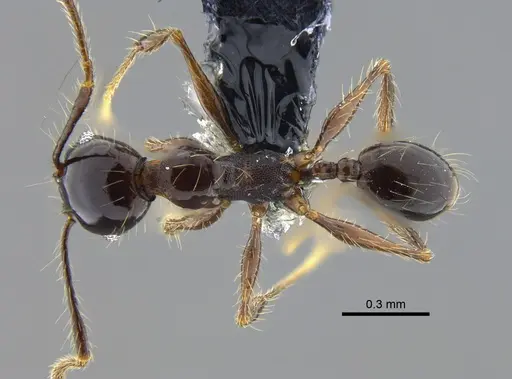
ECOFOG-TR13-0070-08-S
View on AntWeb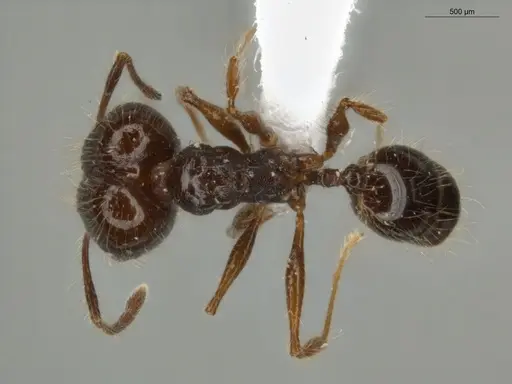
ECOFOG-TR13-0070-08
View on AntWeb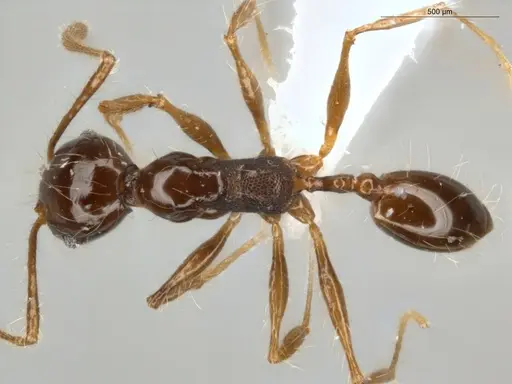
USNMENT00688291
View on AntWeb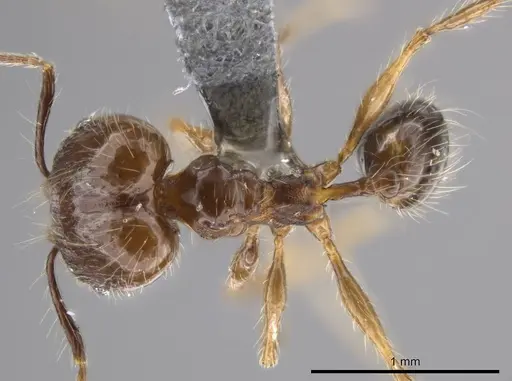
USNMENT00691422
View on AntWeb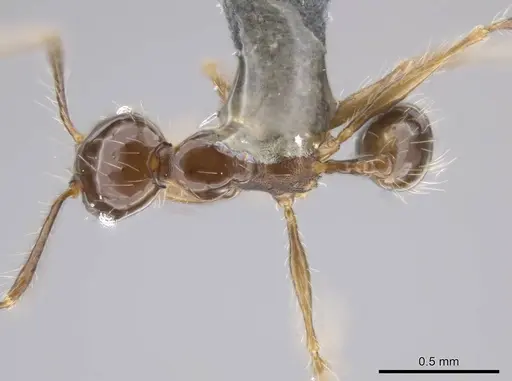
Literature
Loading distribution map...Loading products...