
Pheidole butteli
- Sci. Name
- Pheidole butteli
- Tribe
- Attini
- Subfamily
- Myrmicinae
- Author
- Forel, 1913
- Distribution
- Found in 1 countries
Introduction
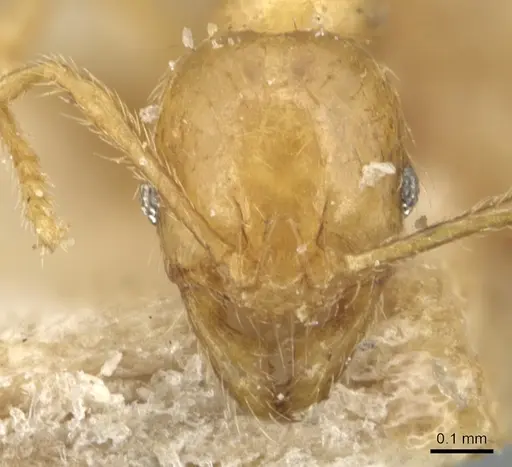
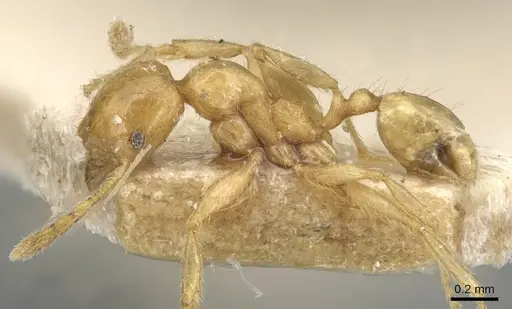
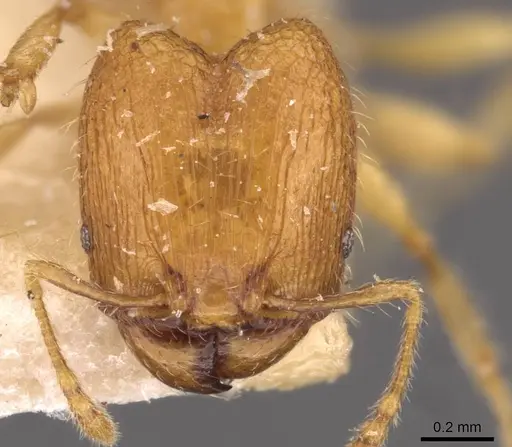
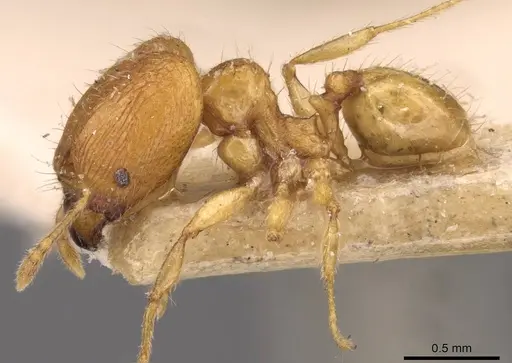
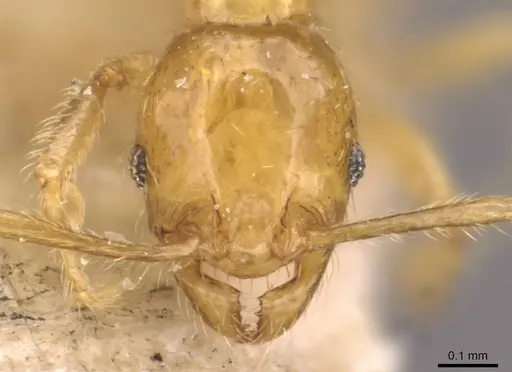
Pheidole butteli is a small ant species with major workers measuring 2.0-2.4 mm in total length and minor workers 1.4-1.6 mm . It is native to Southeast Asia, found in Borneo, Brunei, Indonesia, Malaysia, and Thailand . This species inhabits well-developed primary lowland and hill forests and is a habitat specialist not found in secondary forests or rubber plantations . Colonies are documented to contain multiple queens, making them socially flexible among Pheidole species .
Quick Summary
- Difficulty: Medium
- Origin & Habitat: Native to Southeast Asia (Borneo, Brunei, Indonesia, Malaysia, Thailand). Inhabits well-developed primary forests in lowlands and hill areas [1][2]. Habitat specialist restricted to primary forest [3].
- Colony Type: Colonies contain multiple queens, as documented in field observations [1]. Social structure beyond this is unconfirmed.
- Size & Growth:
- Antkeeping:
- Temperature: Keep at warm temperatures, roughly 24-28°C, based on tropical habitat.
- Humidity: Keep substrate consistently moist but not waterlogged, based on forest habitat.
- Diapause: No diapause required, as a tropical species.
- Nesting: Y-tong or naturalistic nests with small chambers work well.
- Behavior: Generally peaceful. Workers forage for small prey and tend honeydew-producing insects. Minor workers are more numerous, while majors defend the colony. Their small size requires excellent escape prevention.
- Common Issues: escape prevention is critical due to very small size, minors can squeeze through tiny gaps., colonies may be slow to establish, patience is needed during founding., wild-caught colonies may have parasites that can devastate captive colonies., overfeeding can lead to mold problems in the nest., maintaining humidity without causing flooding requires careful balance.
Nest Preferences and Housing
Pheidole butteli naturally nests in primary forest environments [1]. In captivity, use Y-tong or naturalistic nests with small chambers scaled to their size. Maintain consistent humidity with good ventilation to prevent mold.
Feeding and Diet
Pheidole butteli is omnivorous. Offer protein sources like small insects 2-3 times per week and constant sugar sources like honey water.
Temperature and Seasonal Care
As a tropical species, keep at warm temperatures around 24-28°C. No diapause required.
Behavior and Colony Dynamics
Colonies are peaceful with multiple queens [1]. Workers forage for small prey and tend honeydew insects.
Escape Prevention
Due to small size (minors 1.4-1.6 mm), use tight-fitting lids and fine mesh barriers [1].
Frequently Asked Questions
Can I keep Pheidole butteli in a test tube?
Yes, test tubes work well for founding colonies. Use a small diameter tube with a water reservoir sealed with cotton. Upgrade to a larger nest once the colony grows.
How long until first workers appear?
Development time is unknown for this species. No specific data is available.
Can I keep multiple queens together?
Yes, this species is documented to have multiple queens per colony [1].
What do Pheidole butteli eat?
They are omnivores. Offer small insects for protein and sugar sources like honey water.
Are Pheidole butteli good for beginners?
They are moderate difficulty due to warm temperature needs and escape risks from small size. Patience is required during founding.
Do they need hibernation?
No, as a tropical species, they do not require diapause.
Why are my Pheidole butteli dying?
Common causes include temperature too cold, humidity issues, escapes, parasites from wild-caught colonies, or mold from overfeeding. Check these parameters first.
When should I move them to a formicarium?
Move to a larger nest when the colony outgrows the test tube. Ensure chambers are appropriately sized.
How big do colonies get?
Colony size is not documented for this species.
Report an Issue
The current care sheet is based fully on literature. See inconsistencies, or something that's incorrect? Please , it will be resolved after review from an admin. Contributing to the blogs tab also helps providing information, to make us be able to further improve the caresheets. Thank you for your support!
References

This caresheet is licensed under CC BY-SA 4.0 .
Community Blogs
CASENT0904249
View on AntWeb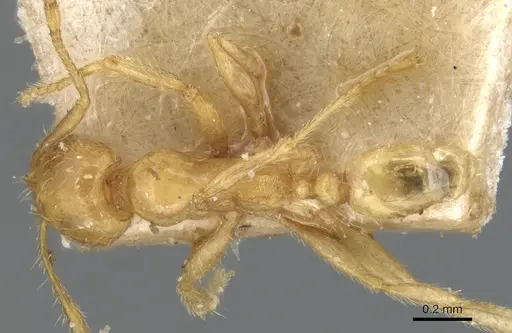
CASENT0907864
View on AntWeb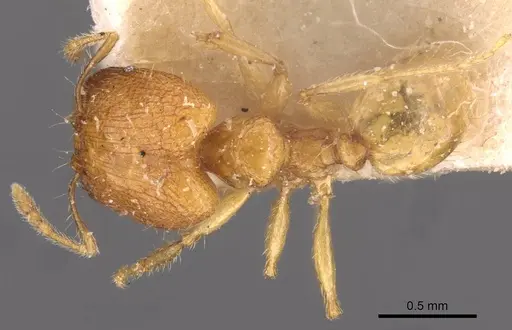
CASENT0907865
View on AntWeb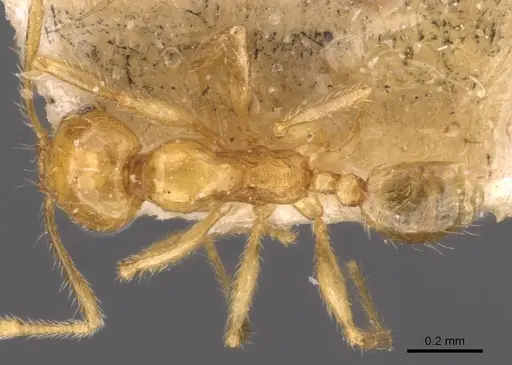
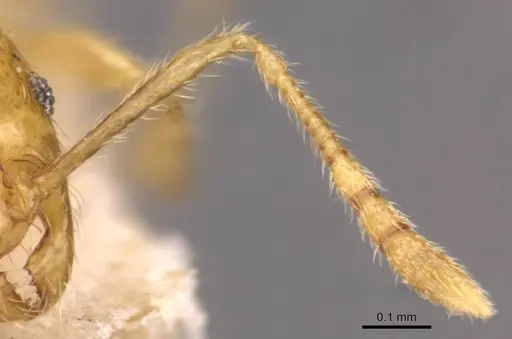
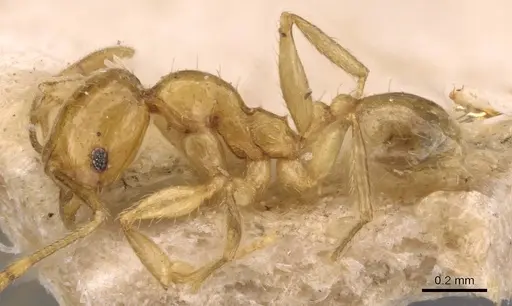
FOCOL1400
View on AntWeb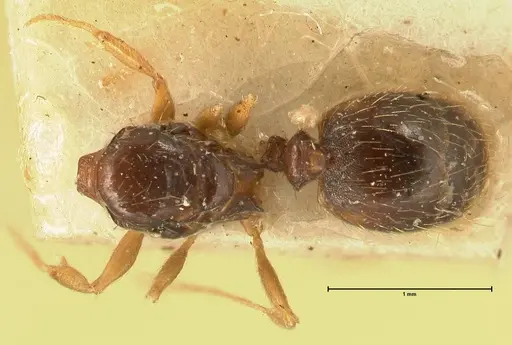
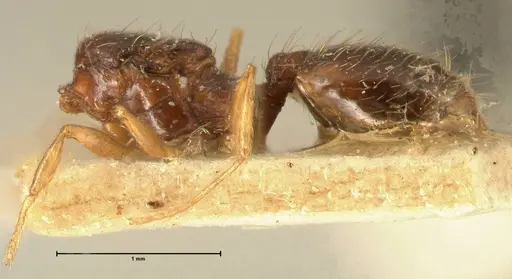
Literature
Loading distribution map...Loading products...