
Pheidole browni
- Sci. Name
- Pheidole browni
- Tribe
- Attini
- Subfamily
- Myrmicinae
- Author
- Wilson, 2003
- Distribution
- Found in 5 countries
Introduction
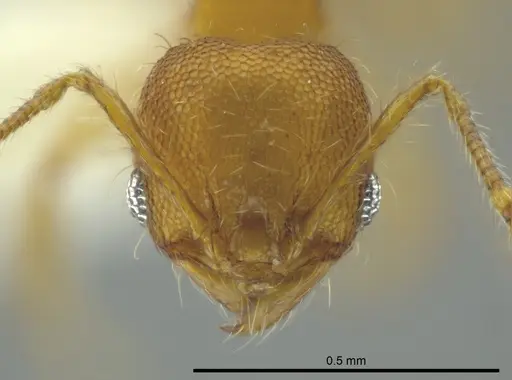
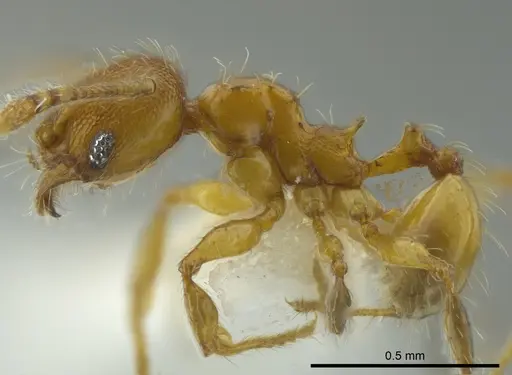
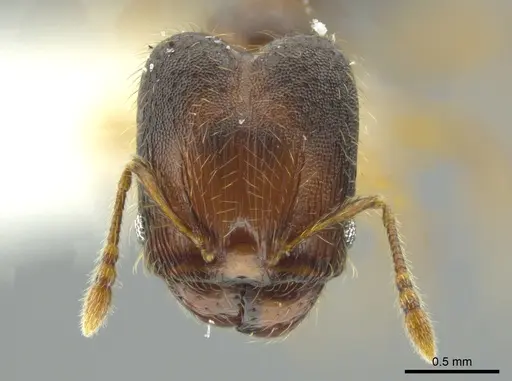
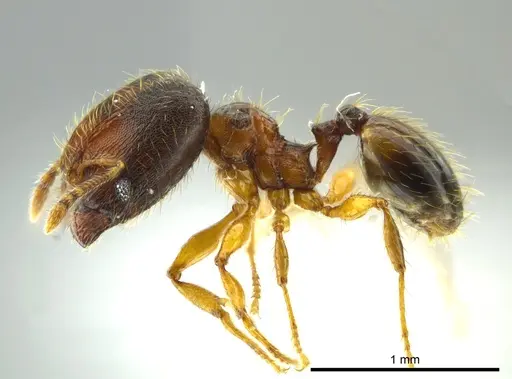
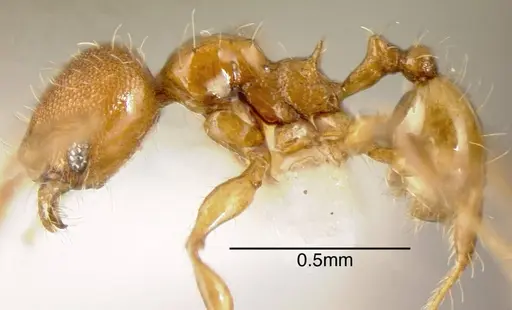
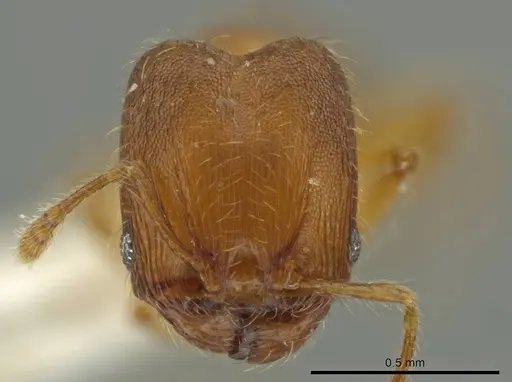
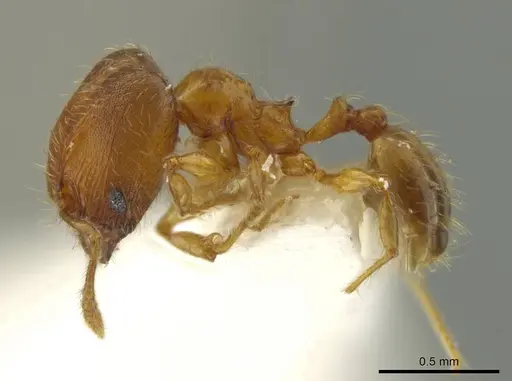
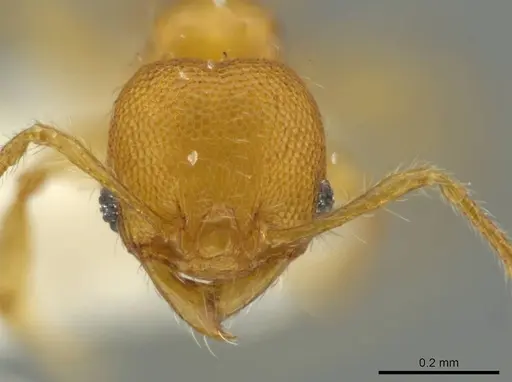
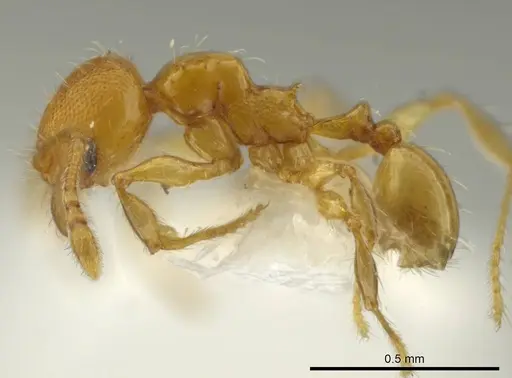
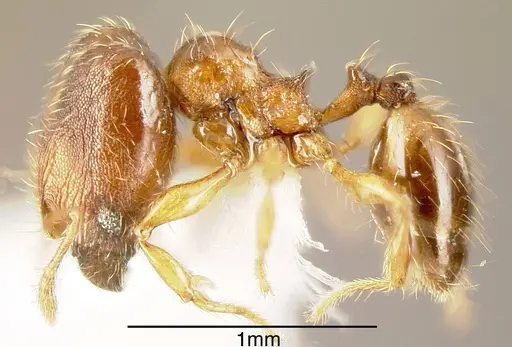
Pheidole browni is a small dimorphic ant native to the Neotropical rainforests of Central America. It has two worker castes: majors with elongated heads and light reddish-yellow coloration, and minors that are smaller and dark yellow. The species is found in wet lowland rainforest and cloud forest from sea level to 1100m elevation in Costa Rica, Guatemala, Honduras, Belize, Nicaragua, and Colombia . This species is notable for seed-caching behavior, with researchers finding seed caches in four out of five wild colonies. Colonies often spread across multiple nest sites on the forest floor, nesting in rotten sticks, dead wood, and occasionally nut husks .
Quick Summary
- Difficulty: Medium
- Origin & Habitat: Wet lowland rainforest and cloud forest of Central America, from sea level to 1100m elevation. Nests in rotten wood, dead sticks, and soil on the forest floor [3][1].
- Colony Type: Colonies appear to be monogyne based on typical Pheidole patterns, but this is not confirmed by direct study. Colonies can spread across multiple connected nest sites [3].
- Size & Growth:
- Queen: Approximately 5-7 mm (inferred from Pheidole genus patterns)
- Worker: Minor workers are small, major workers are larger, exact size data unavailable (inferred from Pheidole genus)
- Colony: Colony size unknown, inferred to be up to a few thousand workers based on typical Pheidole patterns
- Growth: Moderate
- Development: 6-8 weeks (estimated based on tropical conditions) (Development is likely faster due to warm native climate)
- Antkeeping:
- Temperature: Keep warm, around 24-28°C, based on their tropical habitat [3].
- Humidity: Keep nest substrate consistently moist but not waterlogged, as they inhabit wet forests [3].
- Diapause: No, tropical species do not require hibernation.
- Nesting: Use moisture-retaining nests like Y-tong, plaster, or naturalistic setups with damp soil. They naturally nest in rotting wood and soil [3].
- Behavior: This species is relatively calm and non-aggressive. Majors use their enlarged heads for defense and seed-cracking, while minors handle foraging and brood care. They are ground-nesting and may spread across multiple chambers. Standard escape prevention is sufficient.
- Common Issues: maintaining high humidity can be challenging, monitor substrate moisture regularly, colonies may be slow to establish during founding, patience is needed, multi-site nesting behavior may require more space as colonies grow, predatory ants like Simopelta are natural predators, keep colony secure
Nest Preferences and Housing
Pheidole browni naturally nests in rotting wood, dead sticks, and soil on the rainforest floor. In captivity, use moisture-retaining nests like Y-tong, plaster, or naturalistic setups with damp soil. Maintain high humidity without waterlogging. Provide a water tube and foraging area. Consider extra chambers for multi-site nesting as colonies grow [3].
Feeding and Diet
Omnivorous with seed-caching behavior. Feed protein sources like small insects 2-3 times per week, and constant carbohydrates like sugar water or honey. Experiment with small seeds, as observed in wild colonies. Remove uneaten food after 48 hours to prevent mold [3].
Temperature and Humidity
As a tropical species, keep temperatures between 24-28°C consistently. Humidity should be high, keep nest substrate moist but not waterlogged. Use a hygrometer to monitor conditions and a water tube for drinking water [3].
Colony Development and Growth
Colonies start with a queen that raises the first brood alone. First workers emerge in about 6-8 weeks under good conditions. Growth is moderate, major workers typically appear once the colony reaches around 50 workers. Colonies may spread across multiple chambers as they grow, reflecting their natural nesting behavior [3].
Behavior and Defense
This species is peaceful compared to some ants. Majors use their enlarged heads for defense and cracking seeds, while minors handle foraging and brood care. They possess a stinger but are not aggressive toward keepers. Standard escape prevention with Fluon or tight lids is sufficient [4][3].
Frequently Asked Questions
How long does it take for Pheidole browni to produce first workers?
Expect first workers in about 6-8 weeks after the queen lays eggs, assuming temperatures around 26°C. Development is faster than temperate species due to their tropical origin [3].
What do Pheidole browni ants eat?
They are omnivorous. Feed small insects for protein 2-3 times weekly, and provide constant access to sugar water or honey. Their seed-caching behavior suggests they may accept small seeds experimentally [3].
Do Pheidole browni ants need hibernation?
No. As a tropical species from lowland rainforest, they do not require hibernation. Keep temperatures stable year-round [3].
What humidity level do Pheidole browni need?
High humidity is essential, keep the nest substrate consistently moist but not waterlogged. This species naturally inhabits wet forest environments [3].
How big do Pheidole browni colonies get?
Colony size is unknown, but based on typical Pheidole patterns, they may reach up to a few thousand workers. They naturally spread across multiple nest sites in the wild [3].
What type of nest is best for Pheidole browni?
Use a moisture-retaining nest like Y-tong, plaster, or naturalistic setup with damp soil. They naturally nest in rotting wood and soil on the forest floor [3].
Are Pheidole browni good for beginners?
This is a medium-difficulty species. The main challenges are maintaining high humidity and providing proper nutrition. If you can keep conditions warm and humid consistently, they are manageable for intermediate antkeepers.
When do Pheidole browni alates (reproductives) appear?
Winged queens have been observed in nests in March in Costa Rica. Nuptial flights likely occur during the wet season in tropical regions [3].
Can I keep multiple queens together?
Not recommended. Pheidole browni appears to be monogyne in the wild. Combining unrelated queens has not been documented and may result in fighting.
Why are my Pheidole browni dying?
Common causes include: low humidity (tropical species need moist substrate), temperatures below 22°C, mold from overwatering or uneaten food, and stress during founding. Check your setup conditions first.
What makes Pheidole browni unique?
Their seed-caching behavior is unusual for Pheidole, researchers found seeds stored in 4 out of 5 wild colonies. They also spread colonies across multiple nest sites, which is less common in ants [3].
Report an Issue
The current care sheet is based fully on literature. See inconsistencies, or something that's incorrect? Please , it will be resolved after review from an admin. Contributing to the blogs tab also helps providing information, to make us be able to further improve the caresheets. Thank you for your support!
References

This caresheet is licensed under CC BY-SA 4.0 .
Community Blogs
CASENT0624050
View on AntWeb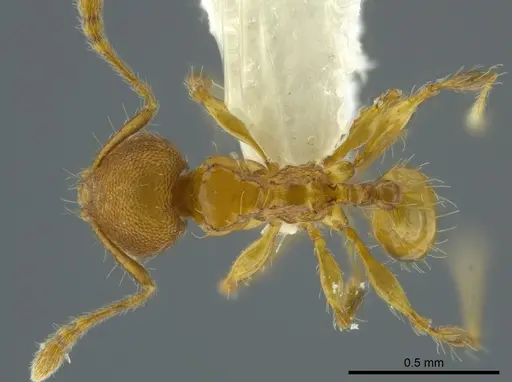
CASENT0624353
View on AntWeb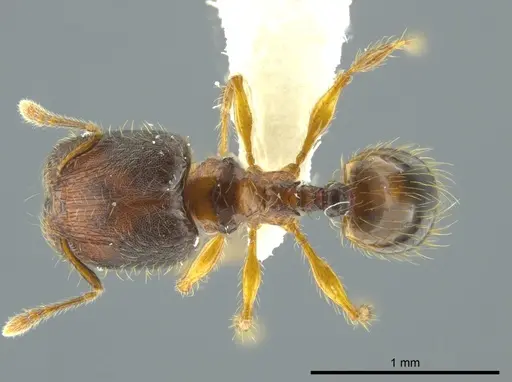
CASENT0635445
View on AntWeb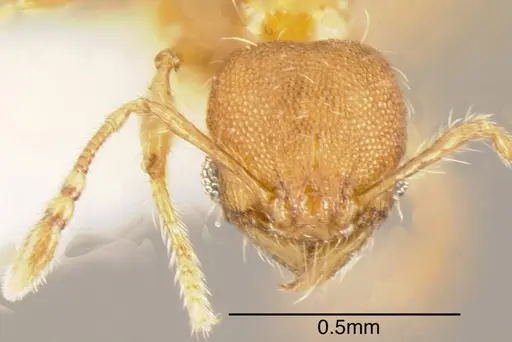
CASENT0644960
View on AntWeb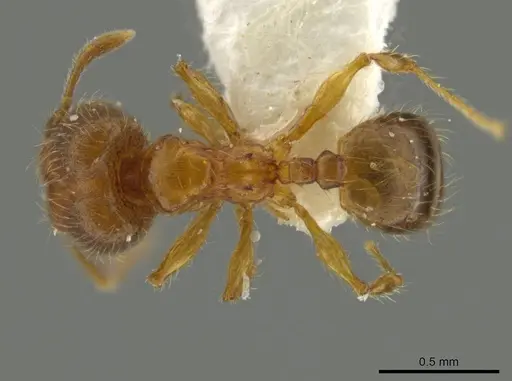
CASENT0644961
View on AntWeb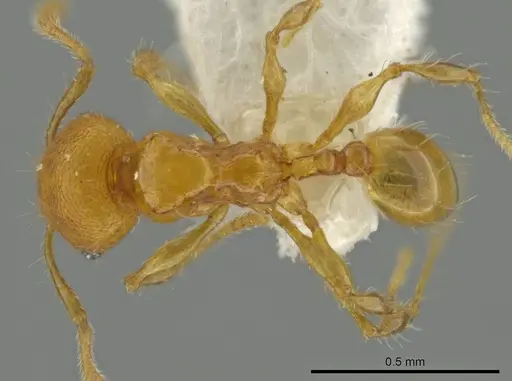
INBIOCRI001282121
View on AntWeb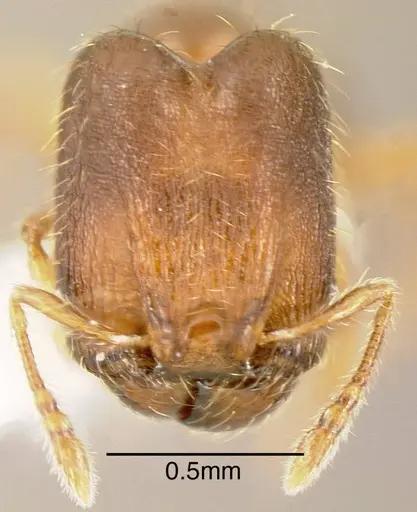
Literature
Loading distribution map...Loading products...