
Pheidole brevicona
- Sci. Name
- Pheidole brevicona
- Tribe
- Attini
- Subfamily
- Myrmicinae
- Author
- Mayr, 1887
- Distribution
- Found in 1 countries
Introduction
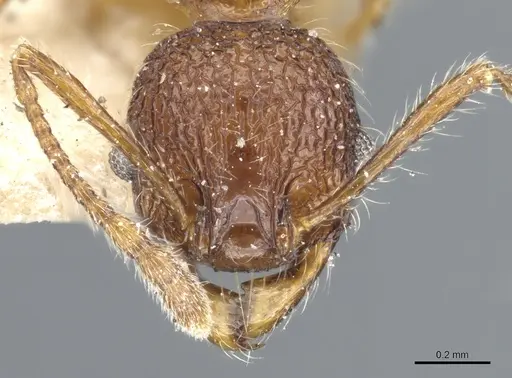
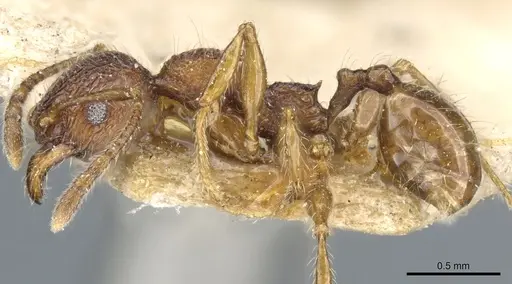
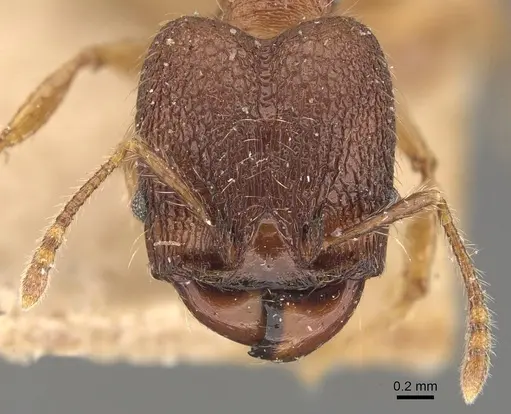
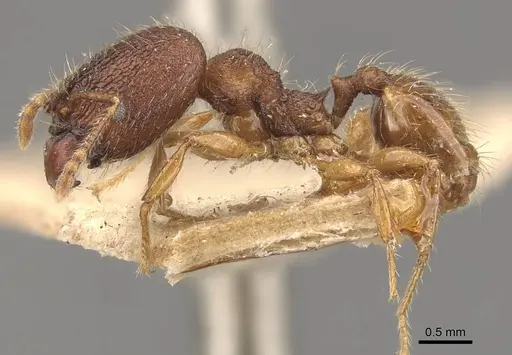
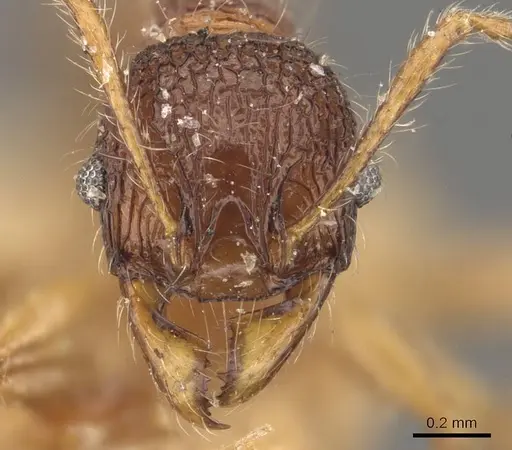
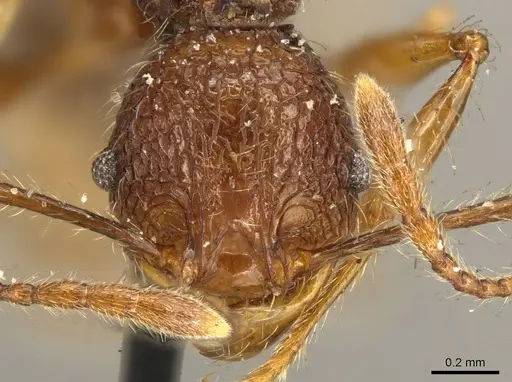
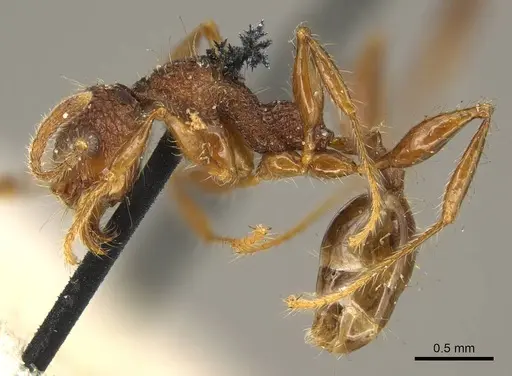
Pheidole brevicona is a small ant from southeastern Brazil, found in São Paulo and Santa Catarina states . It inhabits submontane semidecidual seasonal forest fragments . The species has distinct major and minor worker castes, with majors being heavily sculptured and minors smaller . This species is part of the tristis group and shows extensive rugoreticulation, but little is known about its biology .
Quick Summary
- Difficulty: Medium
- Origin & Habitat: Native to southeastern Brazil, in São Paulo and Santa Catarina states, inhabiting Atlantic Forest fragments [2][1].
- Colony Type: Colony structure is unconfirmed. No data on queen number or social structure exists.
- Size & Growth:
- Queen: Size data unavailable, no total length measurements provided in literature.
- Worker: Size data unavailable, no total length measurements provided in literature.
- Colony: Unknown, no data on colony size.
- Growth: Unknown, no data on growth rate.
- Development: Unknown, no data on development timeline. (Development is likely temperature-dependent, but no specific data exists.)
- Antkeeping:
- Temperature: Keep at warm temperatures, roughly 24-28°C, based on tropical habitat inference. No specific data available.
- Humidity: Keep nest substrate consistently moist but not waterlogged, as this species is from humid forests. No specific data available.
- Diapause: No, as a tropical species, diapause is unlikely. No data available.
- Nesting: Likely nests in soil or rotting wood in forest floors. In captivity, use Y-tong, plaster, or soil nests with moist substrate.
- Behavior: Pheidole species are generally docile. Majors may serve as soldiers, but no specific data for this species. Small size makes escape prevention critical.
- Common Issues: escape prevention is critical due to small size, minors can squeeze through tiny gaps, keep warm and humid to mimic natural habitat, cool rooms below 22°C may stress colonies, no specific data on diseases or parasites, wild-caught colonies may carry risks
Housing and Nest Setup
You should use appropriately scaled housing for these small ants. A Y-tong (AAC) nest or plaster nest works well, as both hold humidity effectively. The nest should have tight chambers suitable for minor workers. Always use excellent escape prevention, apply Fluon to rims and use fine mesh on ventilation [1].
Feeding and Diet
Pheidole ants are primarily granivorous, collecting and processing seeds [1]. In captivity, offer seeds like millet, protein sources like small insects, and sugar water. Provide protein 2-3 times per week and keep sugar sources available. Remove uneaten prey to prevent mold.
Temperature and Humidity
This species needs warm, humid conditions. Keep temperatures around 24-28°C with a gentle gradient. Humidity should be maintained with moist substrate, but avoid waterlogging.
Colony Development
Pheidole brevicona has major and minor worker castes. First workers are typically smaller than normal. Colony growth is slow with no specific data on timeline [1].
Behavior and Temperament
Pheidole species are docile and focus on foraging rather than aggression. Majors may process food, but no specific data for this species. Small size requires careful handling to prevent escapes.
Frequently Asked Questions
How long does it take for Pheidole brevicona to produce first workers?
Unknown, no data on development timeline exists. Founding queens may take longer as they raise brood alone.
What do Pheidole brevicona ants eat?
They are primarily seed-harvesters, like other Pheidole species [1]. Offer seeds, protein from insects, and sugar sources.
Can I keep multiple Pheidole brevicona queens together?
Not recommended without specific data. Most Pheidole species are monogyne, but no data for this species. Start with one queen per colony.
What temperature do Pheidole brevicona ants need?
Keep them at warm temperatures, roughly 24-28°C, based on tropical habitat inference. No specific data available.
How big do Pheidole brevicona colonies get?
Colony size is unknown, no data exists on maximum workers.
Do Pheidole brevicona ants need hibernation?
No, as a tropical species, diapause is unlikely. No data available.
When should I move Pheidole brevicona to a formicarium?
Wait until the colony has a stable number of workers, but no specific data exists. Test tube setups work well for founding colonies.
Why are my Pheidole brevicona ants escaping?
Their small size makes them excellent escape artists. Use fine mesh and apply barriers to all rims [1].
Is Pheidole brevicona good for beginners?
Medium difficulty. They are docile, but their small size and unknown specific needs make them slightly challenging.
Report an Issue
The current care sheet is based fully on literature. See inconsistencies, or something that's incorrect? Please , it will be resolved after review from an admin. Contributing to the blogs tab also helps providing information, to make us be able to further improve the caresheets. Thank you for your support!
References

This caresheet is licensed under CC BY-SA 4.0 .
Community Blogs
CASENT0904336
View on AntWeb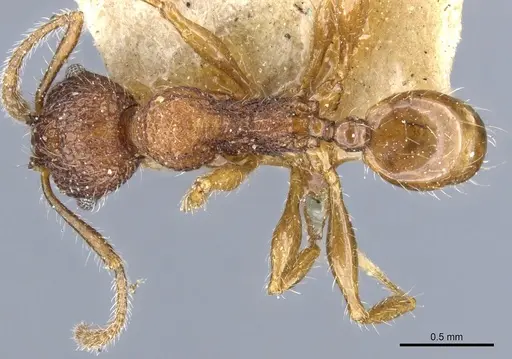
CASENT0908100
View on AntWeb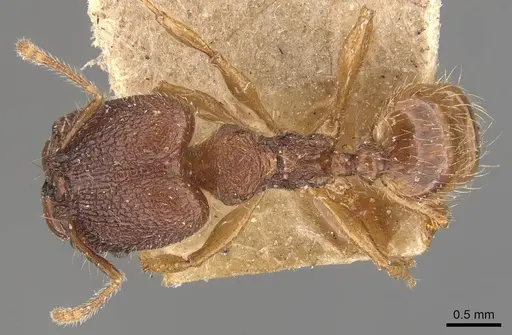
CASENT0908101
View on AntWeb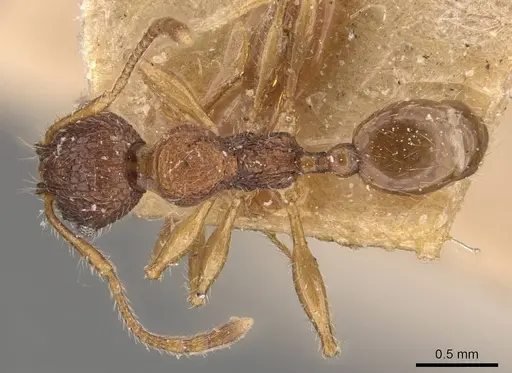
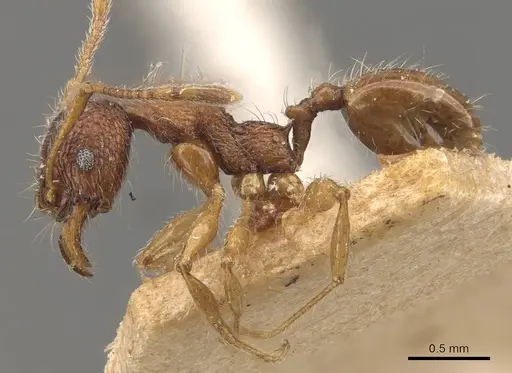
CASENT0916052
View on AntWeb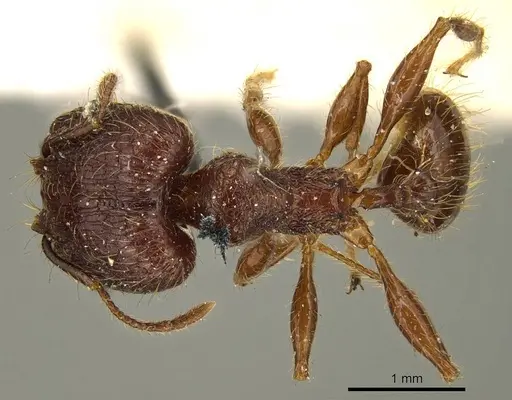
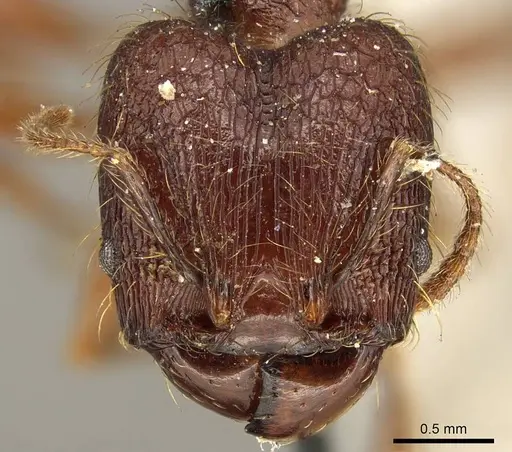
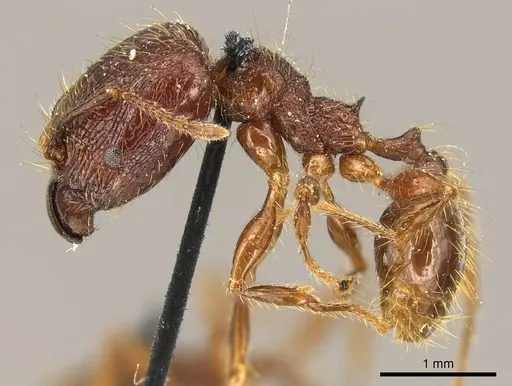
CASENT0916053
View on AntWeb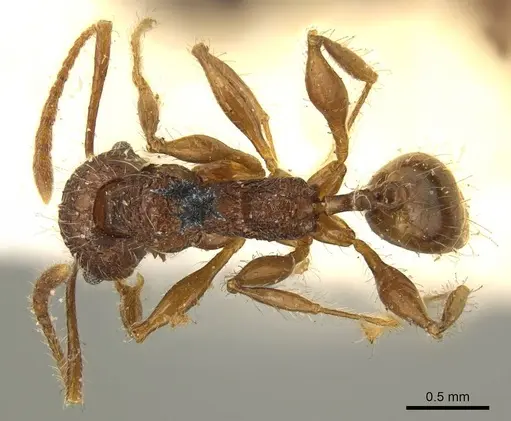
Literature
Loading distribution map...Loading products...