
Pheidole brandaoi
- Sci. Name
- Pheidole brandaoi
- Tribe
- Attini
- Subfamily
- Myrmicinae
- Author
- Wilson, 2003
- Distribution
- Found in 4 countries
Introduction
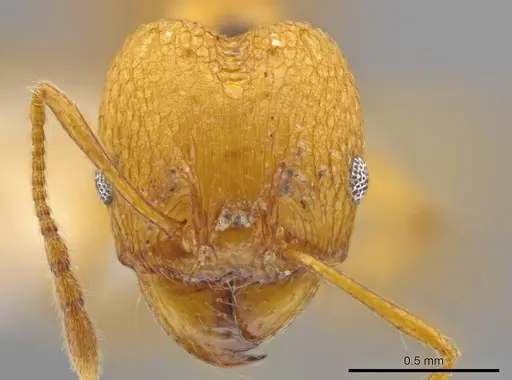
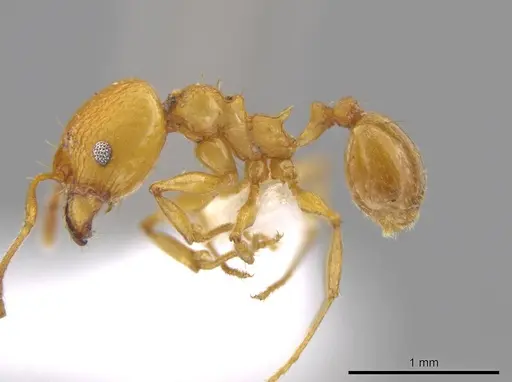
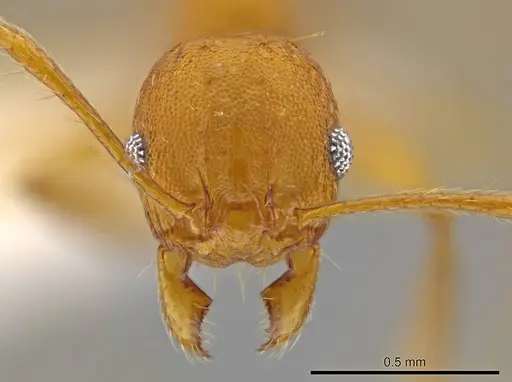
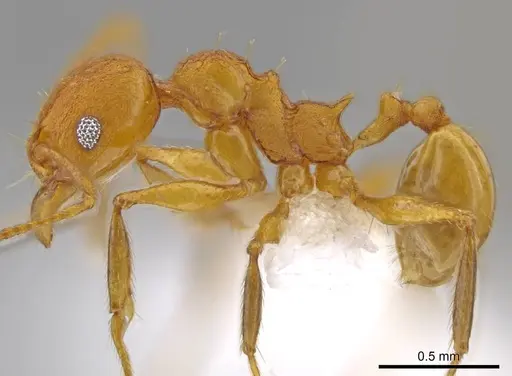
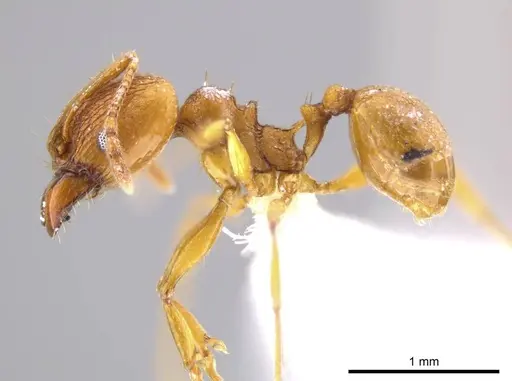
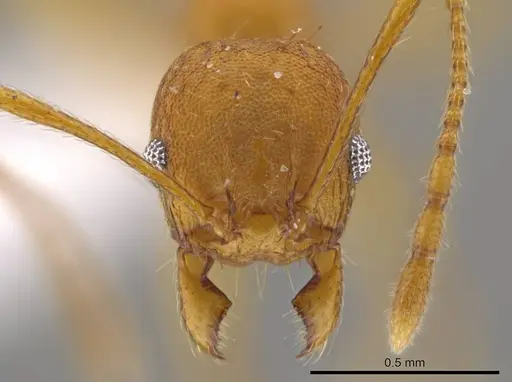
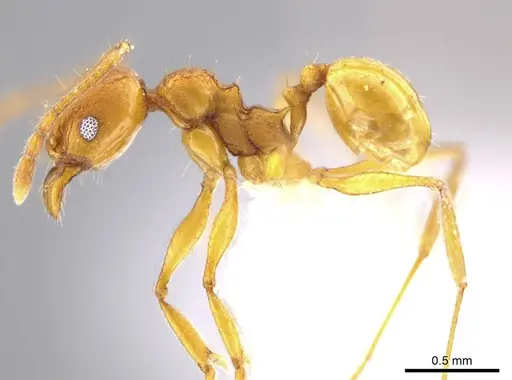
Pheidole brandaoi is a small yellow ant described by Wilson in 2003 . Major workers have dark yellow bodies with light yellow appendages, while minor workers are uniform medium yellow . The species is known from lowland rainforest in Colombia's Valle del Cauca region, with records from Guatemala, Honduras, and Nicaragua . This species is part of the Pheidole genus, which is diverse, but P. brandaoi has a limited distribution in the Neotropics.
Quick Summary
- Difficulty: Medium
- Origin & Habitat: Native to lowland rainforest in the Neotropical region, specifically Valle del Cauca in Colombia [3]. Also recorded from Guatemala, Honduras, and Nicaragua [2].
- Colony Type: Colony structure is unconfirmed, no specific data on queen number or social structure.
- Size & Growth:
- Queen: Size data unavailable, no total length measurements in research.
- Worker: Size data unavailable, no total length measurements in research.
- Colony: Up to a few thousand workers.
- Growth: Moderate.
- Development: 6-10 weeks at optimal temperature [1]. (Development time is estimated from related species, specific data for P. brandaoi is unavailable.)
- Antkeeping:
- Behavior: Temperament is unconfirmed, but likely similar to other Pheidole species. Escape risk is moderate due to small size. Diet details are not specified in research.
- Common Issues: tropical species may struggle in cool rooms without heating, high humidity needs mean drying out is a common problem, small colony size initially makes them vulnerable to stress, limited data means unexpected issues may arise
Nest Preferences
Pheidole brandaoi originates from lowland rainforest habitats in Colombia, where they likely nest in soil or rotting wood [1]. In captivity, Y-tong (AAC) nests work well because they provide tight chambers that Pheidole species prefer. Plaster nests are also suitable as they help maintain humidity. Test tube setups can work for founding colonies, but monitor humidity carefully as they dry out faster than dedicated nests. Avoid setups with large, open spaces, these ants do better in compact, chambered environments.
Feeding and Diet
Diet details for Pheidole brandaoi are not specified in the research. Based on general Pheidole behavior, they may consume seeds and insects, but this is unconfirmed. Offer a variety of foods and observe preferences. Remove uneaten food periodically to prevent mold.
Temperature and Care
This is a tropical lowland species that requires warm temperatures. Keep the nest area at roughly 24-28°C for optimal brood development [1]. A heating cable placed on top of the nest helps maintain warmth. Room temperature may be too cool depending on your climate, use a digital thermometer to monitor. Unlike temperate species, they do not need a diapause period. Maintain warm conditions year-round.
Behavior and Temperament
Pheidole brandaoi has the characteristic big-headed major workers of the genus, used for defense and general tasks. Workers are active foragers that will readily search for food. They are not particularly aggressive toward keepers and rarely sting. The minor workers handle most day-to-day tasks while majors focus on food processing and defense. Colonies become more active and visible as they grow.
Growth and Development
Specific development data for P. brandaoi is not available. Based on typical Pheidole genus patterns, expect 6-10 weeks from egg to first worker at optimal temperature [1]. Initial colonies grow slowly as the queen raises her first workers alone. Once the first workers emerge, growth typically accelerates. Patience is essential during the founding phase, disturbing the colony during this time can be fatal.
Frequently Asked Questions
How long does it take for Pheidole brandaoi to produce first workers?
Expect 6-10 weeks from egg to first worker at optimal temperature (24-28°C) [1]. This is based on typical Pheidole genus development patterns, as specific data for this species is unavailable.
What do Pheidole brandaoi ants eat?
Diet details are not specified in research. Based on general Pheidole behavior, they may consume seeds and insects, but this is unconfirmed. Offer a variety of foods and observe preferences.
Do Pheidole brandaoi ants need hibernation?
No. This is a tropical species from lowland rainforest in Colombia. They do not require diapause and need warm temperatures year-round.
What temperature is ideal for Pheidole brandaoi?
Keep them at roughly 24-28°C. As a tropical lowland species, they prefer warm conditions [1].
Are Pheidole brandaoi good for beginners?
They are rated as Medium difficulty. The main challenges are maintaining high humidity and warm temperatures year-round. If you can provide consistent tropical conditions, they are a rewarding species to keep.
How big do Pheidole brandaoi colonies get?
Specific data is unavailable, but Pheidole colonies commonly reach up to a few thousand workers.
Can I keep multiple Pheidole brandaoi queens together?
Not recommended. There is no data on colony founding behavior for this specific species. Most Pheidole species are monogyne (single-queen), and combining unrelated queens typically leads to fighting.
What type of nest is best for Pheidole brandaoi?
Y-tong (AAC) or plaster nests work well. These provide tight chambers that Pheidole species prefer and maintain humidity effectively [1].
Why is my Pheidole brandaoi colony dying?
Common causes include: temperatures too cool (below 24°C), low humidity causing desiccation, stress during founding phase, or poor nutrition. Ensure warm, humid conditions and offer a balanced diet.
Report an Issue
The current care sheet is based fully on literature. See inconsistencies, or something that's incorrect? Please , it will be resolved after review from an admin. Contributing to the blogs tab also helps providing information, to make us be able to further improve the caresheets. Thank you for your support!
References

This caresheet is licensed under CC BY-SA 4.0 .
Community Blogs
CASENT0611585
View on AntWeb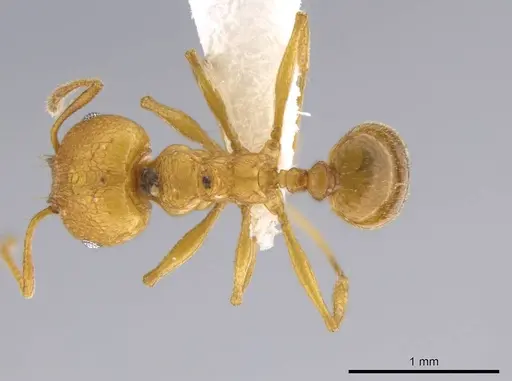
CASENT0611587
View on AntWeb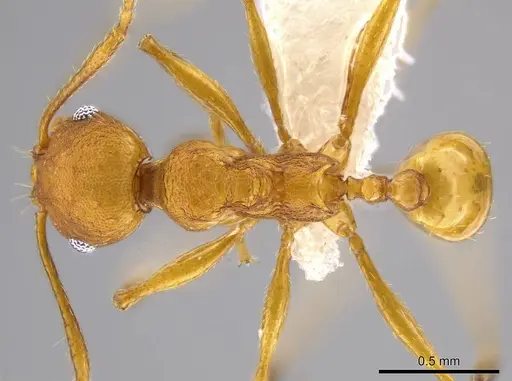
CASENT0618082
View on AntWeb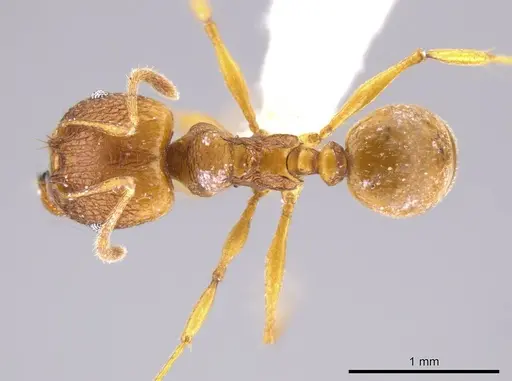
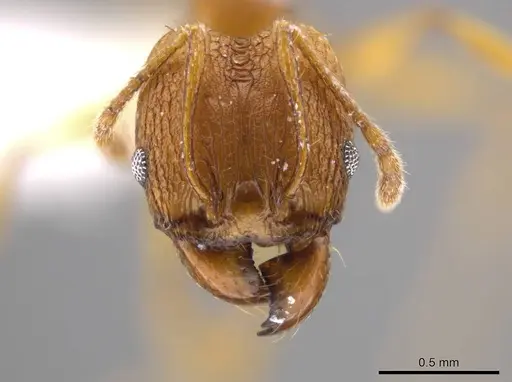
CASENT0618083
View on AntWeb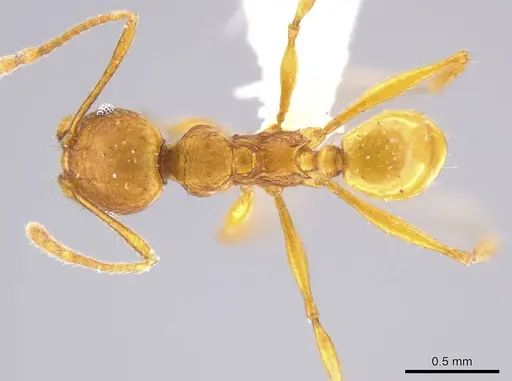
Literature
Loading distribution map...Loading products...