
Pheidole boltoni
- Sci. Name
- Pheidole boltoni
- Tribe
- Attini
- Subfamily
- Myrmicinae
- Author
- Wilson, 2003
- Distribution
- Found in 1 countries
Introduction
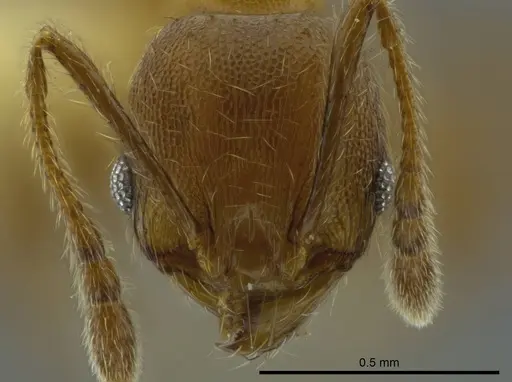
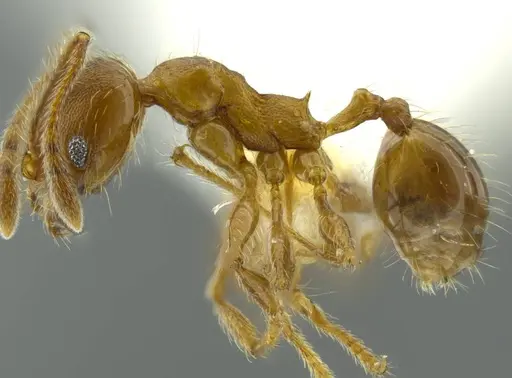
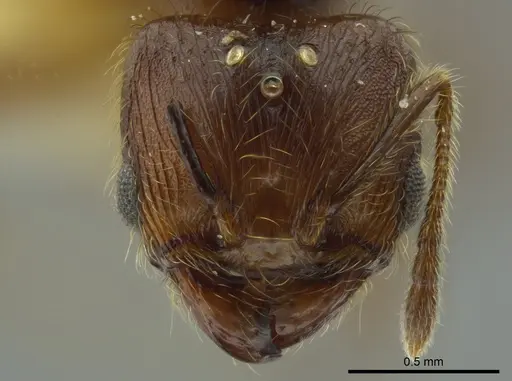
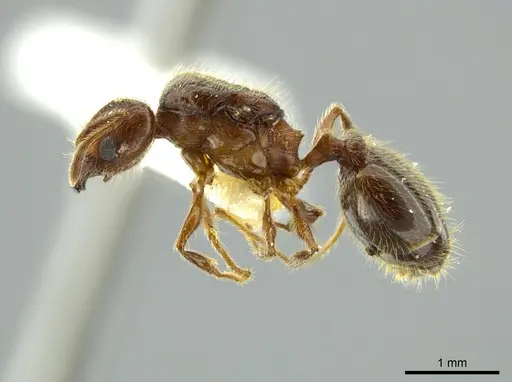
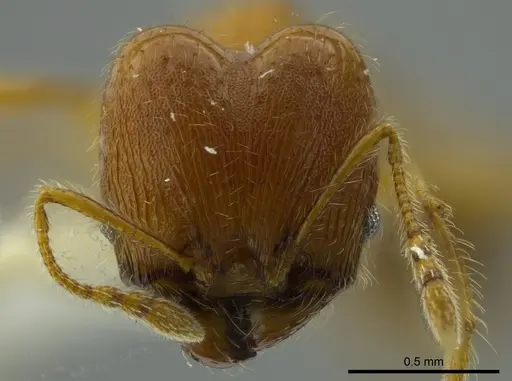
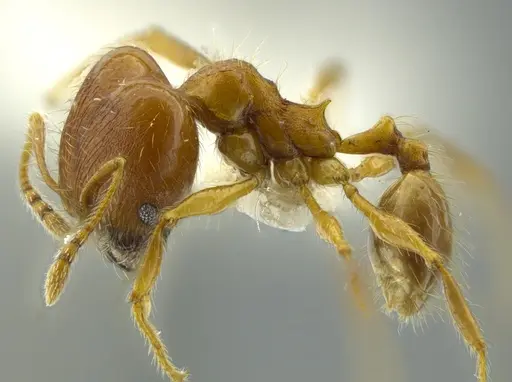
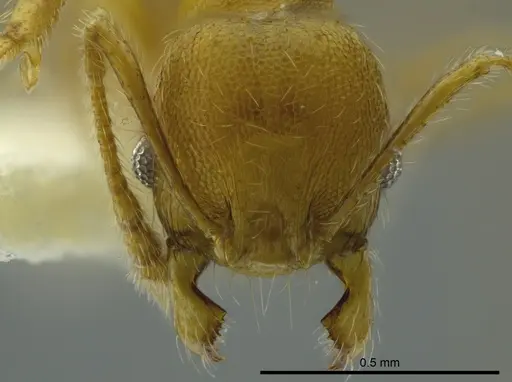
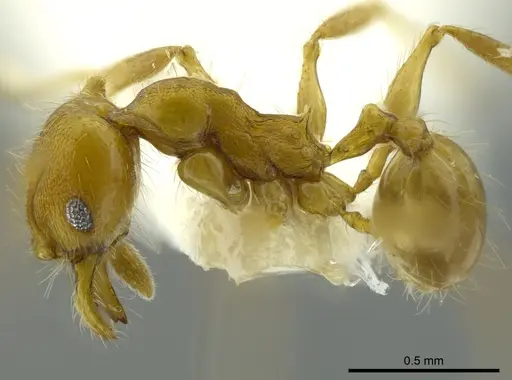
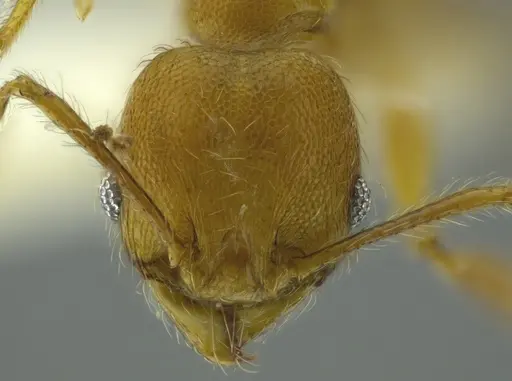
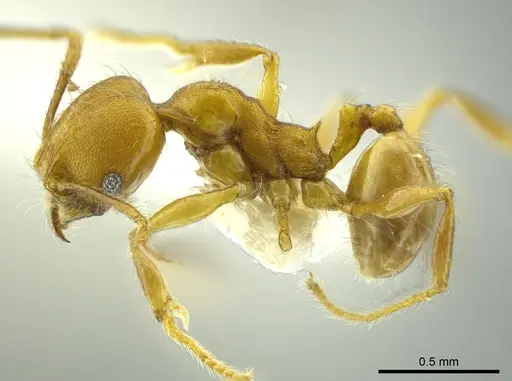
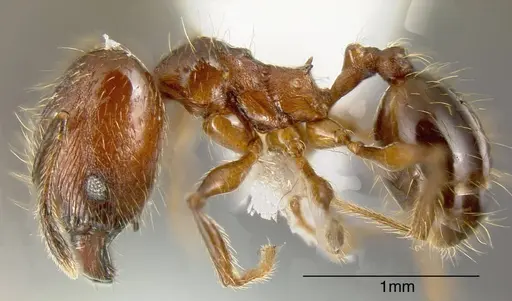
Pheidole boltoni is a small, bicolorous ant species native to the montane cloud forests of Costa Rica. Major workers have a dark reddish-yellow head with a lighter reddish-brown body, while minor workers are uniformly dark yellow. This species belongs to the "carapuna complex" near the flavens group and was originally described as Pheidole humida in 2003 but synonymized with P. boltoni in 2009 . This ant is a montane cloud forest specialist, found only in Costa Rica at elevations between 1500m and 2000m, which is the upper edge of ant occurrence in the tropics. Nests are collected under epiphyte mats in fallen branches and trees, or in rotting logs .
Quick Summary
- Difficulty: Expert
- Origin & Habitat: Montane cloud forests of Costa Rica, at elevations of 1500m-2000m [3][2].
- Colony Type: Unconfirmed, no specific data on queen number or social structure for this species.
- Size & Growth:
- Queen: Size data unavailable, no total length measurements provided in literature.
- Worker: Size data unavailable, measurements in literature are head widths, not full body length.
- Colony: Up to several hundred workers
- Growth: Moderate
- Development: Estimated 6-8 weeks (Development time inferred from typical Pheidole genus patterns, no specific data for this species.)
- Antkeeping:
- Temperature: Keep cool, roughly 18-22°C, based on montane cloud forest habitat [3][2]. Avoid temperatures above 25°C.
- Humidity: Keep nest substrate consistently moist but not waterlogged, based on cloud forest habitat [3][2].
- Diapause: No, tropical montane species experience cool year-round temperatures [3][2].
- Nesting: In nature, nests under epiphyte mats in fallen branches and rotting logs [3][2]. In captivity, use moist substrate setups like plaster or Y-tong nests with high humidity.
- Behavior: Pheidole boltoni has a functional stinger but is not aggressive. Based on subfamily Myrmicinae, they can sting but are less medically significant. Escape risk is moderate due to their small size.
- Common Issues: overheating above 25°C can be fatal., low humidity causes colony decline., extremely rare in hobby due to limited range and specialized habitat., slow growth may frustrate beginners.
Temperature and Cooling Requirements
As a montane cloud forest species, Pheidole boltoni needs cool temperatures. Keep them between 18°C and 22°C, based on their natural habitat [3][2]. Avoid temperatures above 25°C, as this can be fatal. Use passive cooling methods if your room is warm, such as placing the nest in a cool location.
Humidity and Moisture
High humidity is essential for this cloud forest species. Keep the nest substrate consistently moist but not waterlogged, based on their natural habitat [3][2]. Use plaster nests or Y-tong setups with water reservoirs to maintain moisture.
Nest Setup and Housing
In the wild, P. boltoni nests under epiphyte mats in fallen branches and rotting logs [3][2]. In captivity, use naturalistic setups with moist substrate, such as plaster nests or Y-tongs with high humidity. Avoid dry test tube setups.
Feeding and Diet
Diet information is not available in the research context. Based on typical Pheidole genus patterns, they are likely omnivores that accept small insects and sugars. Offer protein sources like fruit flies or mealworms 2-3 times per week, and keep sugar water available constantly.
Colony Development and Growth
Colony development is inferred from genus patterns. Expect 6-8 weeks from egg to first worker at optimal temperature. Colonies grow slowly compared to lowland species, so patience is key. Major workers typically appear after the colony reaches several dozen workers.
Finding and Acquiring This Species
Pheidole boltoni is extremely rare in the hobby due to its limited range in Costa Rican cloud forests [3][2]. It is not available at typical suppliers and may require specialized breeders. Do not release this species in non-native areas.
Frequently Asked Questions
Is Pheidole boltoni a good species for beginners?
No, this is an expert-level species due to its specific temperature and humidity needs [3][2].
What temperature should I keep Pheidole boltoni at?
Keep them cool, between 18°C and 22°C, based on their montane habitat [3][2]. Avoid above 25°C.
How do I set up a nest for Pheidole boltoni?
Use a moist setup like plaster or Y-tong nests with high humidity, mimicking their natural nesting in epiphyte mats and rotting logs [3][2].
What do Pheidole boltoni eat?
Diet is unconfirmed from research. Based on genus patterns, offer small insects and sugars.
How long does it take for the first workers to emerge?
Estimated 6-8 weeks from egg to worker, inferred from typical Pheidole development patterns.
Where is Pheidole boltoni naturally found?
Only in montane cloud forests of Costa Rica at 1500m-2000m elevation [3][2].
Can I keep multiple queens together?
No data exists for this species. House a single queen per colony until confirmed otherwise.
Why is Pheidole boltoni so difficult to find?
It lives at the upper edge of ant elevation range in the tropics, where ant abundance drops dramatically [3][2].
Does Pheidole boltoni need hibernation?
No, as a tropical montane species, it experiences cool year-round temperatures [3][2].
Report an Issue
The current care sheet is based fully on literature. See inconsistencies, or something that's incorrect? Please , it will be resolved after review from an admin. Contributing to the blogs tab also helps providing information, to make us be able to further improve the caresheets. Thank you for your support!
References

This caresheet is licensed under CC BY-SA 4.0 .
Community Blogs
CASENT0624221
View on AntWeb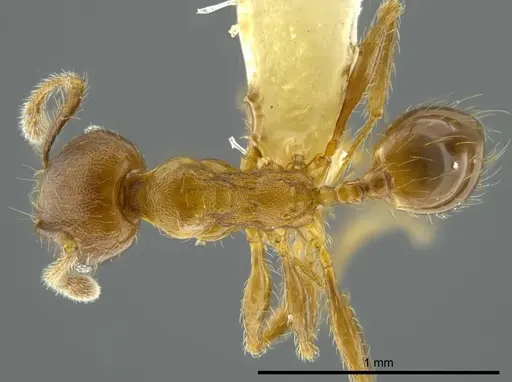
CASENT0624222
View on AntWeb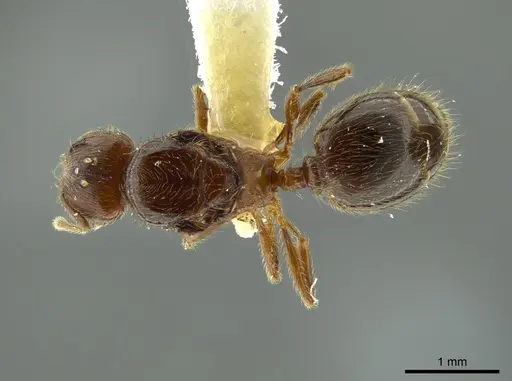
CASENT0624223
View on AntWeb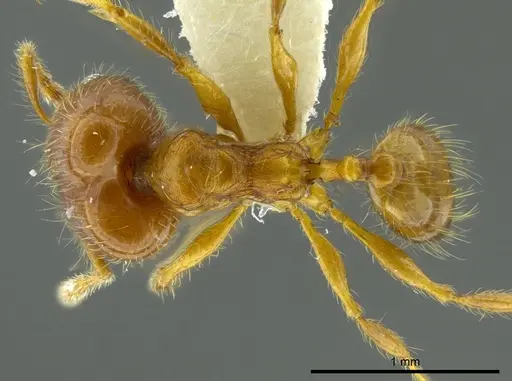
CASENT0624224
View on AntWeb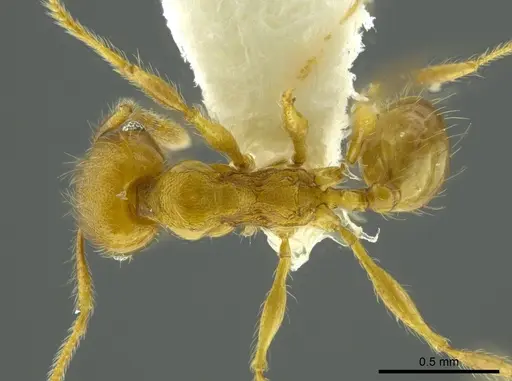
CASENT0624225
View on AntWeb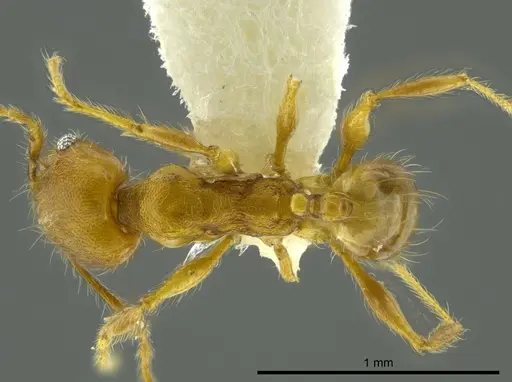
CASENT0635442
View on AntWeb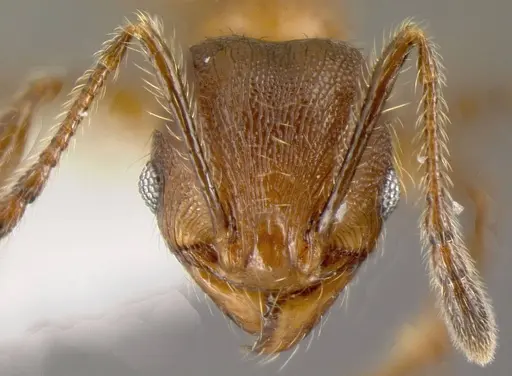
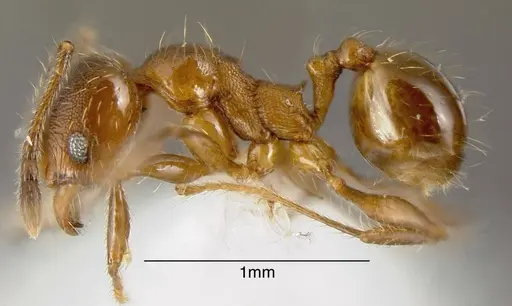
INBIOCRI002279980
View on AntWeb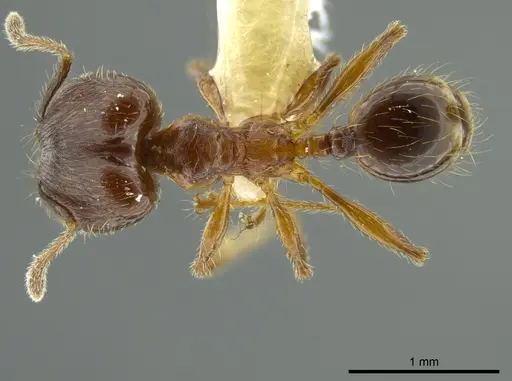
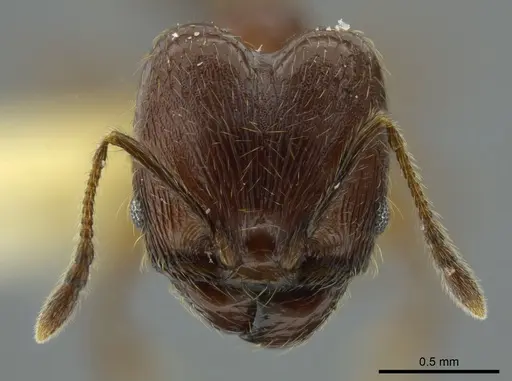
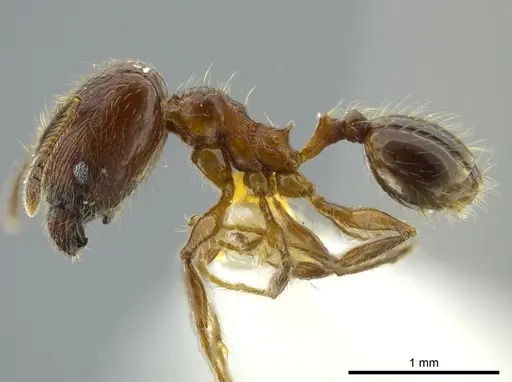
JTLC000001497
View on AntWeb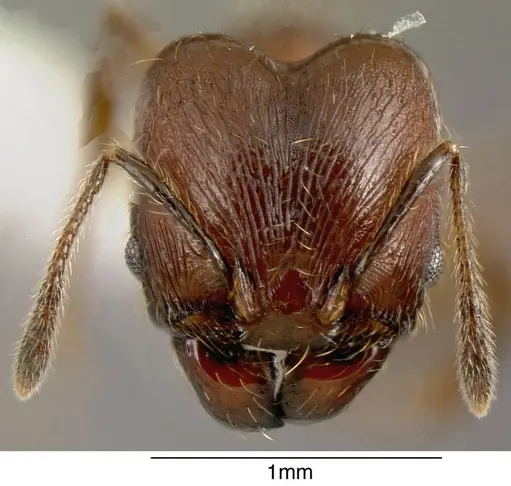
Literature
Loading distribution map...Loading products...