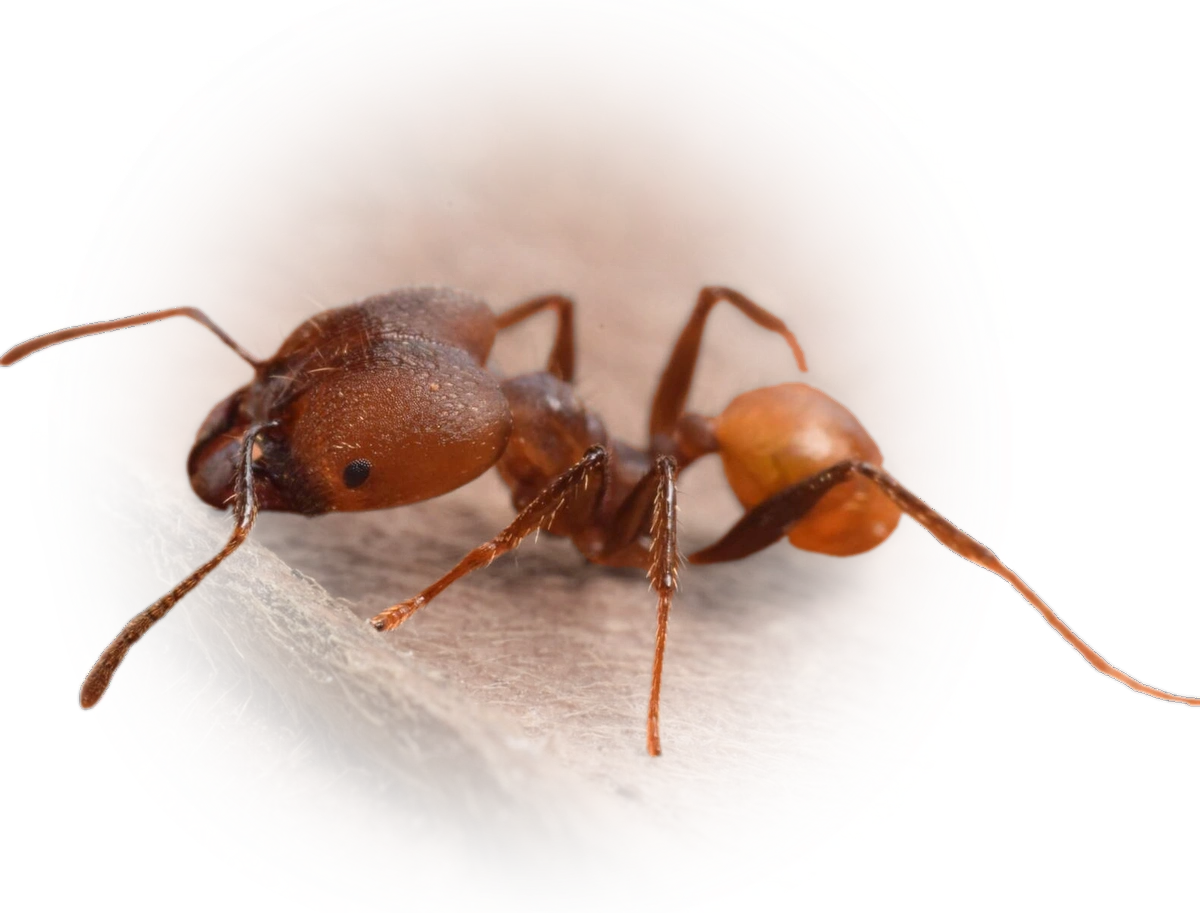
Pheidole biconstricta
- Sci. Name
- Pheidole biconstricta
- Tribe
- Attini
- Subfamily
- Myrmicinae
- Author
- Mayr, 1870
- Distribution
- Found in 11 countries
Introduction
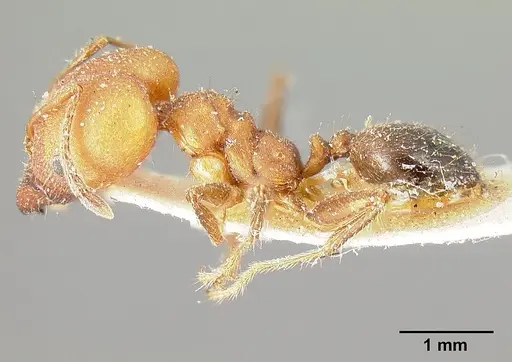
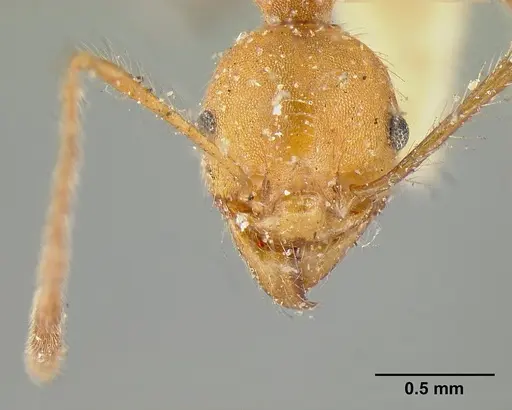
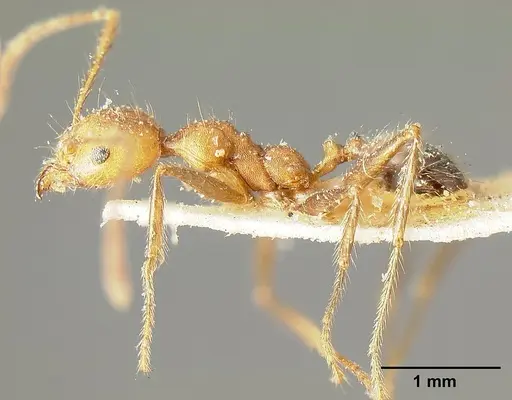
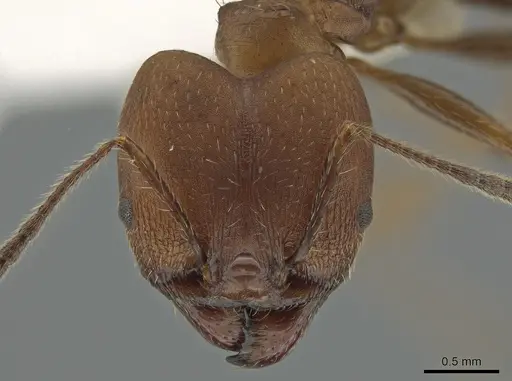
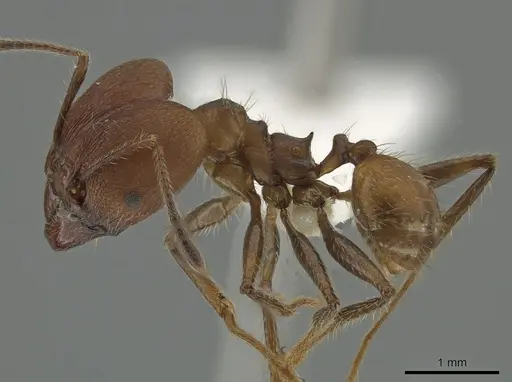
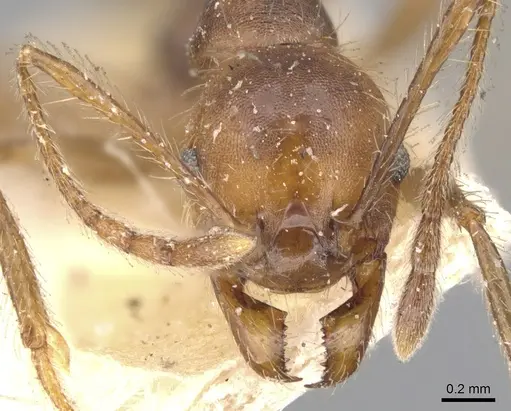
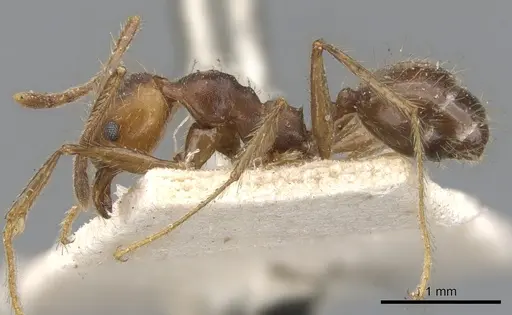
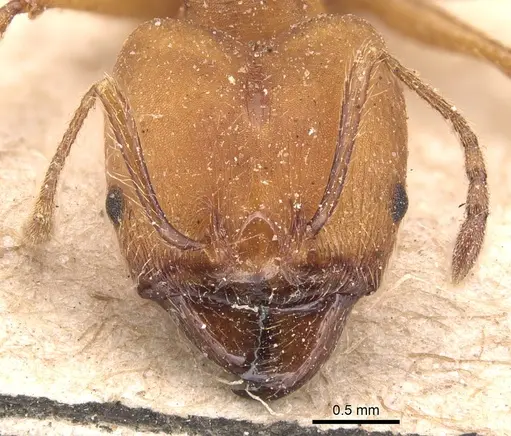
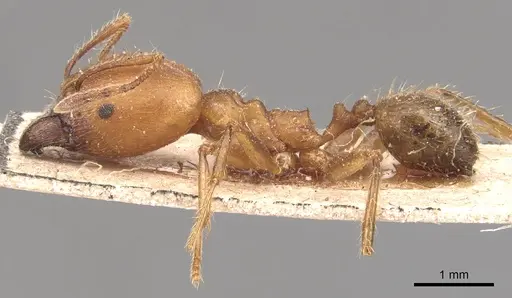
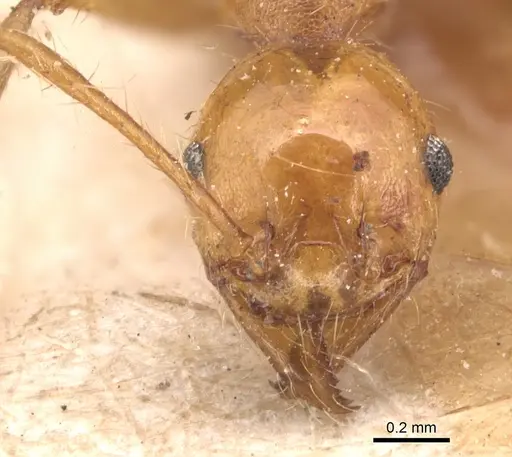
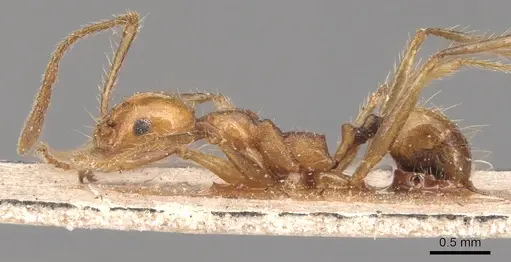
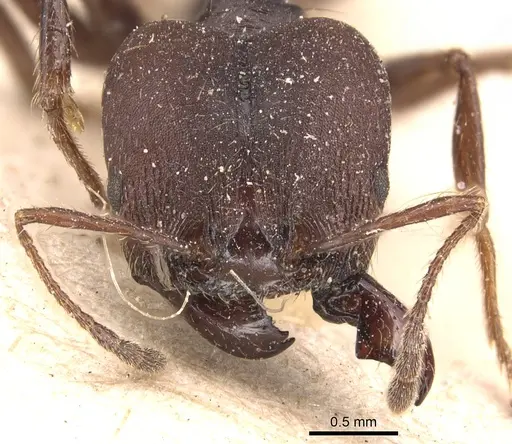
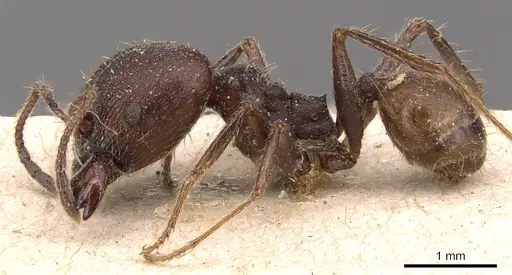
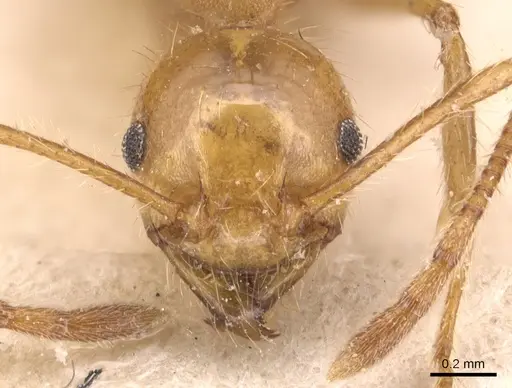
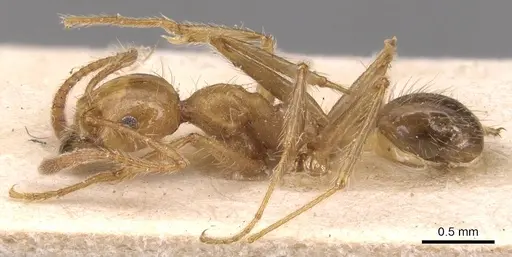
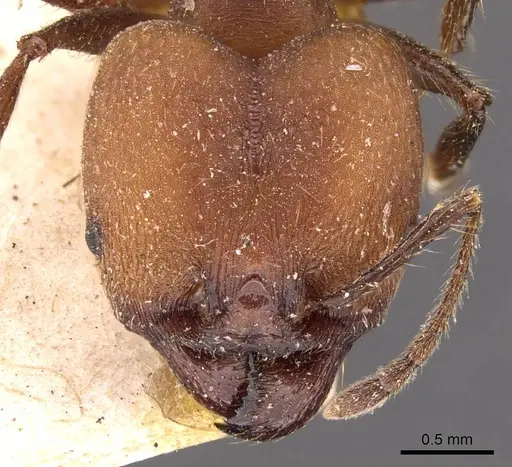
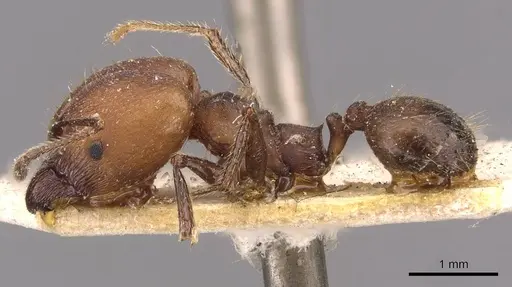
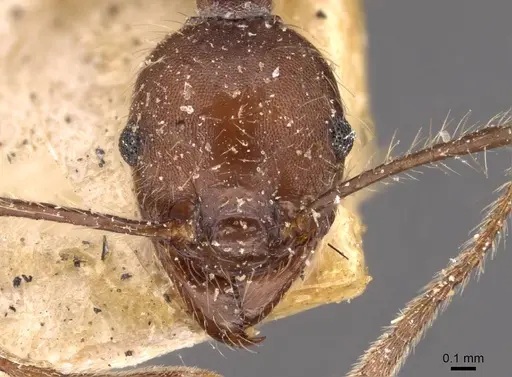
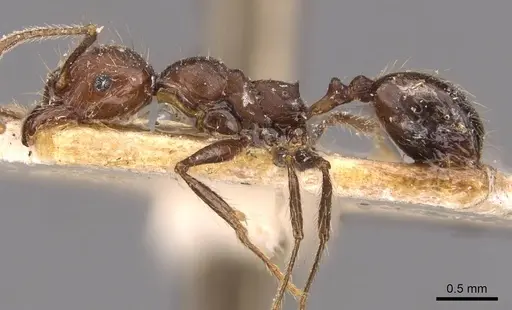
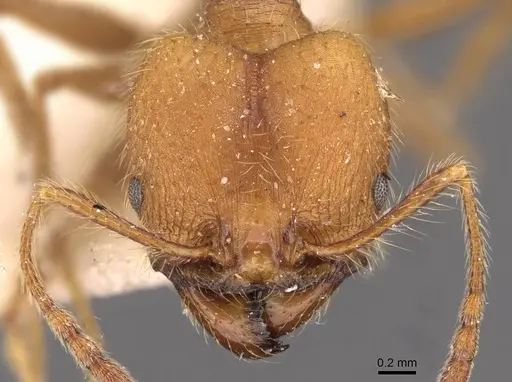
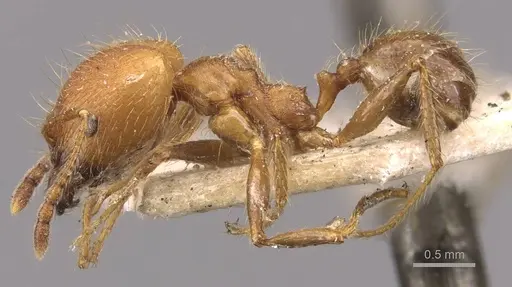
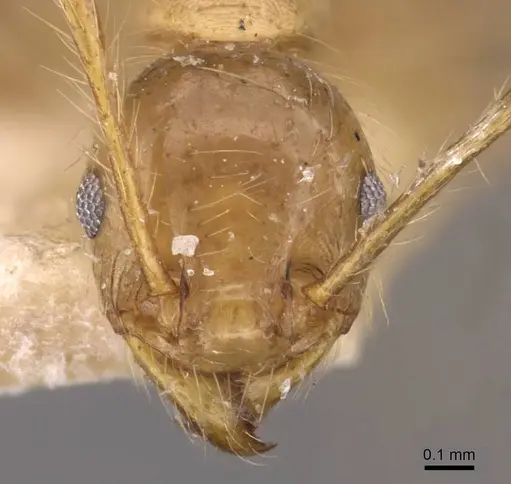
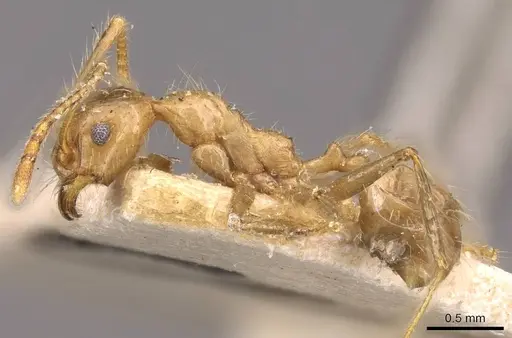
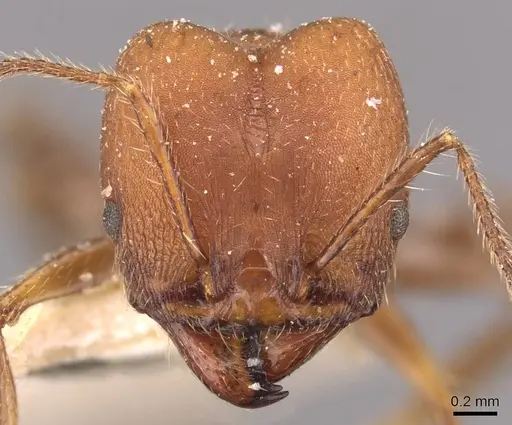
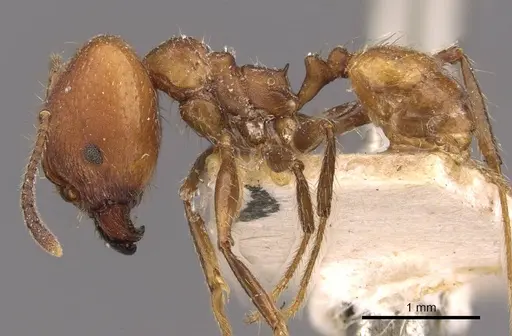
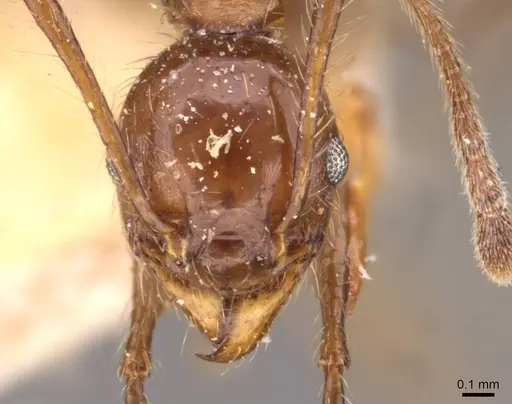
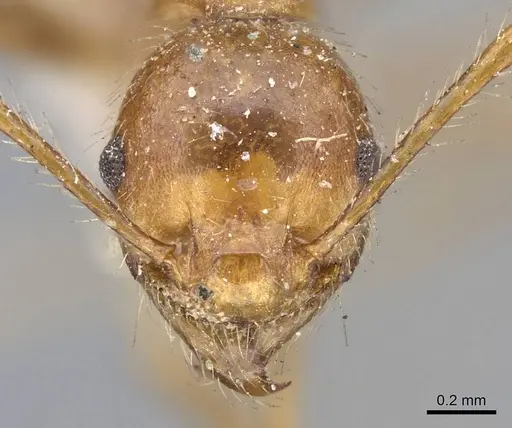
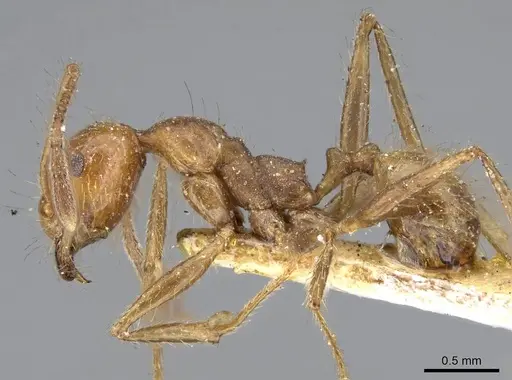
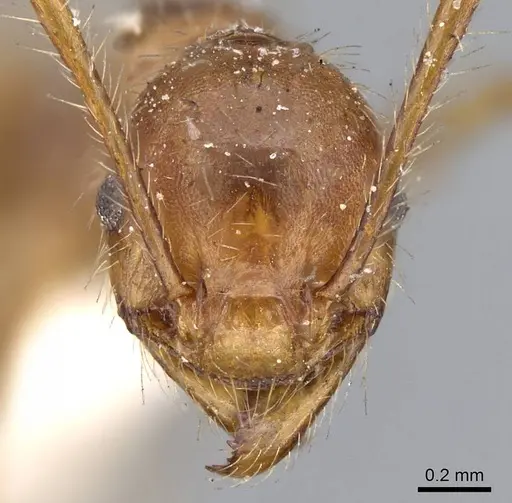
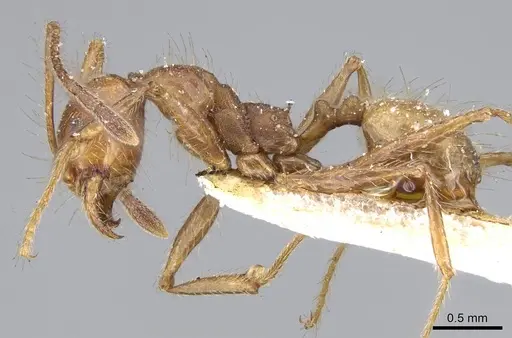
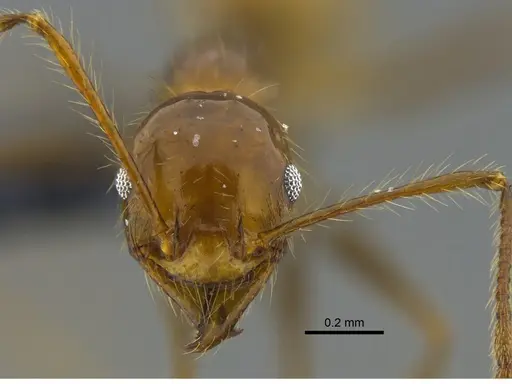
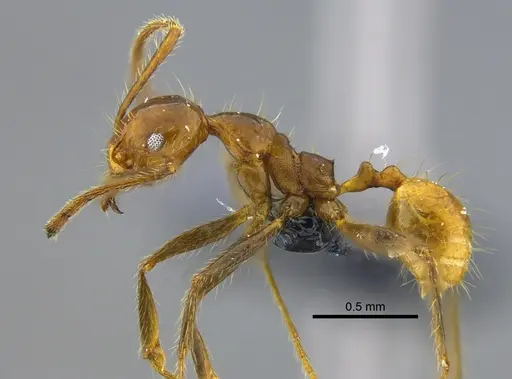
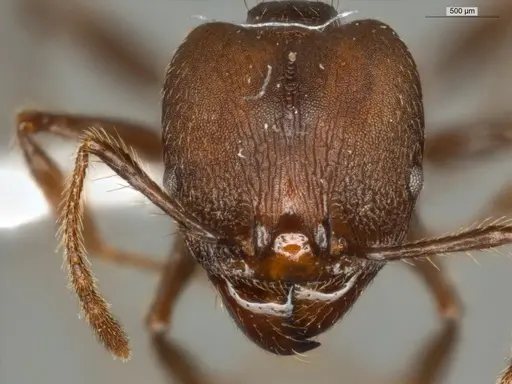
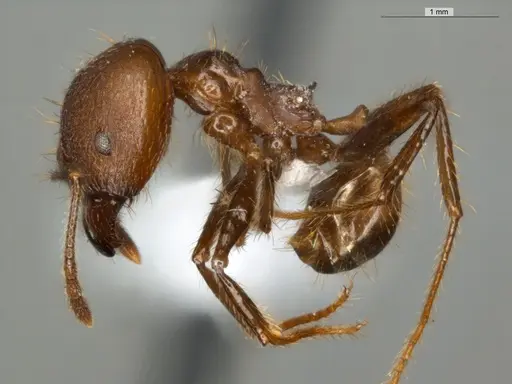
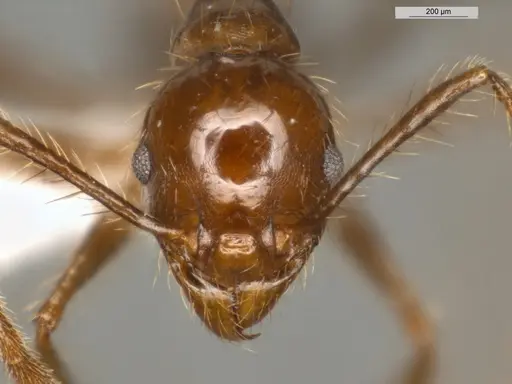
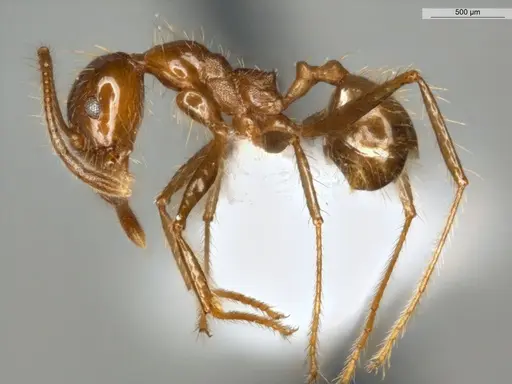
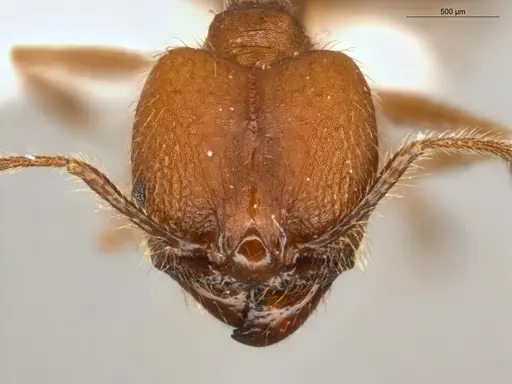
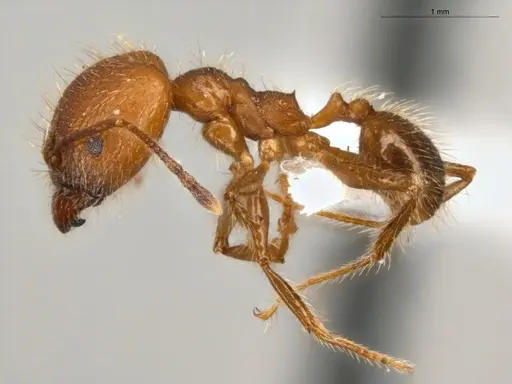
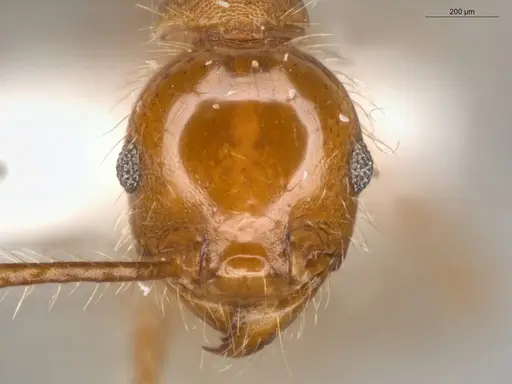
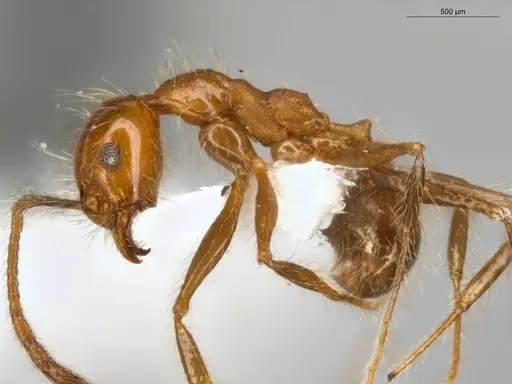
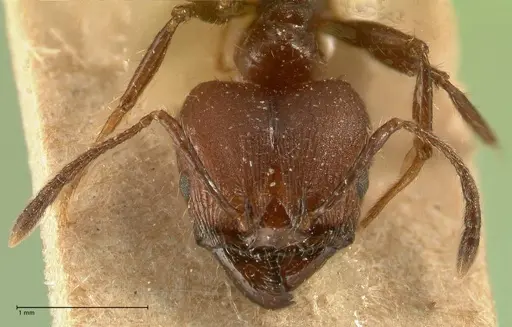
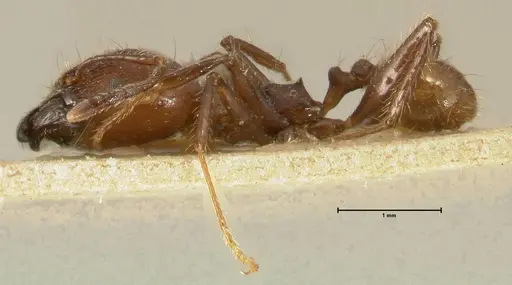
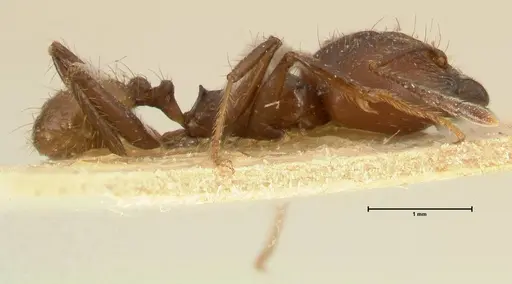
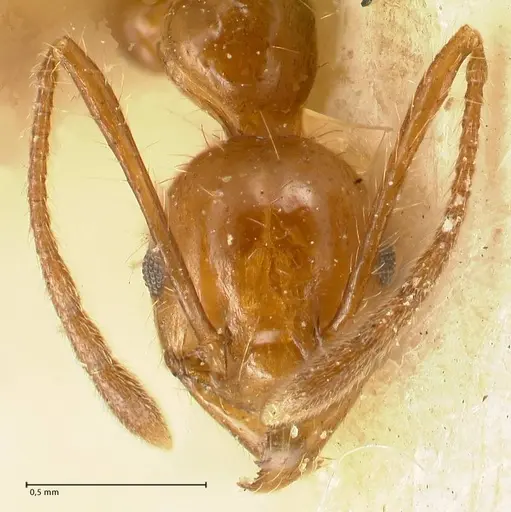
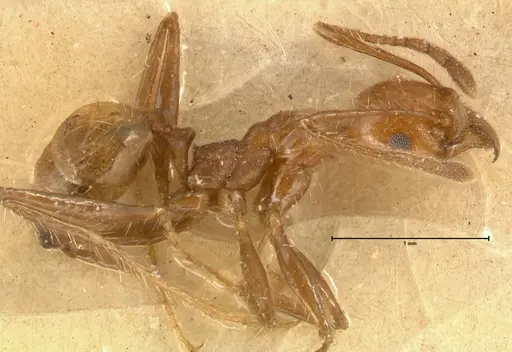
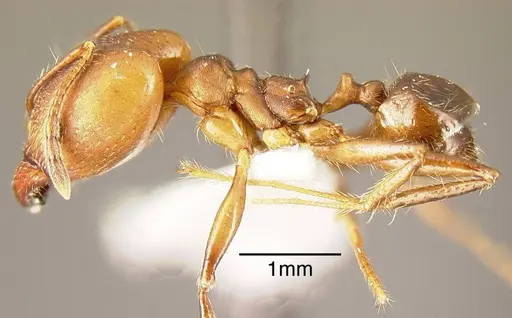
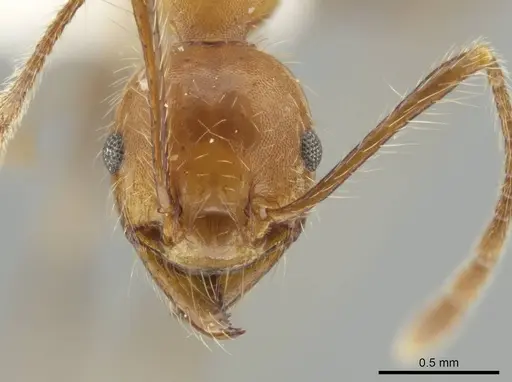
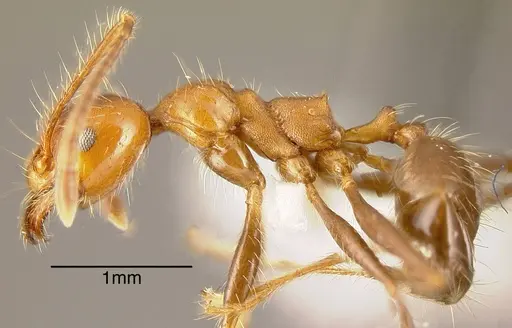
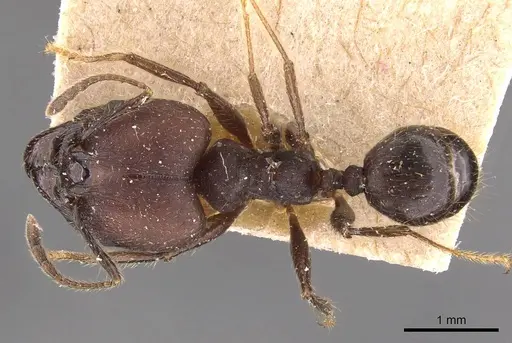
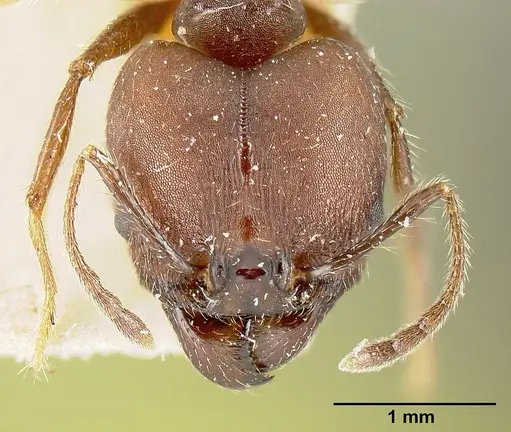
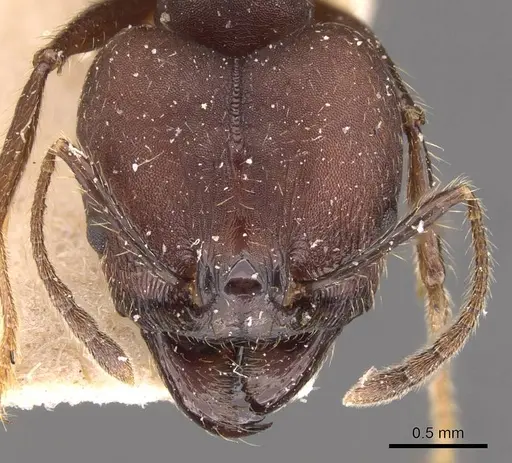
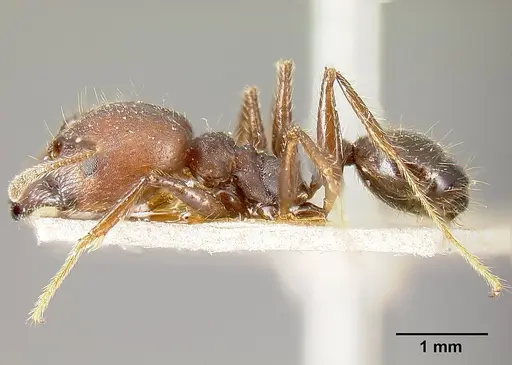
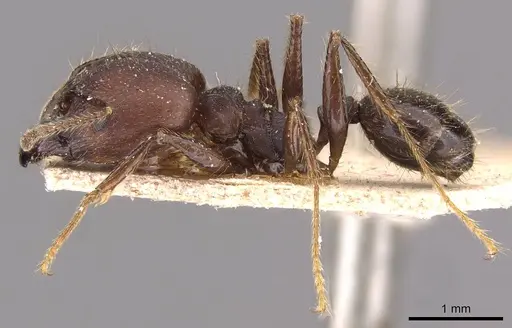
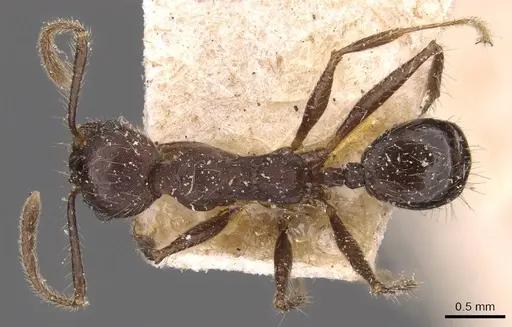
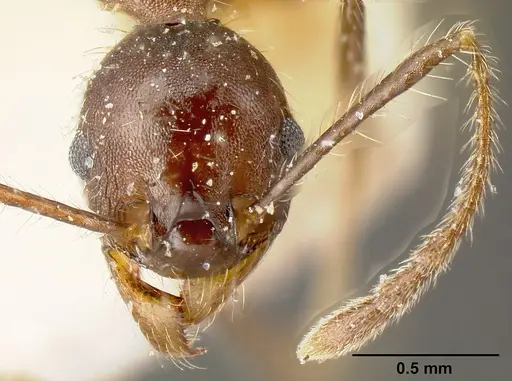
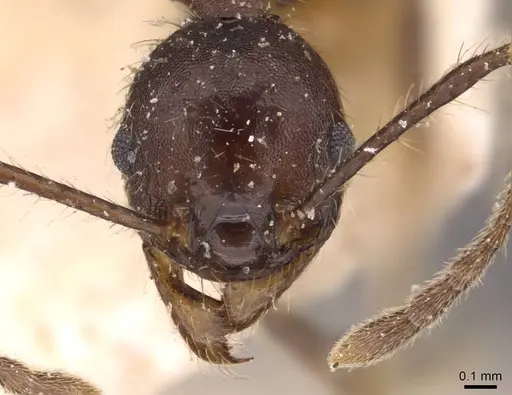
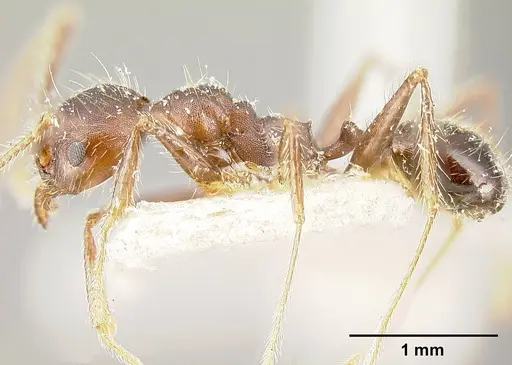
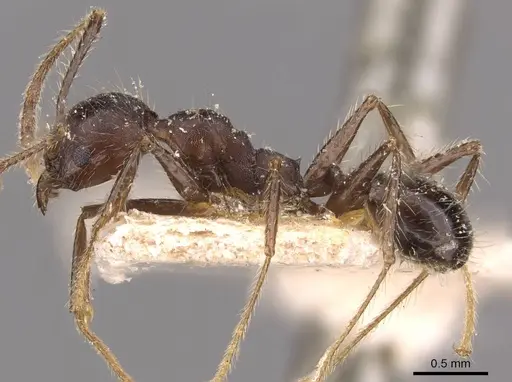
Pheidole biconstricta is a dimorphic ant species native to tropical forests throughout the Neotropics, from Mexico to Brazil and Bolivia . Workers have distinct castes: minor workers are 3.3-3.6 mm, and major workers (soldiers) are approximately 5.2 mm . Colonies can be large, with tens of thousands of workers . This species is known for its aggressive defense using a hypertrophied pygidial gland that secretes irritant compounds . Workers forage day and night, tending Homoptera for honeydew and hunting live prey .
Quick Summary
- Difficulty: Medium
- Origin & Habitat: Tropical moist forests from Guatemala to Brazil, up to 2500m elevation in Colombia [1][3]. Nests in rotting logs, stumps, and dead wood on the forest floor, and may build polydomous colonies [3][8].
- Colony Type: Likely monogyne based on Pheidole genus patterns, with polydomous colonies in the wild [3][8].
- Size & Growth:
- Queen: Size data unavailable, inferred from Pheidole genus as ~5-6 mm [2].
- Worker: Minor workers: 3.3-3.6 mm, major workers: approximately 5.2 mm [2].
- Colony: Up to tens of thousands of workers [3].
- Growth: Fast
- Development: Estimated 6-8 weeks in tropical conditions. (Tropical species develops rapidly year-round when kept warm.)
- Antkeeping:
- Temperature: Keep warm, roughly 24-28°C, with a thermal gradient.
- Humidity: Keep nest substrate consistently moist but not waterlogged [3][8].
- Diapause: No, tropical species does not require hibernation.
- Nesting: Prefer Y-tong, plaster, or naturalistic nests with rotting wood and moist substrate [3][8].
- Behavior: Aggressive defenders, use pygidial gland secretions for alarm and defense [4][5][9]. Forage actively day and night. Escape risk is high due to small size, use fine mesh barriers.
- Common Issues: escape prevention is critical due to small size, use fine mesh and tight lids., colonies grow large quickly, plan for spacious housing., frequent disturbance can trigger defensive secretions, place nest in quiet area., high humidity needs can lead to mold if ventilation is poor, balance with airflow.
Nest Preferences and Housing
In the wild, Pheidole biconstricta nests in rotting logs, stumps, and dead wood on the forest floor, and may build polydomous colonies across multiple sites [3][8]. For captive care, use Y-tong (AAC) nests, plaster nests, or naturalistic setups with rotting wood and moist substrate to mimic their habitat. Provide multiple connected chambers to accommodate their polydomous tendencies. Keep the nest area consistently moist but not flooded [3][8].
Feeding and Diet
Pheidole biconstricta is a versatile feeder: workers hunt live insect prey using coordinated behavior and tend Homoptera for honeydew [6][7]. In captivity, offer protein sources like mealworms or crickets 2-3 times per week, and constant sugar water or honey [6].
Temperature and Seasonal Care
As a lowland tropical species, keep temperatures warm year-round, roughly 24-28°C, with a thermal gradient using a heating cable. No hibernation is needed [3].
Defense Mechanisms and Handling
Workers defend vigorously using a hypertrophied pygidial gland that secretes iridoid compounds for alarm and irritation [4][5][9]. When threatened, they lift their gaster and release a gumming agent. Minimize nest disturbances to avoid triggering mass defensive responses.
Colony Growth and Development
Colonies can grow to tens of thousands of workers, with fast development in tropical conditions [3]. Brood develops continuously year-round. Colonies are polydomous in the wild, so provide extra space as they grow.
Frequently Asked Questions
How long does it take for Pheidole biconstricta to produce first workers?
Expect first workers in about 6-8 weeks when kept at warm temperatures, based on typical Pheidole development in tropical conditions.
Can I keep multiple Pheidole biconstricta queens together?
This species is likely monogyne, so colonies should be started with one queen only, based on Pheidole genus patterns.
How big do Pheidole biconstricta colonies get?
Colonies can reach tens of thousands of workers [3].
What do Pheidole biconstricta eat?
They eat live insects, protein sources, and sugar liquids like honey water [6].
Are Pheidole biconstricta good for beginners?
They are rated medium difficulty due to warm humidity needs and large colony size, but are hardy for intermediate keepers.
Do Pheidole biconstricta need hibernation?
No, as a tropical species, they do not require hibernation [3].
When should I move Pheidole biconstricta to a formicarium?
Start in a test tube setup, move to a nest when the colony has 50-100 workers and is actively foraging.
Why are my Pheidole biconstricta dying?
Common causes include low temperature, low humidity, escapes, or parasites. Check conditions first.
Are Pheidole biconstricta aggressive?
Yes, they are aggressive and use chemical defenses [4][9]. Handle with care.
What is the best nest type for Pheidole biconstricta?
Y-tong or plaster nests work well, providing dark, humid environments [3].
Report an Issue
The current care sheet is based fully on literature. See inconsistencies, or something that's incorrect? Please , it will be resolved after review from an admin. Contributing to the blogs tab also helps providing information, to make us be able to further improve the caresheets. Thank you for your support!
References

This caresheet is licensed under CC BY-SA 4.0 .
Community Blogs
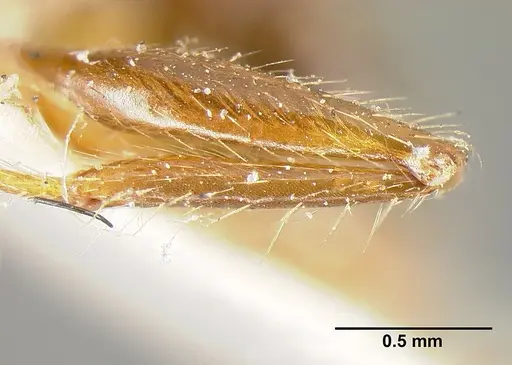
CASENT0601290
View on AntWeb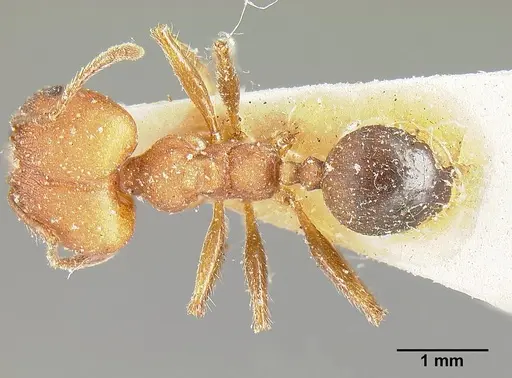
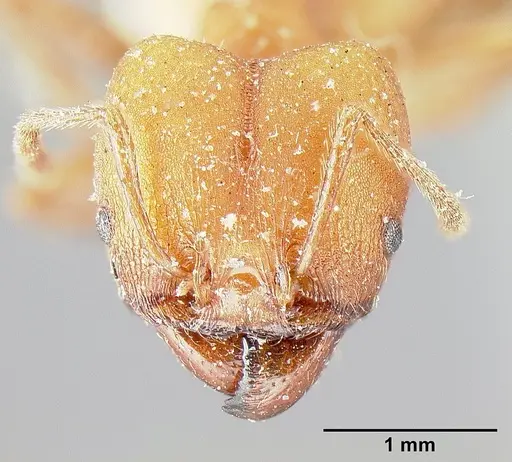
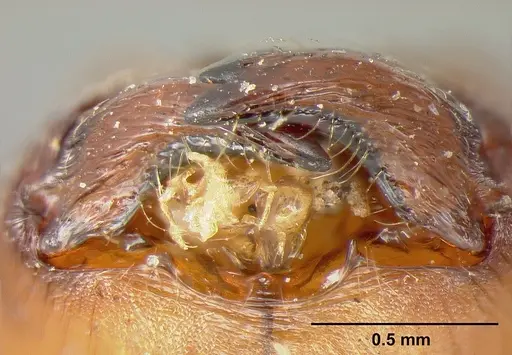
CASENT0601291
View on AntWeb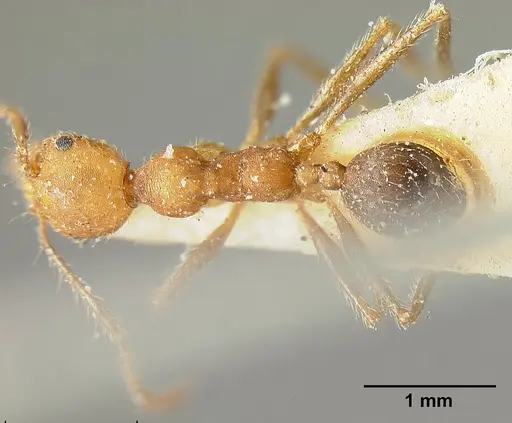
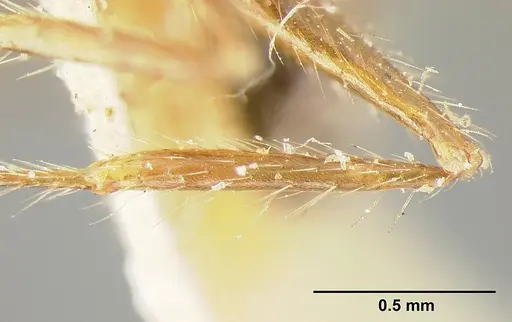
CASENT0635436
View on AntWeb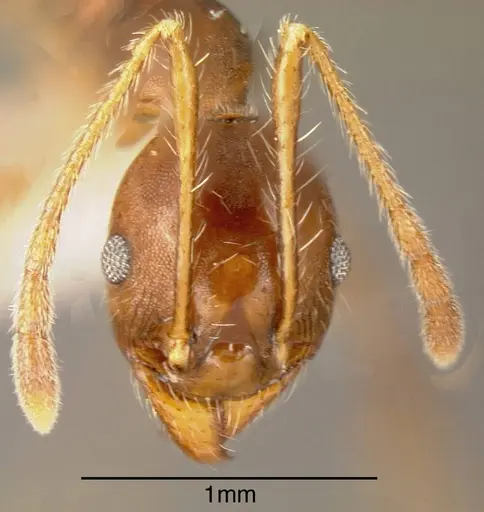
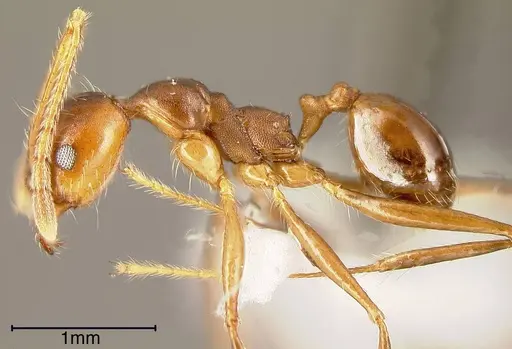
CASENT0643907
View on AntWeb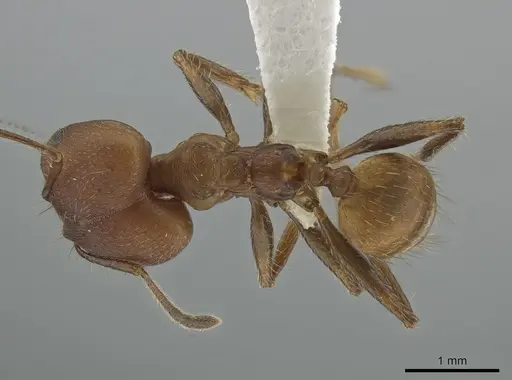
CASENT0901477
View on AntWeb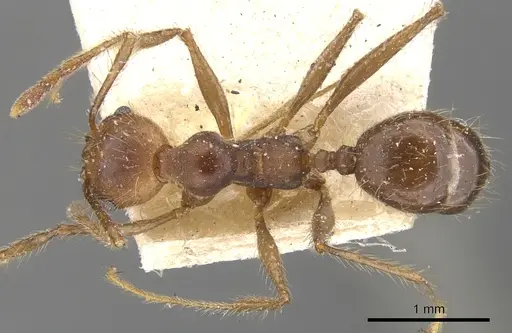
CASENT0904350
View on AntWeb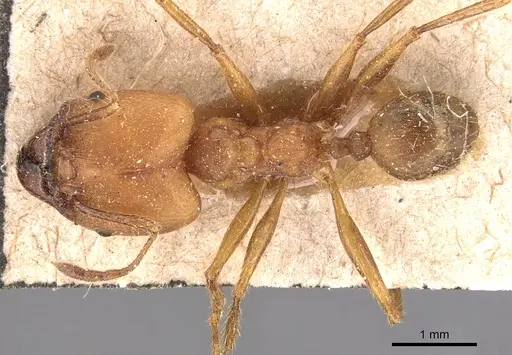
CASENT0904351
View on AntWeb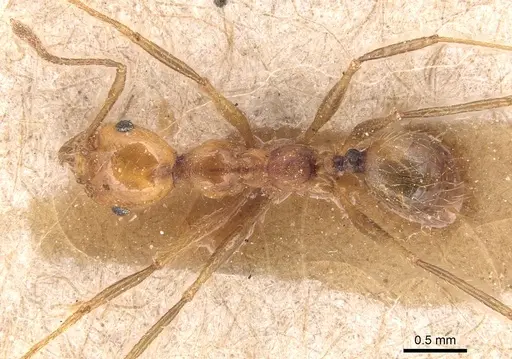
CASENT0904352
View on AntWeb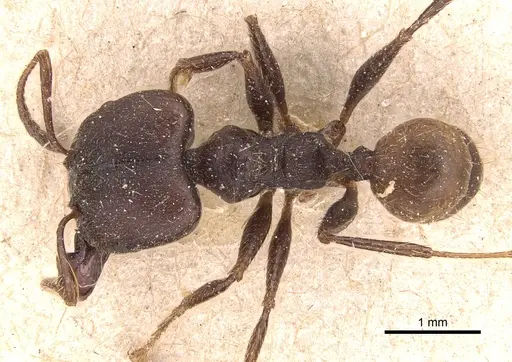
CASENT0904353
View on AntWeb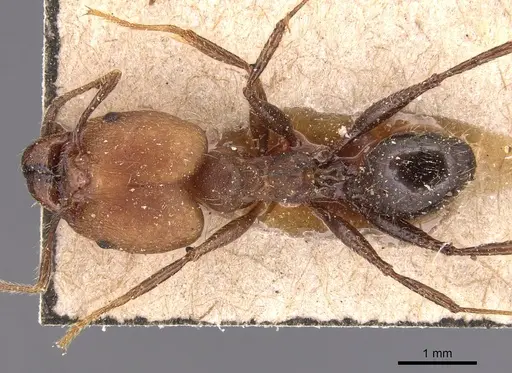
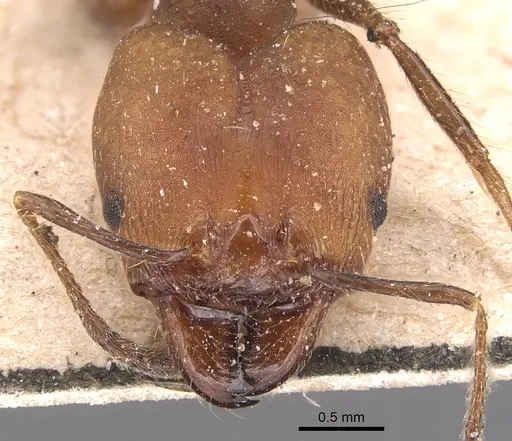
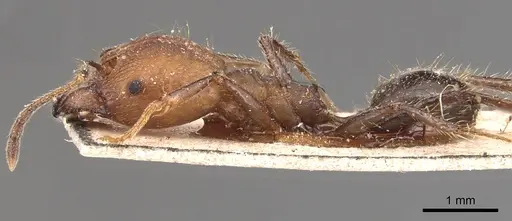
CASENT0904354
View on AntWeb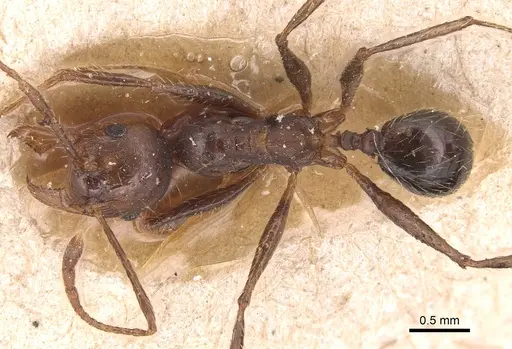
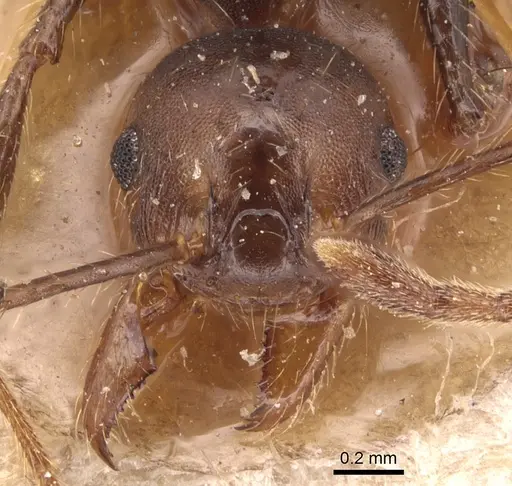
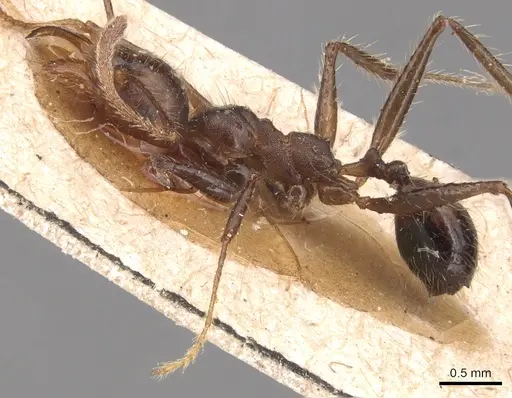
CASENT0904355
View on AntWeb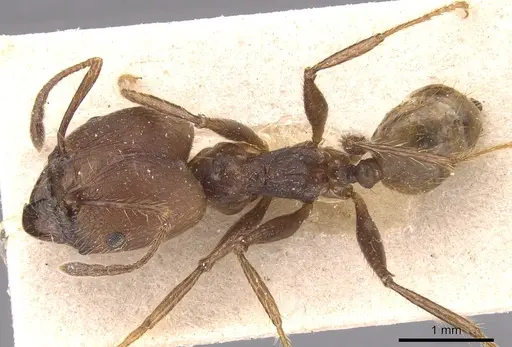
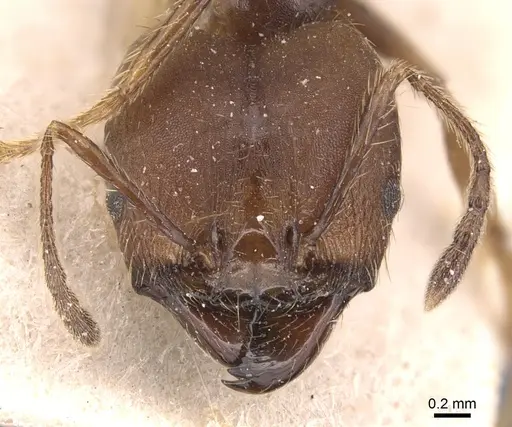
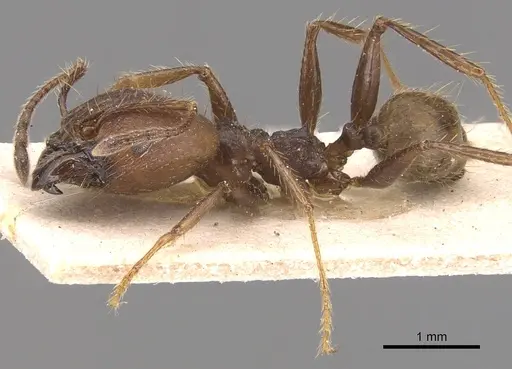
CASENT0904356
View on AntWeb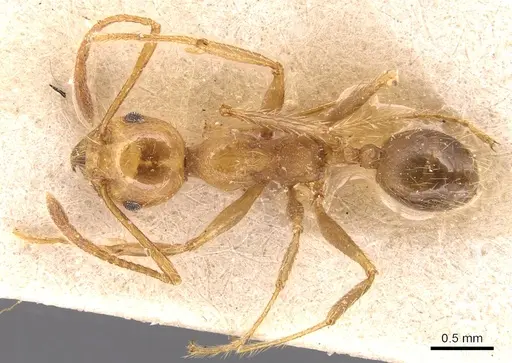
CASENT0908085
View on AntWeb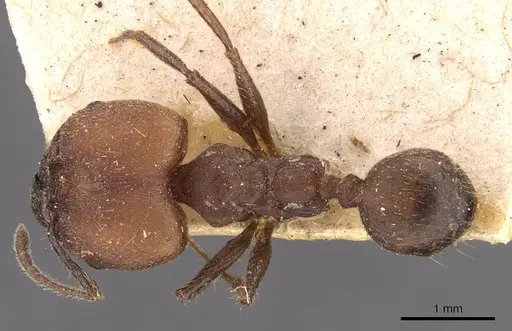
CASENT0908086
View on AntWeb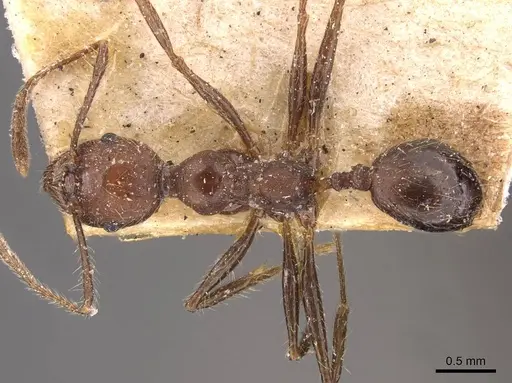
CASENT0908087
View on AntWeb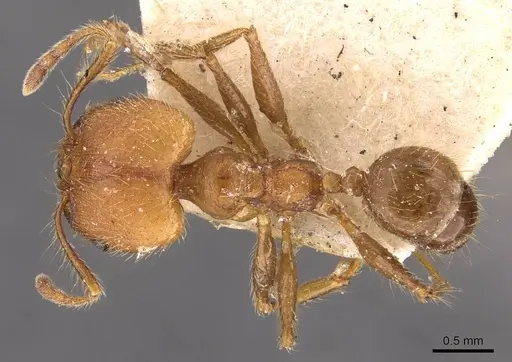
CASENT0908088
View on AntWeb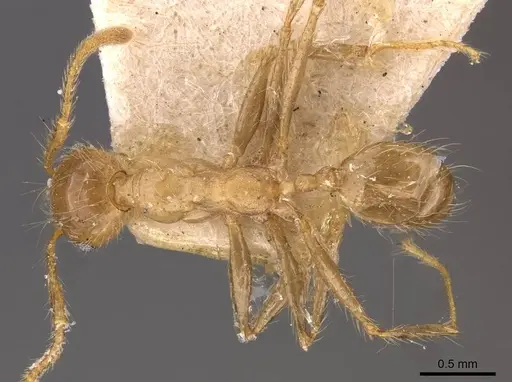
CASENT0908089
View on AntWeb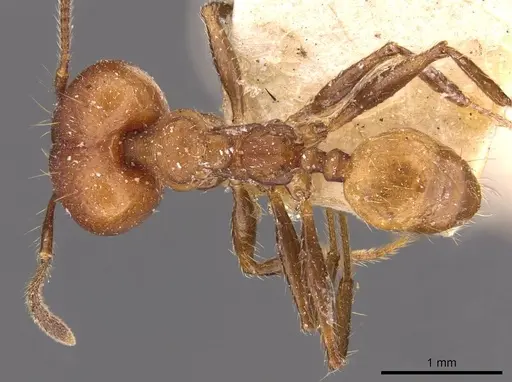
CASENT0908090
View on AntWeb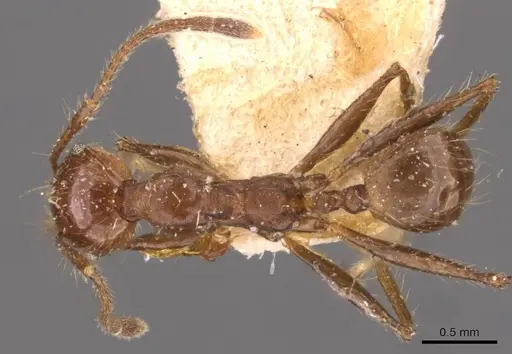
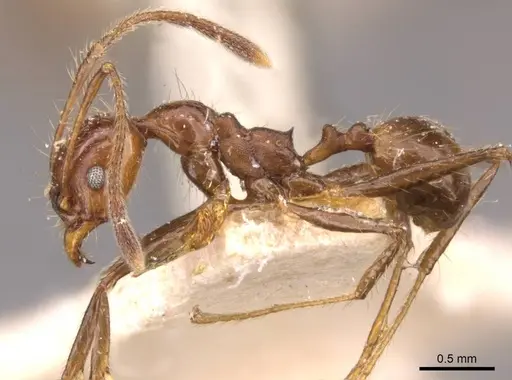
CASENT0916051
View on AntWeb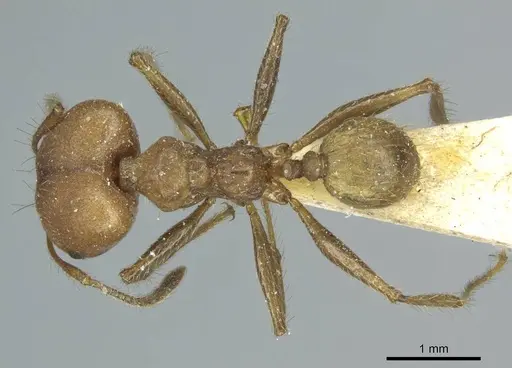
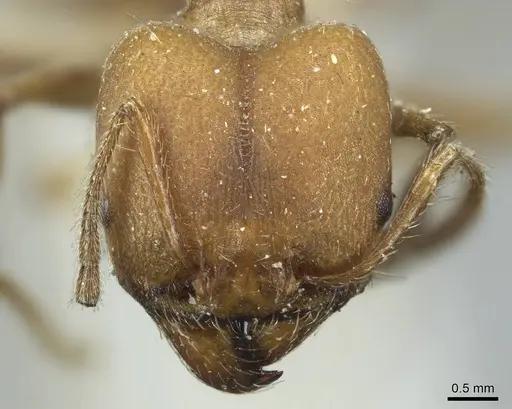
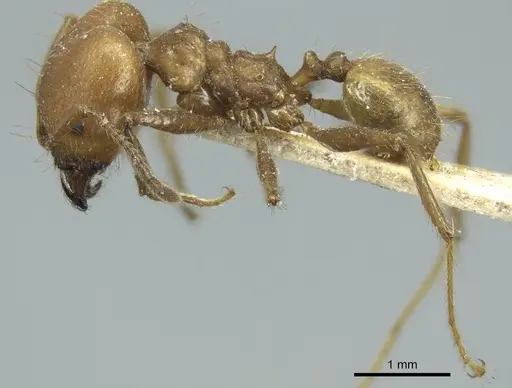
CASENT0919768
View on AntWeb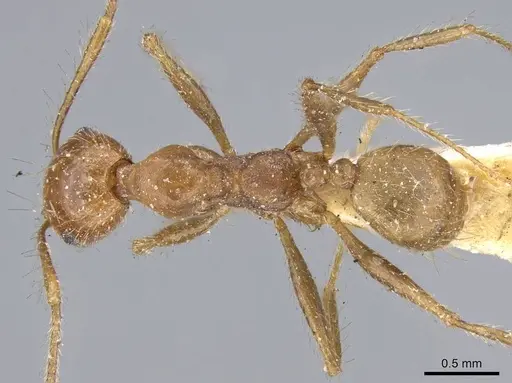
CASENT0919769
View on AntWeb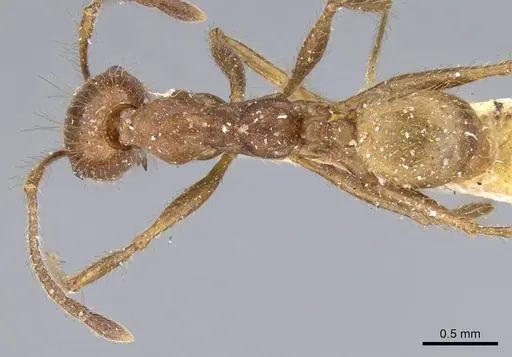
CBUMAGENT42055
View on AntWeb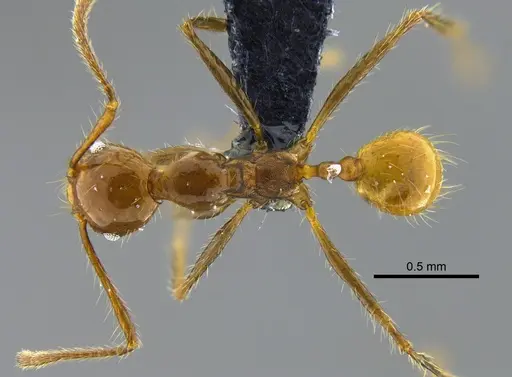
ECOFOG-IT14-0155-24-S
View on AntWeb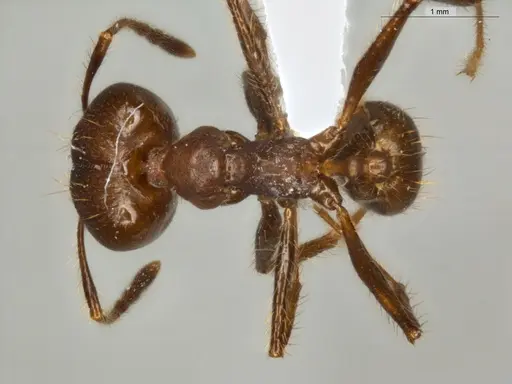
ECOFOG-IT14-0155-24
View on AntWeb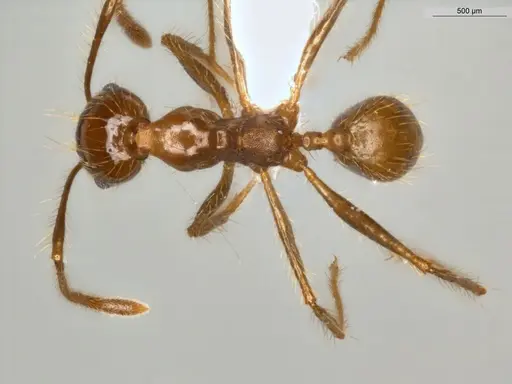
ECOFOG-SL13-0127-19-S
View on AntWeb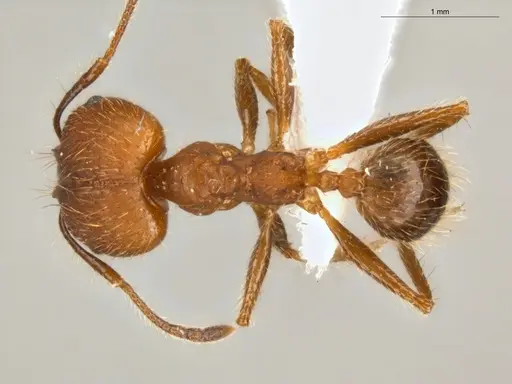
ECOFOG-SL13-0127-19
View on AntWeb
FOCOL1426
View on AntWeb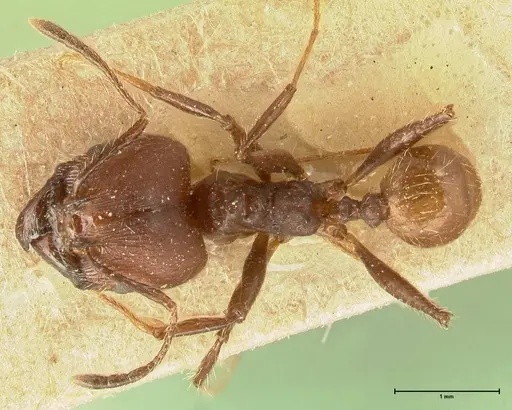
FOCOL1427
View on AntWeb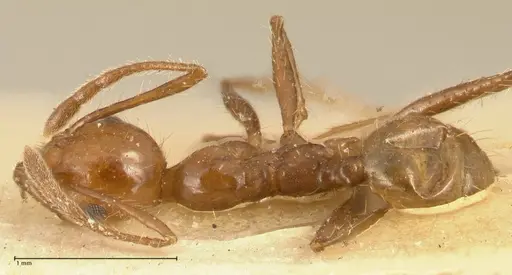
INBIOCRI001281888
View on AntWeb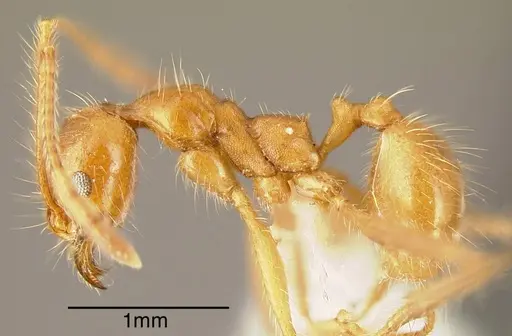
INBIOCRI002272024
View on AntWeb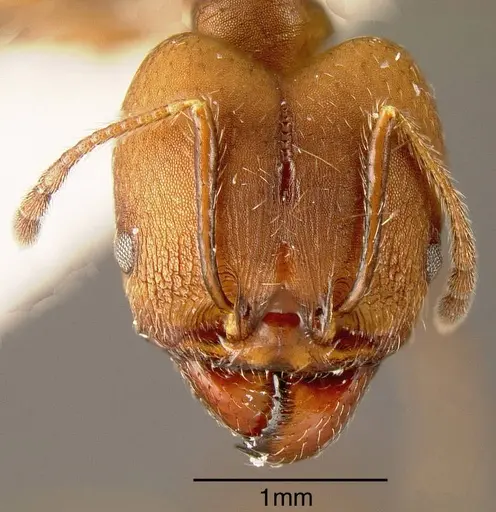
INBIOCRI002279529
View on AntWeb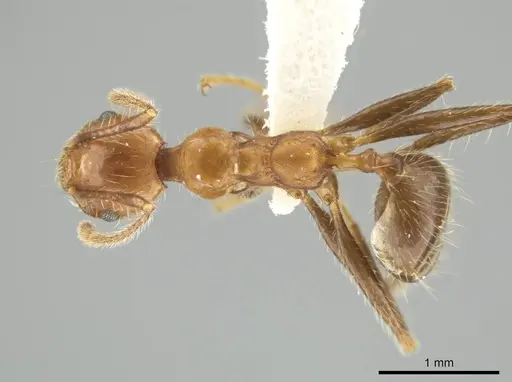
JTLC000001479
View on AntWeb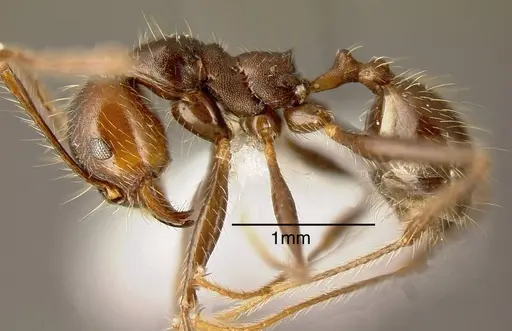
JTLC000014066
View on AntWeb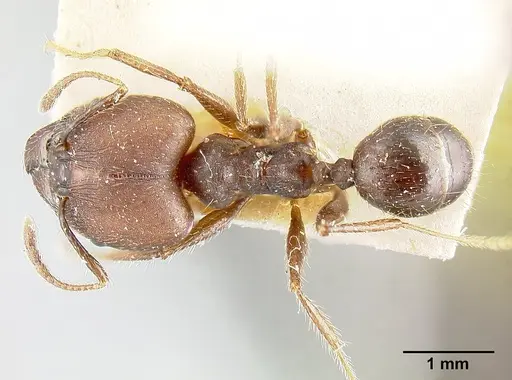
JTLC000014067
View on AntWeb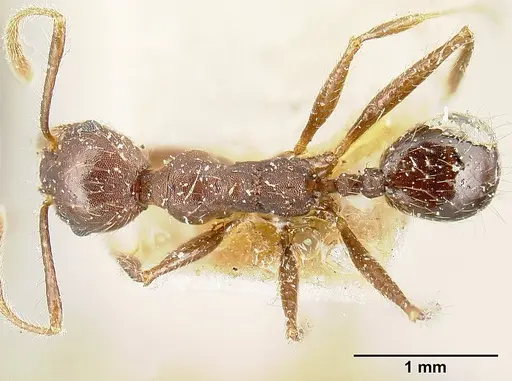
Literature
Loading distribution map...Loading products...