
Pheidole arhuaca
- Sci. Name
- Pheidole arhuaca
- Tribe
- Attini
- Subfamily
- Myrmicinae
- Author
- Forel, 1901
- Distribution
- Found in 2 countries
Introduction
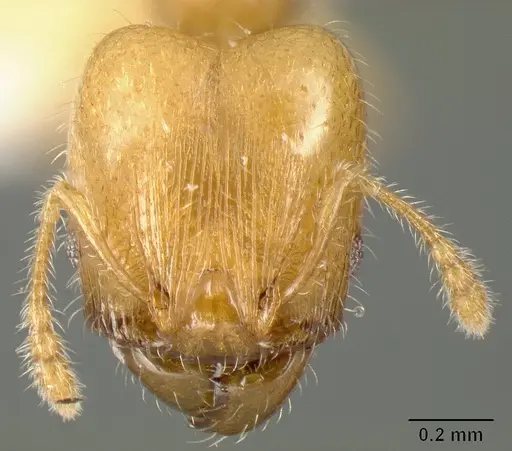
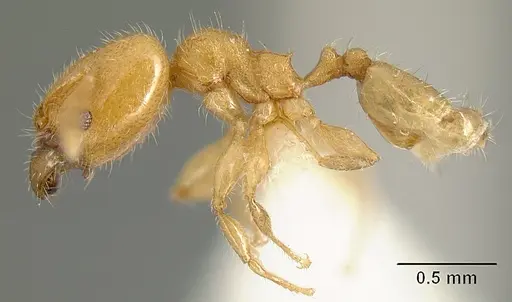
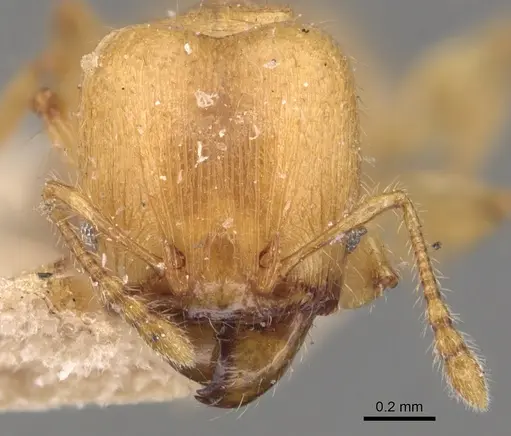
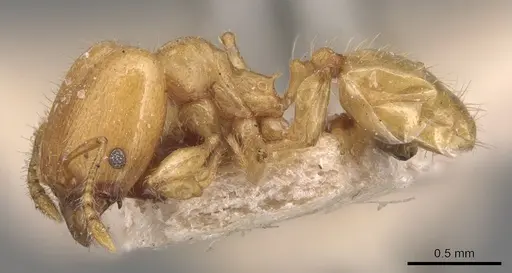
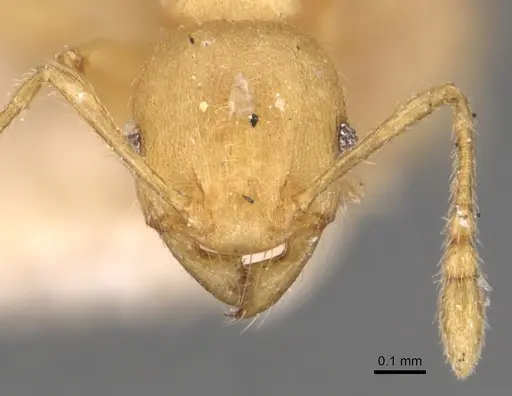
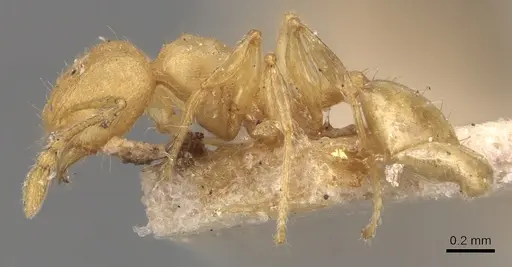
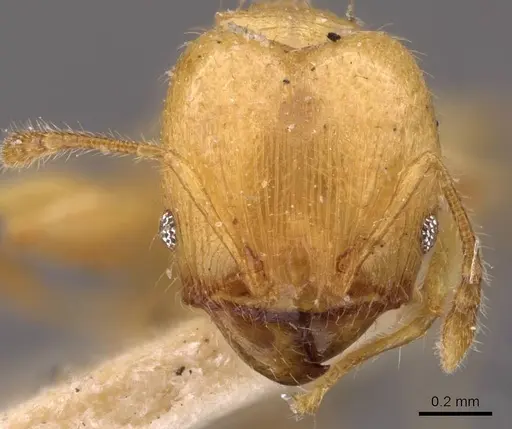
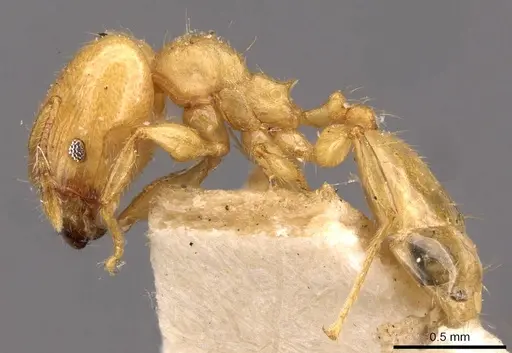
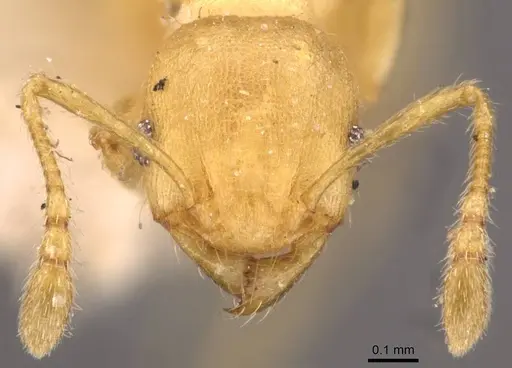
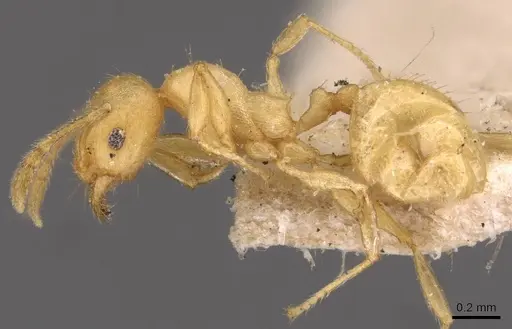
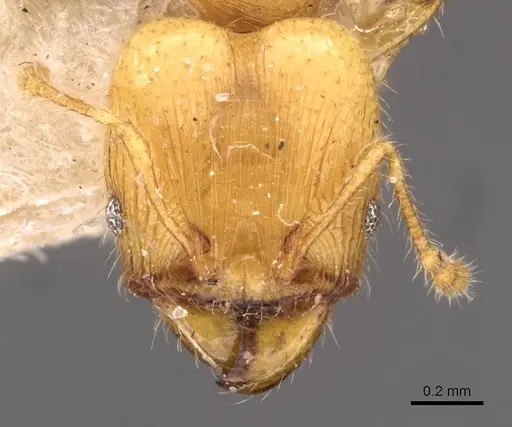
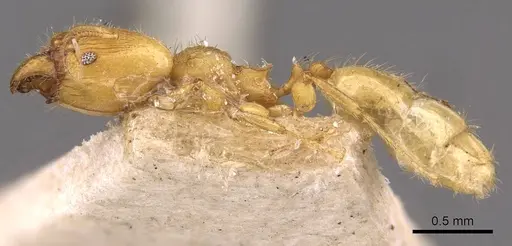
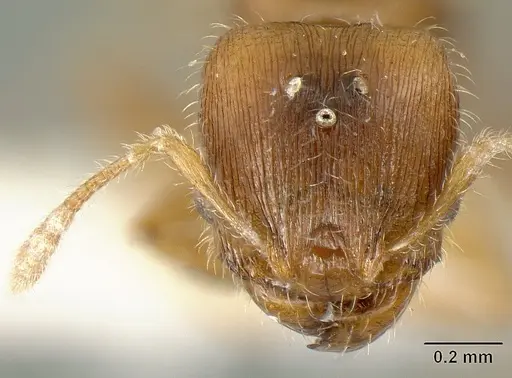
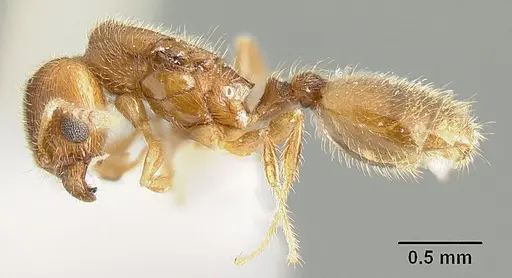
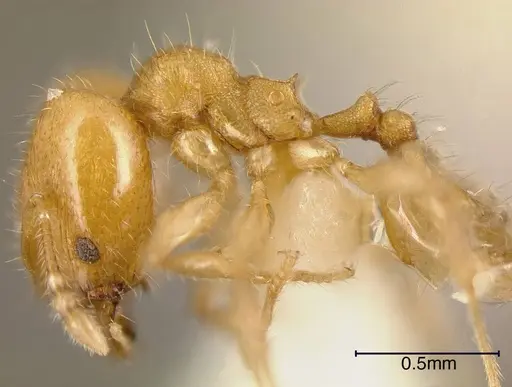
Pheidole arhuaca is a medium-sized yellow ant . Full body size data is unavailable from current research. The species is known from Colombia (Magdalena, Cundinamarca, Tolima), Brazil, Costa Rica, and Panama . It was originally described from San Antonio in Colombia's Sierra Nevada de Santa Marta region, nesting under a dried cow pat . This species is closely related to Pheidole caulicola from Costa Rica but can be distinguished by its less prominent humeri, longer antennal scapes, and a broader, more angled postpetiolar node .
Quick Summary
- Difficulty: Medium
- Origin & Habitat: Native to the Neotropical region, found across Colombia (Magdalena, Cundinamarca, Tolima), Brazil, Costa Rica, and Panama. The type colony was found under a dried cow pat in the Sierra Nevada de Santa Marta region of Colombia, suggesting they nest in open ground areas in tropical dry to moist forests [1][2][3].
- Colony Type: Unconfirmed, colony structure has not been specifically documented for this species.
- Size & Growth:
- Queen: Size data unavailable, inferred from Pheidole genus patterns
- Worker: Size data unavailable
- Colony: Up to a few thousand workers, inferred from typical Pheidole colonies
- Growth: Moderate, typical for tropical Pheidole species
- Development: Estimated 6-8 weeks at tropical temperatures based on genus patterns (Development time is inferred from related Pheidole species, direct measurements for P. arhuaca are not available)
- Antkeeping:
- Temperature: Keep warm, around low-to-mid 20s°C, based on their tropical distribution [2][3]. Provide a gentle heat gradient if needed.
- Humidity: Provide a humidity gradient, mostly dry nest chamber with one small moist area, as they are found in relatively dry habitats [1].
- Diapause: No, as a tropical species, they do not require hibernation [2][3].
- Nesting: Test tubes work well for founding colonies. For established colonies, a Y-tong (AAC) or plaster nest provides appropriate chamber sizes. They nest in ground cavities in nature [1].
- Behavior: Pheidole arhuaca is generally calm and not aggressive toward keepers. They possess a functional stinger for defense from their subfamily Myrmicinae. Like all Pheidole, they have major workers with enlarged heads that serve as soldiers. Escape risk is moderate due to small size, ensure barriers are secure. They are primarily ground-nesting and establish clean nest and foraging areas.
- Common Issues: tiny minor workers can escape through standard cotton plugs, use fluon barriers or tight-fitting plugs., tropical species may struggle in cool rooms below 22°C, monitor with a thermometer., colonies may stagnate if fed too much sugar, balance protein and carbohydrates., major workers develop later than minors so early colonies may appear slow to grow., wild-caught colonies may carry parasites, quarantine and observe new colonies carefully.
Housing and Setup
For founding colonies, use a standard test tube setup with water and cotton plug. Once workers emerge, connect to a foraging area. For established colonies, a Y-tong or plaster nest works well, as they nest in ground cavities [1]. Ensure the nest has a humidity gradient with a moist area.
Feeding and Diet
Based on typical Pheidole patterns, they are likely omnivores that accept both protein and carbohydrate sources [1]. Offer protein-rich foods like small insects 2-3 times per week, and provide sugar water or honey constantly. They will also collect seeds. Remove uneaten protein to prevent mold.
Temperature and Seasonal Care
Keep them warm, around low-to-mid 20s°C, based on their tropical distribution [2][3]. Provide a gentle heat gradient if needed. They do not require diapause [2][3].
Behavior and Colony Structure
Pheidole arhuaca exhibits the classic Pheidole caste system with distinct major and minor workers [1]. Major workers serve as soldiers for defense, while minors handle daily tasks. They possess a functional stinger from their subfamily Myrmicinae. Based on typical patterns, they are crepuscular to nocturnal foragers.
Growth and Development
Colony founding behavior is unconfirmed for Pheidole arhuaca, but based on typical Pheidole patterns, queens may seal themselves in a chamber and lay eggs without foraging [1]. Development time to first workers is estimated at 6-8 weeks at tropical temperatures.
Common Keeping Problems
The most common issues relate to their small size and tropical requirements. Tiny minors can escape through standard cotton plugs, use fluon barriers. Overfeeding leads to mold, remove uneaten food. Cool temperatures slow growth. Wild-caught colonies may carry parasites. [1]
Frequently Asked Questions
How long does it take for Pheidole arhuaca to produce first workers?
Estimated 6-8 weeks at tropical temperatures based on genus patterns [1].
What do Pheidole arhuaca ants eat?
Based on typical Pheidole patterns, they are likely omnivores that accept both protein and carbohydrates [1]. Feed small insects 2-3 times weekly and provide sugar water or honey.
What temperature do Pheidole arhuaca need?
Keep them warm, around low-to-mid 20s°C, based on their tropical distribution [2][3].
Can I keep multiple queens together?
Not recommended, as colony structure is unconfirmed and combining unrelated queens typically leads to fighting. Start with a single mated queen for best results.
How big do Pheidole arhuaca colonies get?
Colony size is not documented specifically, but up to a few thousand workers is inferred from typical Pheidole colonies.
What size nest do they need?
Start with a test tube for founding. Once the colony reaches 50+ workers, a Y-tong or plaster formicarium with small chambers works well [1].
Why are my ants dying?
Common causes include temperatures below 22°C, overfeeding causing mold, escape through tiny gaps, or parasites from wild colonies. Check temperature first and ensure barriers are secure.
Are Pheidole arhuaca good for beginners?
They are moderate difficulty due to small size (escape risk) and need for warm conditions. Rewarding once experienced with small ant species.
Report an Issue
The current care sheet is based fully on literature. See inconsistencies, or something that's incorrect? Please , it will be resolved after review from an admin. Contributing to the blogs tab also helps providing information, to make us be able to further improve the caresheets. Thank you for your support!
References

This caresheet is licensed under CC BY-SA 4.0 .
Community Blogs
CASENT0610096
View on AntWeb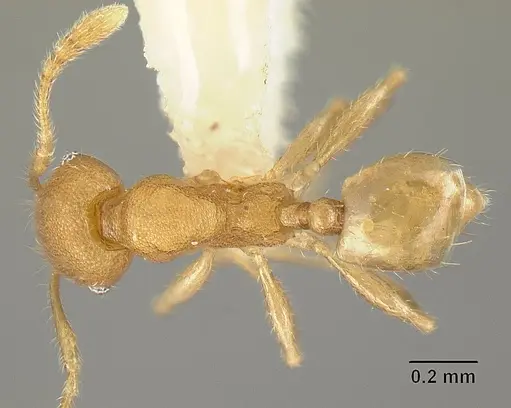
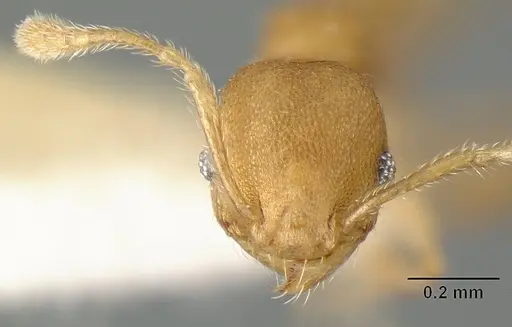
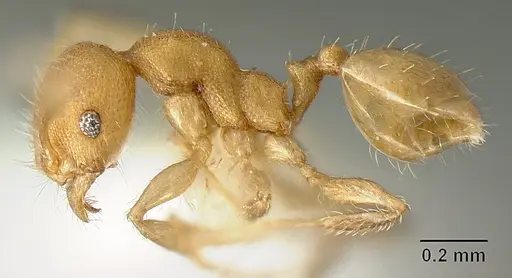
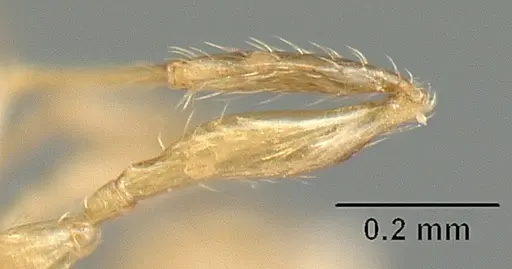
CASENT0610097
View on AntWeb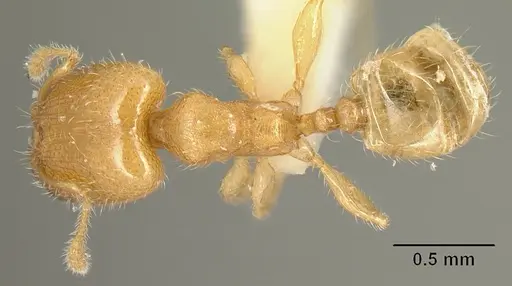
CASENT0904416
View on AntWeb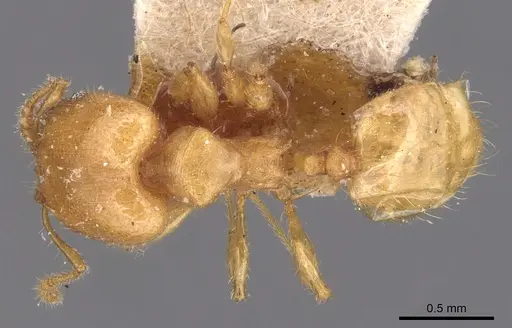
CASENT0904417
View on AntWeb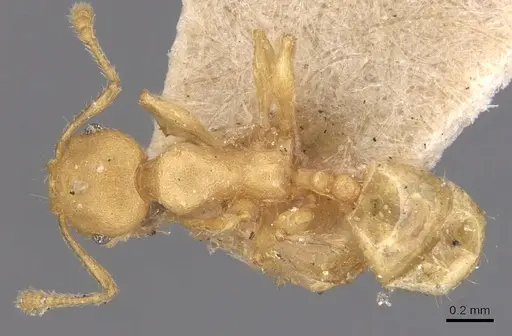
CASENT0908252
View on AntWeb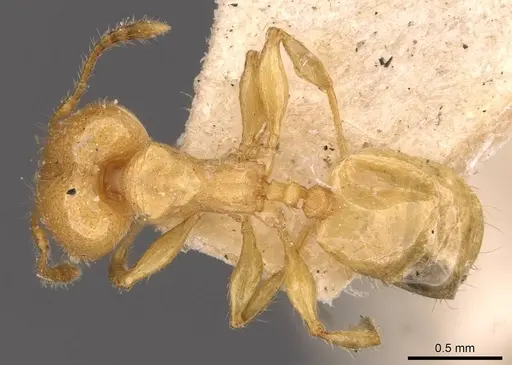
CASENT0908253
View on AntWeb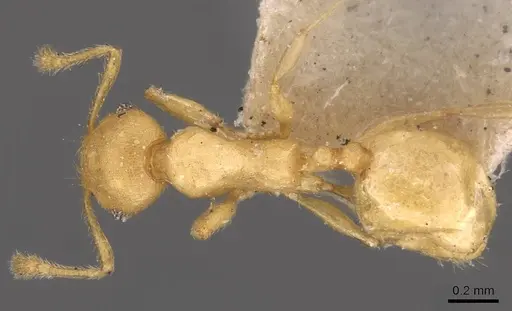
CASENT0908254
View on AntWeb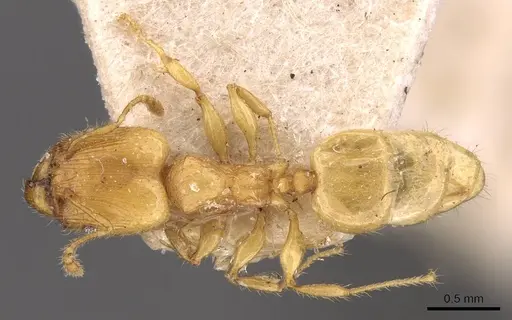
CASENT0908255
View on AntWeb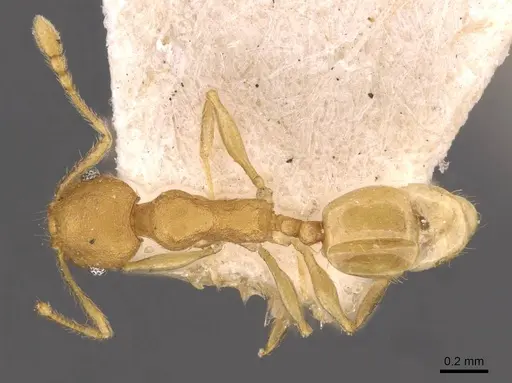
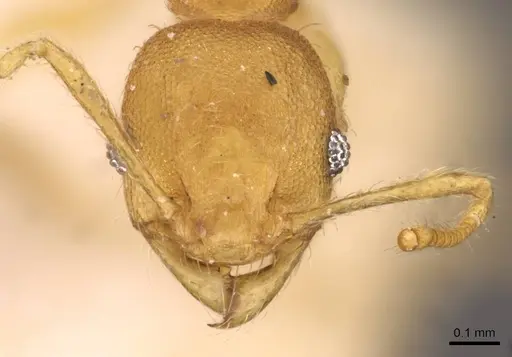
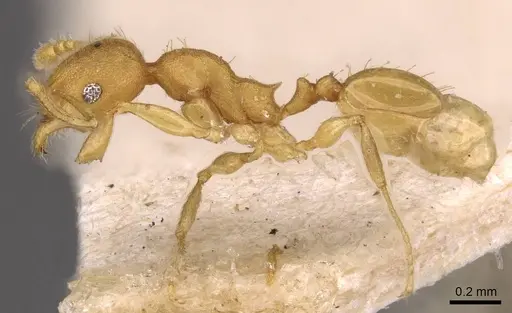
CASENT0916948
View on AntWeb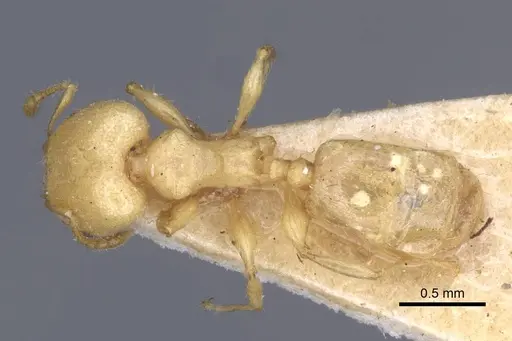
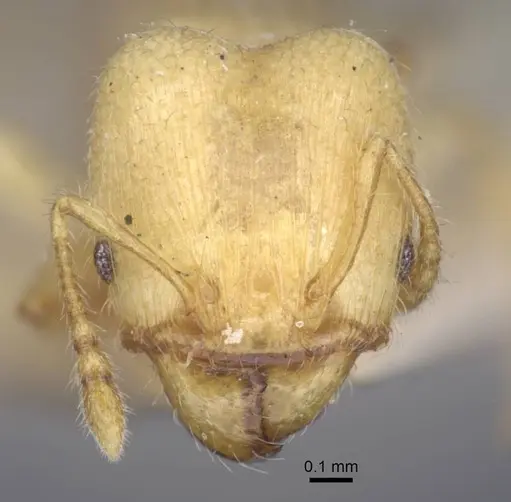
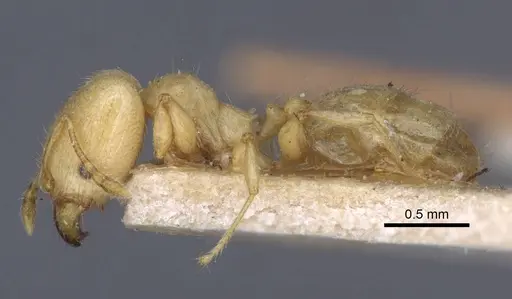
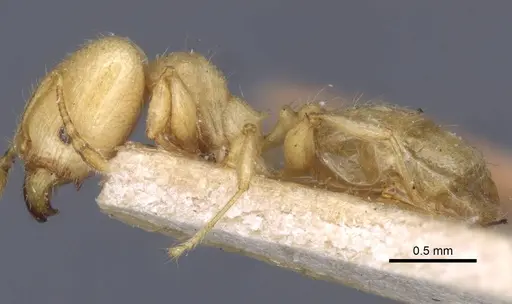
CASENT0922216
View on AntWeb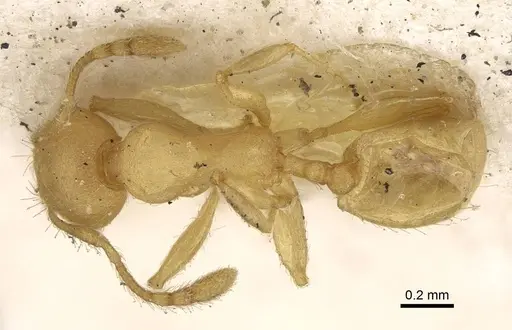
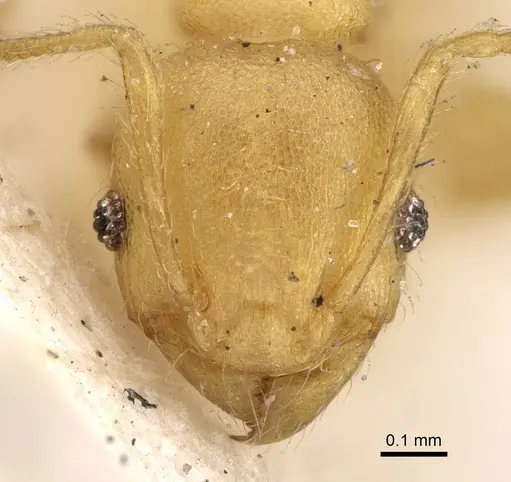
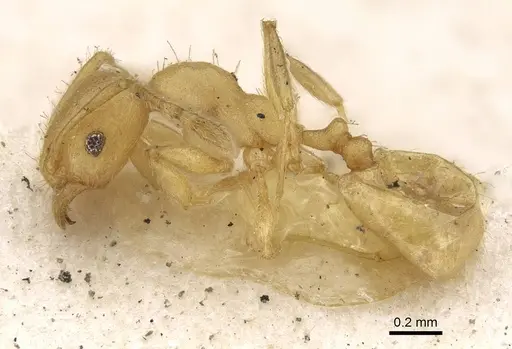
ECOFOG-GAL18-0104-27
View on AntWeb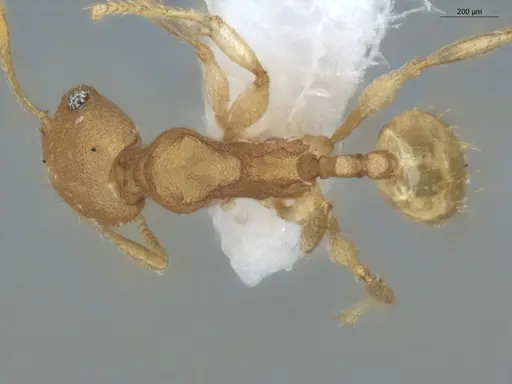
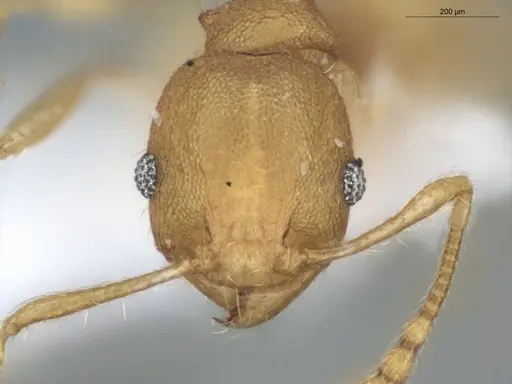
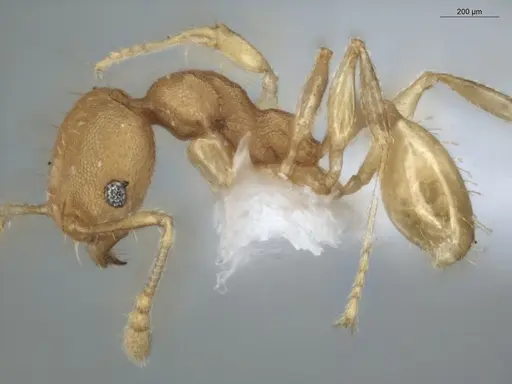
INBIOCRI001281957
View on AntWeb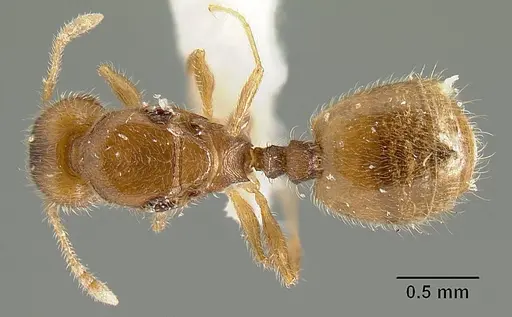
INBIOCRI001281958
View on AntWeb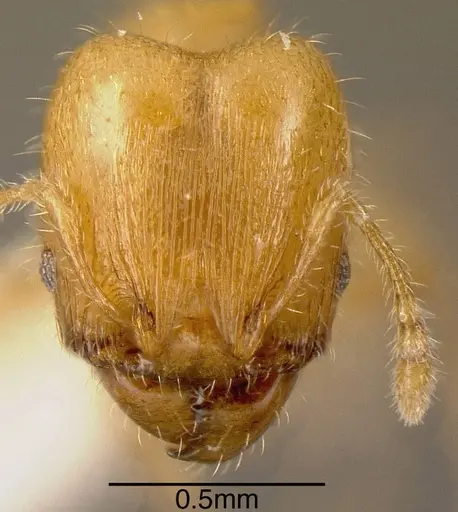
Literature
Loading distribution map...Loading products...