
Anastasia's Big-headed Ant
Pheidole anastasii
- Sci. Name
- Pheidole anastasii
- Tribe
- Attini
- Subfamily
- Myrmicinae
- Author
- Emery, 1896
- Common Name
- Anastasia's Big-headed Ant
- Distribution
- Found in 6 countries
Introduction
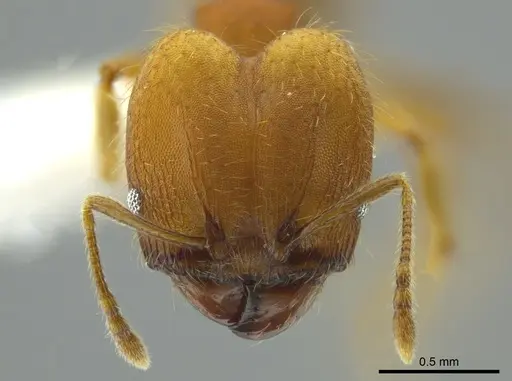
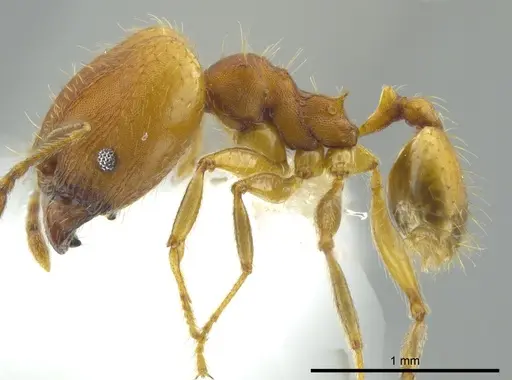
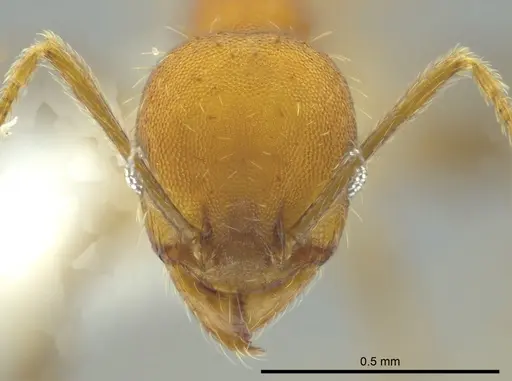
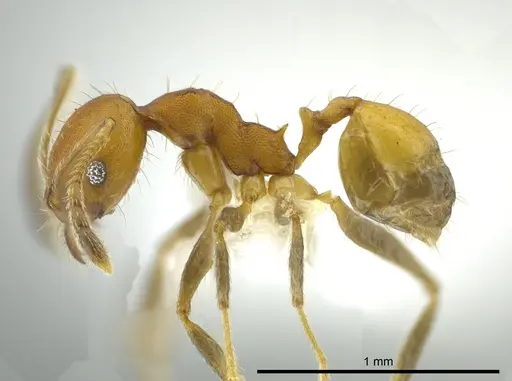
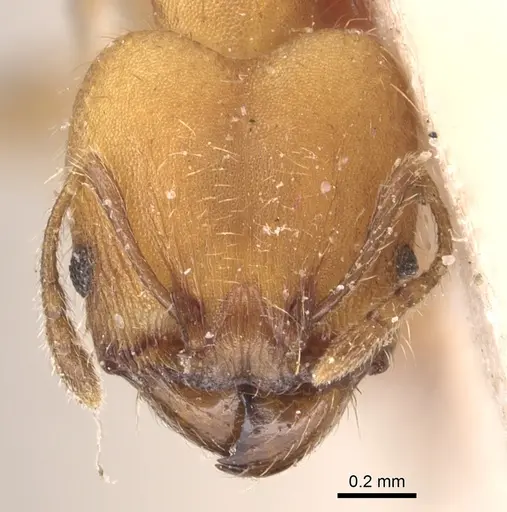
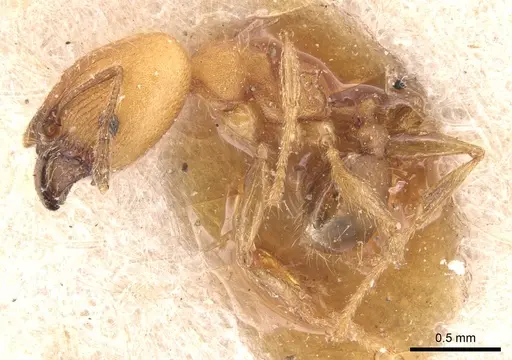
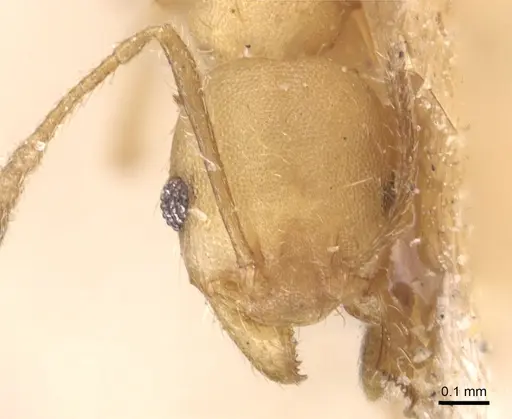
Pheidole anastasii is a small dimorphic ant species native to Central America, ranging from Panama through Guatemala to southern Mexico . It inhabits the shaded understory of mature or second-growth wet forests, often below 500m elevation . Colonies are polydomous, meaning they maintain multiple nest sites connected by galleries, typically in plant cavities within living vegetation . This species is notable for its ability to thrive in introduced environments, having been found in greenhouses in Europe and North America . Workers are generalist foragers and omnivorous, collecting both protein and sugar sources .
Quick Summary
- Difficulty: Expert
- Origin & Habitat: Native to Central America (Panama to Guatemala and southern Mexico), living in wet forest understories [1]. Introduced to greenhouses in temperate regions [3][4].
- Colony Type: Polydomous colonies with a single queen. Colonies maintain multiple connected nest sites in plant cavities [1].
- Size & Growth:
- Queen: size data unavailable
- Worker: size data unavailable
- Colony: up to several hundred workers (estimated from typical Pheidole patterns)
- Growth: Moderate
- Development: Estimated 6-8 weeks at tropical temperatures, based on genus patterns (Development time is estimated, tropical species typically develop faster.)
- Antkeeping:
- Temperature: Keep warm, roughly 24-28°C, as a tropical species. Provide a temperature gradient.
- Humidity: Keep nest substrate consistently moist but not waterlogged, as they live in damp forests [1].
- Diapause: No, tropical species do not require hibernation.
- Nesting: Provide plant-based materials like cork bark or hollow stems, as they naturally nest in plant cavities [1].
- Behavior: Workers are not aggressive and rarely sting. Major workers can deliver a mild sting but are not particularly aggressive. Minor workers can escape through narrow gaps, so use fine mesh barriers [4]. WARNING: Pheidole anastasii is an invasive species in some regions. It is NOT recommended to keep this species in countries where it is not native. If kept, extreme precautions must be taken to prevent escape.
- Common Issues: tropical species may struggle in cool or dry environments, maintain heat and humidity, polydomous colonies need more space than single-nest species, provide connected chambers, small minor workers can escape through tiny gaps, use fine mesh barriers [4], introduced colonies from greenhouses may carry parasites or diseases
Nest Preferences and Housing
Pheidole anastasii is an arboreal nesting species that naturally occupies plant cavities in the forest understory. In the wild, they nest in live stems of plants like Psychotria and Witheringia, bracts of Marantaceae, clasping petiole bases of Araceae, and bulbous leaf bases of Bromeliads [1]. They also commonly inhabit myrmecophytic plants including Cecropia saplings and myrmecophytic Piper species [1]. In captivity, provide a naturalistic setup with cork bark, hollow stems, or similar plant-based materials. Y-tong nests with narrow chambers also work well. They build galleries and tunnels with carton or earthen construction, so allow for some tunneling space between chambers [1]. Keep the nest humid and provide a water source.
Feeding and Diet
Workers are generalist foragers and omnivorous, they will collect both protein and sugar sources [3][1]. In captivity, offer protein sources like small insects (fruit flies, pinhead crickets, mealworms) and sugar water, honey, or ripe fruit. They forage both on the ground and in vegetation [3]. Feed them protein 2-3 times per week and keep sugar water available constantly. Remove uneaten prey after 24-48 hours to prevent mold. Their small size means even normal-sized prey items are substantial, adjust portion sizes accordingly.
Temperature and Care
As a tropical wet forest species from Central America, Pheidole anastasii requires warm and humid conditions. Maintain temperatures between 24-28°C year-round, they do not experience cold winters in their native habitat and do not require diapause. A heating cable placed on one side of the nest creates a temperature gradient that allows the colony to self-regulate. Humidity should be high, these ants naturally live in damp forest understories. Keep nest substrate consistently moist but avoid waterlogging. Room temperature in most homes may be too cool, so consider using a small heat source. Do not let temperatures drop below 22°C for extended periods.
Colony Structure and Behavior
This species forms polydomous colonies, meaning a single colony occupies multiple nest sites connected by galleries [1]. Each colony has one queen. The colony contains both minor and major workers, majors are larger with enlarged heads and serve as defenders and food processors. Minor workers handle most foraging and brood care. Colonies can be found as exotics in greenhouses in temperate regions like New York, Washington D.C., and various European countries [3][4], demonstrating their adaptability to introduced environments. Workers are not aggressive and the colony will flee rather than fight when threatened. Major workers can deliver a mild sting but are not particularly aggressive.
Growth and Development
Development time from egg to worker is estimated at 6-8 weeks at optimal tropical temperatures, based on typical Pheidole genus patterns. The first workers (nanitics) will be smaller than normal workers. Colonies grow moderately fast once established, with major workers appearing once the colony reaches a certain size. The species is dimorphic, minor workers are smaller than major workers. Queens are larger, but size data is unavailable. Colonies can reach several hundred workers in captivity with proper care.
Frequently Asked Questions
Can I keep Pheidole anastasii in a test tube?
Test tubes can work for founding colonies, but this species prefers plant-based cavities and will do better long-term in a naturalistic setup or Y-tong nest with cork bark and similar materials. They naturally nest in plant stems and build galleries, so provide enrichment beyond simple test tubes.
What do Pheidole anastasii eat?
They are omnivorous generalists. Offer small insects like fruit flies or pinhead crickets for protein, and keep sugar water, honey, or ripe fruit available constantly. Feed protein 2-3 times per week.
How long until first workers in Pheidole anastasii?
Expect first workers (nanitics) in about 6-8 weeks after the queen lays eggs, at optimal tropical temperatures of 24-28°C. This is an estimate based on typical Pheidole development patterns.
Are Pheidole anastasii good for beginners?
They are expert-level due to their invasive status and specific care requirements. They require higher humidity and temperatures than many common temperate species, and their polydomous nature makes them more advanced.
Do Pheidole anastasii need hibernation?
No, being a tropical species from Central American wet forests, they do not require hibernation or winter cooling. Maintain consistent temperatures of 24-28°C year-round.
How big do Pheidole anastasii colonies get?
Colony size is not precisely documented but likely reaches up to several hundred workers based on typical Pheidole patterns. They are polydomous, meaning the colony spreads across multiple connected nest sites.
When should I move Pheidole anastasii to a formicarium?
Move them when the test tube colony outgrows its setup, typically when you see 20-30+ workers and the water reservoir is getting low. Provide a naturalistic setup with plant-based materials like cork bark or hollow stems, as they naturally nest in plant cavities.
Can I keep multiple queens together?
No, this species is likely monogyne (single queen), but this is not confirmed. Only one queen per colony is recommended to avoid conflicts.
Why are my Pheidole anastasii dying?
Common causes include: temperatures below 22°C (they need warmth), low humidity (they're from damp forests), or poor nutrition. Check that your setup maintains 24-28°C and consistent moisture. Also ensure you're providing adequate protein and sugar. Wild-caught colonies may carry parasites.
Report an Issue
The current care sheet is based fully on literature. See inconsistencies, or something that's incorrect? Please , it will be resolved after review from an admin. Contributing to the blogs tab also helps providing information, to make us be able to further improve the caresheets. Thank you for your support!
References

This caresheet is licensed under CC BY-SA 4.0 .
Community Blogs
CASENT0613680
View on AntWeb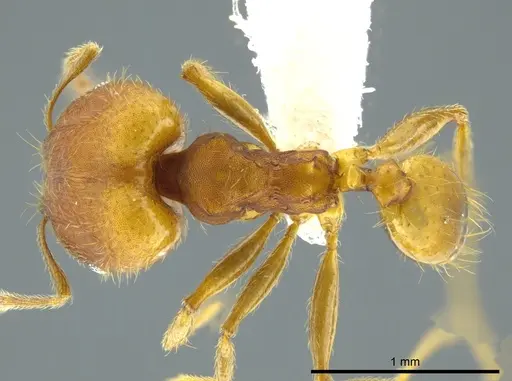
CASENT0619900
View on AntWeb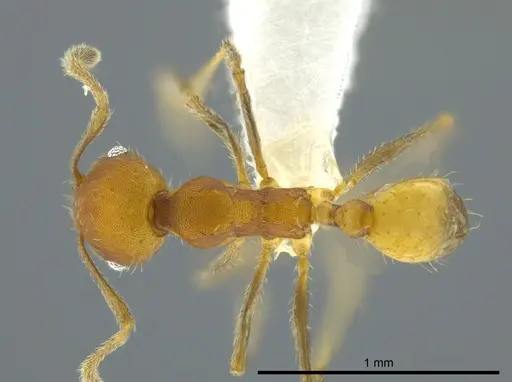
CASENT0635433
View on AntWeb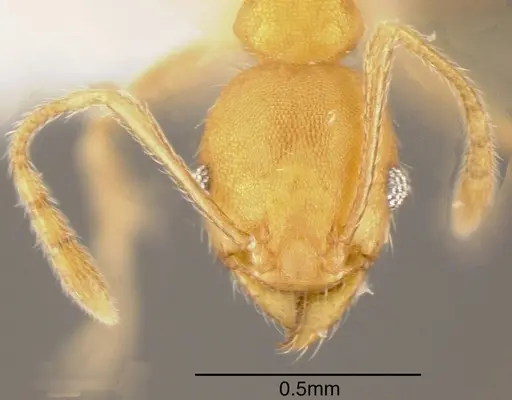
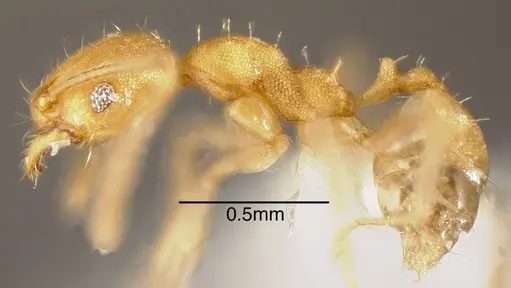
CASENT0637891
View on AntWeb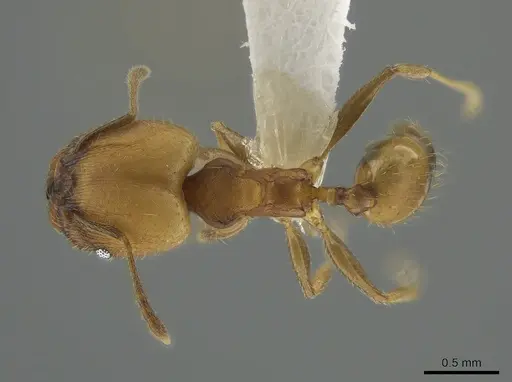
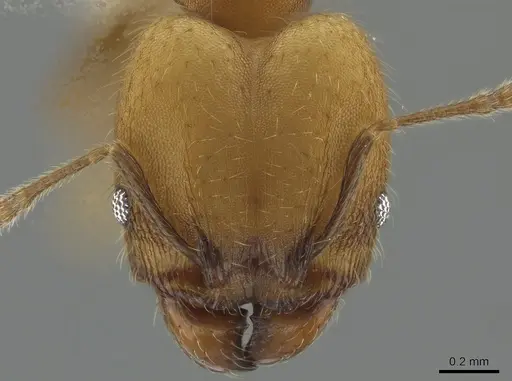
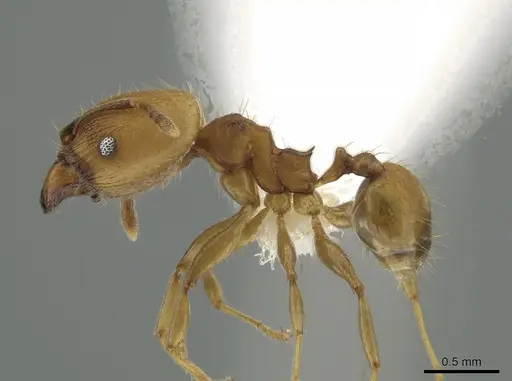
CASENT0904422
View on AntWeb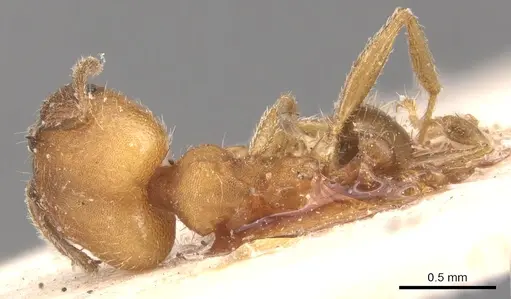
CASENT0904423
View on AntWeb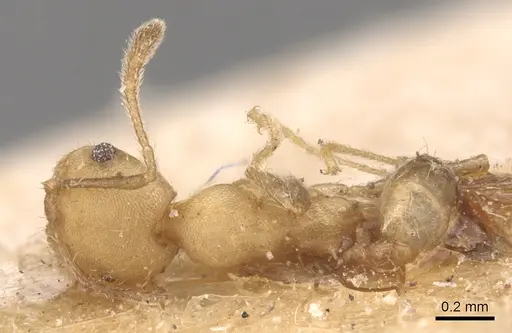
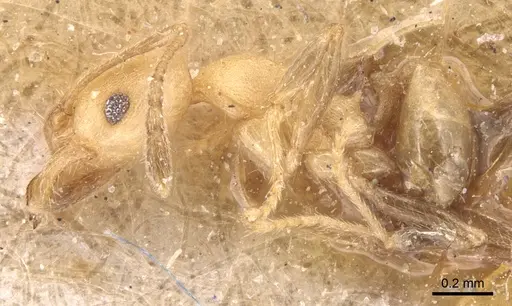
INBIOCRI001283142
View on AntWeb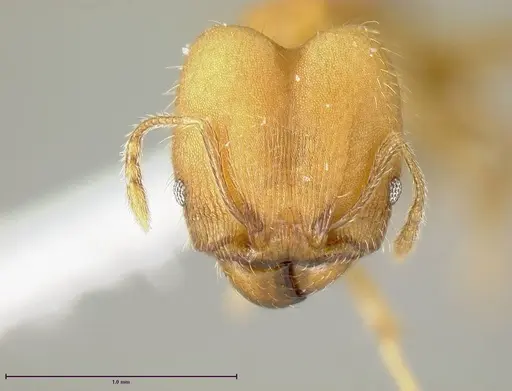
INBIOCRI001283143
View on AntWeb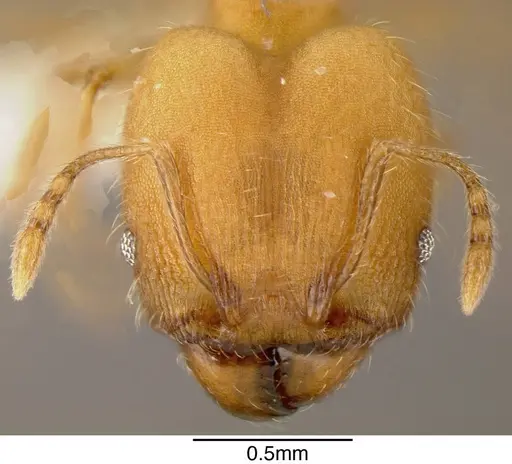
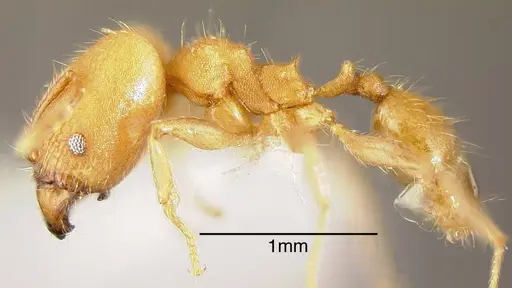
JTLC000015323
View on AntWeb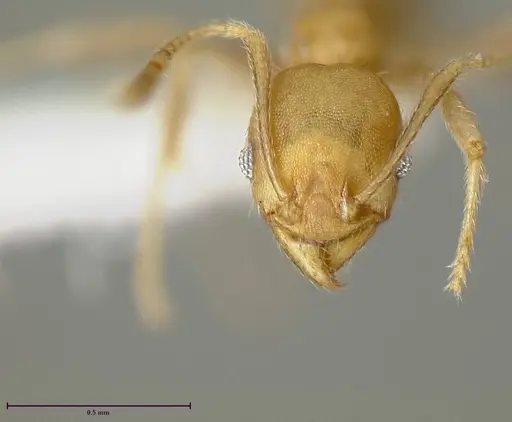
Literature
Loading distribution map...Loading products...