
Pheidole ala
- Sci. Name
- Pheidole ala
- Tribe
- Attini
- Subfamily
- Myrmicinae
- Author
- Salata & Fisher, 2020
- Distribution
- Found in 1 countries
Introduction
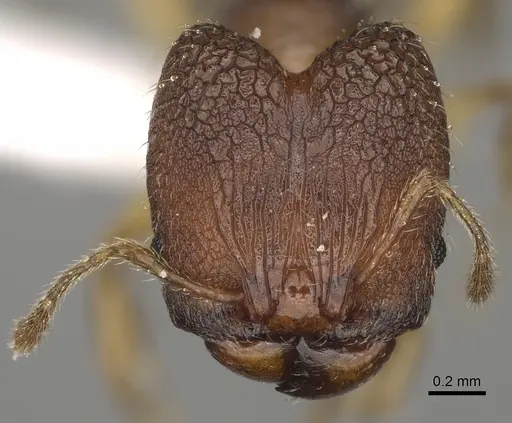
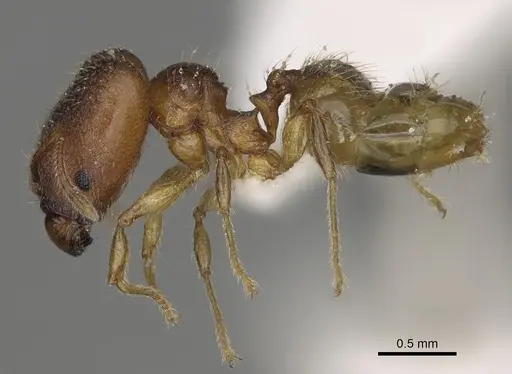
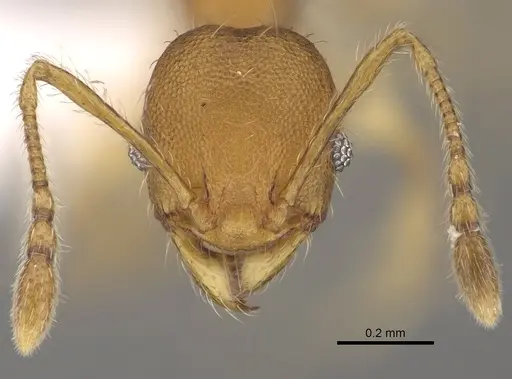
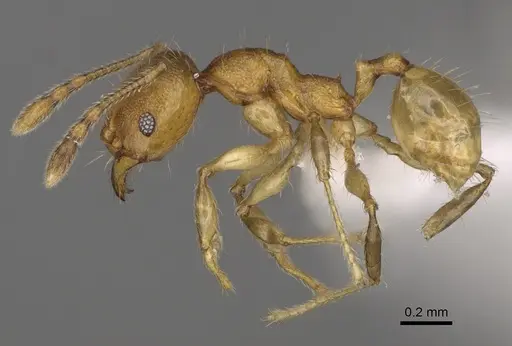
Pheidole ala is a small ant species native to Madagascar, belonging to the Pheidole nemoralis species group. Body size is inferred from the Pheidole genus, with queens around 5-8 mm and workers around 2-5 mm. This species was described in 2020 and gets its name from 'ala, ' the Malagasy word for forest, reflecting its natural habitat in Madagascar's rainforests and montane rainforests at elevations of 520-1410 meters . Like all Pheidole species, they have distinct major and minor worker castes, with majors having enlarged heads for defense and seed processing. What makes P. ala interesting is its recent scientific description and adaptation to humid forest environments. In the wild, colonies nest in rotten logs and decaying twigs on the forest floor, indicating a preference for moist, decomposing wood substrates .
Quick Summary
- Difficulty: Medium
- Origin & Habitat: Madagascar, rain-forest and montane rainforest at 520-1410m elevation. Nests in rotten logs and rotten twigs on the ground [1].
- Colony Type: Unconfirmed, no specific data on queen number, but based on Pheidole genus patterns, likely monogyne (single queen colonies).
- Size & Growth:
- Queen: size unknown, inferred from Pheidole genus (~5-8 mm)
- Worker: size unknown, inferred from Pheidole genus (~2-5 mm)
- Colony: up to several hundred workers, estimated based on related Pheidole species
- Growth: Moderate, typical for tropical Pheidole species
- Development: estimated 6-8 weeks at tropical temperatures, inferred from genus patterns (Development likely faster than temperate species due to tropical origin. Nanitics (first workers) typically smaller than normal minor workers.)
- Antkeeping:
- Temperature: Keep at 24-28°C, inferred from their rainforest habitat [1]. As a tropical species, they prefer warm conditions with minimal fluctuations.
- Humidity: Keep the nest substrate consistently moist but not waterlogged, inferred from their natural nesting in rotting wood [1]. Provide a water tube for drinking water.
- Diapause: No, tropical species from Madagascar do not require hibernation, inferred from geographic range.
- Nesting: Prefers moist, humid environments. In captivity, they do well in Y-tong (AAC) nests, plaster nests, or naturalistic setups with rotting wood pieces, based on their natural habitat [1].
- Behavior: Generally peaceful and non-aggressive toward keepers. Like most Pheidole, they are active foragers that search for seeds, small insects, and sugary substances. Major workers serve as defenders but are not particularly aggressive. They possess a sting based on subfamily Myrmicinae, but it is not medically significant to humans. Escape risk is moderate, minors are tiny but majors are larger, so standard barrier methods work well.
- Common Issues: high humidity is critical, colonies can fail if kept too dry, rotting wood in the nest helps maintain humidity but can mold if ventilation is poor, slow founding phase, queens may take months to produce first workers, small colony size means they are sensitive to disturbance during founding
Housing and Nest Setup
Pheidole ala does well in nests that retain moisture well. Y-tong (AAC) nests or plaster nests work well because they hold moisture effectively, based on their natural habitat in rotting wood [1]. For the outworld, any standard formicarium setup works, but ensure there are no large gaps that tiny minors could escape through. A test tube setup can work for founding colonies, but monitor humidity carefully as test tubes dry out faster. Whatever setup you choose, prioritize humidity control, this is critical for keeping P. ala healthy.
Feeding and Diet
Like other Pheidole species, P. ala is omnivorous and will accept a variety of foods. Protein sources should include small insects like fruit flies, pinhead crickets, and mealworms. They also readily consume seeds, which majors process with their enlarged heads. Offer sugar water, honey, or diluted maple syrup as an energy source. Feed protein roughly twice weekly, and keep a sugar source available at all times. Remove uneaten food after 24-48 hours to prevent mold. [1]
Temperature and Humidity Requirements
As a species from Madagascar's rainforests, P. ala requires warm and humid conditions. Maintain temperatures between 24-28°C for optimal colony health, inferred from their habitat [1]. Humidity should stay high, keep the nest substrate consistently moist but not waterlogged. This is higher than many common ant species, so you may need to actively maintain humidity through moist substrate or water tubes.
Colony Development and Growth
Pheidole colonies grow through a well-defined series of stages. The queen likely seals herself in a small chamber and lays eggs without leaving to forage, this is claustral founding, but it is unconfirmed for this species. After several weeks, the first tiny workers called nanitics emerge. These initial workers begin foraging to feed the colony and care for subsequent brood. Subsequent broods develop faster as the colony grows. A mature P. ala colony will have distinct major and minor castes. Expect moderate growth rates, colonies typically reach several hundred workers over 1-2 years under good conditions.
Behavior and Temperament
Pheidole ala is a peaceful species that poses no threat to keepers. They are not aggressive and do not sting dangerously, making them safe to handle even for beginners. The major workers have enlarged heads but are not particularly combative, they use them primarily for seed crushing and colony defense. Workers are diurnal, actively foraging during daylight hours. Escape prevention is moderately important, while majors are large enough to be contained by standard barriers, minors are quite small and can squeeze through small gaps.
Frequently Asked Questions
How long does it take for Pheidole ala queens to produce first workers?
Expect 6-10 weeks from founding to first workers emerging, assuming temperatures around 24-28°C. The exact timing depends on temperature, warmer conditions speed development while cooler temperatures can extend this to several months. The claustral queen likely seals herself in and relies on stored fat reserves, so no feeding is needed during this phase.
What do Pheidole ala ants eat?
They are omnivorous. Offer protein like small insects (fruit flies, pinhead crickets, mealworms) roughly twice weekly, and keep a sugar source (honey water, maple syrup) available at all times. They also readily accept seeds, which majors process with their enlarged heads. Remove uneaten food after 24-48 hours.
What temperature and humidity do Pheidole ala need?
Keep them at 24-28°C with high humidity, inferred from their rainforest habitat [1]. Use moist nest materials and consider a water tube for drinking water. Avoid cool or dry conditions.
Can I keep multiple Pheidole ala queens together?
Not recommended. Like most Pheidole, they are likely single-queen species. Combining unrelated foundress queens typically results in fighting. It's best to house each queen separately during founding.
How big do Pheidole ala colonies get?
Based on related Pheidole species, expect colonies to reach several hundred workers over 1-2 years under good conditions. Mature colonies will have distinct major and minor castes.
Do Pheidole ala need hibernation or diapause?
No. As a tropical species from Madagascar, they do not require hibernation. Colony activity may slow during cooler periods, but no special overwintering care is needed.
What is the best nest type for Pheidole ala?
Y-tong (AAC) nests or plaster nests work well because they retain moisture effectively, based on their natural habitat in rotting wood [1]. The key is maintaining high humidity.
Why is my Pheidole ala colony dying?
The most common causes are: keeping them too dry (humidity below 60%), temperatures below 20°C, disturbance during the founding phase, or parasites from wild-caught colonies. Ensure humidity is high, temperature is warm, and minimize nest disturbances while the queen is founding.
Are Pheidole ala good for antkeeping beginners?
They are moderate difficulty. While not aggressive and relatively easy to feed, their high humidity requirements make them slightly more demanding than species that tolerate drier conditions. Beginners comfortable with maintaining humidity levels can succeed with this species.
Report an Issue
The current care sheet is based fully on literature. See inconsistencies, or something that's incorrect? Please , it will be resolved after review from an admin. Contributing to the blogs tab also helps providing information, to make us be able to further improve the caresheets. Thank you for your support!
References

This caresheet is licensed under CC BY-SA 4.0 .
Community Blogs
CASENT0413606
View on AntWeb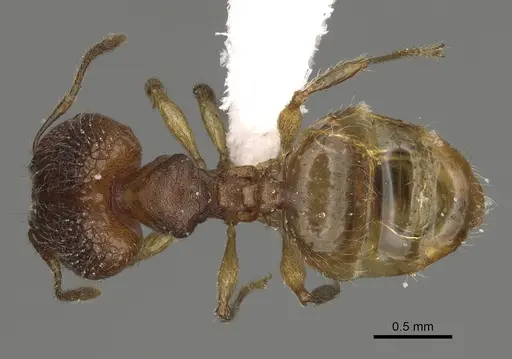
CASENT0427742
View on AntWeb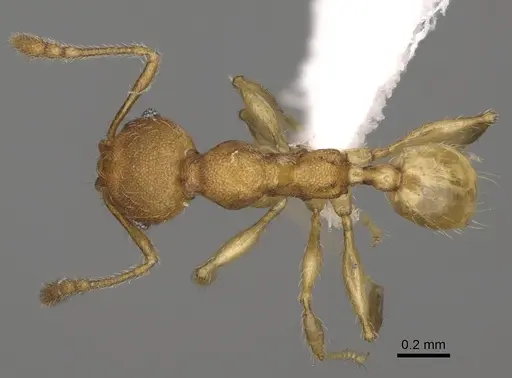
Literature
Loading distribution map...Loading products...