
Pheidole ajax
- Sci. Name
- Pheidole ajax
- Tribe
- Attini
- Subfamily
- Myrmicinae
- Author
- Forel, 1899
- Distribution
- Found in 4 countries
Introduction
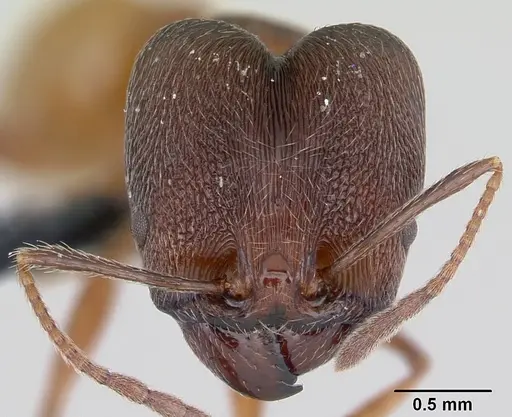
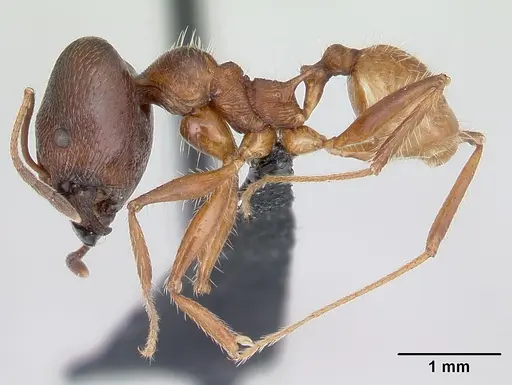
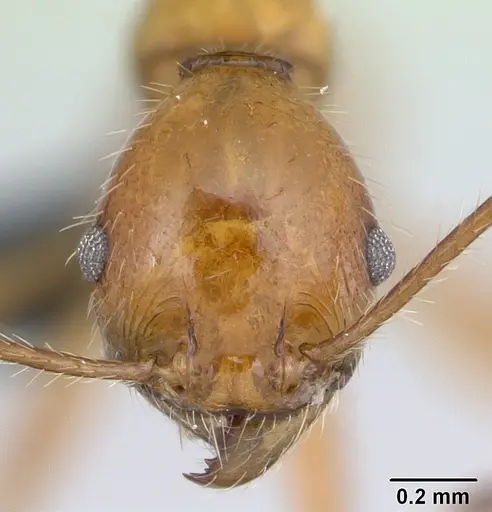
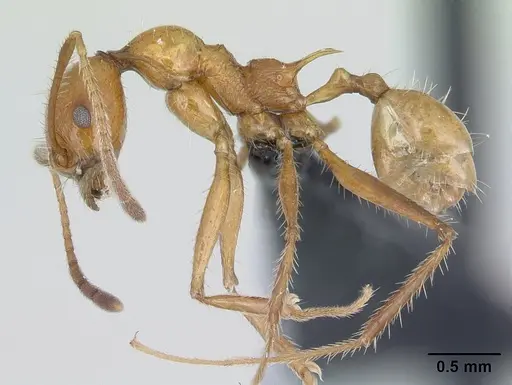
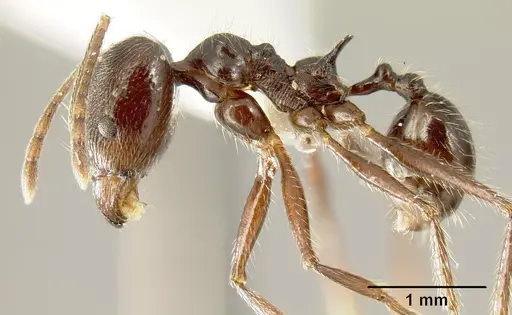
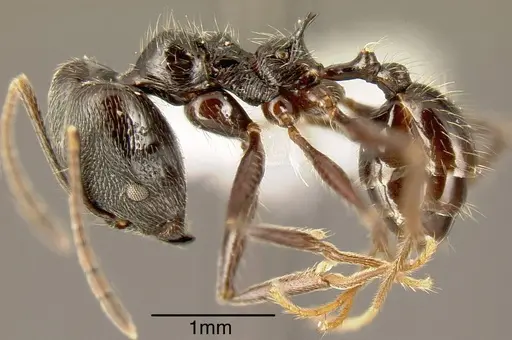
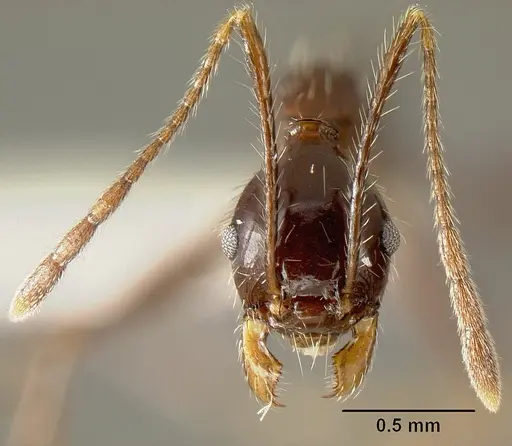
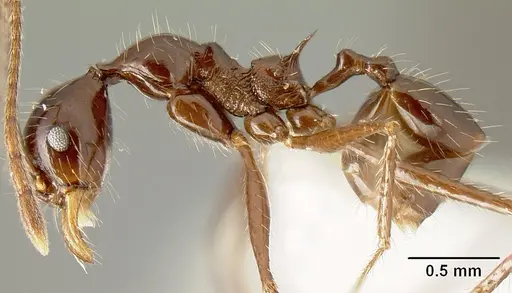
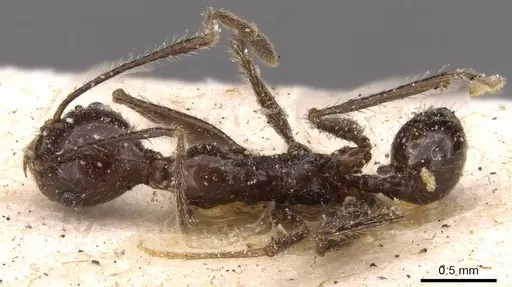
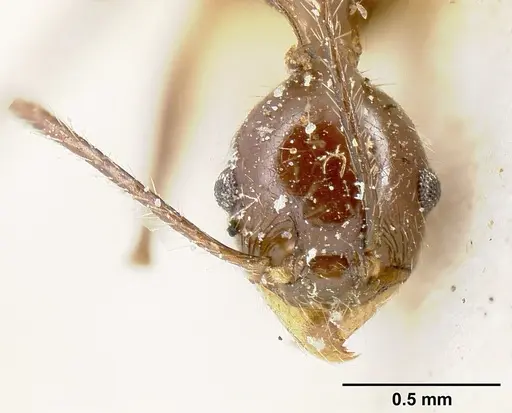
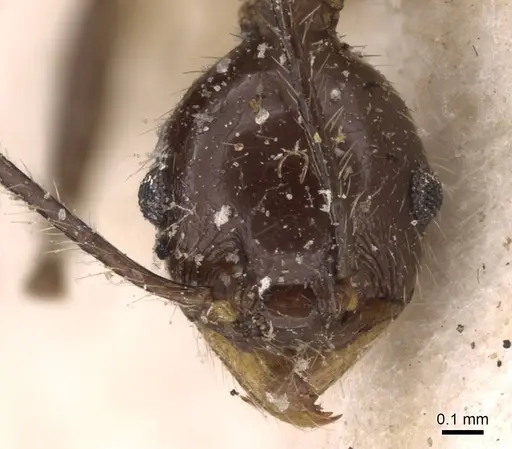
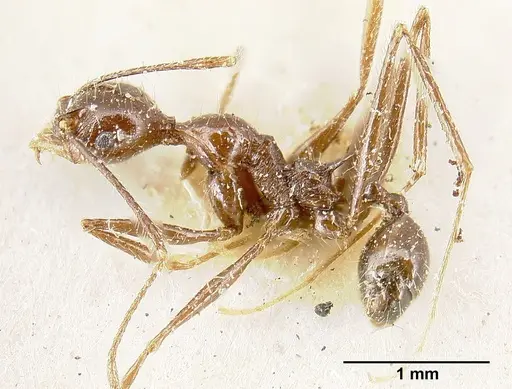
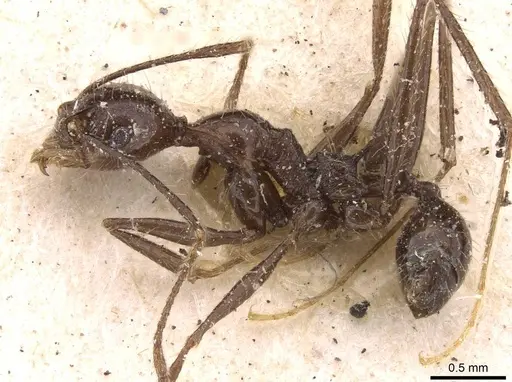
Pheidole ajax is a tropical ant native to the Neotropics, found in Costa Rica, Nicaragua, and Colombia's Chocó region . It belongs to the fallax group and is recognizable by its extremely long propodeal spines . Major workers have large heads, but full body size is unknown; minor workers are smaller with a smooth, glossy appearance . Colonies nest beneath the bark of rotten stumps in mature wet forest at elevations up to 600 meters . This species has a pronounced caste system with major workers having massively enlarged heads. The propodeal spines are notably long, which is a key identifying feature .
Quick Summary
- Difficulty: Medium
- Origin & Habitat: Neotropical region, Costa Rica, Nicaragua, and Colombia (Chocó). Found in mature wet forest at elevations up to 600m on the Atlantic slope. Nests beneath bark of rotten stumps [3][1][2].
- Colony Type: Unconfirmed, no specific data on queen number from research.
- Size & Growth:
- Queen: Size data unavailable, no total length measurements in research context.
- Worker: Size data unavailable, head measurements exist but not full body length.
- Colony: Estimated up to several hundred workers based on related Pheidole species.
- Growth: Moderate
- Development: 6-10 weeks estimated based on typical Pheidole development. (Development time inferred from genus patterns, tropical Pheidole typically develop faster than temperate species.)
- Antkeeping:
- Temperature: Keep at 24-28°C, inferred from tropical habitat.
- Humidity: Keep nest substrate consistently moist but not waterlogged, as they come from wet forest habitats [3].
- Diapause: No, tropical species do not require hibernation.
- Nesting: Y-tong (AAC) or plaster nests work well. Provide moist substrate and dark conditions, mimicking their natural nesting under bark [3].
- Behavior: Based on Pheidole genus patterns, they are generally peaceful and not aggressive. Major workers serve as soldiers and seed crackers. Escape risk is moderate, use standard barriers.
- Common Issues: high humidity requirements can lead to mold if ventilation is poor, balance is essential, tropical species may struggle if temperatures drop below 22°C, use a heating method in cooler climates, colonies can be slow to establish initially, patience is needed during the founding phase, major workers emerge later than in some species, don't be concerned if early broods are all minors, wild-caught colonies may contain parasites, quarantine and observe new colonies
Nest Preferences and Housing
In the wild, Pheidole ajax nests beneath the bark of rotten stumps in mature wet forest [3]. This tells you they prefer humid, dark environments with access to decaying wood. For captive care, Y-tong (AAC) nests or plaster nests work well because they hold moisture effectively. The chambers should be scaled to their worker size, but since full body size is unknown, use tight-fitting passages that suit small ants. Avoid dry setups like wooden nests, as these will cause the colony to decline. Provide a water tube connected to the nest so workers can drink directly. Place the nest in a dark area or cover it to simulate the dark conditions of their natural nesting sites. A layer of moist substrate at the bottom of the outworld helps maintain humidity.
Feeding and Diet
Pheidole ajax is omnivorous. Offer small insects like crickets or fruit flies as protein twice weekly, and provide small seeds for major workers to crack. Sugar water, honey, or sugar syrup should be available at all times via a cotton swab. Remove uneaten protein after 24-48 hours to prevent mold. A diverse diet promotes healthy brood development.
Temperature and Seasonal Care
As a tropical species, Pheidole ajax requires warm conditions year-round. Keep the nest area at 24-28°C for optimal brood development. A small heating cable on one side of the nest creates a temperature gradient that allows workers to self-regulate. Do not allow temperatures to drop below 20°C for extended periods, this species is not cold-tolerant. No diapause or hibernation period is needed.
Colony Development and Growth
Pheidole colonies develop through a pronounced dimorphic system, the first workers are typically minor workers, with major workers appearing in later broods. Expect the first workers to emerge 6-10 weeks after the queen lays eggs, assuming temperatures around 24-26°C. Early in the colony's life, you may see only minor workers, this is normal. Major workers typically appear once the colony reaches several dozen workers. Growth rate is moderate, patience during the founding phase is essential.
Behavior and Temperament
Pheidole ajax is generally calm and manageable in captivity. They are not particularly aggressive and pose minimal threat to keepers. The major workers serve as soldiers and seed processors rather than active defenders. Workers are active foragers who will readily search the outworld for food. Standard escape prevention is sufficient since they are not particularly adept at escaping.
Frequently Asked Questions
How long does it take for Pheidole ajax to have first workers?
Expect first workers to emerge in 6-10 weeks at optimal temperatures of 24-28°C. This is an estimate based on typical Pheidole genus development patterns, as specific development data for P. ajax is not available. The first broods will likely be minor workers.
What do Pheidole ajax ants eat?
They are omnivorous. Offer small insects as protein twice weekly, small seeds for major workers to crack, and constant access to sugar water or honey. Remove uneaten protein after 24-48 hours to prevent mold.
What temperature do Pheidole ajax need?
Keep them at 24-28°C. This is a tropical species, so they need warm conditions year-round. A heating cable on one side of the nest creates a gradient. Do not let temperatures drop below 20°C.
Are Pheidole ajax good for beginners?
They are medium difficulty, not the easiest but not challenging. They require warm temperatures and high humidity, which means more attention to setup than room-temperature species. Their moderate growth rate requires patience.
How big do Pheidole ajax colonies get?
Based on related species, colonies likely reach up to several hundred workers. Maximum colony size is estimated since specific data for this species is not available.
Do Pheidole ajax need hibernation?
No, being a tropical species, they do not require hibernation or a winter rest period. Keep temperatures stable and warm year-round.
What humidity do Pheidole ajax need?
High humidity is needed, as they come from wet forest habitats. Keep the nest substrate consistently moist but not waterlogged. A water tube for drinking access is essential.
When do major workers appear in Pheidole ajax?
Major workers typically appear after the colony reaches several dozen workers. The first few broods are usually all minor workers. Don't be concerned if early colonies only have minors, this is normal.
Can I keep multiple Pheidole ajax queens together?
No specific data on queen number, so it is unconfirmed. Only keep one queen per colony unless research confirms otherwise.
What nest type is best for Pheidole ajax?
Y-tong (AAC) or plaster nests work best because they hold moisture well. They naturally nest in rotting wood with high humidity, so dry setups like wooden nests will cause problems. Provide moist substrate and cover the nest to keep it dark.
Why is my Pheidole ajax colony not growing?
Check three things: temperature (needs 24-28°C), humidity (should be high), and queen nutrition. If the queen is not laying eggs, she may need more protein. Also ensure the colony is established, Pheidole can be slow to start. If conditions are correct, be patient, moderate growth is normal for this genus.
Report an Issue
The current care sheet is based fully on literature. See inconsistencies, or something that's incorrect? Please , it will be resolved after review from an admin. Contributing to the blogs tab also helps providing information, to make us be able to further improve the caresheets. Thank you for your support!
References

This caresheet is licensed under CC BY-SA 4.0 .
Community Blogs
CASENT0178234
View on AntWeb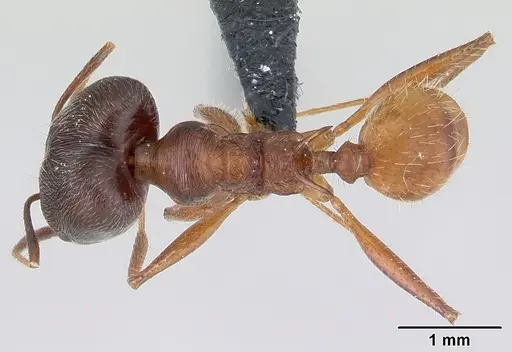
CASENT0178235
View on AntWeb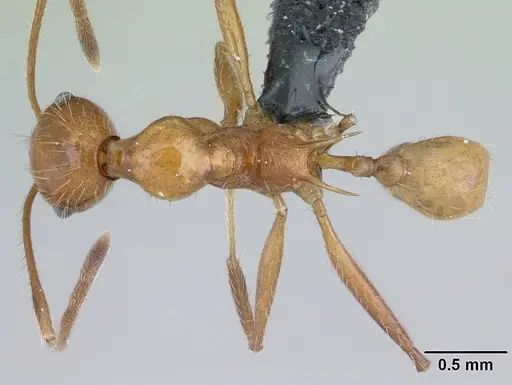
CASENT0619651
View on AntWeb
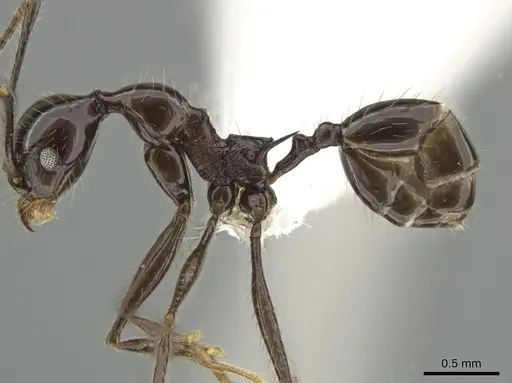
CASENT0635431
View on AntWeb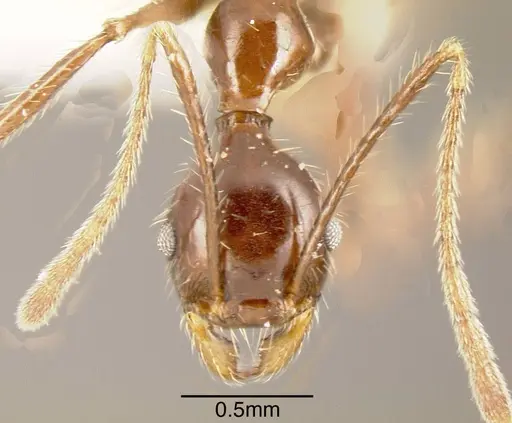
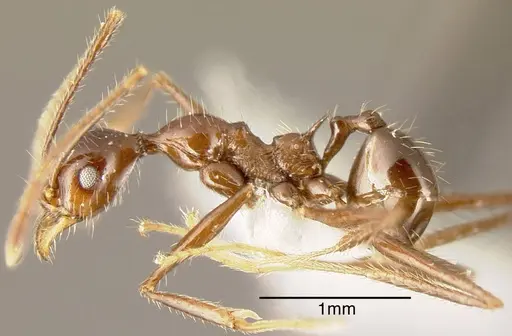
CASENT0904344
View on AntWeb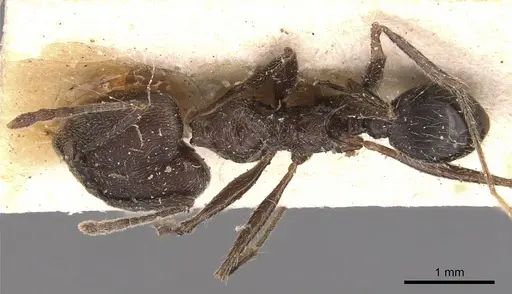
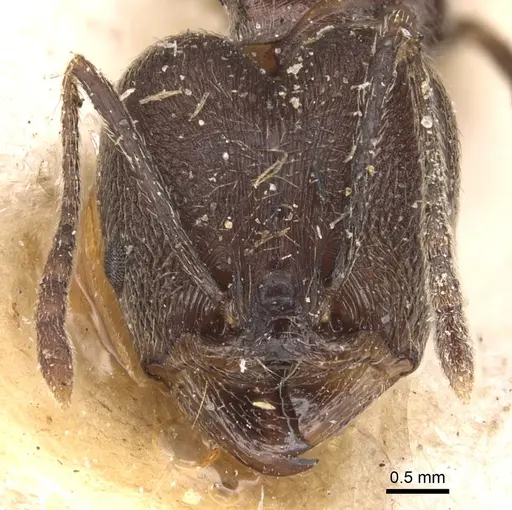
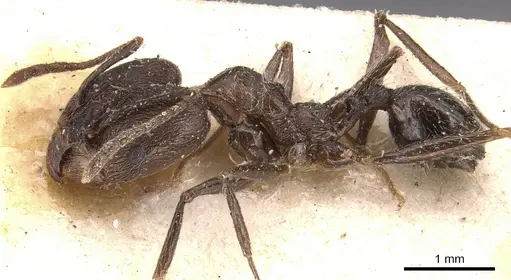
CASENT0904345
View on AntWeb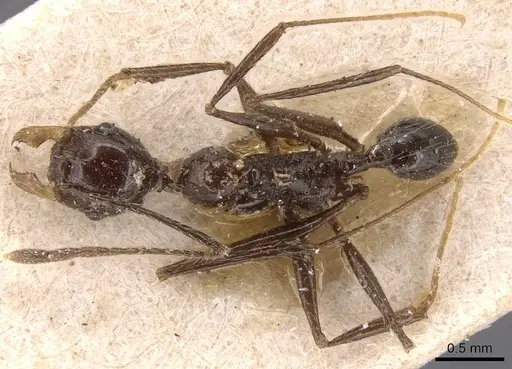
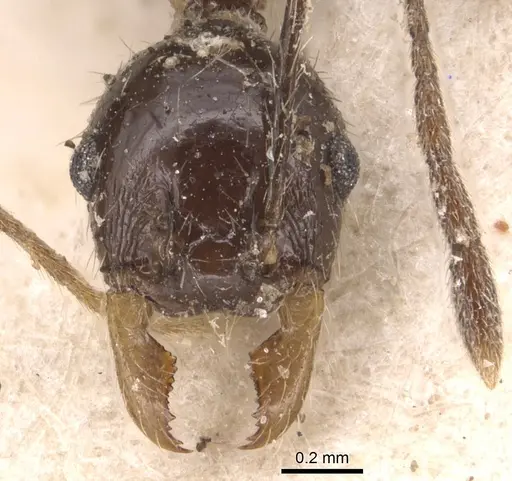
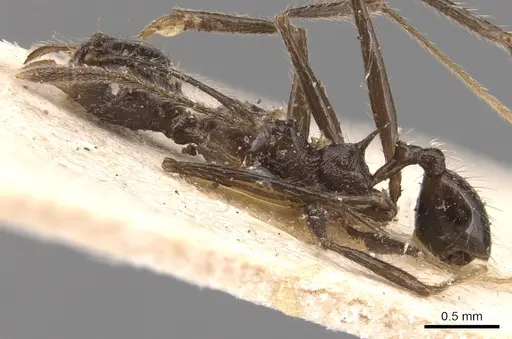
INBIOCRI001280413
View on AntWeb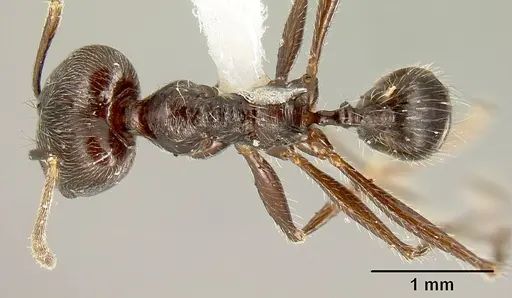
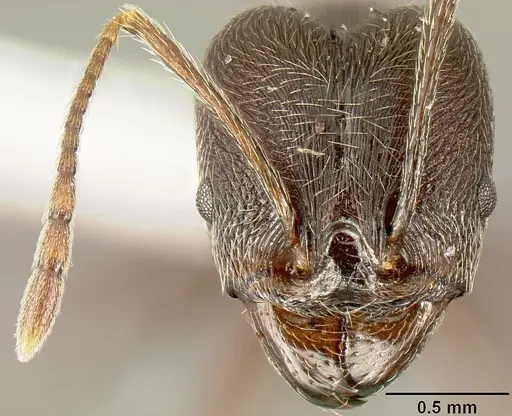
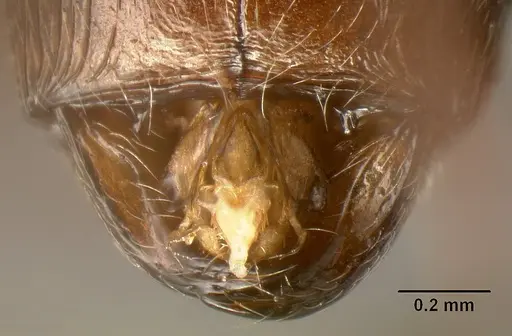
INBIOCRI001280417
View on AntWeb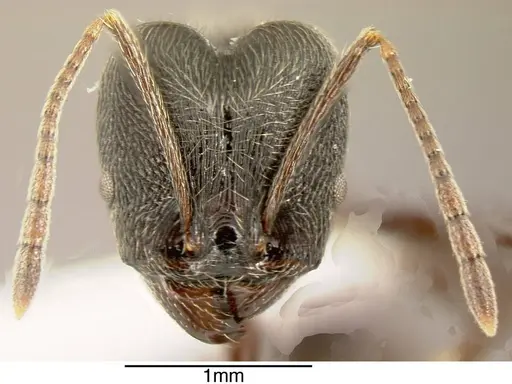
INBIOCRI001280418
View on AntWeb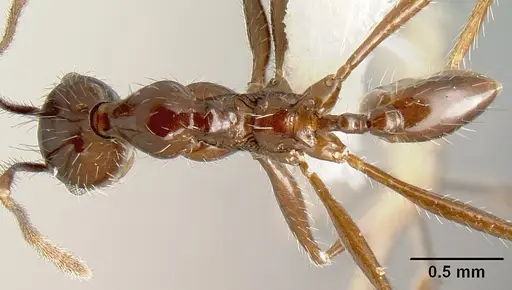
JTLC000014065
View on AntWeb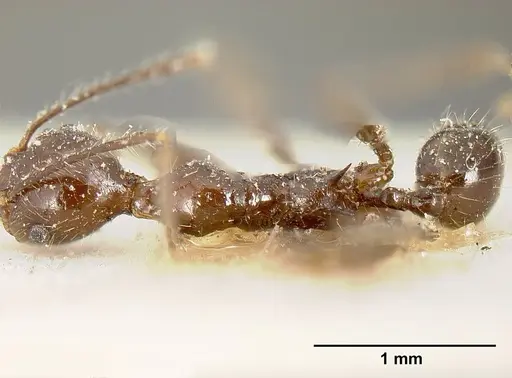
Literature
Loading distribution map...Loading products...