
Pheidole absurda
- Sci. Name
- Pheidole absurda
- Tribe
- Attini
- Subfamily
- Myrmicinae
- Author
- Forel, 1886
- Distribution
- Found in 5 countries
Introduction
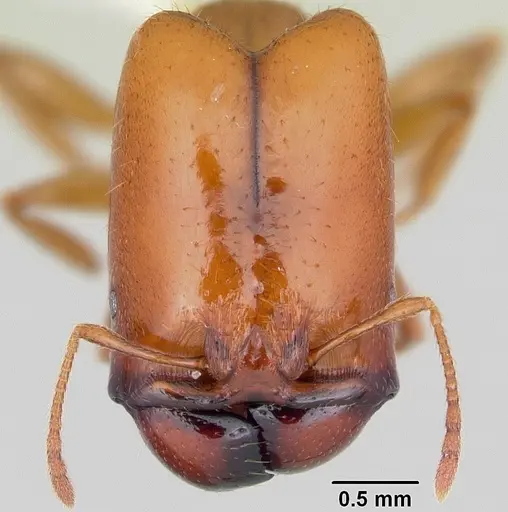
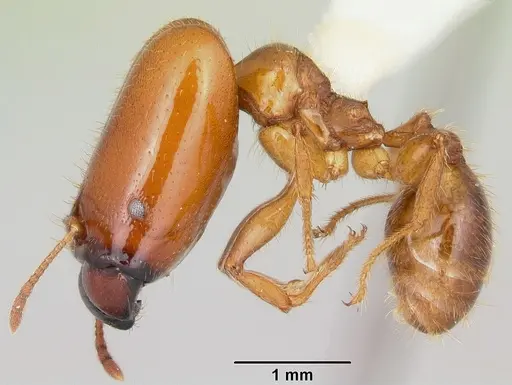
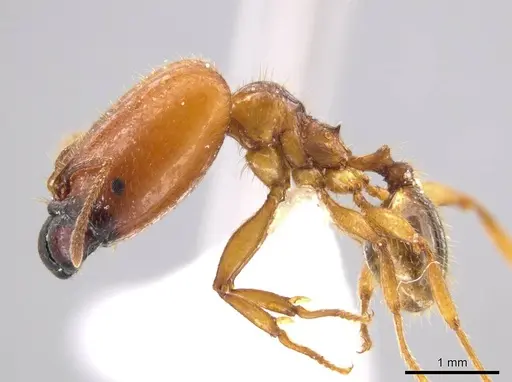
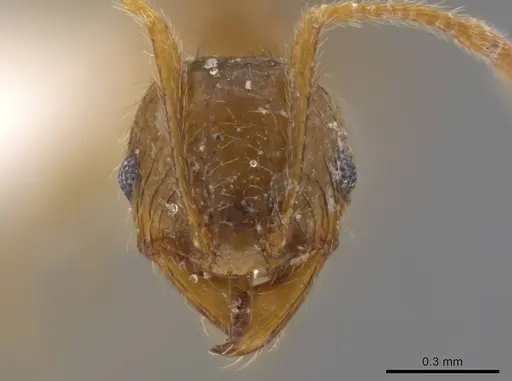
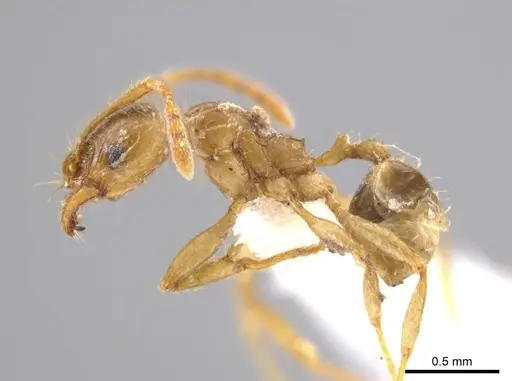
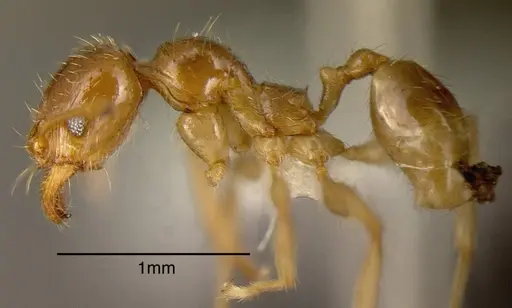
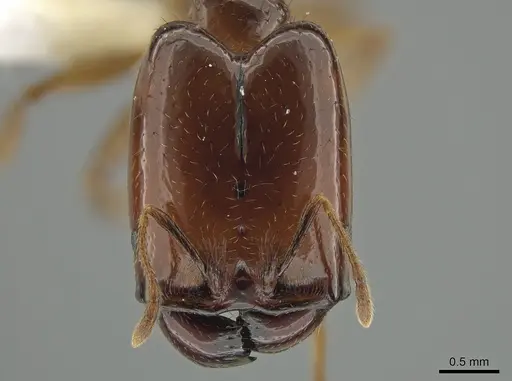
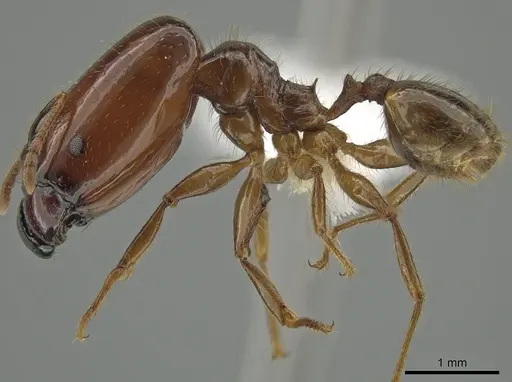
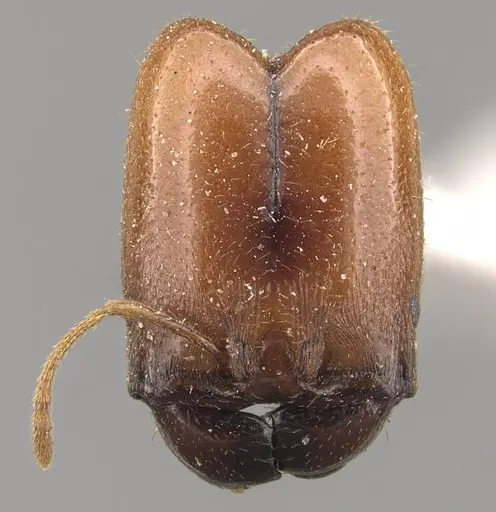
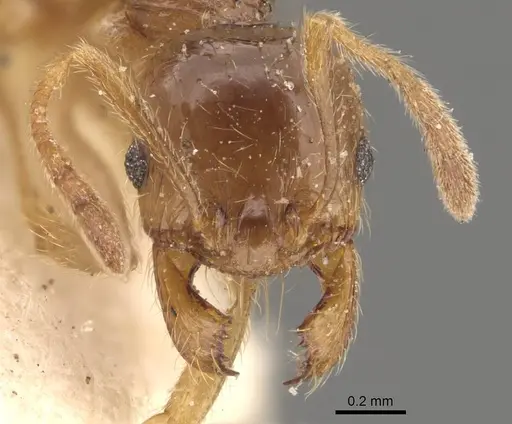
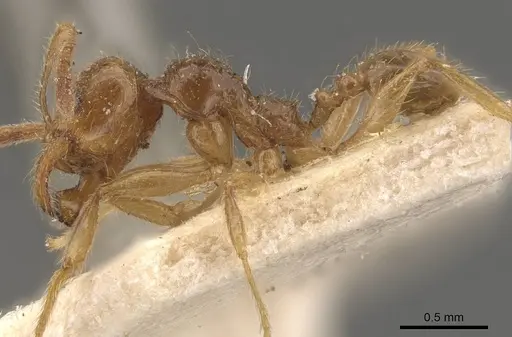
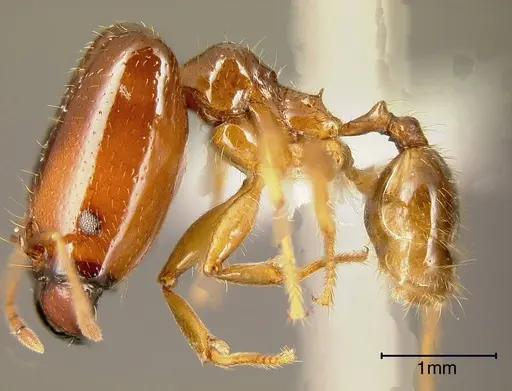
Pheidole absurda is a dimorphic ant species native to the Nearctic-Neotropical region, ranging from southern Texas through Mexico, Guatemala, Honduras, Nicaragua, and Costa Rica . Major workers (soldiers) are about 5 mm long, while minor workers are much smaller . Colonies excavate deep nests in soil, sometimes descending a full meter underground, with entrance holes just 2-5 mm in diameter . This species is specialized for seed harvesting: minor workers strip seed husks, and majors crack seeds open with their powerful mandibles. Majors also guard the nest entrance, defending against intruders by chopping off appendages with their mandibles .
Quick Summary
- Difficulty: Medium
- Origin & Habitat: Native to the Nearctic-Neotropical region, from Brownsville, Texas south to Costa Rica, found in thorn forest and moist clay habitats [1][2][4].
- Colony Type: Likely monogyne based on genus patterns, but unconfirmed from direct literature.
- Size & Growth:
- Queen: Size data unavailable
- Worker: Major workers ~5 mm [3], minor workers size data unavailable
- Colony: Up to 375 workers [4]
- Growth: Moderate
- Development: Estimated 6-8 weeks based on typical Pheidole patterns (Development time inferred from genus-level data, specific timing for this species not documented)
- Antkeeping:
- Temperature: Keep warm, roughly 24-28°C, based on tropical range.
- Humidity: Keep nest substrate consistently moist but not waterlogged, as they nest in moist clay [4].
- Diapause: No, as a tropical species, they do not require hibernation.
- Nesting: Deep-nesting species, provide deep soil or plaster nests with chambers to accommodate excavation behavior [4].
- Behavior: Granivorous foragers with flexible activity patterns, nocturnal, diurnal, or throughout the day depending on conditions [4]. Majors guard the nest entrance and use mandibles for defense against intruders [4]. Escape risk is high due to tiny minor workers, use fine mesh barriers.
- Common Issues: small minor workers mean escapes are likely without fine mesh barriers., deep nesting requirement may be challenging to accommodate in standard formicariums., colonies may be slow to establish from founding stage due to seed-based diet., majors can be aggressive and may bite if threatened, handle with care., overheating or drying out can stress colonies since they prefer moist substrate.
Housing and Nest Setup
Pheidole absurda requires housing that accommodates their deep-nesting behavior. In the wild, colonies excavate nests reaching a full meter underground with small entrance holes [4]. For captivity, provide deep soil (at least 10-15 cm) or a plaster nest with multiple connected chambers. Ensure all connections use fine mesh to prevent escapes by tiny minor workers. A test tube setup can work for founding colonies, but plan to transfer to a larger nest as the colony grows.
Feeding and Diet
As granivorous ants, Pheidole absurda primarily harvests and stores seeds. Offer small seeds like grass seeds or millet, alongside protein sources like small insects. They are generalist omnivores [5], so they accept both plant matter and protein. Provide a constant sugar source (honey water or sugar water). Remove uneaten seeds periodically to prevent mold, but some seed storage is normal behavior [4].
Temperature and Seasonal Care
Being a tropical to subtropical species, Pheidole absurda requires warm temperatures year-round. Keep the nest area at roughly 24-28°C, with a temperature gradient using a heating cable. They do not require hibernation. Avoid temperatures below 20°C for extended periods.
Behavior and Colony Dynamics
Foraging is flexible: much occurs at night, but activity can continue around the clock if shaded or overcast [4]. Foragers typically stay within ten feet of the nest, and majors rarely venture more than a foot from the entrance. Majors serve as guards and seed-crackers, using mandibles to defend against intruders [4]. Handle with care, as majors can deliver a painful bite.
Frequently Asked Questions
How long does it take for Pheidole absurda to have first workers?
Estimated 6-8 weeks based on typical Pheidole development patterns. Development time depends on temperature, warmer conditions speed development.
Can I keep Pheidole absurda in a test tube?
Test tubes work for founding colonies, but these ants require deep nesting space as they mature. Plan to transfer to a larger nest within 6-12 months as the colony grows [4].
What do Pheidole absurda ants eat?
They are granivorous and collect seeds. Feed small seeds plus protein sources like insects, and provide sugar water [4][5].
Are Pheidole absurda good for beginners?
Medium difficulty, they require warm temperatures, deep nesting space, and careful humidity control. Their seed-based diet is somewhat specialized.
How big do Pheidole absurda colonies get?
Mature colonies contain up to 375 workers [4].
Do Pheidole absurda need hibernation?
No, as a tropical species, they do not require hibernation.
Why are my Pheidole absurda dying?
Common causes include temperatures below 20°C, dry nest substrate, escapes of minor workers, or mold from excess moisture. Ensure proper nutrition and humidity.
When should I move Pheidole absurda to a formicarium?
Move from a test tube when the colony reaches 50+ workers or after 6-12 months, as they need deep space for nesting [4].
Can I keep multiple Pheidole absurda queens together?
This species is likely monogyne, so multiple queens will fight. Only keep one queen per colony.
Report an Issue
The current care sheet is based fully on literature. See inconsistencies, or something that's incorrect? Please , it will be resolved after review from an admin. Contributing to the blogs tab also helps providing information, to make us be able to further improve the caresheets. Thank you for your support!
References

This caresheet is licensed under CC BY-SA 4.0 .
Community Blogs
CASENT0103138
View on AntWeb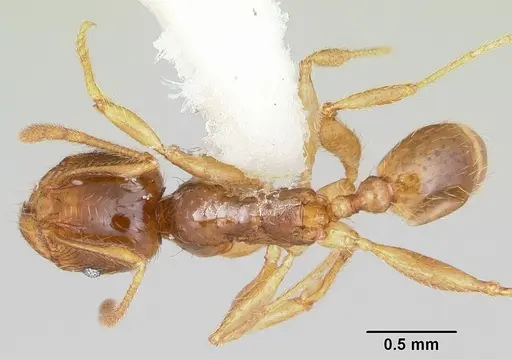
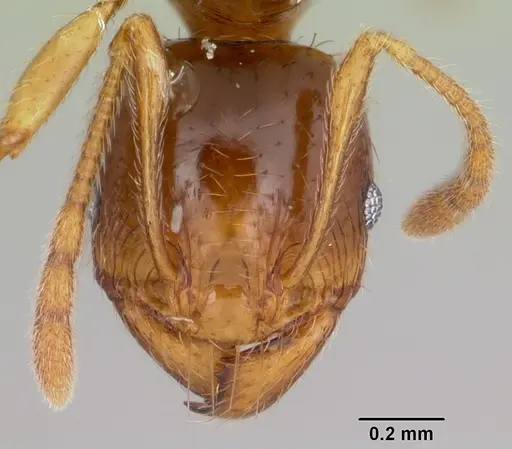
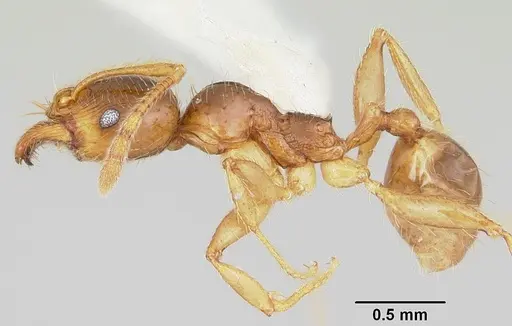
CASENT0103139
View on AntWeb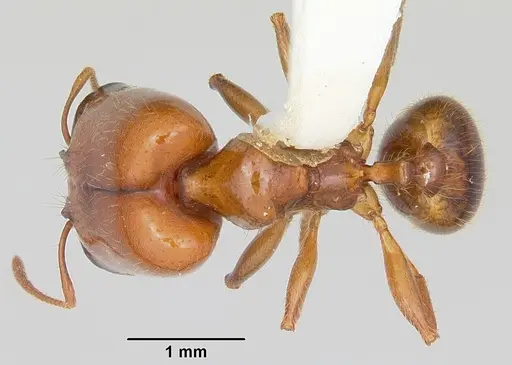
CASENT0611612
View on AntWeb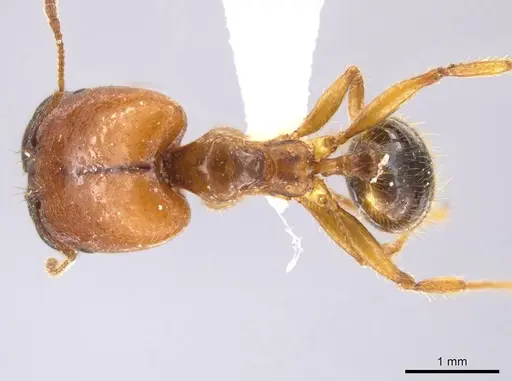
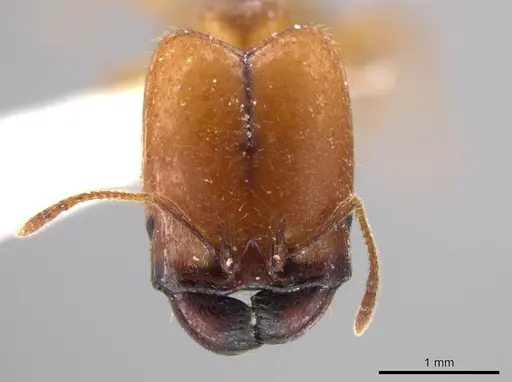
CASENT0611613
View on AntWeb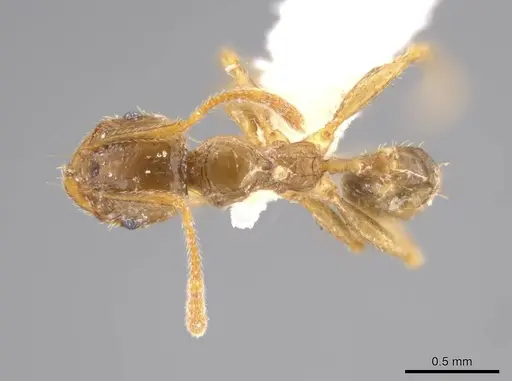
CASENT0635430
View on AntWeb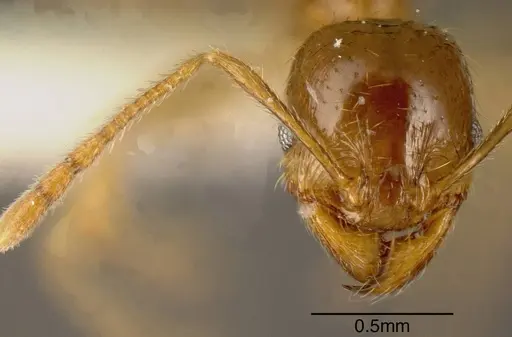
CASENT0646555
View on AntWeb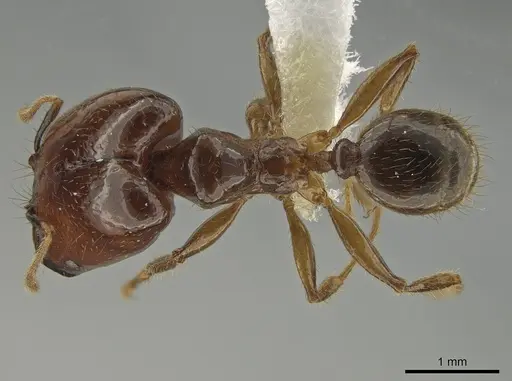
CASENT0908156
View on AntWeb
CASENT0908157
View on AntWeb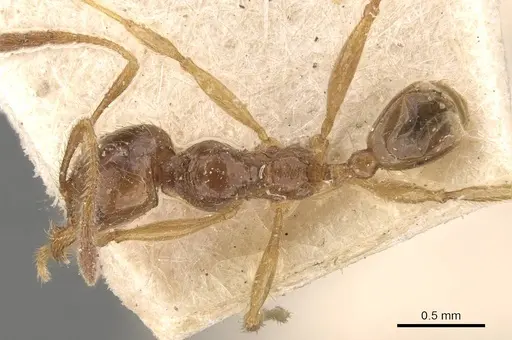
INBIOCRI001282755
View on AntWeb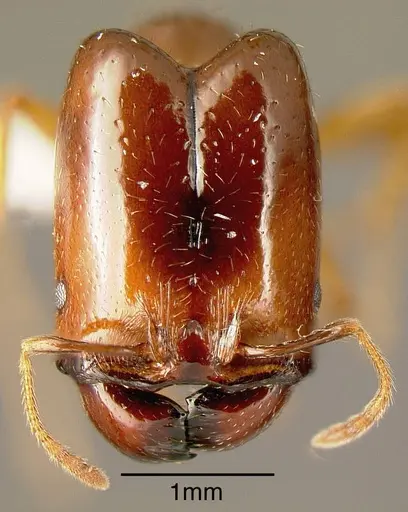
Literature
Loading distribution map...Loading products...