
Paratrechina zanjensis
- Sci. Name
- Paratrechina zanjensis
- Tribe
- Lasiini
- Subfamily
- Formicinae
- Author
- LaPolla <i>et al.</i>, 2013
- Distribution
- Found in 3 countries
Introduction
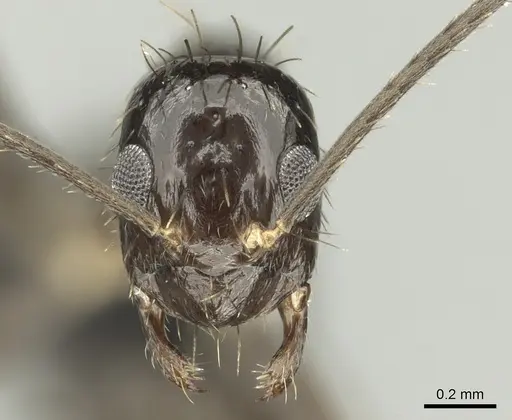
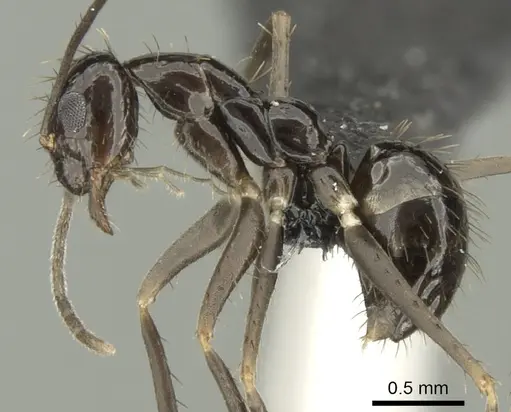
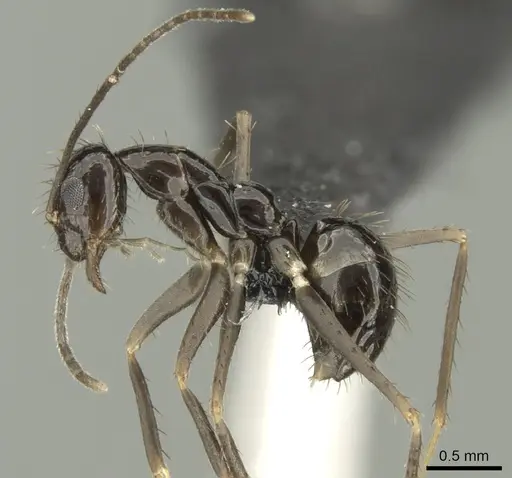
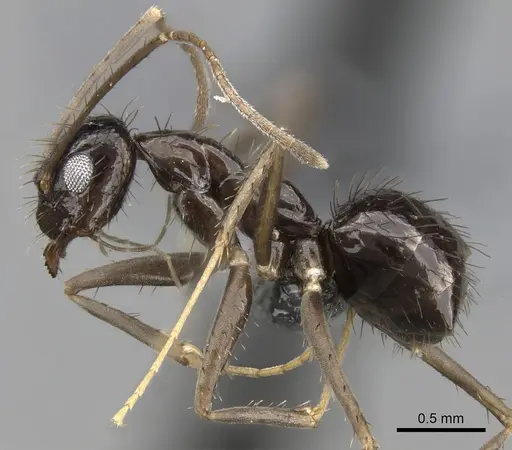
Paratrechina zanjensis is a small, dark brown ant native to dry miombo woodlands in Angola, Mozambique, and Tanzania . Workers measure 2.6-3.2 mm in total length . They have a glossy body with lighter mandibles, antennae, and legs, and are distinguished by erect dark macrosetae on the scapes and body, which separates them from the related Paratrechina longicornis . This species was described in 2013 and is poorly studied, with only 23 specimens collected. It is a specialist of open, dry woodland habitats rather than forests .
Quick Summary
- Difficulty: Hard
- Origin & Habitat: Native to dry miombo woodlands in Angola, Mozambique, and Tanzania [1][2]. These habitats are open, seasonal woodlands with a pronounced dry season [1].
- Colony Type: Unconfirmed colony structure. Based on its relationship to Paratrechina longicornis, which is polygynous (multiple queens), P. zanjensis may form multi-queen colonies, but this has not been documented. Queen and male castes remain unknown [1][2].
- Size & Growth:
- Antkeeping:
- Temperature: Based on their East African origin, keep warm around 24-28°C. Provide a temperature gradient using a heating cable on one side of the nest [1][2].
- Humidity: Provide a humidity gradient, mostly dry nest chamber with a small moist area, as they are adapted to dry miombo woodland conditions [1].
- Diapause: Unknown, no data on overwintering requirements
- Nesting: They are surface-active foragers, as they were found in pitfall traps but not in leaf litter samples [1]. In captivity, use a test tube setup for founding colonies and a Y-tong or plaster nest for established colonies, with a shallow outworld for foraging.
- Behavior: Based on their relationship to Paratrechina longicornis, they are likely active and quick-moving foragers [2]. Their small size (under 3.2 mm) means escape prevention is critical, use fine mesh and fluon barriers. They are probably defensive but not aggressively studied.
- Common Issues: escape prevention is critical due to their tiny size, they can squeeze through standard gaps, lack of documented care means you are experimenting, keep detailed notes, queen and colony structure unconfirmed, you may not know if your colony is established, no male or queen description exists, wild mating may be difficult to replicate, never release this species outside its native range to avoid ecological damage
Natural History and Distribution
Paratrechina zanjensis is a rare ant species described in 2013 from specimens in Tanzania's Selous Game Reserve [1]. The species name comes from the ancient Arabic name for the East African coast [1]. It is found only in Angola, Mozambique, and Tanzania, and is a specialist of dry miombo woodland habitats [1][2]. They were collected in pitfall traps but not in leaf litter samples, indicating surface-active foraging behavior [1].
Identification and Distinction from Related Species
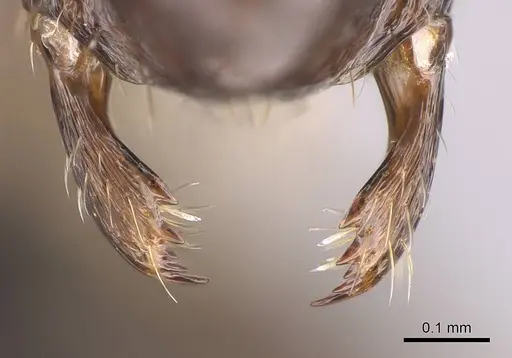
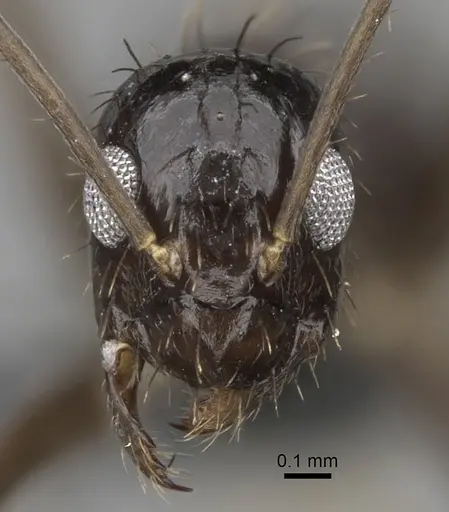
Paratrechina zanjensis can be distinguished from Paratrechina longicornis by erect macrosetae on the scapes, a glossier body, and a more convex propodeum [1][2]. Workers have 8 teeth on their mandibles [1]. It is similar to Nylanderia silvula but has larger eyes, longer limbs, and a less domed propodeum [1].
Housing and Nest Setup
For founding colonies, use a test tube setup with a water reservoir sealed with cotton [1]. Because workers are small (2.6-3.2 mm), ensure tight cotton to prevent escapes. For established colonies, use a Y-tong or plaster nest with a moisture chamber and a shallow outworld for surface foraging [1]. Apply fluon to barriers and use fine mesh (0.5 mm or smaller) for ventilation [1].
Feeding and Diet
No specific feeding studies exist, but based on related species, offer a varied diet of sugar sources (e.g., honey water) and protein (e.g., small insects) [2]. Feed small amounts regularly and remove uneaten prey to prevent mold [2].
Temperature and Seasonal Care
Keep colonies warm at 24-28°C based on their East African habitat [1][2]. Use a heating cable for a temperature gradient. Diapause requirements are unknown, so observe colony activity and avoid forcing cold hibernation [1].
Behavior and Handling
They are likely active and quick-moving, based on their relationship to P. longicornis [2]. Handle with care using soft brushes or damp paper towels, as their small size makes them prone to escape [1]. They forage on surfaces, as indicated by pitfall trap captures [1].
Frequently Asked Questions
How long does it take for Paratrechina zanjensis to produce first workers?
The egg-to-worker timeline is unknown, no data exists on development time for this species [1].
What do Paratrechina zanjensis ants eat?
Based on related species, they likely accept a varied diet of sugar sources and small insects [2]. Offer honey water and protein prey like fruit flies [2].
Can I keep Paratrechina zanjensis in a test tube?
Yes, a test tube setup works well for founding colonies. Ensure the cotton is packed tightly to prevent escapes due to their small size [1].
What temperature do Paratrechina zanjensis ants need?
Keep them warm around 24-28°C, based on their East African habitat [1][2]. Use a temperature gradient for self-regulation.
Are Paratrechina zanjensis ants aggressive?
They are likely defensive based on their relationship to P. longicornis, but not specifically studied [2]. Handle with care using tools.
How big do Paratrechina zanjensis colonies get?
Colony size is unknown, only 23 specimens have been collected [1]. Based on related species, they may reach several hundred workers, but this is not confirmed.
Do Paratrechina zanjensis ants need hibernation?
Diapause requirements are unknown. If the colony shows reduced activity, provide a cool period around 18-20°C, but avoid forced hibernation [1].
Are Paratrechina zanjensis good for beginners?
No, this species is not recommended for beginners due to poor study and unknown care requirements. Start with more established species [1].
Why are my Paratrechina zanjensis dying?
Common issues include escape due to small size, temperature stress, or improper humidity. Document conditions and adjust carefully [1].
Report an Issue
The current care sheet is based fully on literature. See inconsistencies, or something that's incorrect? Please , it will be resolved after review from an admin. Contributing to the blogs tab also helps providing information, to make us be able to further improve the caresheets. Thank you for your support!
References

This caresheet is licensed under CC BY-SA 4.0 .
Community Blogs
CASENT0128086
View on AntWeb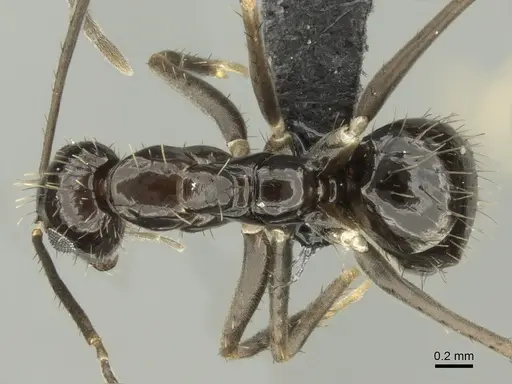
CASENT0280583
View on AntWeb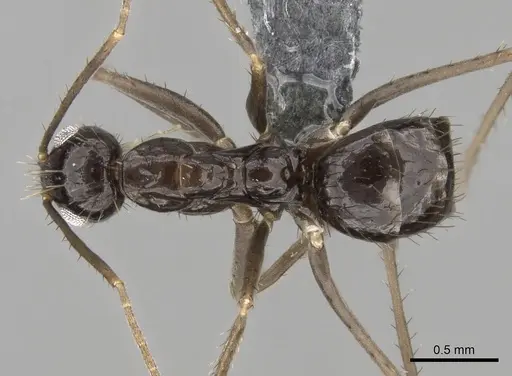
Literature
Loading distribution map...Loading products...