
Paratrachymyrmex bugnioni
- Sci. Name
- Paratrachymyrmex bugnioni
- Tribe
- Attini
- Subfamily
- Myrmicinae
- Author
- Forel, 1912
- Distribution
- Found in 9 countries
Introduction
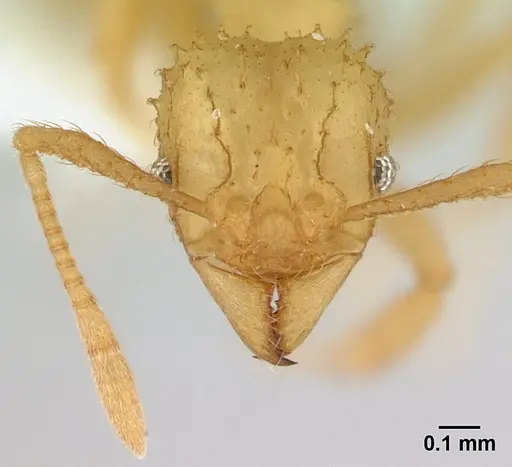
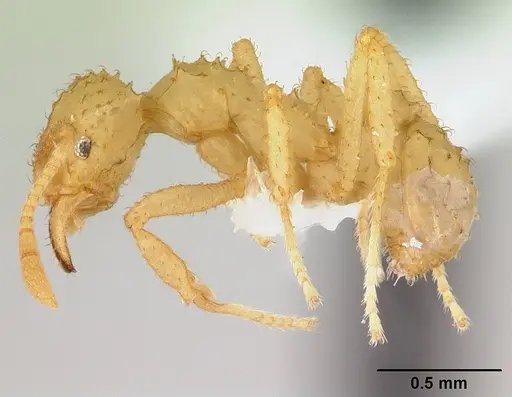
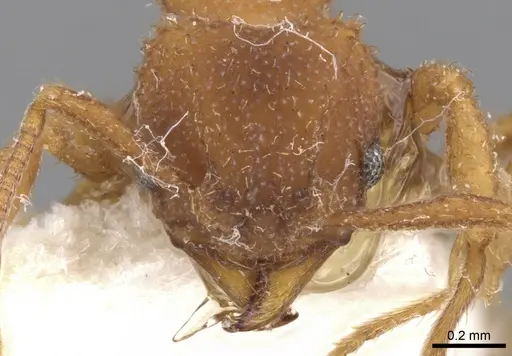
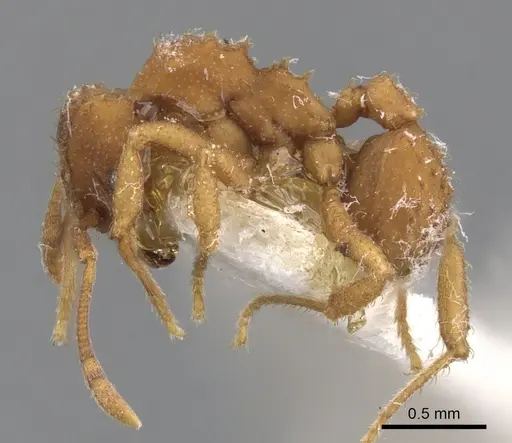
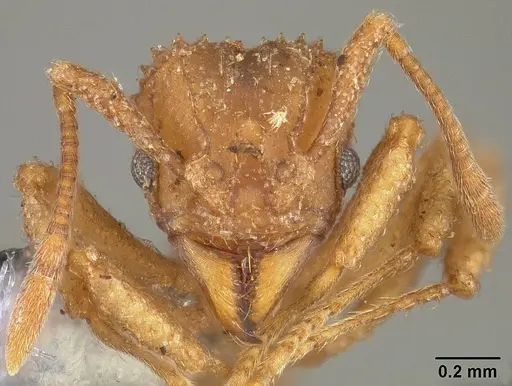
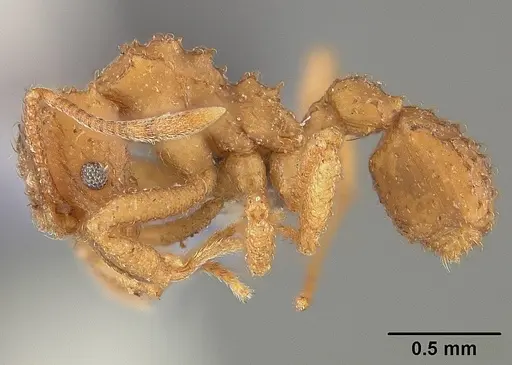
Paratrachymyrmex bugnioni is a small fungus-growing ant in the tribe Attini. Workers are monomorphic and cultivate fungi for food. They range from Honduras through Costa Rica and Panama into northern South America, including Colombia, Venezuela, Guyana, and Brazil. These ants build small nests on the forest floor with a tiny soil mound around the entrance, and colonies grow to a few hundred to a few thousand workers . This species practices vertical fungal cultivar transmission - queens carry a piece of the parent fungus in their infrabuccal pocket to start their own garden .
Quick Summary
- Difficulty: Medium
- Origin & Habitat: Tropical rainforests of Central America (Honduras, Costa Rica, Panama, Guatemala) and northern South America (Colombia, Venezuela, Guyana, Brazil, Trinidad). Found in leaf litter, primary and secondary forests, and forest edges at elevations up to 980m [4][2][5].
- Colony Type: Single-queen colonies (haplometrotic). Queens found nests alone and must forage during founding (semi-claustral).
- Size & Growth:
- Queen: Size data unavailable, no total length measurements in research context
- Worker: Size data unavailable, no total length measurements in research context
- Colony: Up to 3000 workers [1]
- Growth: Moderate
- Development: Unknown, no direct data on development time (Development time may vary with temperature and fungus health)
- Antkeeping:
- Temperature: Keep at 24-28°C based on tropical habitat [5]
- Humidity: Keep substrate consistently moist but not waterlogged based on forest floor habitat [5]
- Diapause: No, tropical species do not require hibernation [5]
- Nesting: Use a naturalistic setup with soil or Y-tong/plaster nest. Provide small chambers about 25-30mm deep with tiny entrances (~2mm) and surfaces for fungal garden attachment [6]
- Behavior: Generally peaceful and not aggressive. Workers forage for plant materials to feed their fungal garden. Queens must leave the nest to forage during founding [7]. Escape risk is moderate due to small size, use standard barriers.
- Common Issues: fungal garden collapse from contamination or improper humidity can starve the colony, semi-claustral founding means foundresses need to hunt, they cannot survive on stored fat alone, wild-caught colonies may have parasites like Escovopsis fungus that can devastate captive colonies [9], temperature drops below 22°C can slow colony growth
The Fungus-Growing Lifestyle
Paratrachymyrmex bugnioni belongs to the Attini tribe, the fungus-growing ants. These ants cultivate fungi as their primary food source. The ants feed the fungus with plant materials, and the fungus serves as food for larvae and adult workers [3]. The fungal garden is essential to colony survival. Higher attine ants like this species practice vertical cultivar transmission, the queen carries a piece of the parent fungus in her infrabuccal pocket when establishing a new nest [3].
Nest Setup and Chamber Design
In the wild, foundress queens use small chambers about 27mm deep on the forest floor. They attach fungal gardens to roots, rock surfaces, or soil [6]. For captivity, replicate with soil or Y-tong/plaster nests. Entrances are tiny, about 2mm in diameter [6]. Provide rough surfaces for fungus attachment. Keep humidity high but ensure ventilation to prevent mold.
Feeding Your Colony
Feed the fungus, not the ants directly. Workers collect plant materials like flowers, dead leaves, and insect feces [8]. In captivity, offer small pieces of fresh flowers, crushed dry leaves, or grain materials. The fungus should appear white and healthy. Never feed sugar water or honey, ants cannot digest these directly.
Colony Founding
This is a semi-claustral species, queens must forage during founding [7]. Research shows 100% of wild nests have a single foundress [6]. Do not combine multiple queens. The queen establishes a small chamber, plants her fungal garden, and raises first workers while continuing to forage.
Defense and Health
Fungus-growing ants carry beneficial bacteria that produce antibiotics to suppress harmful fungi like Escovopsis [9]. Escovopsis affects about 51% of Trachymyrmex colonies in the wild. Maintain clean conditions to protect the fungal garden. The ants are small and not aggressive, relying on fungal defenses and cryptic nesting.
Temperature and Seasonal Care
As a tropical species, keep temperatures at 24-28°C for optimal fungus growth [5]. Use a heating cable for a gentle gradient. No diapause is needed, maintain stable temperatures year-round [5]. Humidity should be high to keep the substrate moist [5].
Frequently Asked Questions
How do I feed Paratrachymyrmex bugnioni?
You feed the fungus, not the ants directly. Offer small plant materials like flower petals or crushed leaves. The ants process these and feed their fungal garden. Never feed sugar water or honey [8][3].
Can I keep multiple queens together?
No. Research shows 100% of wild colonies are founded by a single queen [6]. Combining queens will likely result in fighting.
How long does it take for first workers to emerge?
Unknown, no direct data on development time for this species. Based on related Trachymyrmex species, it may take several weeks at optimal temperature.
What is the best nest type for this species?
A naturalistic setup with soil or Y-tong/plaster nest works best. Provide small chambers with tiny entrances and rough surfaces for fungal garden attachment [6].
Why is my fungal garden turning dark?
A dark garden usually indicates contamination, improper humidity, or poor food quality. Check substrate moisture and offer clean plant materials [9].
Are Paratrachymyrmex bugnioni good for beginners?
They are intermediate difficulty due to fungal garden maintenance and semi-claustral founding. Not recommended as a first ant, but manageable with experience.
Do they need hibernation?
No. As a tropical species, they do not require winter cooling. Keep temperatures stable year-round [5].
How big do colonies get?
Colonies reach up to 3000 workers in the wild [1]. In captivity, growth is moderate over several years.
What temperature do they need?
Keep at 24-28°C based on tropical habitat [5]. Avoid temperatures below 22°C for extended periods.
Report an Issue
The current care sheet is based fully on literature. See inconsistencies, or something that's incorrect? Please , it will be resolved after review from an admin. Contributing to the blogs tab also helps providing information, to make us be able to further improve the caresheets. Thank you for your support!
References

This caresheet is licensed under CC BY-SA 4.0 .
Community Blogs
CASENT0179468
View on AntWeb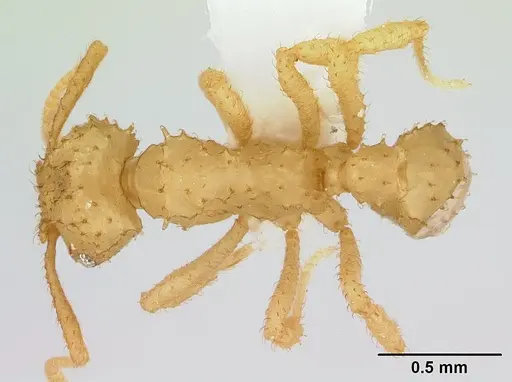
CASENT0901694
View on AntWeb
CASENT0919968
View on AntWeb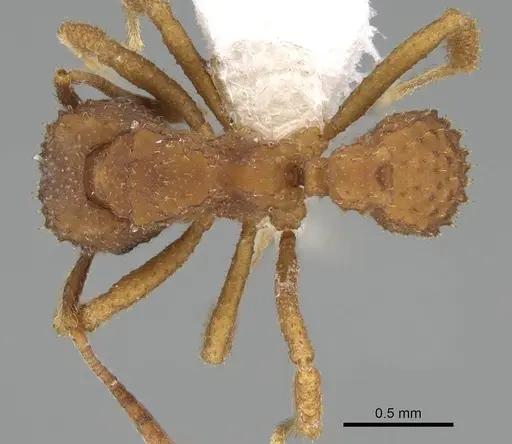
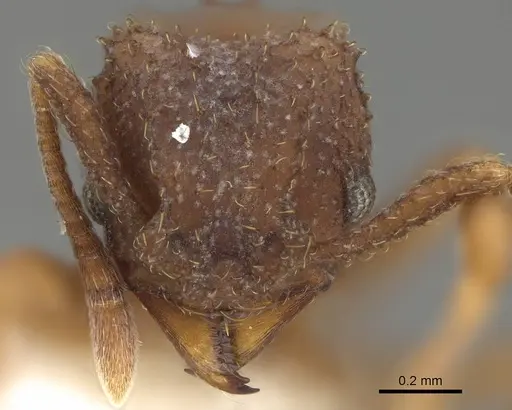
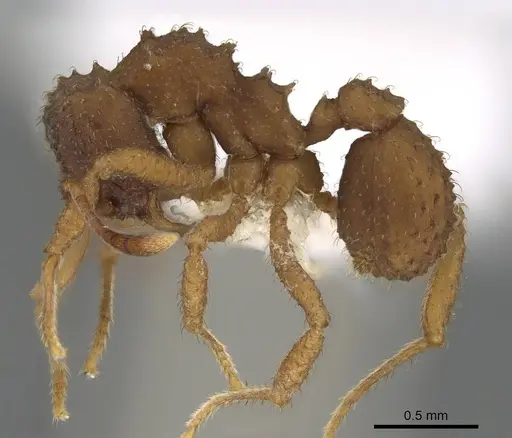
CBUMAGENT34600
View on AntWeb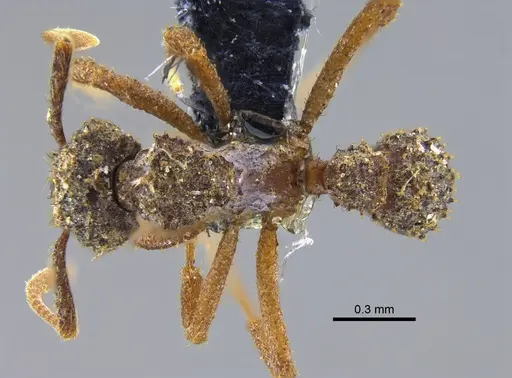
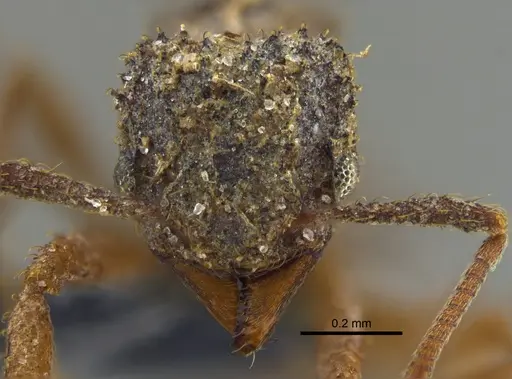
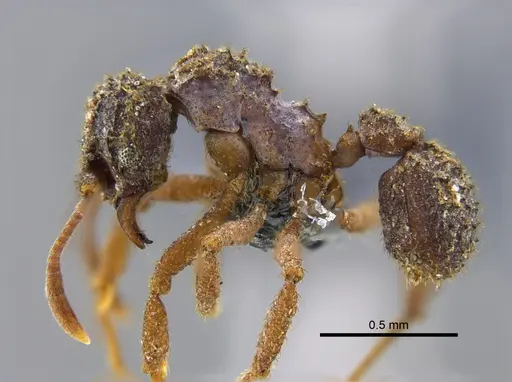
USNMENT00445762
View on AntWeb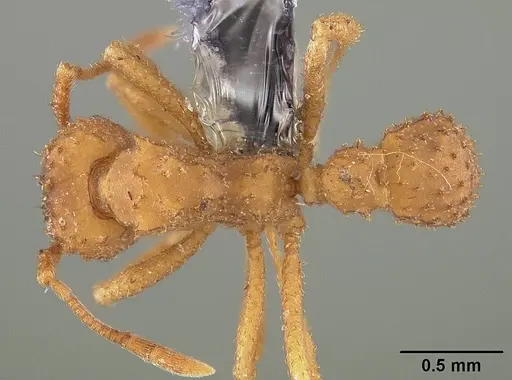
Literature
Loading distribution map...Loading products...