
Parasyscia majuscula
- Sci. Name
- Parasyscia majuscula
- Subfamily
- Dorylinae
- Author
- Mann, 1921
- Distribution
- Found in 1 countries
Introduction
Parasyscia majuscula is a small ant species endemic to Fiji, belonging to the subfamily Dorylinae (army ants and their relatives). Workers are part of the vitiensis species complex and are the largest and least sculptured species within that group. They have broad, well-defined foveae (pitted structures) on the postpetiolar dorsum and anterior portions of the pronotum. This species was first described by Mann in 1921 from workers collected beneath stones in forests of Nadarivatu on Viti Levu island. No additional specimens have been found since those initial collections, making it one of the rarer Fiji endemics . As a Dorylinae species, these ants are predatory hunters that likely forage in small groups or columns. They are challenging to keep due to limited availability and the lack of captive husbandry data. Their natural habitat in Fiji's forests suggests they prefer warm, humid conditions with plenty of ground cover and leaf litter. Because so little is known, much of their biology must be inferred from related species.
Quick Summary
- Difficulty: Expert
- Origin & Habitat: Endemic to Fiji, specifically found on Viti Levu island in the Nadarivatu region. Original collections came from beneath stones in forest habitats [1][2][3].
- Colony Type: Unconfirmed, colony structure is not documented. Based on typical Dorylinae patterns, they may be monogyne, but this has not been confirmed.
- Size & Growth:
- Queen: Estimated 5–7 mm based on genus patterns, no specific measurements available
- Worker: Estimated 3–5 mm based on genus patterns, no specific measurements available
- Colony: Unknown, no colony size data exists for this species
- Growth: Unknown, growth rate has not been documented
- Development: Estimated 6–8 weeks based on typical Dorylinae development at tropical temperatures (Development timeline is inferred from related Dorylinae species, no direct measurements exist for P. majuscula.)
- Antkeeping:
- Temperature: Keep at 24–28°C, reflecting their tropical Fiji origin. A gentle temperature gradient lets the ants regulate themselves.
- Humidity: Maintain high humidity (70–85%) with moist substrate. Their forest floor habitat suggests they prefer consistently damp conditions.
- Diapause: Unlikely, as a tropical species from Fiji, they probably do not need a diapause period. Slight seasonal slowdowns during cooler months may occur, but active heating is recommended year‑round.
- Nesting: Natural nesting occurs under stones in forest environments [1]. In captivity, use a naturalistic setup with moist substrate (terrarium-style formicarium) or a well‑humidified Y‑tong/plaster nest. Provide plenty of hiding spots and narrow passages.
- Behavior: Dorylinae ants are typically aggressive predators with well-developed stingers. Workers likely forage in small groups or columns, hunting small invertebrates. They are probably nocturnal or crepuscular. Their small size makes escape prevention important, use fine mesh barriers and tight-fitting lids. The sting is present but may be too small to penetrate human skin effectively, though some Dorylinae can deliver noticeable stings.
- Common Issues: limited availability, this species has rarely been collected and may not be available in the antkeeping hobby, lack of captive data means husbandry methods are largely inferred, not proven, tropical humidity requirements can lead to mold problems if ventilation is inadequate, predatory diet requires live prey, which can be challenging to maintain, escape prevention is critical due to small worker size
Natural History and Distribution
Parasyscia majuscula is one of the rarest ant species in Fiji, known only from the original collections by W.M. Mann in the early 1920s from the Nadarivatu region of Viti Levu [16857
Report an Issue
The current care sheet is based fully on literature. See inconsistencies, or something that's incorrect? Please , it will be resolved after review from an admin. Contributing to the blogs tab also helps providing information, to make us be able to further improve the caresheets. Thank you for your support!
References

This caresheet is licensed under CC BY-SA 4.0 .
Community Blogs
CASENT0911260
View on AntWeb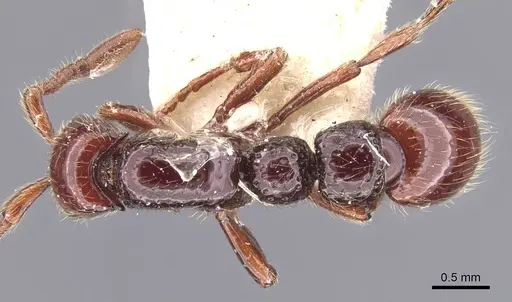
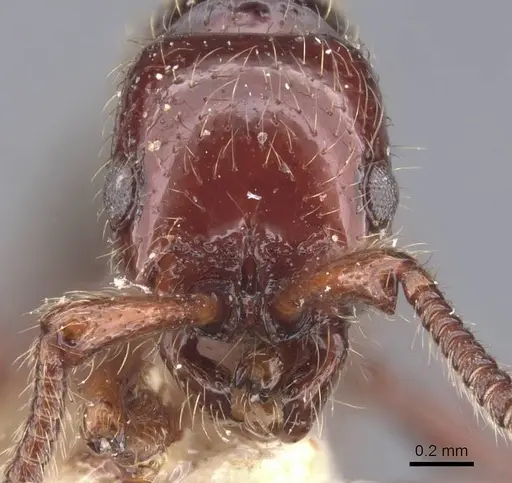
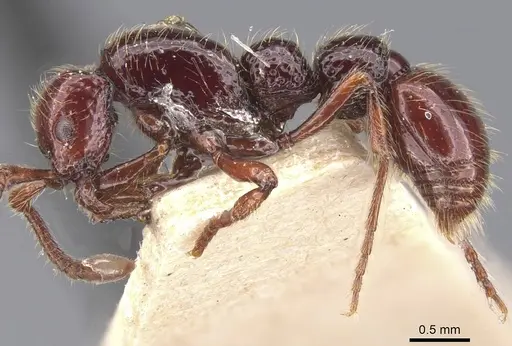
Literature
Loading distribution map...Loading products...