
Paraparatrechina oceanica
- Sci. Name
- Paraparatrechina oceanica
- Tribe
- Lasiini
- Subfamily
- Formicinae
- Author
- Mann, 1921
- Distribution
- Found in 2 countries
Introduction
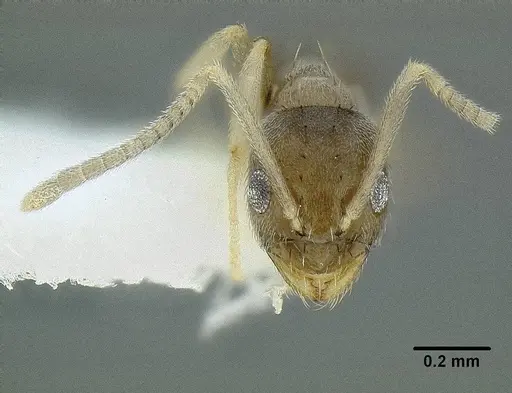
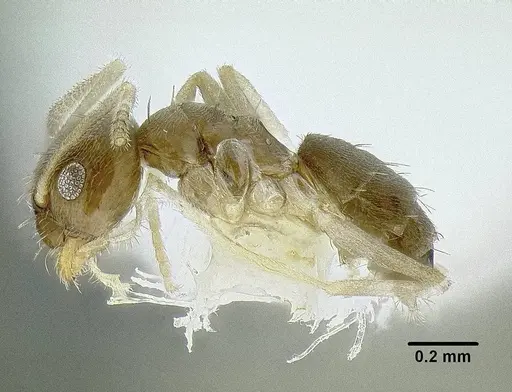
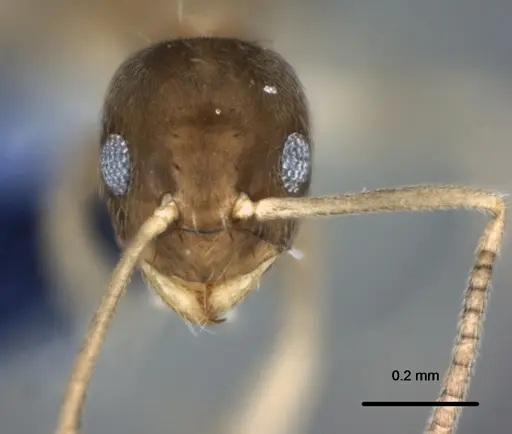
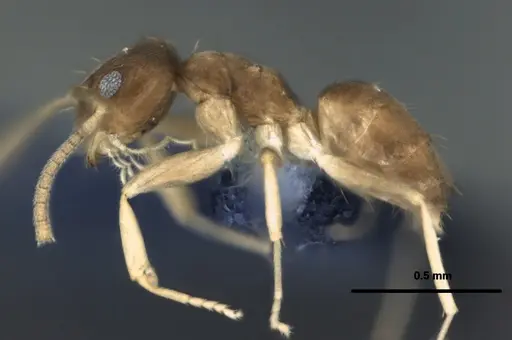
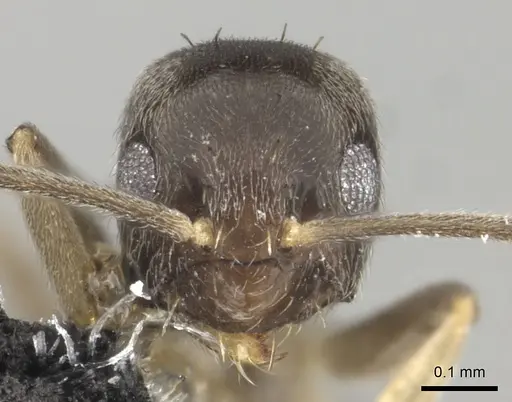
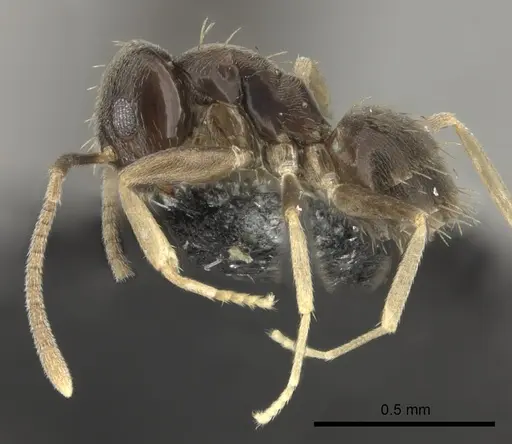
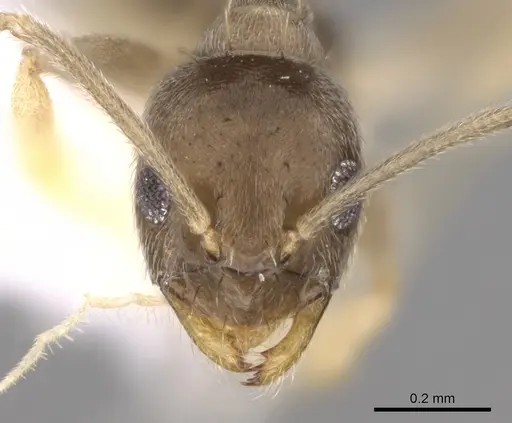
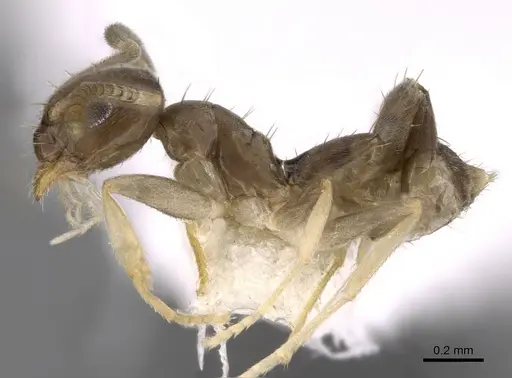
Paraparatrechina oceanica is a tiny ant species native to Fiji, measuring just 1.5-2 mm in total length . Workers have a dark brown to black head, mesosoma, and gaster that contrast with pale brown to pale yellow legs and antennae . This species shows significant variation in size and color across different Fijian islands, with some populations larger and others smaller and paler .
Quick Summary
- Difficulty: Medium
- Origin & Habitat: Paraparatrechina oceanica is endemic to Fiji, found on islands including Viti Levu, Vanua Levu, Taveuni, Beqa, Gau, Kadavu, Koro, Lakeba, Moala, and Ovalau [1]. In the wild, they nest in decaying wood and ant-plants, and forage on the ground, stones, and vegetation [1].
- Colony Type: Colony structure is unconfirmed. Based on typical Prenolepis genus patterns, likely single-queen colonies, but no direct documentation for this species.
- Size & Growth:
- Queen: Size data unavailable, no total length measurements for queens are provided in research.
- Worker: 1.5-2 mm [1]
- Colony: Maximum colony size is unknown
- Growth: Moderate
- Development: Estimated 5-7 weeks at optimal temperatures, based on typical ant development patterns for tropical species. (Development is faster than temperate species due to tropical origin. Nanitics will match the worker size range.)
- Antkeeping:
- Temperature: Keep at 24-28°C, inferred from tropical origin [1]. Use a heating cable to create a gentle gradient.
- Humidity: Keep nest substrate consistently moist but not waterlogged, based on natural habitat in decaying wood [1].
- Diapause: No, as a tropical species from Fiji, they do not require hibernation [1].
- Nesting: Prefer nests that mimic decaying wood, such as Y-tong or plaster nests with small chambers scaled to their size [1].
- Behavior: Workers are docile and forage actively on ground, stones, and vegetation [1]. Escape risk is high due to their tiny size, they can squeeze through small gaps.
- Common Issues: escape prevention is critical due to their tiny size, they can slip through standard barriers., maintaining consistent warmth is essential for brood development, cool temperatures slow metabolism., small colony size means modest food consumption, overfeeding can lead to mold., wild-caught colonies may have parasites causing colony collapse., nesting in decaying wood requires humidity-appropriate housing to prevent drying.
Housing and Nest Setup
You need housing scaled to their tiny 1.5-2 mm size [1]. Use Y-tong nests with small, tight chambers or plaster nests that mimic decaying wood [1]. Include small pieces of cork bark or wood to reflect their natural nesting preference. Ensure excellent escape prevention with Fluon barriers and fine mesh on ventilation openings.
Feeding and Diet
You should offer a varied diet: sugar water or honey as a constant energy source, and small protein like fruit flies or pinhead crickets 2-3 times per week [1]. Remove uneaten prey after 24 hours to prevent mold. Place food near active worker trails.
Temperature and Seasonal Care
You must keep temperatures at 24-28°C year-round, as they are tropical [1]. Use a heating cable on one side of the nest to create a gradient. Do not cool them for hibernation.
Humidity and Water
You should keep the nest substrate moist but not waterlogged, reflecting their natural damp forest habitat [1]. Check moisture levels regularly and rehydrate when the surface dries.
Colony Development and Growth
Colonies start with a queen that raises first workers alone. Development from egg to worker takes about 5-7 weeks at optimal temperatures. Growth is moderate, with nanitics matching the 1.5-2 mm size [1].
Behavior and Temperament
Workers are docile and forage on ground, stones, and vegetation [1]. They are not aggressive but pose a high escape risk due to their small size. You must secure all connections to prevent escapes.
Frequently Asked Questions
How long does it take for Paraparatrechina oceanica to produce first workers?
Expect first workers about 5-7 weeks after queen lays eggs, at 24-28°C, based on typical tropical ant development.
What do Paraparatrechina oceanica ants eat?
They eat sugar water, honey, and small protein like fruit flies [1]. Feed protein 2-3 times per week.
What temperature do Paraparatrechina oceanica ants need?
Keep them at 24-28°C, as they are tropical [1].
Are Paraparatrechina oceanica good for beginners?
They are moderately challenging due to escape risk and need for consistent warmth, but docile and no hibernation required.
How big do Paraparatrechina oceanica colonies get?
Maximum colony size is unknown, as no research provides data [1].
Do Paraparatrechina oceanica need hibernation?
No, they are tropical and do not require hibernation [1].
When should I move Paraparatrechina oceanica to a formicarium?
Wait until the colony is established with active foraging, then use a small nest scaled to their size.
Why are my Paraparatrechina oceanica escaping?
Their tiny size allows them to squeeze through small gaps. Review barriers and use fine mesh [1].
Can I keep multiple Paraparatrechina oceanica queens together?
This is unconfirmed. Based on genus patterns, they likely form single-queen colonies, so combining queens is not recommended.
Report an Issue
The current care sheet is based fully on literature. See inconsistencies, or something that's incorrect? Please , it will be resolved after review from an admin. Contributing to the blogs tab also helps providing information, to make us be able to further improve the caresheets. Thank you for your support!
References

This caresheet is licensed under CC BY-SA 4.0 .
Community Blogs
CASENT0106330
View on AntWeb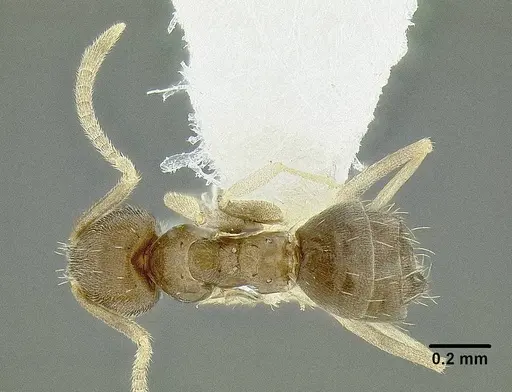
CASENT0181253
View on AntWeb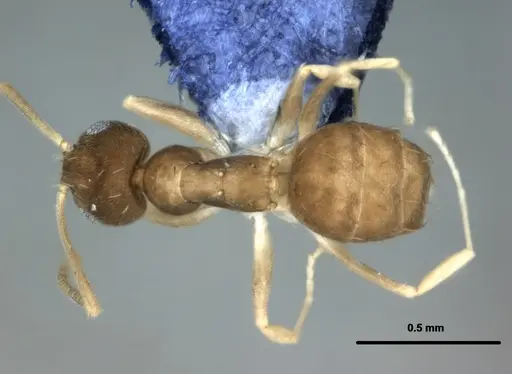
CASENT0181303
View on AntWeb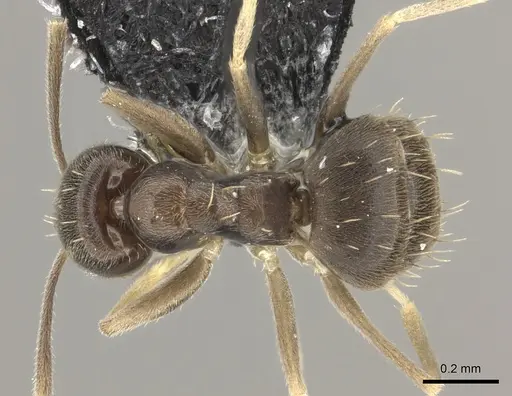
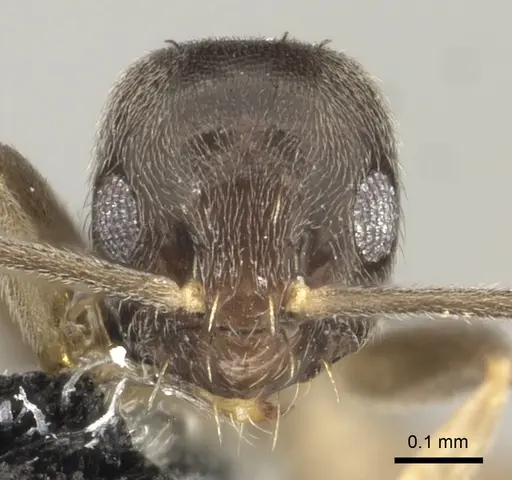
CASENT0281149
View on AntWeb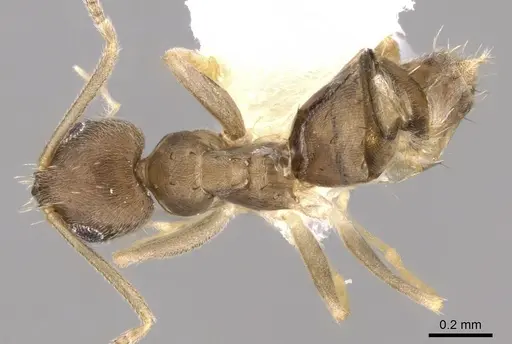
Literature
Loading distribution map...Loading products...