
Paraparatrechina foreli
- Sci. Name
- Paraparatrechina foreli
- Tribe
- Lasiini
- Subfamily
- Formicinae
- Author
- Emery, 1914
- Distribution
- Found in 1 countries
Introduction
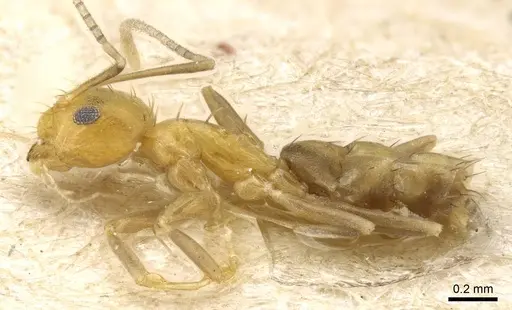
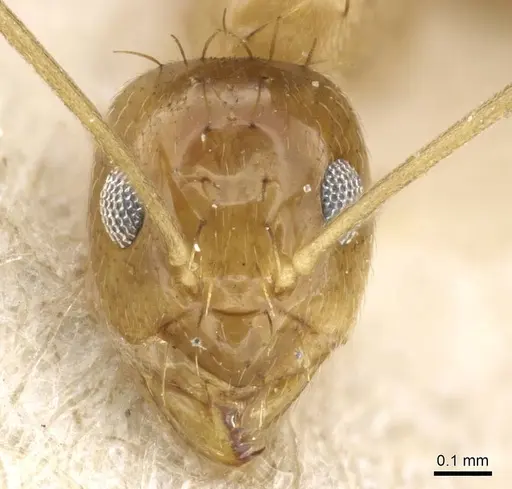
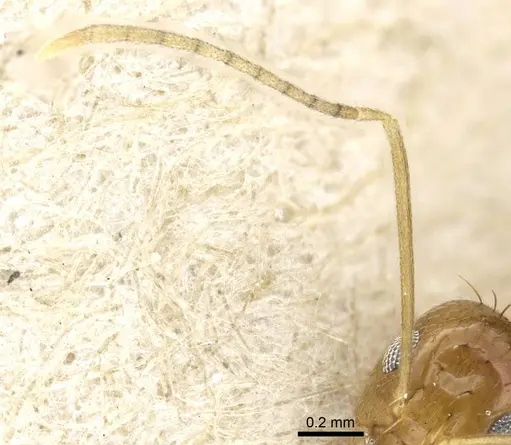
Paraparatrechina foreli is a tiny ant species recorded from New Caledonia . It belongs to the Formicinae subfamily. We know very little about its biology, size, or nesting habits. Most details about this ant remain unconfirmed.
Quick Summary
- Difficulty: Hard
- Origin & Habitat: New Caledonia [1]
- Colony Type: Unconfirmed, likely single-queen based on typical genus patterns
- Size & Growth:
- Queen: size data unavailable
- Worker: size data unavailable
- Colony: Unknown
- Growth: Unknown
- Development: Unknown (No data exists for this species.)
- Antkeeping:
- Temperature: Unknown, keep stable and warm, roughly low-to-mid 20s°C, and observe colony response.
- Humidity: Unknown, provide a humidity gradient with a mostly dry nest chamber and one small moist area.
- Diapause: Unknown, likely no true diapause given the tropical range, but unconfirmed.
- Nesting: Use a small test tube or Y-tong nest with tight chambers. Keep substrate slightly moist but never waterlogged.
- Behavior: Unknown, likely active foragers. Their tiny size means escape prevention is critical. They are not known to be aggressive.
- Common Issues: tiny size makes escape prevention critical, use fine mesh barriers., no species-specific care information exists, keepers must adapt from related species., slow colony growth is common with tiny ants, patience is required., wild-caught colonies may have parasites or diseases not yet documented., humidity control is challenging with their small nest chambers.
Basic Overview
Paraparatrechina foreli is a poorly documented ant species known only from New Caledonia [1]. This makes it one of the less studied ants in the hobby, and there is no scientific literature specifically about its care requirements. What we know comes from its geographic range and what we can infer from related species in the Paraparatrechina genus. These are tiny ants that likely live in small colonies in tropical forest environments. If you have found this species, you are working with very limited information, and success will require careful observation and adaptation from related ant species.
Housing and Nesting
Because of their tiny size, Paraparatrechina foreli requires appropriately scaled housing. A small test tube setup works well for founding colonies. The test tube should have a water reservoir that is appropriately sized, not too large that it floods, but enough to maintain humidity. For established colonies, a Y-tong nest with very small chambers works better than standard formicarium setups designed for larger ants. The nest material should be kept slightly moist but never waterlogged. Given their likely tropical origin, they probably prefer humid conditions but still need some ventilation to prevent mold.
Feeding
Like most Paraparatrechina species, these ants are likely generalist foragers that accept both sugar and protein sources. Offer a small drop of sugar water or honey regularly. For protein, small live prey is ideal, fruit flies, pinhead crickets, or small mealworms cut into tiny pieces. Because of their small size, prey items must be appropriately sized. They likely also collect honeydew from aphids if available. Feed small amounts several times a week, and remove any uneaten food promptly to prevent mold.
Temperature and Humidity
New Caledonia has a tropical climate, so these ants likely prefer warm conditions. Keep the nest area at 24-28°C. A heating cable on one side of the nest can create a gentle temperature gradient. For humidity, aim for 60-80%, this can be achieved by keeping the test tube water reservoir properly sized and misting the outworld occasionally. Unlike temperate species, they likely do not require a winter diapause period. However, avoid temperatures above 30°C as this can stress the colony.
Behavior and Observation
Paraparatrechina ants are known for their erratic, quick movements, some related species are called crazy ants for this reason. Workers likely forage individually rather than in trails. Their tiny size makes them difficult to observe closely without magnification. They are not known to be aggressive and unlikely to sting given their size. However, their small size means they are excellent escape artists, use fluon or similar barriers on any enclosure edges and ensure all ventilation holes are covered with fine mesh.
Frequently Asked Questions
How long does it take for Paraparatrechina foreli to produce first workers?
The exact timeline is unknown, but based on typical Formicinae development in tropical conditions, expect first workers in approximately 4-8 weeks after the queen lays eggs. This is an estimate since no species-specific data exists.
What do Paraparatrechina foreli ants eat?
They likely accept sugar sources like honey or sugar water, and small protein prey like fruit flies or tiny insects. This is inferred from related Paratrechina species, no specific feeding studies exist for this species.
Can I keep Paraparatrechina foreli in a test tube?
Yes, a test tube setup is appropriate for this tiny species. Use a small test tube with an appropriately sized water reservoir. The small chambers help maintain proper humidity for their size.
Do Paraparatrechina foreli ants need hibernation?
Probably not, New Caledonia is tropical with minimal seasonal temperature variation. There is no evidence they require a winter diapause period.
Are Paraparatrechina foreli good for beginners?
This species is not recommended for beginners. There is virtually no species-specific care information available, making it a challenging species even for experienced antkeepers. Start with better-documented species first.
How big do Paraparatrechina foreli colonies get?
Colony size is unconfirmed, but based on related species, they likely reach several dozen to a few hundred workers. They are not among the large colony-forming ants.
Why are my Paraparatrechina foreli dying?
Without species-specific research, causes of colony failure are difficult to diagnose. Common issues with poorly documented species include improper humidity, temperature stress, or underlying parasites. Ensure your setup matches likely tropical conditions and monitor closely.
When should I move Paraparatrechina foreli to a formicarium?
Move to a small formicarium or larger test tube setup once the colony reaches 20-30 workers. Their tiny size means standard formicarium chambers are often too large, consider Y-tong nests with small chambers.
Can I keep multiple Paraparatrechina foreli queens together?
Colony structure is unconfirmed for this species. Without documented polygyny or pleometrosis behavior, combining unrelated queens is not recommended and could result in fighting.
Report an Issue
The current care sheet is based fully on literature. See inconsistencies, or something that's incorrect? Please , it will be resolved after review from an admin. Contributing to the blogs tab also helps providing information, to make us be able to further improve the caresheets. Thank you for your support!
References

This caresheet is licensed under CC BY-SA 4.0 .
Community Blogs
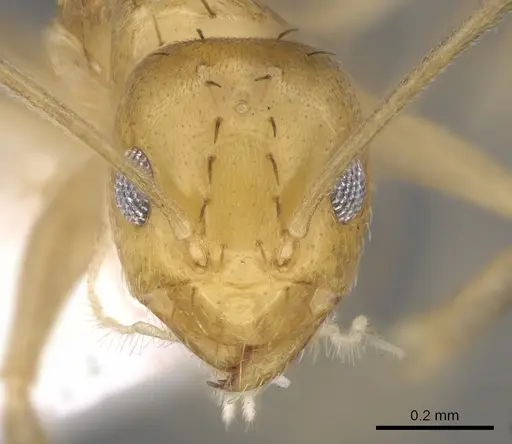
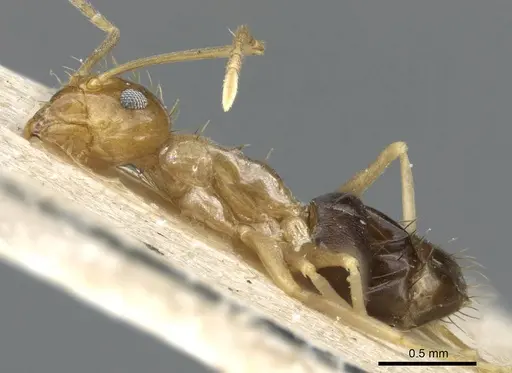
CASENT0281125
View on AntWeb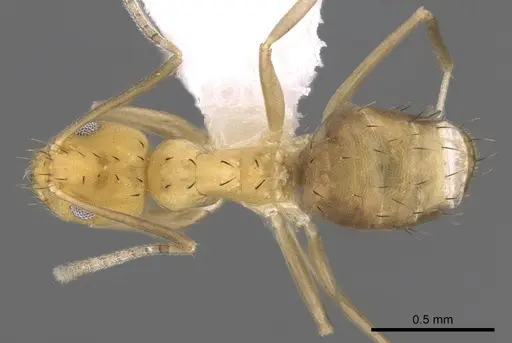
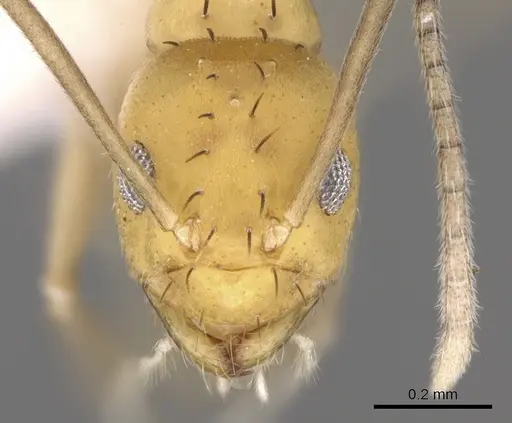
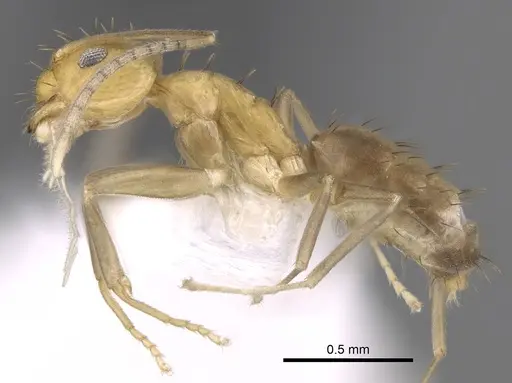
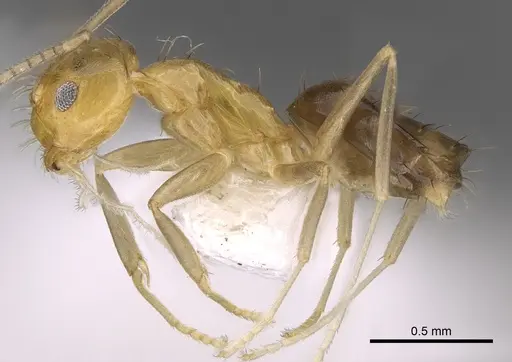
CASENT0281128
View on AntWeb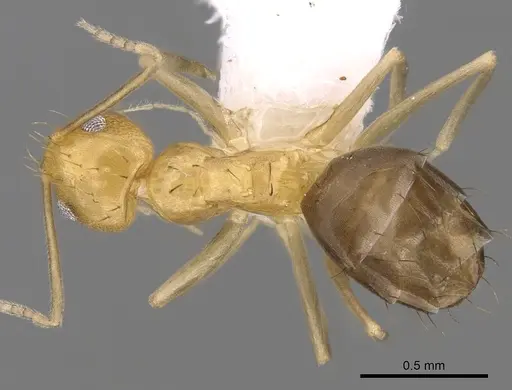
CASENT0905668
View on AntWeb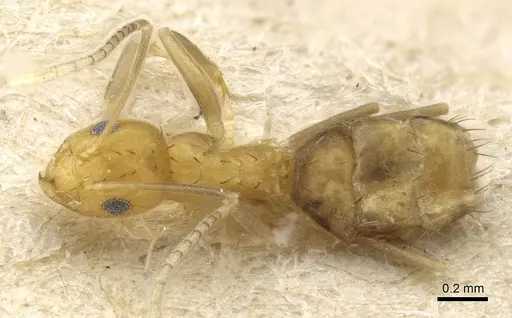
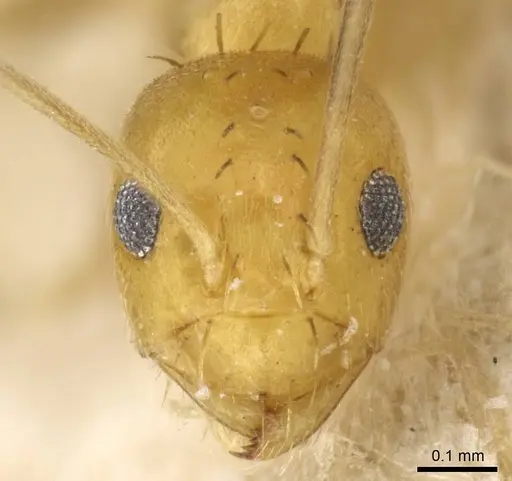
CASENT0905669
View on AntWeb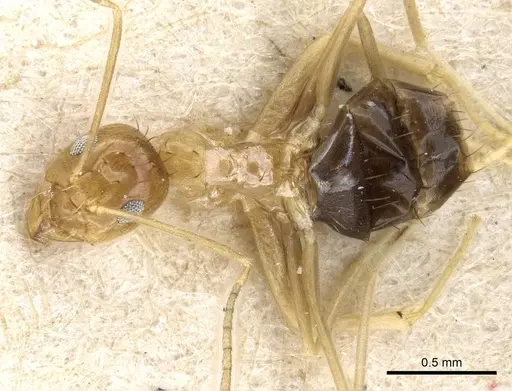
Literature
Loading distribution map...Loading products...