
Paraparatrechina bufona
- Sci. Name
- Paraparatrechina bufona
- Tribe
- Lasiini
- Subfamily
- Formicinae
- Author
- Wheeler, 1922
- Distribution
- Found in 2 countries
Introduction
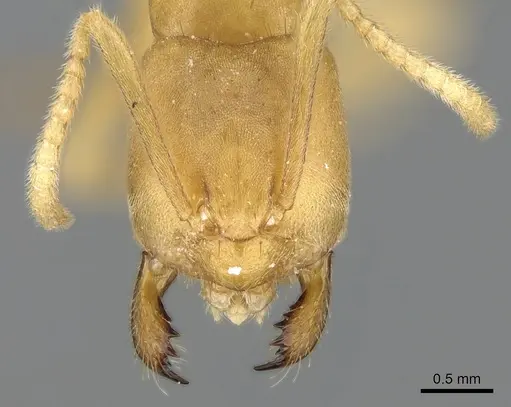
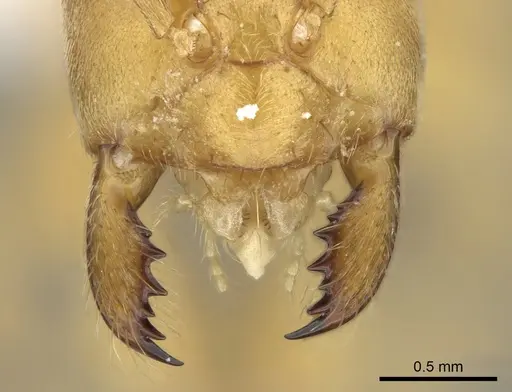
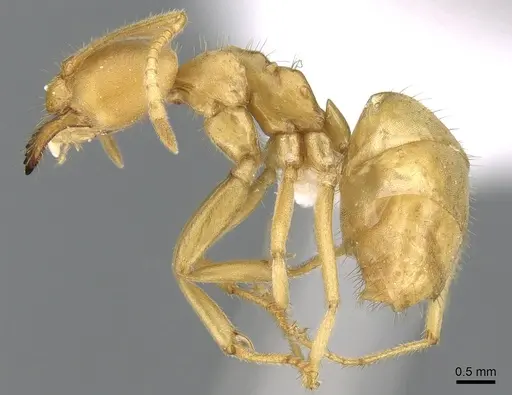
Paraparatrechina bufona is a small ant species from the Afrotropical region, found in Cameroon, Democratic Republic of Congo, and Gabon . Workers have numerous erect hairs on the head, scape, mesosoma, and legs . This species is one of only two known polymorphic Paraparatrechina species, meaning it has both major and minor workers . It is adapted to a hypogaeic (underground) lifestyle, rarely coming to the surface . The queen has never been formally described, as specimens originally identified as queens were later determined to be P. weissi .
Quick Summary
- Difficulty: Expert
- Origin & Habitat: Central Africa, Cameroon, Democratic Republic of Congo, and Gabon. Hypogaeic habitats. Type locality Medje in the DRC [1][5].
- Colony Type: Unknown, the queen has never been formally described [3].
- Size & Growth:
- Queen: Unknown, queen not described [3]
- Worker: Size data unavailable, no body size measurements in literature
- Colony: Unknown, no data on colony size
- Growth: Unknown
- Development: 6-10 weeks [6], estimated based on typical Formicinae development for small tropical ants. (Development may vary with temperature, no species-specific data exists.)
- Antkeeping:
- Temperature: Keep warm, around 24-28°C, based on tropical habitat [1][2].
- Humidity: Keep substrate consistently moist but not waterlogged, as hypogaeic species prefer humid conditions [3][4].
- Diapause: Unknown, no research on seasonal behavior [3].
- Nesting: Use naturalistic setup with deep soil or Y-tong nest with small chambers, based on hypogaeic lifestyle [3][4].
- Behavior: Workers are photophobic and secretive, rarely emerging from underground [3][4]. They are not aggressive and likely flee from threats. Escape risk is moderate due to small size, but subterranean habits reduce wandering.
- Common Issues: queen unknown makes colony founding nearly impossible., diet unstudied, starvation risk if foods are not accepted., hypogaeic nature requires specific humidity and darkness, incorrect conditions may cause stress or death., no data on temperature preferences, incorrect temperatures may inhibit development., small size increases escape risk, colonies may be lost if not properly contained.
Why This Species Is So Challenging
Paraparatrechina bufona is one of the most poorly documented ant species in the world. The natural history remains almost completely unknown, we don't know what they eat, how fast they grow, how big colonies get, or even what the queen looks like [3]. The original type specimens described as queens in 1922 were later discovered to be a different species entirely (P. weissi) [3]. This means there are essentially no established care protocols for keeping this ant. You will be pioneering everything. This species is recommended only for very experienced antkeepers who enjoy the challenge of working with completely undocumented species and who can afford to experiment with different conditions. Expect high failure rates and be prepared to learn entirely through trial and error.
Natural History and Biology
What we know about P. bufona comes from a handful of museum specimens and a few historical observations. The species was first described by Wheeler in 1922 from specimens collected in Medje, Democratic Republic of Congo [5]. It belongs to the weissi species group, which is characterized by having both major and minor workers, making it one of only two known polymorphic Paraparatrechina species [3][4]. The morphology strongly suggests a hypogaeic lifestyle: these ants are adapted to live underground, rarely coming to the surface [3][4]. This is supported by observations of workers and males being found in the stomachs of toads (Bufo superciliaris and Bufo polycercus), the ants were likely near nest entrances when the toads caught them [7].
Housing and Nest Setup
Given their hypogaeic nature [3][4], these ants need a setup that mimics underground conditions. A naturalistic setup with deep, moist substrate works best, think of a terrarium-style setup with several inches of soil-like material they can tunnel through. Alternatively, a Y-tong nest with tight chambers and a moisture reservoir can work, but ensure the chambers are humid. The key is providing darkness and moisture, these ants avoid light and need damp conditions. Use a dark cover over observation windows if using a formicarium. Because they rarely come to the surface, you may not see much activity. Consider connecting a foraging area but don't expect to see constant traffic. Escape prevention should be moderate, while small, their subterranean habits mean they're not aggressive escape artists like some other tiny ants.
Feeding and Diet
The diet of P. bufona has not been studied [3]. Based on hypogaeic lifestyle [3][4], they may accept standard ant foods, but experimentation is needed. Start with sugar water or honey, and small protein sources like fruit flies or pinhead crickets. Prey items must be very small due to their tiny size. Monitor acceptance carefully and be prepared to try micro-prey like springtails if standard foods are ignored.
Temperature and Seasonal Care
No research exists on the temperature or seasonal requirements of this species. As a tropical African species [1][2], they likely prefer warm conditions around 24-28°C. A heating cable on one side of the nest can provide a gradient. Regarding diapause: being from a tropical region, they may not require a cool period, but this is uncertain [3]. Maintain stable warm conditions year-round and observe colony behavior for signs of stress or dormancy.
Frequently Asked Questions
Can I keep Paraparatrechina bufona as a beginner?
No. This species is not recommended for beginners. The natural history is essentially unknown, we don't know what they eat, how fast they grow, what size colonies reach, or even what the queen looks like [3]. There are no established care protocols. You will be experimenting entirely from scratch. Only experienced antkeepers who enjoy working with poorly documented species should attempt this.
What do Paraparatrechina bufona eat?
The diet has not been studied [3]. Based on hypogaeic lifestyle [3][4], they may accept sugar sources and small protein, but experimentation is needed. Start with sugar water/honey and tiny prey like fruit flies or springtails.
How long does it take for Paraparatrechina bufona to develop from egg to worker?
Estimated 6-10 weeks based on typical Formicinae development for small tropical ants [6]. No species-specific data exists.
Can I keep multiple queens together?
Unknown. The colony structure has never been studied, we don't even know what the queen looks like [3]. There is no data on whether they are single-queen or multi-queen colonies.
What is the colony size of Paraparatrechina bufona?
Unknown, no colony size data exists [3]. Even the maximum colony size in the wild has never been documented.
Do Paraparatrechina bufona need hibernation?
Unknown. As a tropical African species, they likely do not require true hibernation, but no research exists on their seasonal behavior [3].
Why can't I find this species in ant shops?
This species is virtually unknown in the antkeeping hobby. The queen has never been formally described, making colony founding nearly impossible [3]. Wild colonies are rarely encountered due to their hypogaeic lifestyle.
What makes Paraparatrechina bufona special?
They are one of only two known polymorphic Paraparatrechina species (having both major and minor workers) [4]. Their entire natural history is unknown, keeping them would be pioneering work.
Are Paraparatrechina bufona aggressive?
Unknown, their behavior has never been observed in captivity or studied in the wild [3]. Based on their hypogaeic lifestyle, they are likely non-aggressive and will avoid confrontation.
Report an Issue
The current care sheet is based fully on literature. See inconsistencies, or something that's incorrect? Please , it will be resolved after review from an admin. Contributing to the blogs tab also helps providing information, to make us be able to further improve the caresheets. Thank you for your support!
References

This caresheet is licensed under CC BY-SA 4.0 .
Community Blogs
CASENT0906212
View on AntWeb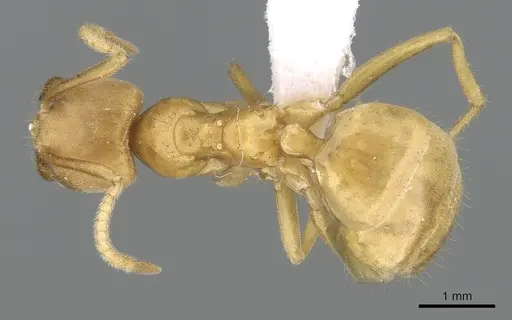
Literature
Loading distribution map...Loading products...