
Pachycondyla striata
- Sci. Name
- Pachycondyla striata
- Tribe
- Ponerini
- Subfamily
- Ponerinae
- Author
- Smith, 1858
- Distribution
- Found in 6 countries
Introduction
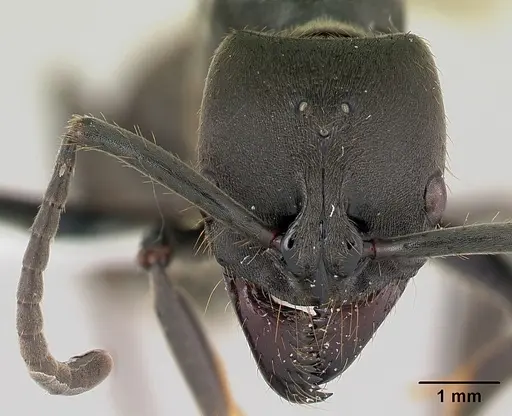
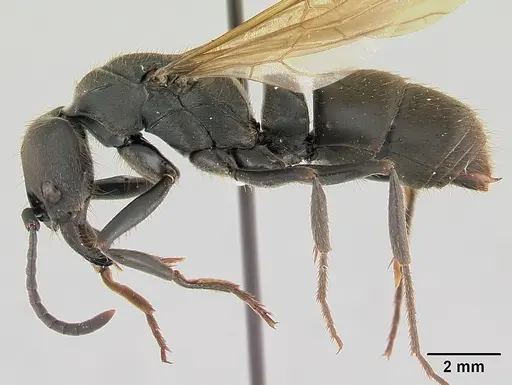
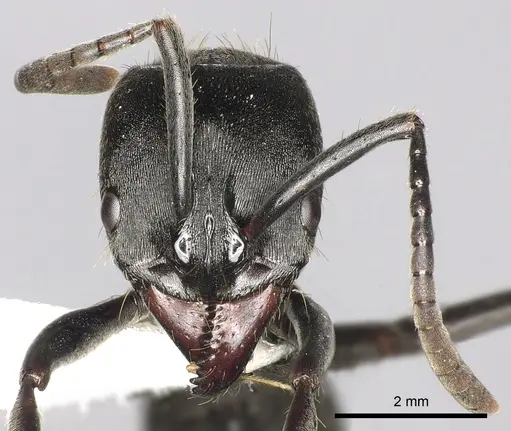
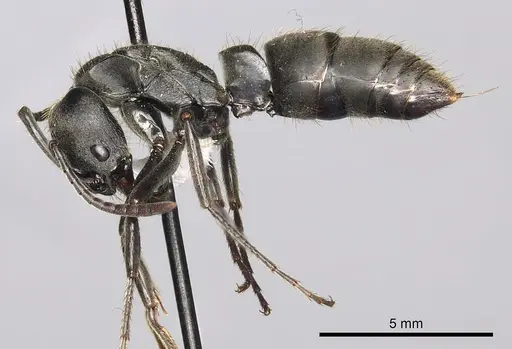
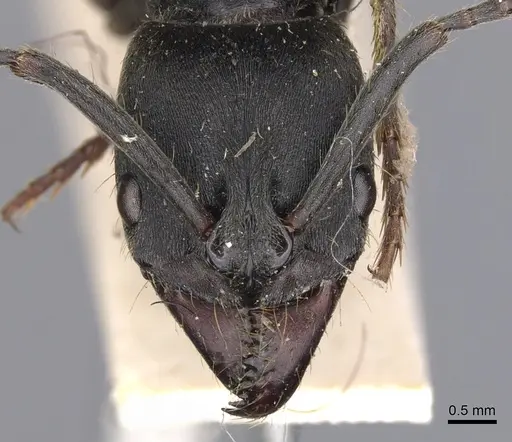
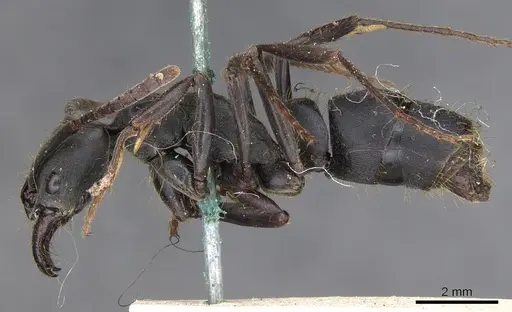
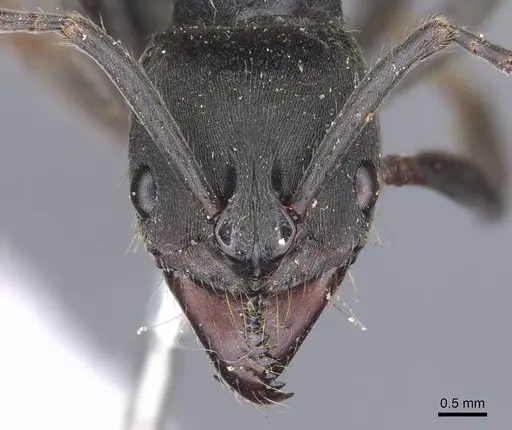
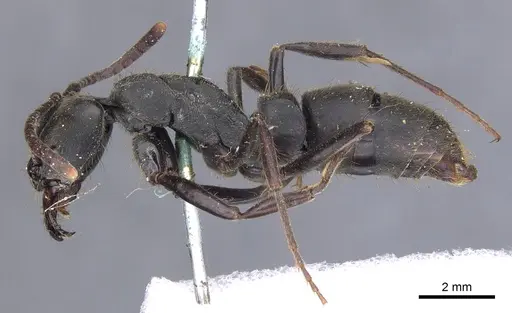
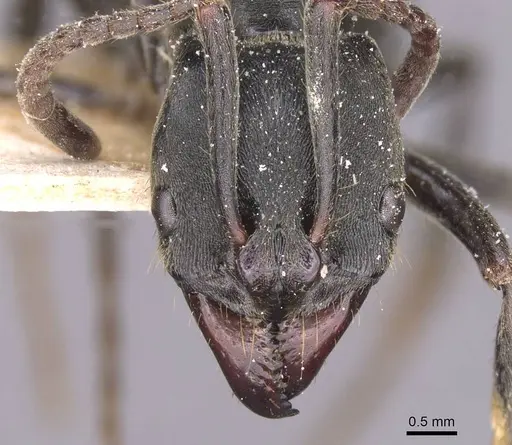
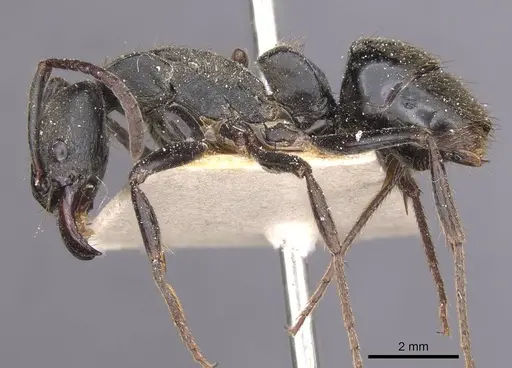
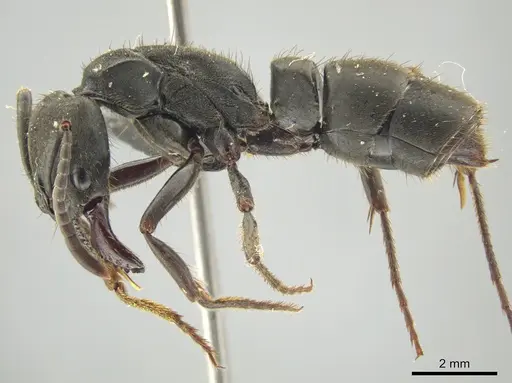
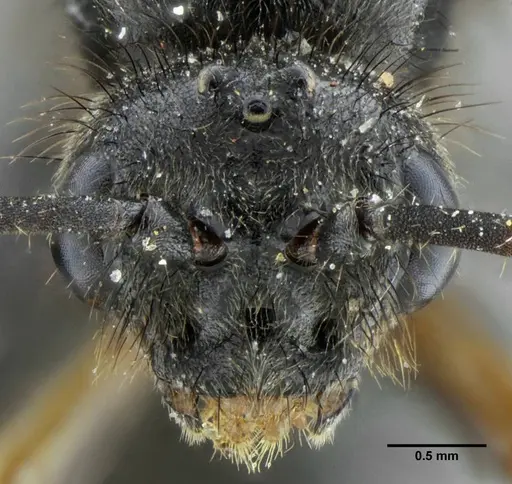
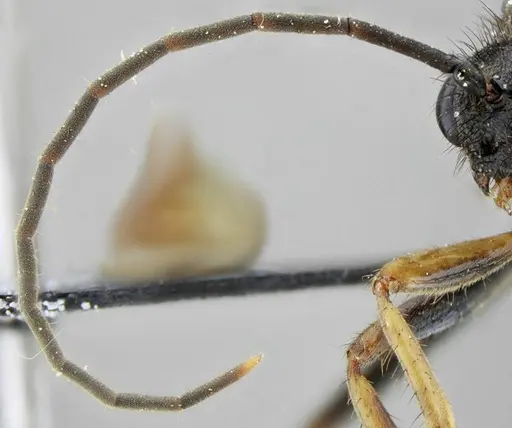
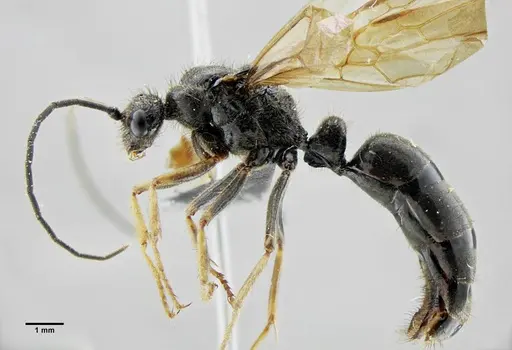
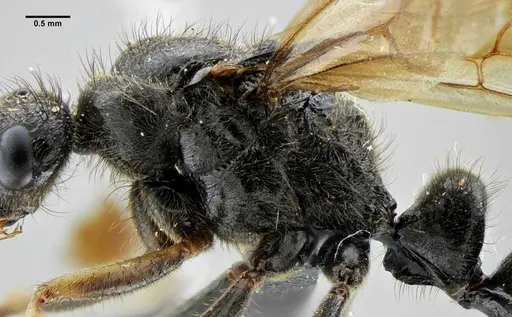
Pachycondyla striata is a large, bulky black ant native to southern South America, ranging from Brazil through Paraguay and Uruguay into northern Argentina . Workers measure approximately 13-17 mm in total length, making them one of the larger ponerine ants you will encounter . The species gets its name from fine striations (grooves) on the dorsal surfaces of the head and mesosoma . These ants are ground-dwelling predators commonly found in Atlantic forests, cerrado savanna, and grasslands, typically nesting in shallow soil or under logs . What makes P. striata notable is its flexible social structure, colonies can have a single queen or multiple queens, and its use of tandem running to recruit nestmates to food sources .
Quick Summary
- Difficulty: Medium
- Origin & Habitat: Southern South America (Brazil, Bolivia, Paraguay, Uruguay, northern Argentina), from sea level to 1300 m elevation in humid forests, savannas, and grasslands [2][1].
- Colony Type: Facultatively polygynous, colonies can be monogyne (single queen) or polygyne (multiple queens) [5].
- Size & Growth:
- Antkeeping:
- Temperature: Keep at 24-28°C for optimal activity and development [6].
- Humidity: Keep nest substrate consistently moist but not waterlogged, as they naturally nest in shaded, humid areas near trees [7].
- Diapause: No, this is a tropical species, but activity decreases during cooler, drier months [8].
- Nesting: Provide shallow subterranean nests with multiple entrances using Y-tong, plaster, or soil nests with horizontally arranged chambers [7].
- Behavior: Pachycondyla striata is diurnal and aggressive, with a potent sting. Workers forage individually on the ground, primarily scavenging dead arthropods (over 80% of diet), and use tandem running to recruit help for large prey [8][6]. They show low aggression toward nearby colonies, suggesting polydomous structure [5].
- Common Issues: sting risk, their potent venom causes painful stings, handle with caution., large colony size requires spacious setups, shallow nests may need expansion as colonies grow., activity drops in cool/dry conditions, this is natural, not a sign of illness., founding colonies are slow, queens may take 3+ months to produce first workers., polygynous colonies have fewer workers than monogynous ones, expect slower growth with multiple queens.
Housing and Nest Setup
You need ground-level housing that matches their natural shallow nests. In the wild, they build simple nests with 2-12 chambers 20-60 cm below the surface, with tunnels parallel to the ground and multiple entrance orifices [7]. For captivity, use a Y-tong, plaster, or soil nest with horizontally arranged chambers. Keep the substrate moist and provide a water reservoir. Include a generous outworld for foraging. Avoid deep vertical setups or dry conditions.
Feeding and Diet
You should feed them a varied diet of protein and carbohydrates. They are generalist predators that scavenge dead arthropods (over 80% of diet) and hunt termites and other insects [8][9]. Offer mealworms, crickets, and sugar water or honey. Feed every 2-3 days, removing uneaten prey within 24 hours. They use tandem running for large prey items [6].
Temperature and Seasonal Care
You should keep temperatures at 24-28°C for optimal activity [6]. In the wild, activity peaks in hot/rainy seasons and drops in cool/dry months [8]. This is natural, do not mistake it for illness. Avoid temperatures below 20°C. Use a heating cable to create a gradient if needed.
Defense and Venom
You must handle this species with caution due to its potent sting. Workers release a foamy venom substance when threatened [5]. The venom contains multiple proteins that cause pain and inflammation [10]. They are aggressive competitors and will defend nests vigorously.
Colony Structure and Behavior
You may find colonies with one queen or multiple queens [5]. Polygynous colonies often have fewer workers and may be in earlier stages [11]. Workers show age-based division of labor: young workers care for brood, while older workers forage and defend [12]. They communicate via tandem running for food recruitment [6].
Growth and Development
Colony growth is moderate. First workers appear about 3 months after queen establishment [3]. Nests are simple with horizontal chambers [7]. Workers live an average of 74 days [12]. Provide expanded housing as colonies grow to 100-200 workers.
Frequently Asked Questions
How long does it take for Pachycondyla striata to produce first workers?
Expect first workers within 3 months after a mated queen establishes, based on artificial rearing studies [3]. Warmer temperatures speed up development.
What do Pachycondyla striata eat?
They scavenge dead arthropods (mostly termites and ants) and hunt live insects [8][9]. Feed them insects and sugar water.
Can I keep multiple queens together?
Yes, this species is facultatively polygynous [5]. Monitor for aggression when combining unrelated queens.
How big do colonies get?
Wild colonies reach up to 384 workers [7]. Captive colonies of 100-200 workers are successful.
Do they need hibernation?
No, but activity decreases in cooler months [8]. Keep them warm year-round.
Are they good for beginners?
They are medium difficulty due to their sting and specific needs, better for keepers with some experience.
What nest type works best?
Shallow subterranean nests with multiple entrances, using Y-tong, plaster, or soil [7].
Report an Issue
The current care sheet is based fully on literature. See inconsistencies, or something that's incorrect? Please , it will be resolved after review from an admin. Contributing to the blogs tab also helps providing information, to make us be able to further improve the caresheets. Thank you for your support!
References

This caresheet is licensed under CC BY-SA 4.0 .
Community Blogs
CASENT0178185
View on AntWeb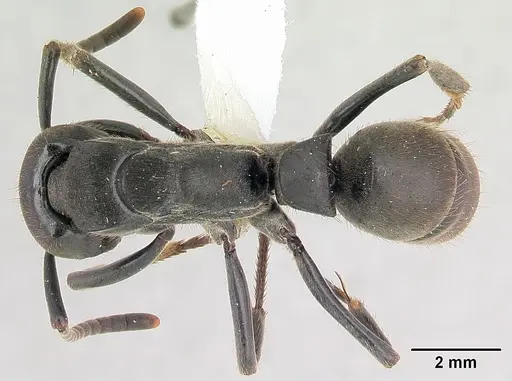
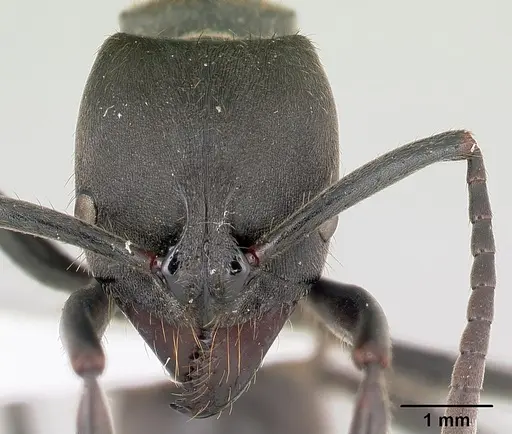
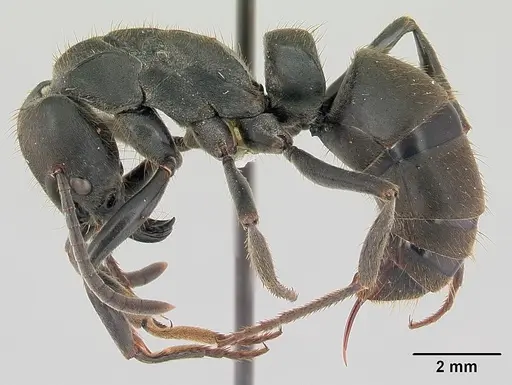
CASENT0178186
View on AntWeb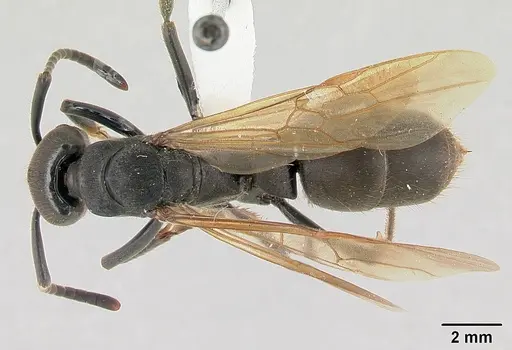
CASENT0249158
View on AntWeb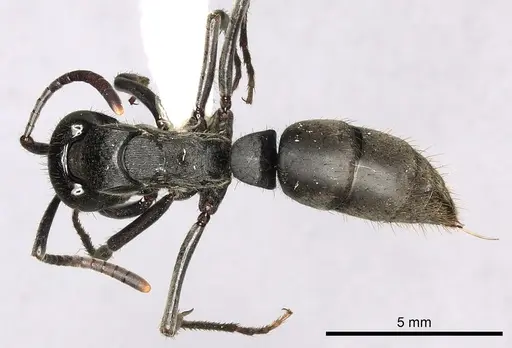
CASENT0901359
View on AntWeb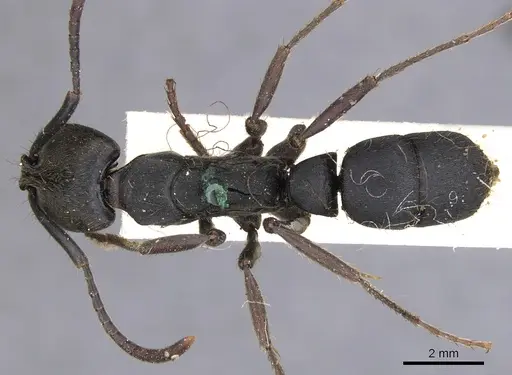
CASENT0902514
View on AntWeb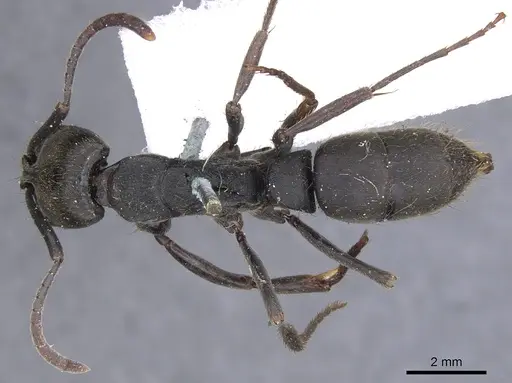
CASENT0915275
View on AntWeb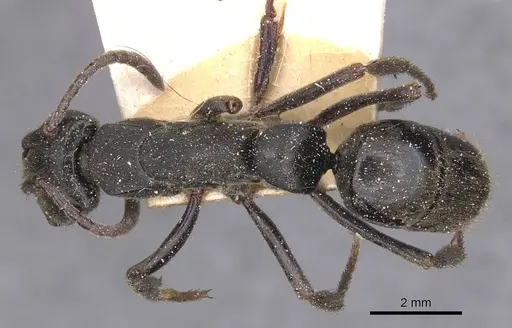
CASENT0923096
View on AntWeb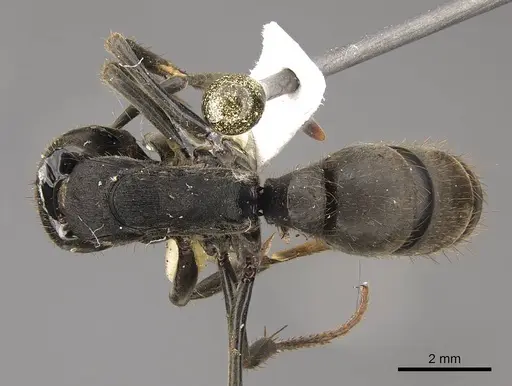
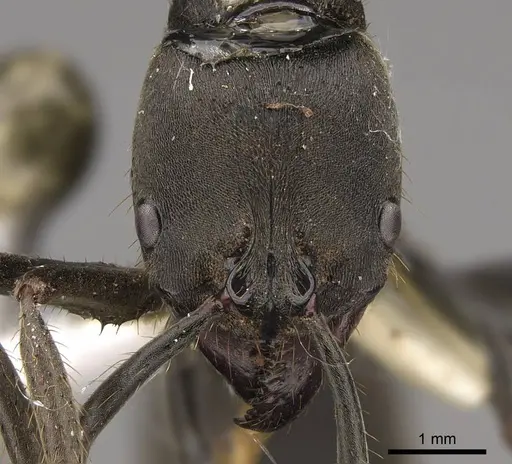
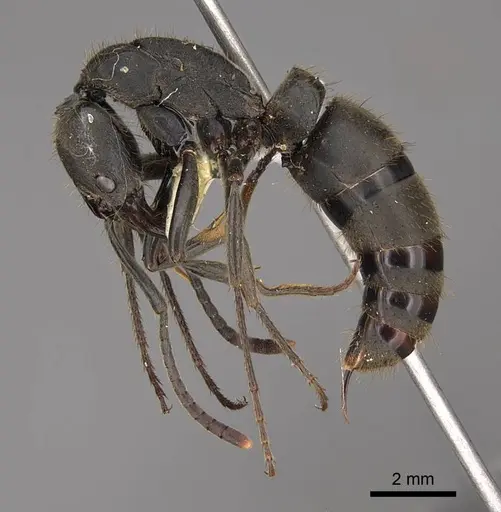
UFV-LABECOL-000291
View on AntWeb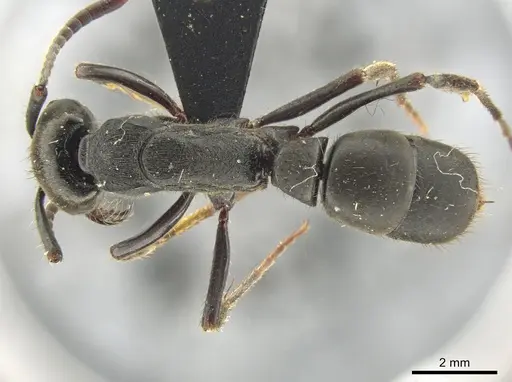
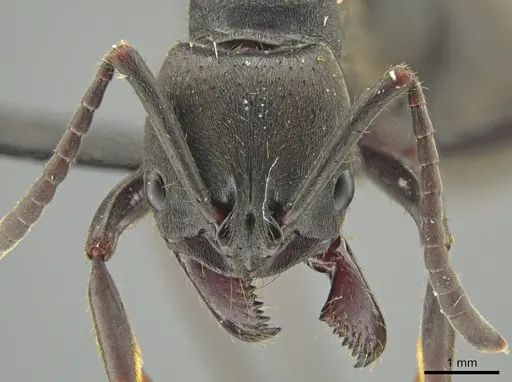
UFV-LABECOL-001933
View on AntWeb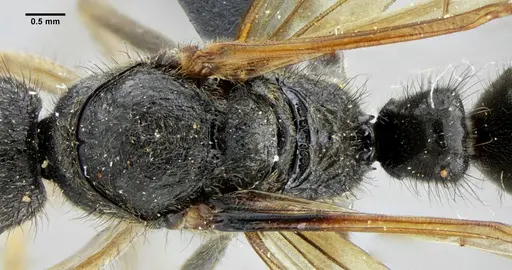
Literature
Loading distribution map...Loading products...