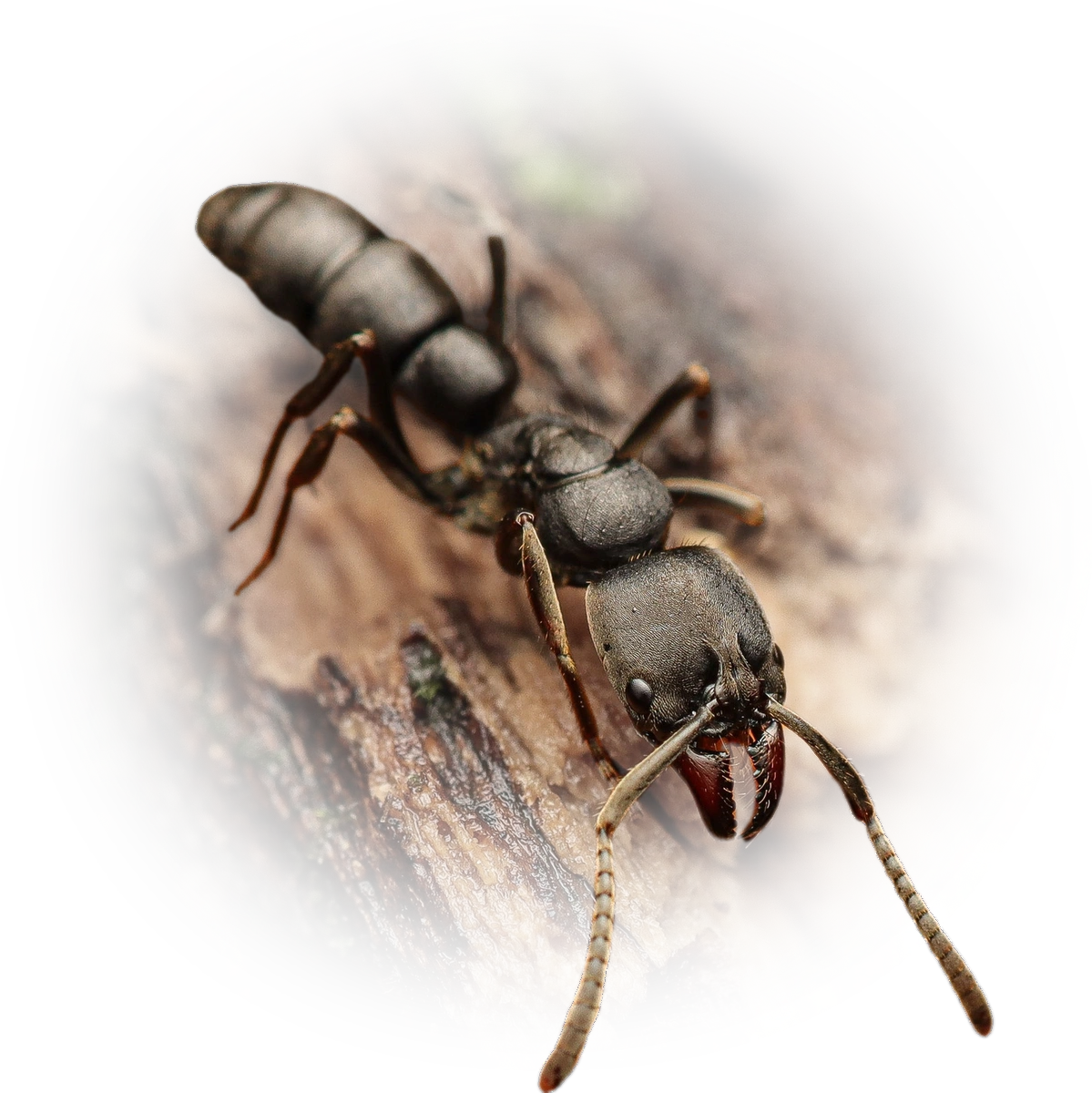
Pachycondyla impressa
- Sci. Name
- Pachycondyla impressa
- Tribe
- Ponerini
- Subfamily
- Ponerinae
- Author
- Roger, 1861
- Distribution
- Found in 10 countries
Introduction
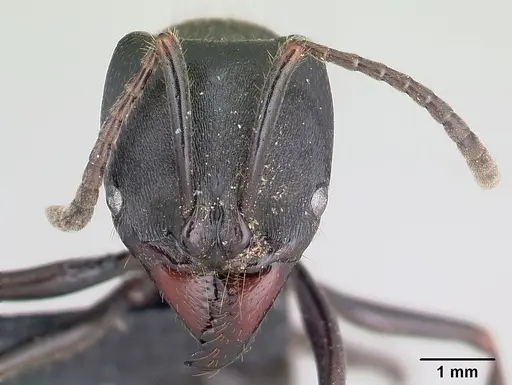
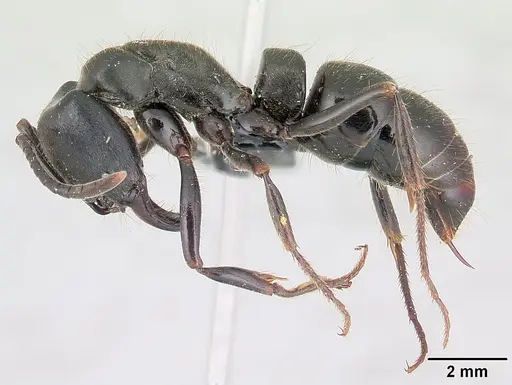
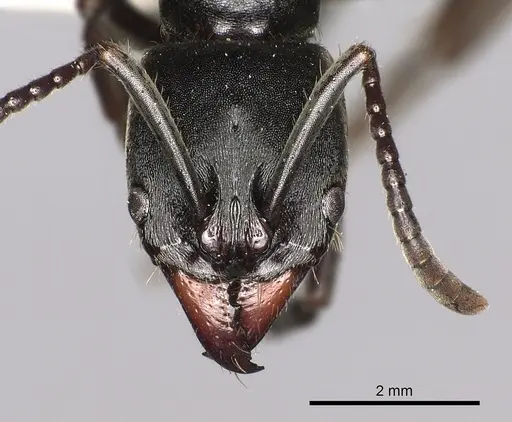
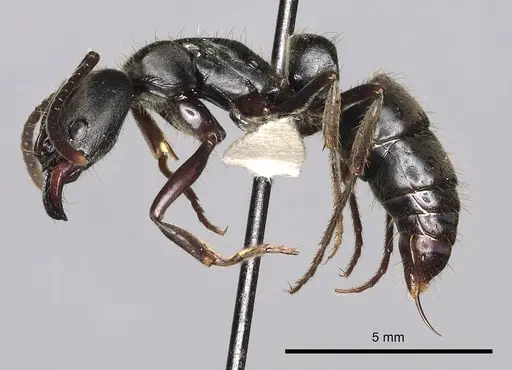
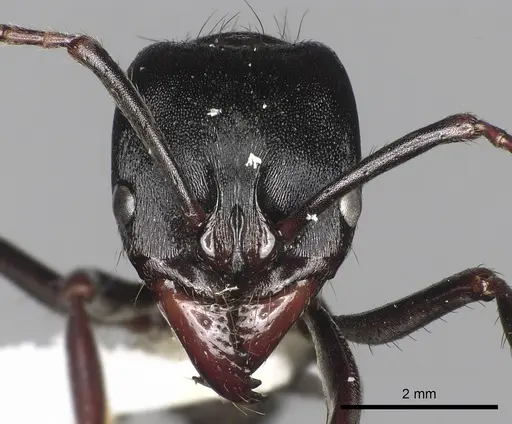
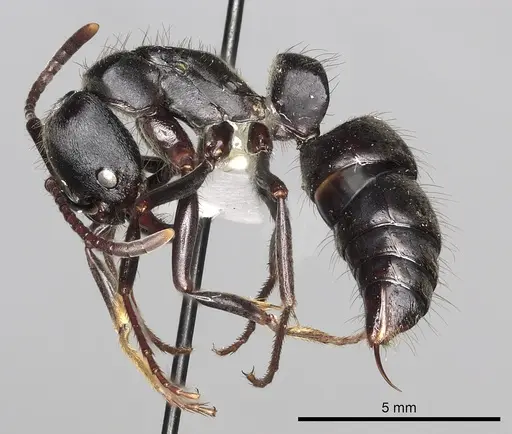
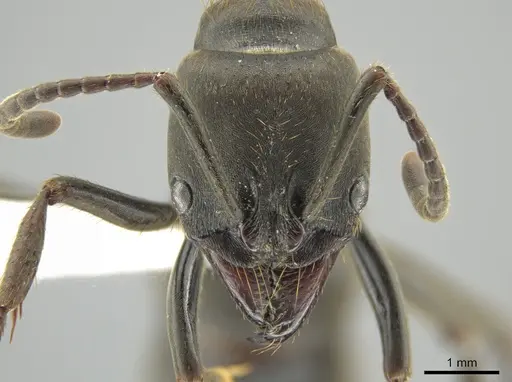
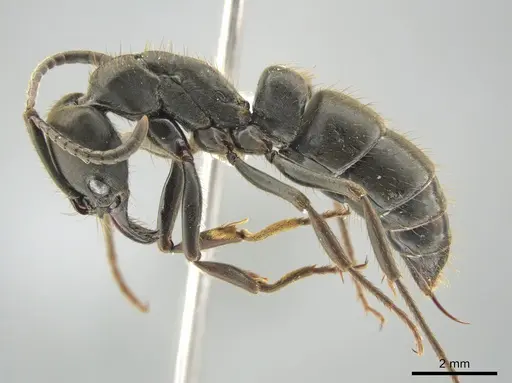
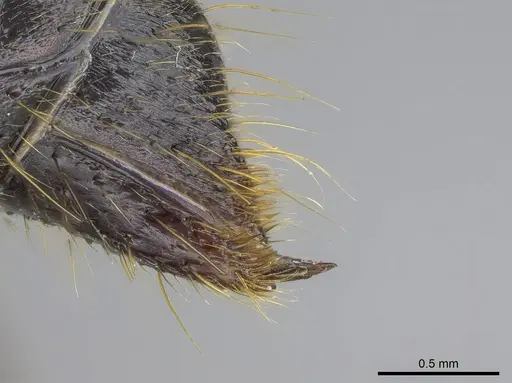
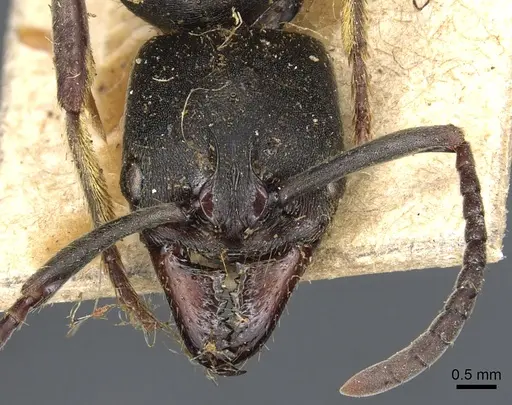
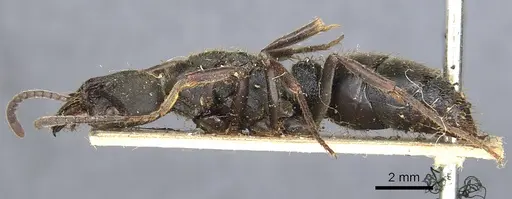
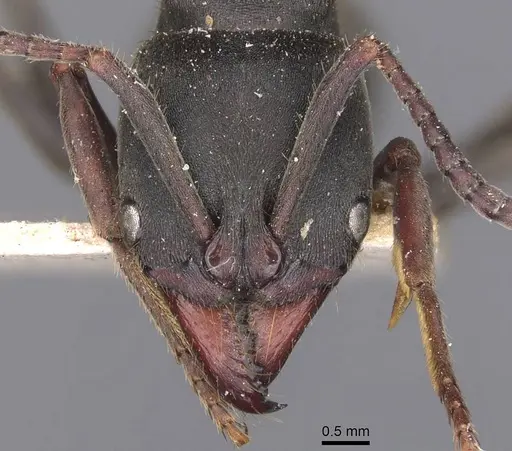
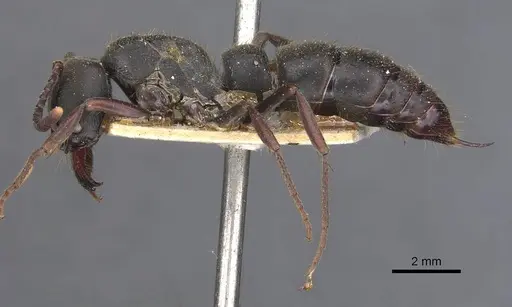
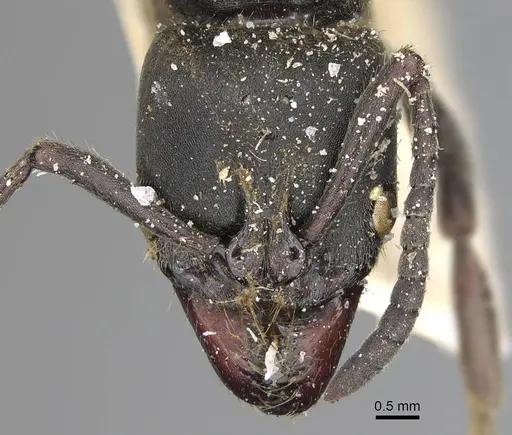
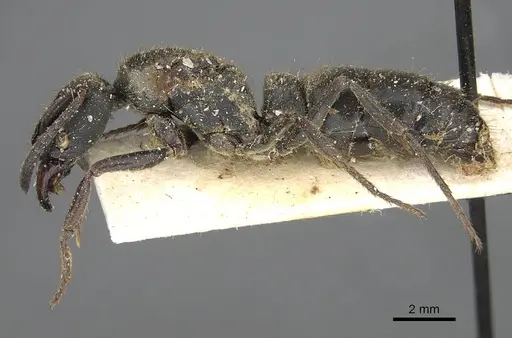
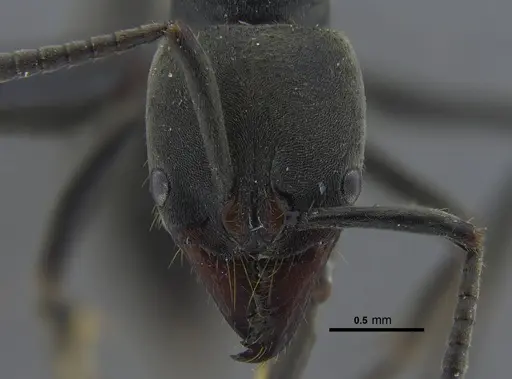
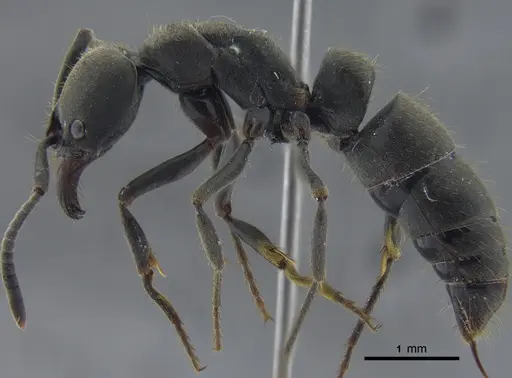
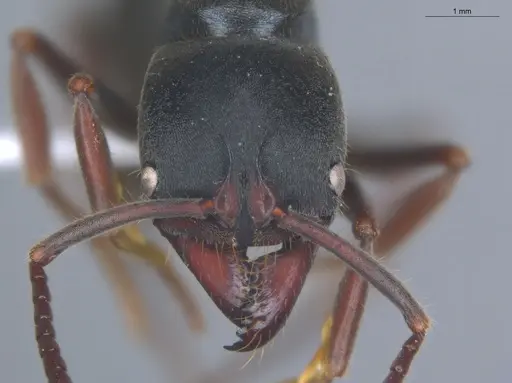
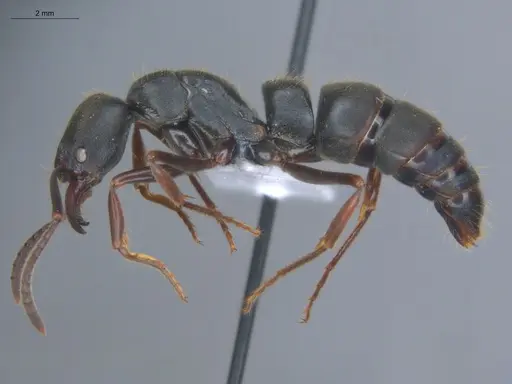
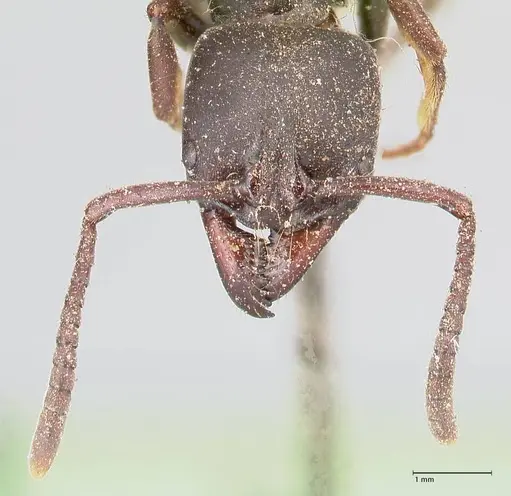
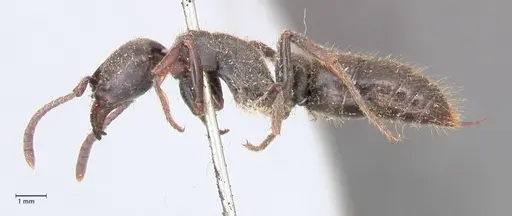
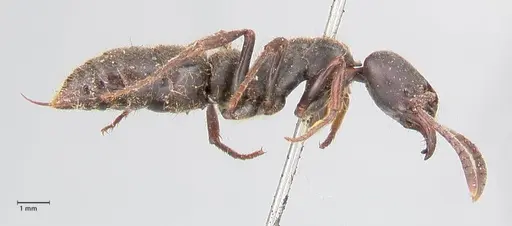
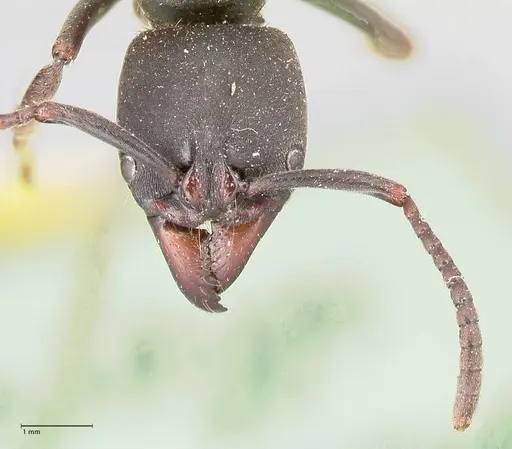
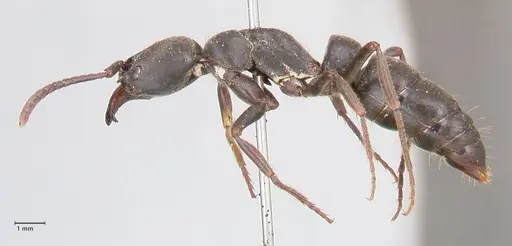
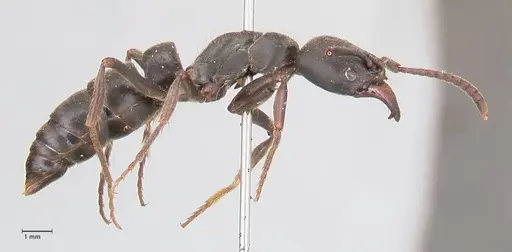
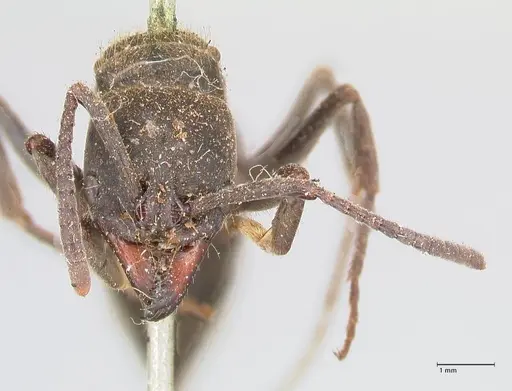
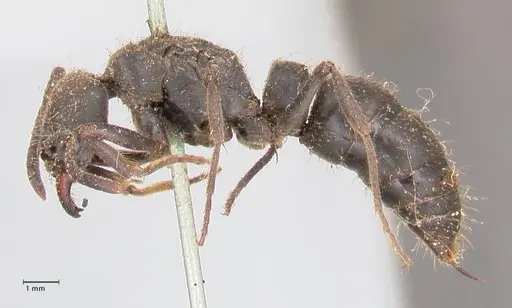
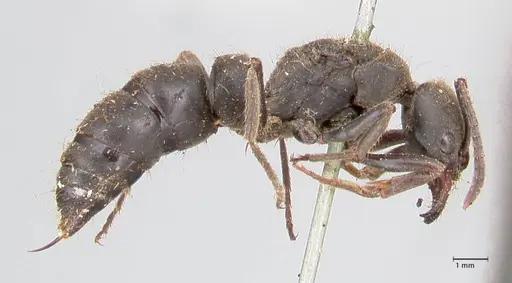
Pachycondyla impressa is a large predatory ant native to Central and South America, ranging from Mexico to southern Brazil . Workers are about 11.5 mm in total length , with a black body and reddish-brown appendages. The species name comes from Latin 'impressio' meaning 'pressing into, ' referring to its depressed pygidium . They have dull, punctate surfaces and rounded pronotal shoulders. Queens are larger at approximately 16 mm with fully developed ocelli. This is a generalist predator that hunts alone through leaf litter, using its stinger to subdue prey . Colonies are small, typically under 500 workers .
Quick Summary
- Difficulty: Medium
- Origin & Habitat: Native to the Neotropical region from Mexico to southern Brazil, inhabiting elevations from 10 to 2350 meters in forests, plantations, and other habitats [1][2][4].
- Colony Type: Colony structure is not well documented. Nests are found in rotting logs and under stones with few individuals [7]. Based on Ponerinae patterns, likely monogyne, but this is not confirmed.
- Size & Growth:
- Antkeeping:
- Temperature: Keep at 24-28°C. This species comes from warm tropical environments [4].
- Humidity: Keep nest substrate consistently moist but not waterlogged, as they inhabit forest floors [7][4].
- Diapause: No diapause required, this is a tropical species [1].
- Nesting: In nature, they nest in rotting logs, under stones, and in leaf litter [7][8]. In captivity, use moist substrate nests with dark, enclosed spaces.
- Behavior: Workers are alert and fast, foraging alone or in small groups through leaf litter [5][4]. They possess a functional stinger but are not aggressive toward humans.
- Common Issues: fungal parasitism by Ophiocordyceps species can be fatal in stagnant conditions [9][5]., small colony size means slow growth, be patient., escape risk due to fast movement, ensure secure barriers., parasitoid flies like Apocephalus can attack foragers [4]., overheating risk, avoid direct heat sources drying the nest.
Housing and Nest Setup
You should provide a humid, dark nesting environment for Pachycondyla impressa. In the wild, they nest in rotting logs, under stones, and in leaf litter [7][8]. For captivity, use a dirt-based formicarium or plaster nest with moist substrate. Add pieces of rotting wood or cork bark for nesting. Keep the nest chamber dark and enclosed, with a separate outworld connected via tubes. Ensure escape prevention with fluon on barriers, as workers are fast [4].
Feeding and Diet
You should feed them a varied protein diet of small crickets, mealworms, fruit flies, or other appropriately-sized live prey [6]. They are attracted to peanut butter baits in the wild [4], so occasional carbohydrate sources can be offered, but protein is primary. Feed 2-3 times per week and remove uneaten prey after 24-48 hours.
Temperature and Humidity
You should keep the nest area at 24-28°C with minimal fluctuations [4]. Humidity is critical, maintain substrate moisture at all times, as they inhabit damp forest floors [7]. Use a water tube or mist occasionally, and ensure good ventilation without drafts.
Behavior and Temperament
Workers are alert and fast-moving, foraging alone or in small groups through leaf litter [5][4]. They possess a functional stinger but are not aggressive toward humans. Handle carefully to avoid stings.
Health and Parasites
Pachycondyla impressa is susceptible to fungal parasites like Ophiocordyceps species, which can be fatal in stagnant conditions [9][5]. They are also parasitized by Apocephalus phorid flies [4]. Maintain clean enclosures, remove uneaten prey, and avoid overly humid stagnant conditions to minimize disease risk.
Colony Growth and Development
Colonies remain small, typically under 500 workers [7]. Growth is moderate, and brood is observed in wet seasons [4]. Queens likely seal themselves in to raise the first workers, but founding behavior is unconfirmed. Be patient, as Pachycondyla colonies grow slowly.
Frequently Asked Questions
How long does it take for Pachycondyla impressa to produce first workers?
Based on typical Ponerinae development, expect 8-12 weeks from egg to worker at optimal temperatures (24-28°C). The exact timeline is not scientifically documented for this species.
What do Pachycondyla impressa eat?
They are generalist predators that hunt small invertebrates [6]. In captivity, feed them live or dead prey such as crickets, mealworms, or fruit flies [4].
How big do Pachycondyla impressa colonies get?
Colonies are relatively small, typically reaching up to 500 workers [7].
What temperature do Pachycondyla impressa need?
Keep them warm at 24-28°C. This tropical species prefers stable, warm conditions [4].
Do Pachycondyla impressa need hibernation?
No, they do not require hibernation. This is a tropical species that remains active year-round [1].
What humidity level do Pachycondyla impressa need?
High humidity is essential. Keep the nest substrate consistently moist but not waterlogged [7][4].
What type of nest is best for Pachycondyla impressa?
A naturalistic setup with moist substrate works best. They nest in rotting logs and leaf litter in the wild [7][8]. In captivity, use dirt-based or plaster nests with dark, enclosed spaces.
Are Pachycondyla impressa good for beginners?
This species is rated as medium difficulty. It requires specific humidity and temperature conditions, and colonies grow slowly, so patience is needed [4].
Why are my Pachycondyla impressa dying?
Common causes include fungal infection [9][5], improper humidity, or parasite attack [4]. Ensure good ventilation, proper moisture, and clean feeding practices.
Report an Issue
The current care sheet is based fully on literature. See inconsistencies, or something that's incorrect? Please , it will be resolved after review from an admin. Contributing to the blogs tab also helps providing information, to make us be able to further improve the caresheets. Thank you for your support!
References

This caresheet is licensed under CC BY-SA 4.0 .
Community Blogs
ANTWEB1041412
View on AntWeb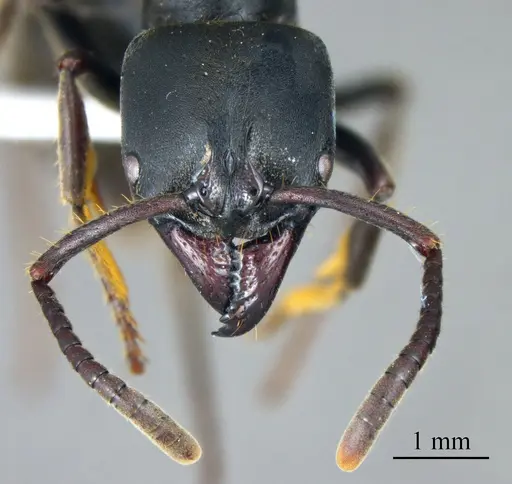
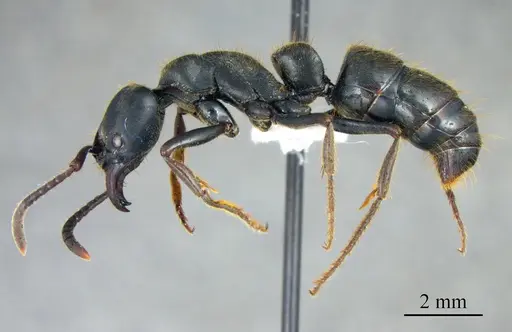
CASENT0178689
View on AntWeb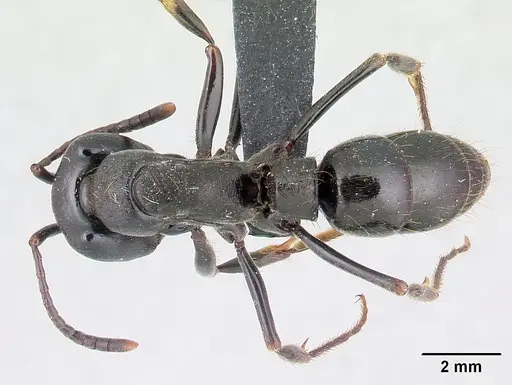
CASENT0249151
View on AntWeb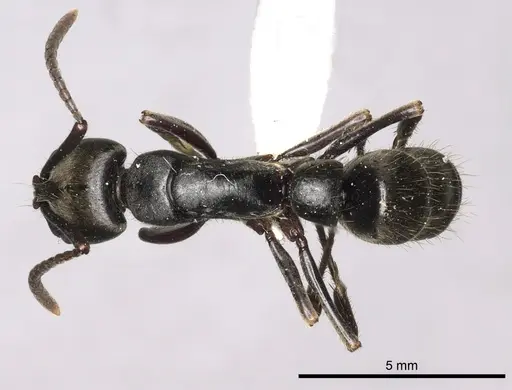
CASENT0249161
View on AntWeb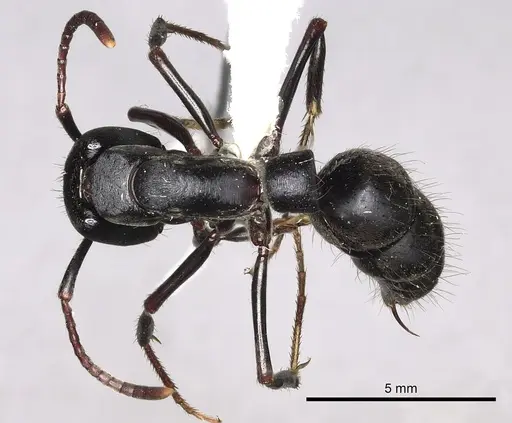
CASENT0636810
View on AntWeb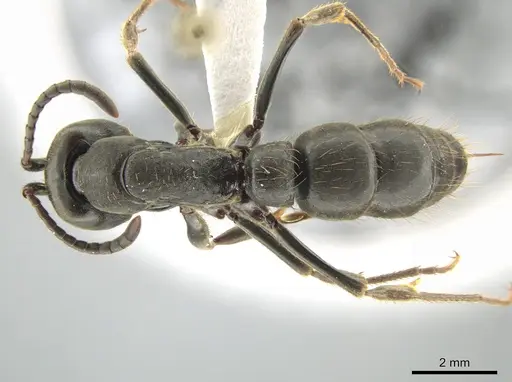
CASENT0872958
View on AntWeb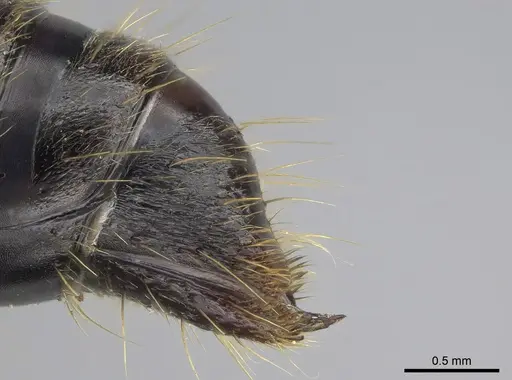
CASENT0903887
View on AntWeb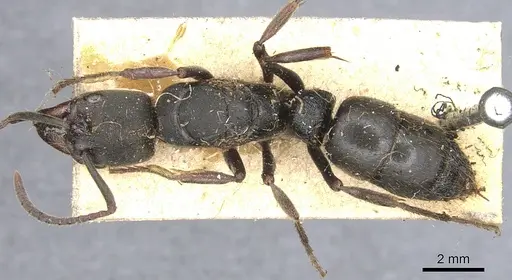
CASENT0907249
View on AntWeb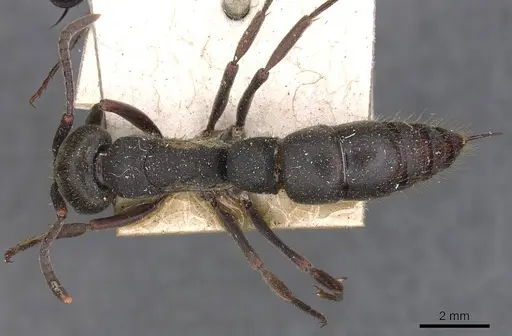
CASENT0922392
View on AntWeb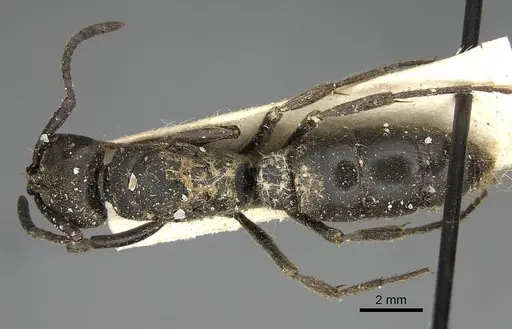
CBUMAGENT41729
View on AntWeb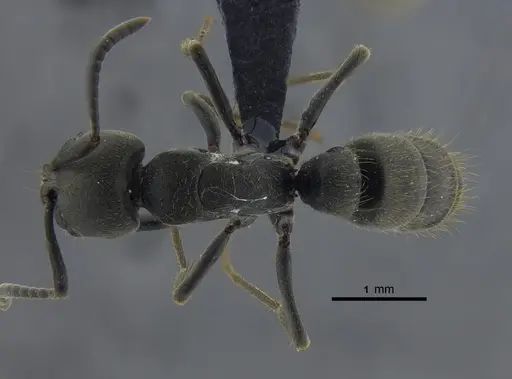
ECOFOG-IT14-0286-08
View on AntWeb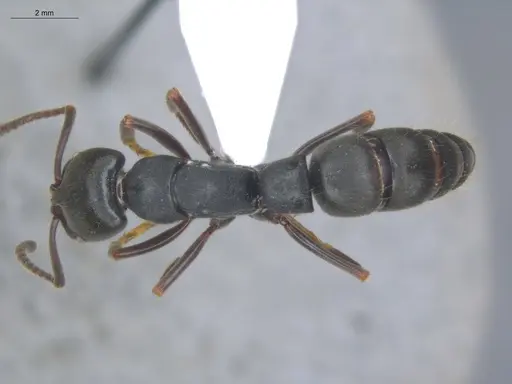
FOCOL0951
View on AntWeb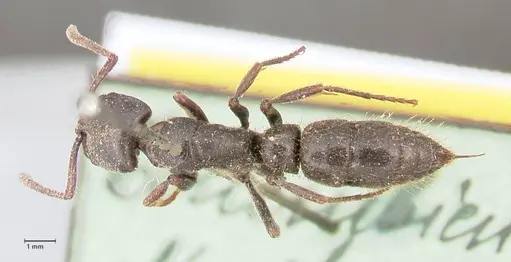
FOCOL0952
View on AntWeb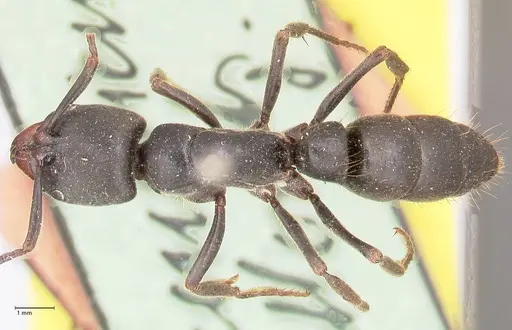
FOCOL0953
View on AntWeb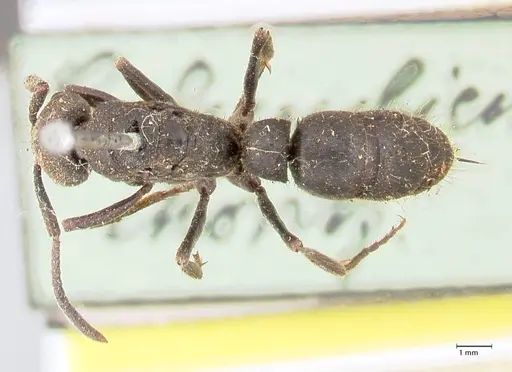
Literature
Loading distribution map...Loading products...