
Oxyepoecus reticulatus
- Sci. Name
- Oxyepoecus reticulatus
- Tribe
- Solenopsidini
- Subfamily
- Myrmicinae
- Author
- Kempf, 1974
- Distribution
- Found in 2 countries
Introduction
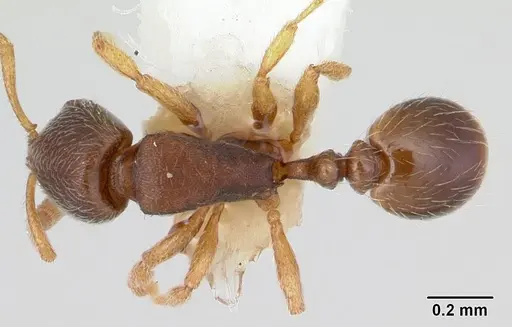
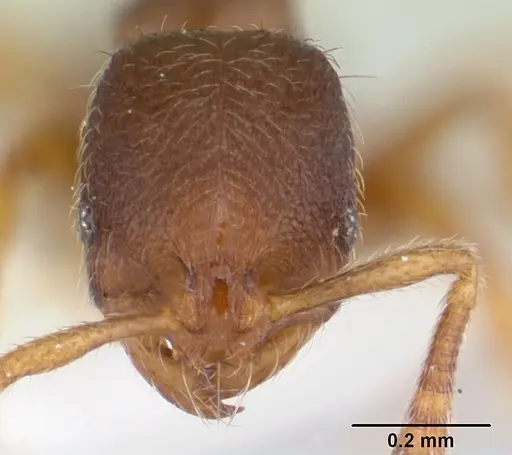
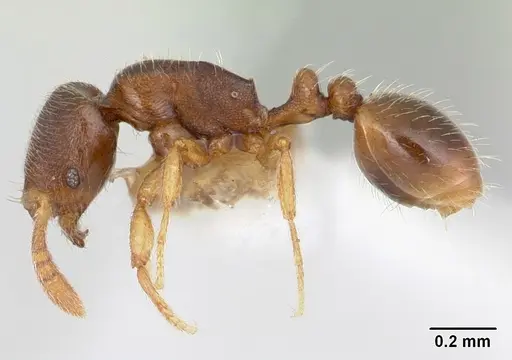
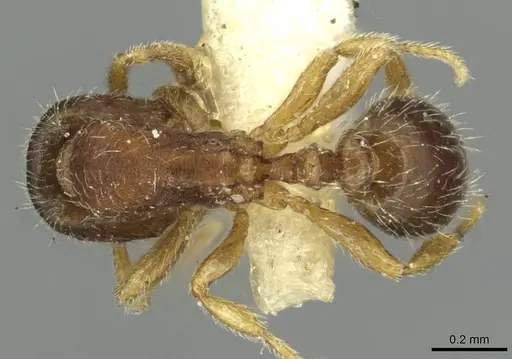
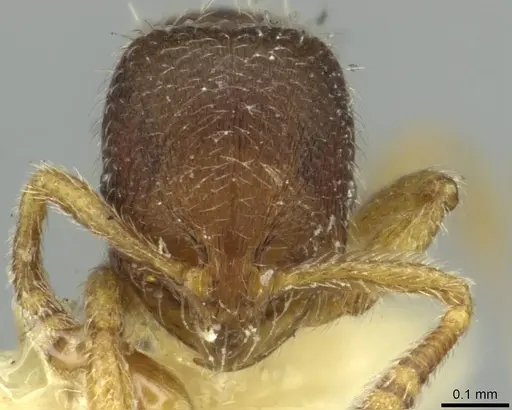
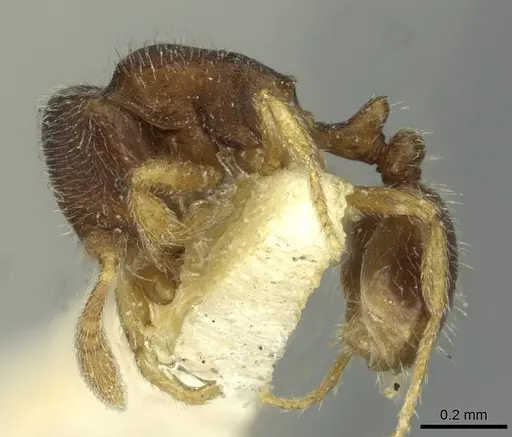
Oxyepoecus reticulatus is a tiny ant species native to southeastern South America, found in Brazil from Minas Gerais to Santa Catarina and in Paraguay . Workers measure up to 2.3 mm and queens reach 2.5 mm in total length . They are chestnut brown with distinctive ridge-like costulae covering their head, mesosoma, and petiole . These ants live in relatively dry forests, typically in leaf litter and soil samples from the forest floor . A notable fact is that males have never been collected, making their reproductive biology a mystery .
Quick Summary
- Difficulty: Hard
- Origin & Habitat: Southeastern South America, Brazil (Minas Gerais to Santa Catarina) and Paraguay. Found in relatively dry forests, typically in leaf litter and soil samples at elevations up to 1000m [1][2][3].
- Colony Type: Unconfirmed colony structure. Males have never been collected, which is unusual and may indicate ergatoid males or seasonal timing issues [1].
- Size & Growth:
- Queen: 2.5 mm [1]
- Worker: up to 2.3 mm [1]
- Colony: Unknown, no colony size data available
- Growth: Unknown, no development data available
- Development: Unconfirmed, no direct development data exists. Based on related tiny ants, expect around 6-10 weeks at warm temperatures, but this is an estimate [1]. (No published development timeline exists.)
- Antkeeping:
- Temperature: Keep between 22-26°C. This species comes from subtropical regions with warm temperatures [1][2].
- Humidity: Keep moderately dry with a humidity gradient. These ants are found in relatively dry forests, so provide a mostly dry nest with a small moist area [1][2].
- Diapause: Unknown, no specific overwintering data exists. Based on subtropical origin, they may experience a mild winter slowdown [1].
- Nesting: Use naturalistic setups with leaf litter and soil, or small nests with tight chambers scaled to their size. Recommended nest types include Y-tong, plaster, or 3D-printed nests [1][2].
- Behavior: These are extremely tiny ants with limited vision due to small eyes. They are not aggressive but can easily escape due to their size. Escape prevention is critical [1].
- Common Issues: escape prevention is critical, they are extremely tiny and can squeeze through gaps, no development data exists, growing from a single queen requires patience, colony size unknown, expect small colonies based on their size, males never documented, colony reproduction may be challenging, very little known about care, experimentation may be needed
Housing and Nest Setup
Oxyepoecus reticulatus requires careful housing due to their extremely small size. In the wild, they live in the topsoil and leaf litter layer of relatively dry forests, so a naturalistic setup with a deep substrate layer works well [1][2]. Use small nests with chambers scaled to their tiny size, passages should be very narrow. Recommended nest types include Y-tong, plaster, or 3D-printed nests. Alternatively, a naturalistic terrarium with several centimeters of soil mixed with leaf litter allows them to forage naturally. The key is providing tight spaces, these ants feel secure in confined areas. Escape prevention is critical: use fine mesh (at least 0.5mm) on any ventilation holes and ensure all lids fit tightly [1].
Feeding and Diet
No specific feeding data exists for this species. Based on their placement in Solenopsidini, they are likely omnivorous [4]. Offer small protein sources like fruit flies, pinhead crickets, or tiny pieces of mealworms. They probably also consume honeydew and may accept sugar water or honey. Feed small amounts of protein 2-3 times per week and keep a constant sugar source available. Because of their tiny size, any prey items should be appropriately sized. Remove uneaten food promptly to prevent mold in the nest.
Temperature and Seasonal Care
Keep your colony at 22-26°C, mimicking the warm subtropical conditions of their native range in southeastern Brazil and Paraguay [1][2]. A heating cable on one side of the nest creates a temperature gradient they can regulate themselves. During winter months, you can allow temperatures to drop slightly to simulate their natural seasonal cycle, but avoid cold temperatures below 15°C. No specific diapause requirements have been documented, observe your colony's activity levels and adjust accordingly.
Understanding This Species
Oxyepoecus reticulatus is a poorly understood species even in scientific literature. Described in 1974 by Kempf, these ants remain rarely studied and almost never collected [1][2][5]. The fact that males have never been documented is particularly unusual. This could indicate wingless males, very short nuptial flight seasons, or that researchers haven't caught them during the right time. As a keeper, you become part of documenting this species' biology. Expect to experiment with care conditions and keep detailed notes. The species is identified by its distinctive costulae covering the head, mesosoma, and petiolar peduncle [1].
Frequently Asked Questions
How long does it take for Oxyepoecus reticulatus to produce first workers?
The egg-to-worker timeline is unconfirmed, no scientific data exists for this species. Based on related tiny Solenopsidini ants, expect around 6-10 weeks at warm temperatures, but this is an estimate [1].
Are Oxyepoecus reticulatus ants good for beginners?
No, this species is not recommended for beginners. Almost no care information exists, colony structure is unconfirmed, and their extremely tiny size makes them prone to escape. They require advanced husbandry and patience.
How big do Oxyepoecus reticulatus colonies get?
Colony size is unknown, no data exists on maximum colony size. Based on their tiny size and cryptic lifestyle, expect small colonies.
What do Oxyepoecus reticulatus ants eat?
No specific diet data exists. Based on their genus, they likely accept small insects, honeydew, and sugar water. Offer tiny protein sources like fruit flies and small insect pieces, plus a constant sugar source [4].
Can I keep multiple Oxyepoecus reticulatus queens together?
Not documented. Colony structure (monogyne vs polygyne) has not been studied. Do not attempt combining unrelated queens without evidence they can coexist.
Do Oxyepoecus reticulatus need hibernation?
Not confirmed. Based on their subtropical origin in southern Brazil and Paraguay, they likely experience a mild winter slowdown but may not require a true hibernation period. You can allow temperatures to drop to 18-20°C in winter [1].
Why are my Oxyepoecus reticulatus escaping?
Their extreme tiny size (under 2.5mm) means they can squeeze through gaps invisible to the naked eye. Use fine mesh (0.5mm or smaller), check all lid seams, and consider applying fluon to barrier edges. Escape prevention must be excellent [1].
When will I see males in my Oxyepoecus reticulatus colony?
Males have never been scientifically documented for this species, this is a significant biological mystery. Your colony may never produce males, or they may be ergatoid (wingless) and remain in the nest [1].
What makes Oxyepoecus reticulatus different from other ants?
They are among the smallest ants in the hobby (workers up to 2.3mm), have distinctive ridge-like sculptures covering their body, and are one of the most poorly understood species in the antkeeping hobby [1].
Report an Issue
The current care sheet is based fully on literature. See inconsistencies, or something that's incorrect? Please , it will be resolved after review from an admin. Contributing to the blogs tab also helps providing information, to make us be able to further improve the caresheets. Thank you for your support!
References

This caresheet is licensed under CC BY-SA 4.0 .
Community Blogs
Literature
Loading distribution map...Loading products...