
Opisthopsis respiciens
- Sci. Name
- Opisthopsis respiciens
- Tribe
- Camponotini
- Subfamily
- Formicinae
- Author
- Smith, 1865
- Distribution
- Found in 1 countries
Introduction
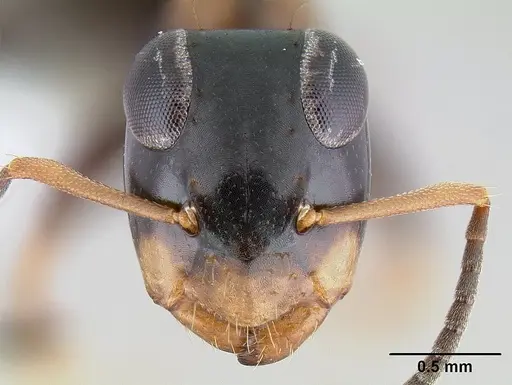
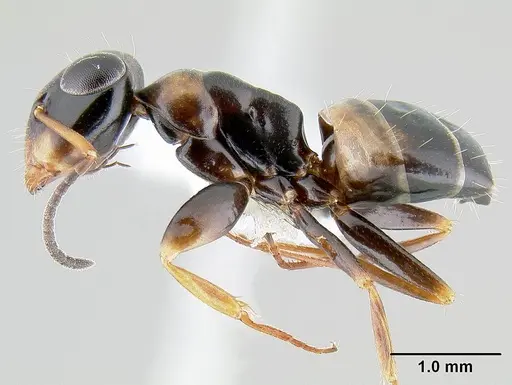
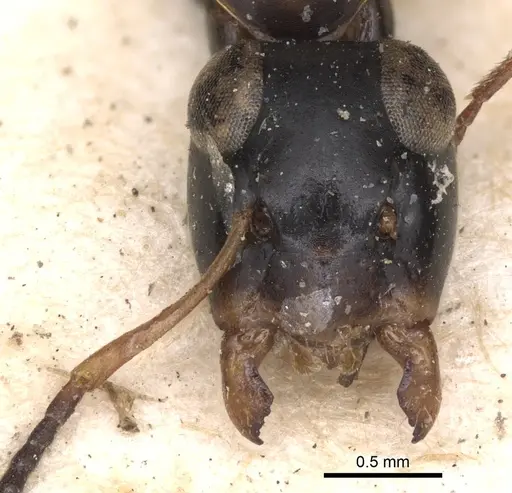
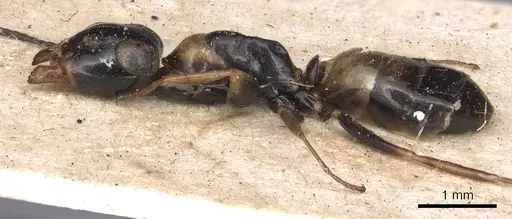
Opisthopsis respiciens is native to Australia and New Guinea, including Queensland . Workers are medium-sized with large eyes and golden to reddish coloration. They belong to the Camponotini tribe and have a symbiotic relationship with Blochmannia bacteria for nutrition processing .
Quick Summary
- Difficulty: Medium
- Origin & Habitat: Native to Australia and New Guinea, found in Queensland and surrounding regions. Inhabits tropical and subtropical environments, nesting in soil or under stones [1][2].
- Colony Type: Colony structure is unconfirmed in scientific literature.
- Size & Growth:
- Queen: size data unavailable
- Worker: size data unavailable
- Colony: Up to several hundred workers, estimated from related Camponotini species [2].
- Growth: Moderate
- Development: Estimated 6-10 weeks at optimal temperature, based on related Formicinae species [2]. (Development time is inferred from related species, specific data for Opisthopsis respiciens is not available.)
- Antkeeping:
- Temperature: Keep warm, roughly 24-28°C, based on tropical habitat [2].
- Humidity: Keep nest substrate consistently moist but not waterlogged, as they come from environments with regular rainfall [2].
- Diapause: Unknown, tropical species may not require diapause, but specific data is lacking.
- Nesting: Y-tong or plaster nests work well. Prefer tight, dark chambers typical of forest-floor nesters [2].
- Behavior: Workers are active foragers with good vision. They are not highly aggressive but will defend the nest. Escape risk is moderate due to their size, use standard barriers.
- Common Issues: tropical species may struggle in cool, dry environments, monitor temperature closely, colonies may decline if humidity drops too low, avoid dry housing conditions, limited documented care information means some trial and error may be needed, blochmannia symbiont may require varied diet for proper nutrition
Housing and Nest Setup
Opisthopsis respiciens does well in Y-tong nests or plaster formicariums. These ants prefer tight, dark chambers that mimic their natural forest-floor nesting sites [2]. The nest should have chambers sized appropriately for their workers. A small outworld area allows for foraging. Ensure adequate ventilation to prevent mold while maintaining humidity.
Feeding and Diet
As members of the Camponotini tribe, these ants likely have omnivorous diets. They probably accept sugar sources and protein foods. Based on their Blochmannia symbiont, they may have enhanced ability to process nutrients from sap-feeding insects [4][5]. Offer a varied diet: protein sources like mealworms 2-3 times per week, and a constant sugar source. Fresh water should always be available.
Temperature and Seasonal Care
Being native to Australia and New Guinea, this species requires warm conditions. Keep the nest area at roughly 24-28°C for optimal colony health [2]. Room temperature is often sufficient in warm homes, but a heating cable can provide additional warmth if needed. During cooler months, activity may slow down, but true hibernation is unlikely for this tropical species.
Behavior and Colony Dynamics
Opisthopsis respiciens workers are active and quick-moving, with relatively good vision. They are foragers that likely hunt small prey and collect honeydew in the wild. The colony establishes a clear nest scent, and workers patrol the outworld. While not extremely aggressive, they will bite if their nest is disturbed [2].
Frequently Asked Questions
How long does it take for Opisthopsis respiciens to produce first workers?
Based on related Formicinae species, expect first workers approximately 6-10 weeks after the queen lays eggs, assuming optimal temperature around 26°C [2].
What temperature do Opisthopsis respiciens ants need?
Keep them warm at roughly 24-28°C, based on their tropical habitat [2].
How big do Opisthopsis respiciens colonies get?
Colonies likely reach up to several hundred workers, estimated from related Camponotini species [2].
What do Opisthopsis respiciens eat?
They are omnivorous. Offer protein like insects 2-3 times weekly and a constant sugar source like honey water [4][5].
Are Opisthopsis respiciens good for beginners?
They are rated as medium difficulty. They require warm, humid conditions, which may need more attention than temperate species.
Do Opisthopsis respiciens need hibernation?
Unknown, as a tropical species, they likely do not require true hibernation, but specific data is lacking.
Can I keep multiple Opisthopsis respiciens queens together?
This is not recommended, as combining unrelated queens has not been studied and queens typically fight. Start with a single queen colony.
What makes Opisthopsis respiciens special compared to other ants?
They have a unique symbiotic relationship with Blochmannia bacteria for nutrition [4][5], and they have distinctive large eyes and golden coloration.
How often should I feed Opisthopsis respiciens?
Offer protein insects 2-3 times per week and keep a sugar source available at all times. Remove uneaten prey after 24 hours.
Report an Issue
The current care sheet is based fully on literature. See inconsistencies, or something that's incorrect? Please , it will be resolved after review from an admin. Contributing to the blogs tab also helps providing information, to make us be able to further improve the caresheets. Thank you for your support!
References

This caresheet is licensed under CC BY-SA 4.0 .
Community Blogs
CASENT0106020
View on AntWeb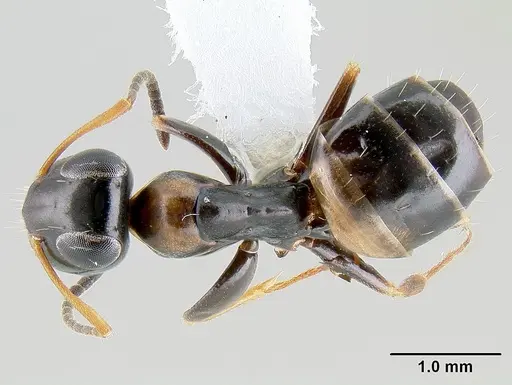
CASENT0173607
View on AntWeb
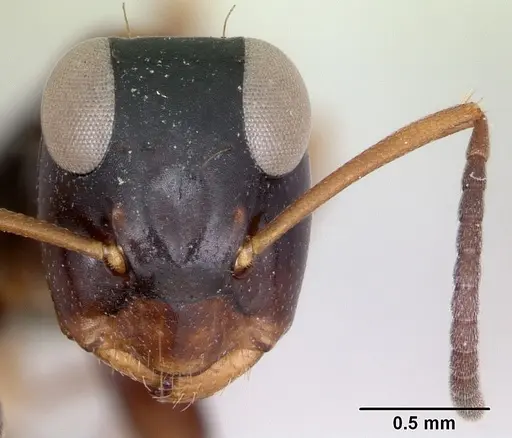
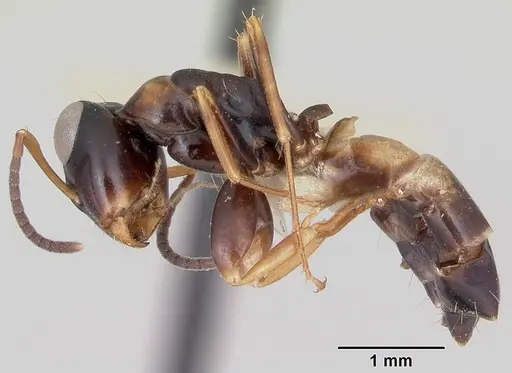
CASENT0281145
View on AntWeb
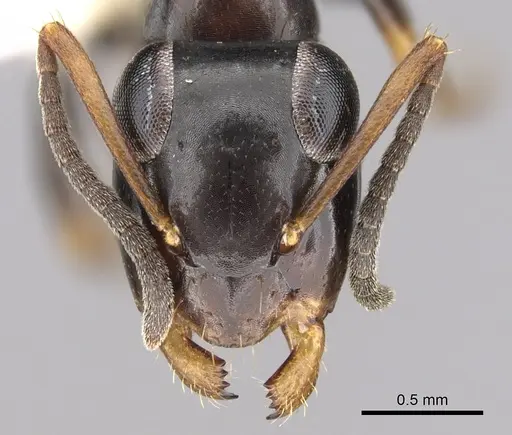
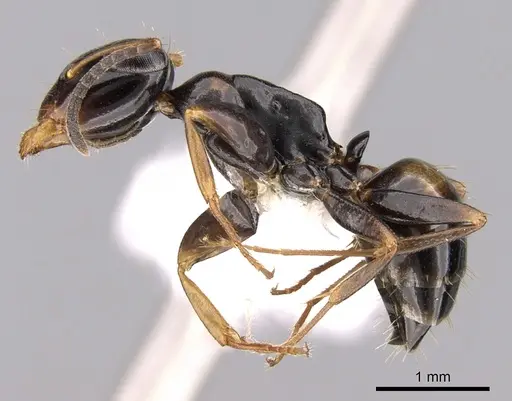
CASENT0901887
View on AntWeb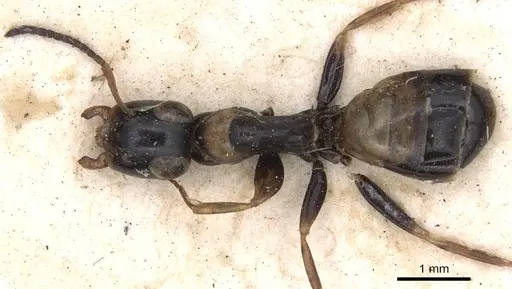
Literature
Loading distribution map...Loading products...