
Clonal Raider Ant
Ooceraea biroi
- Sci. Name
- Ooceraea biroi
- Subfamily
- Dorylinae
- Author
- Forel, 1907
- Common Name
- Clonal Raider Ant
- Distribution
- Found in 19 countries
Introduction
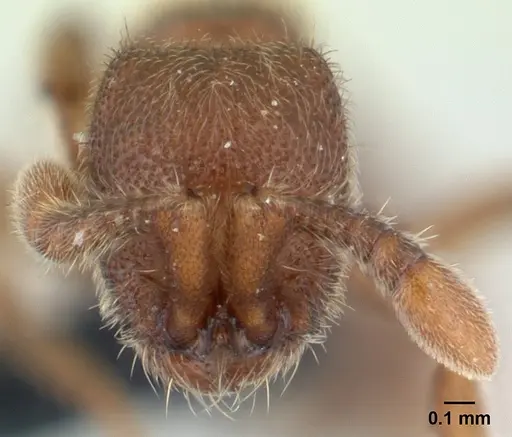
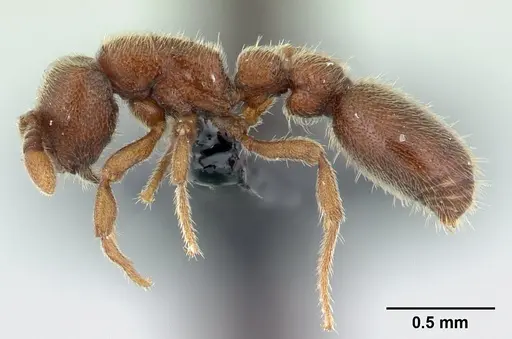
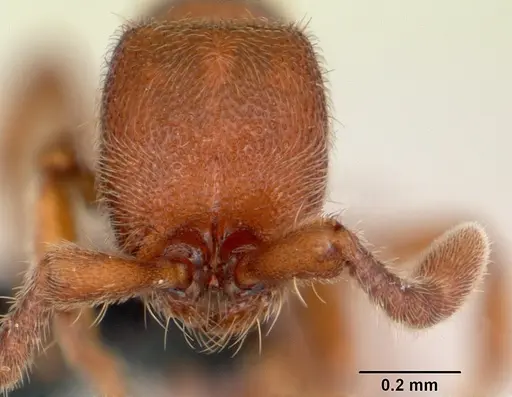
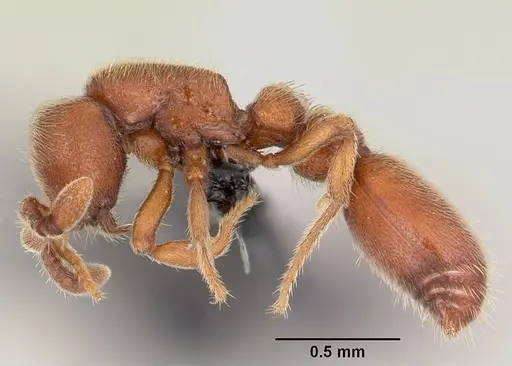
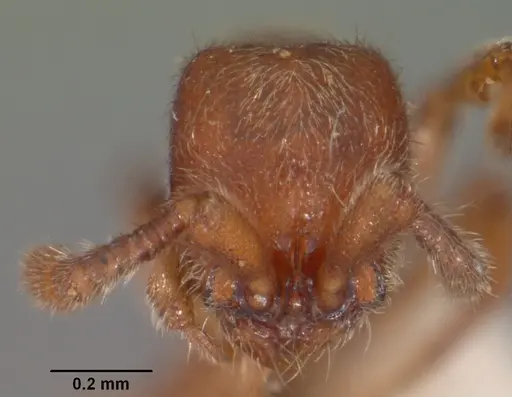
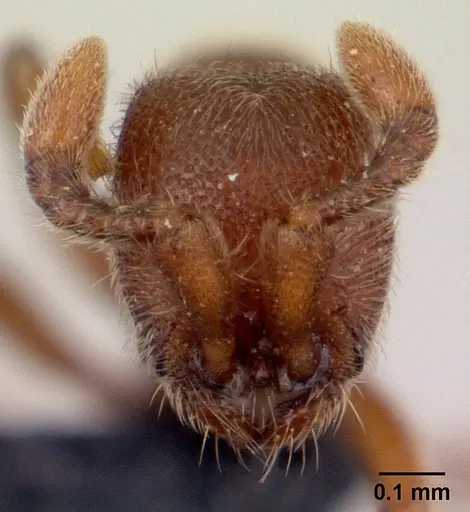
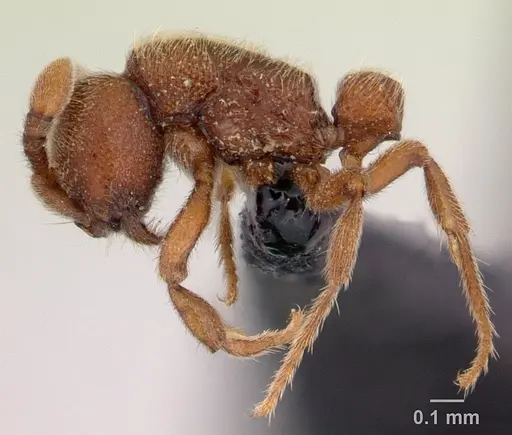
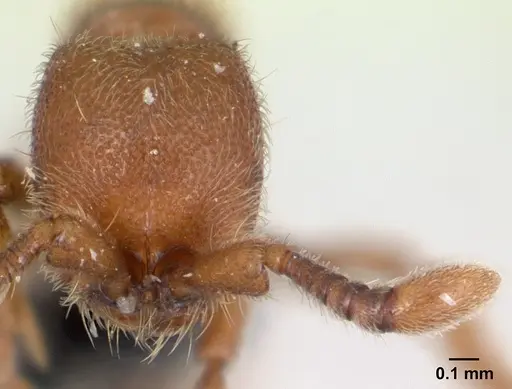
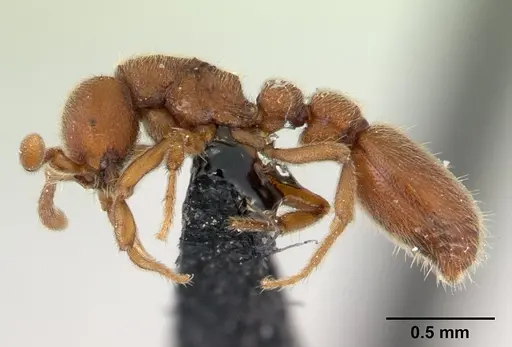
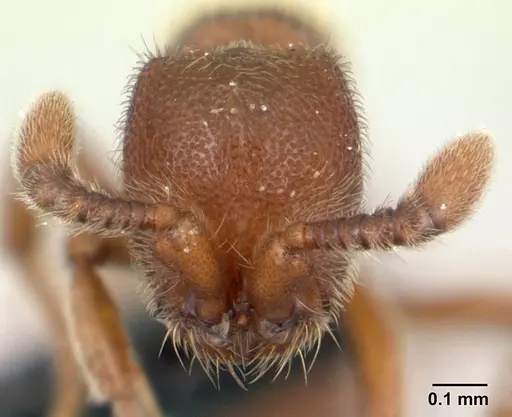
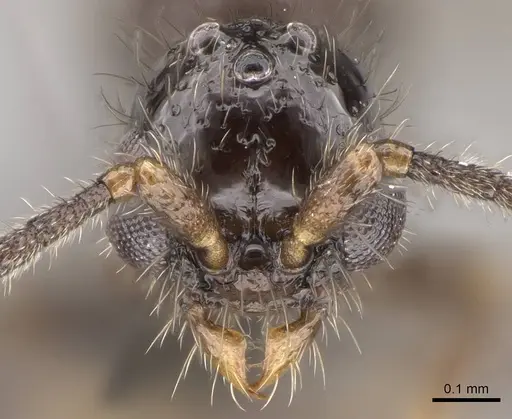
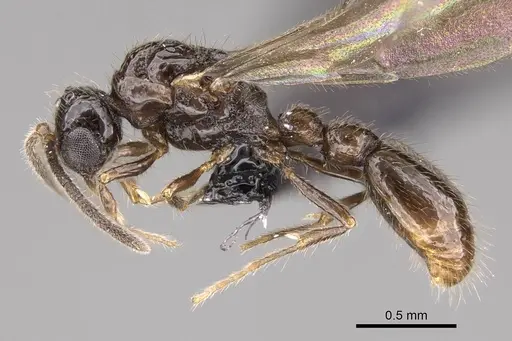
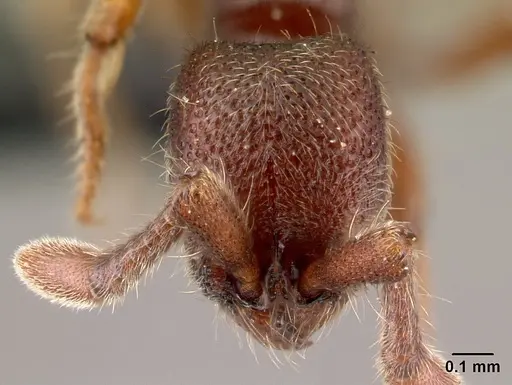
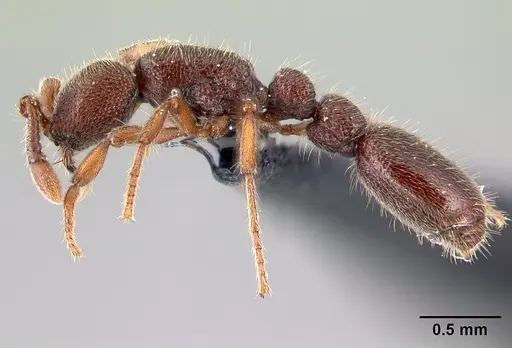
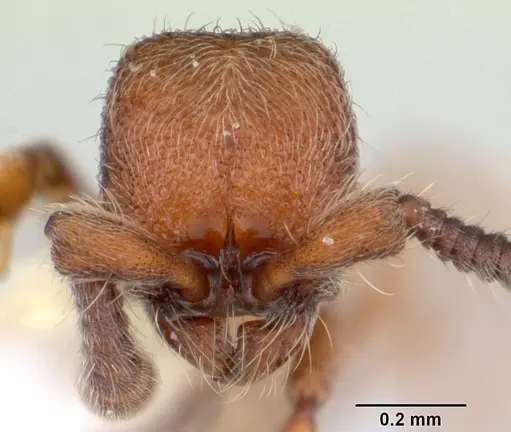
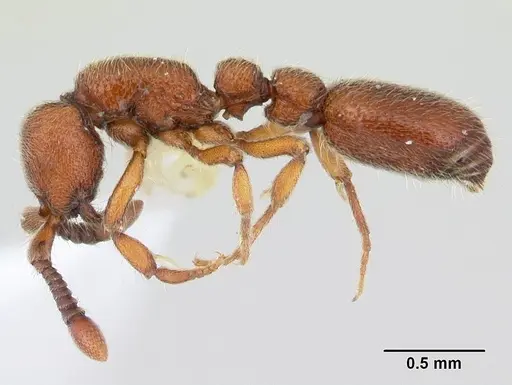
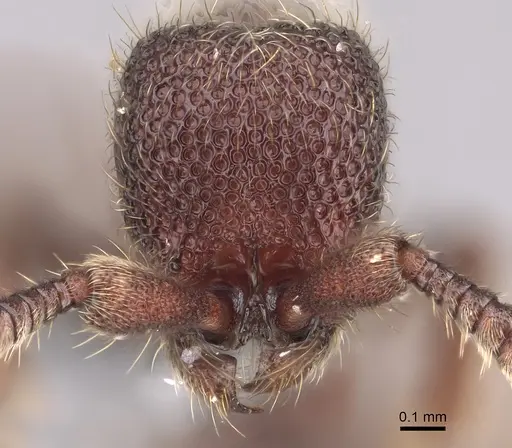
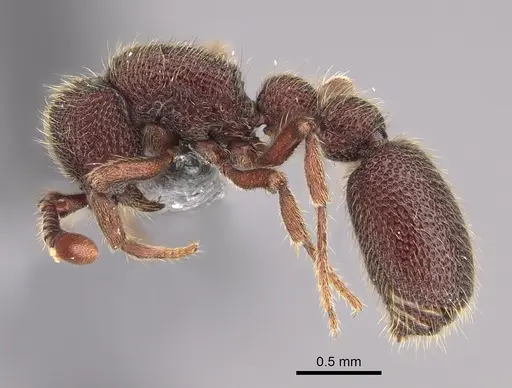
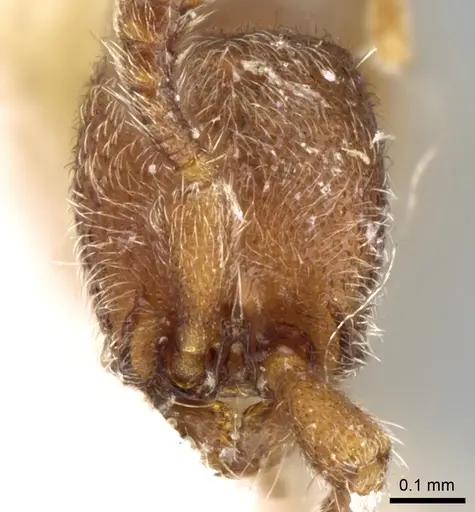
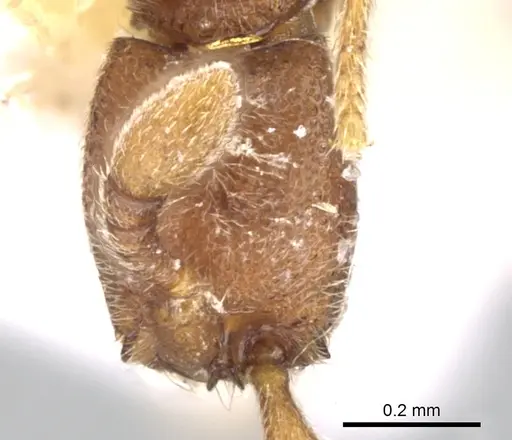
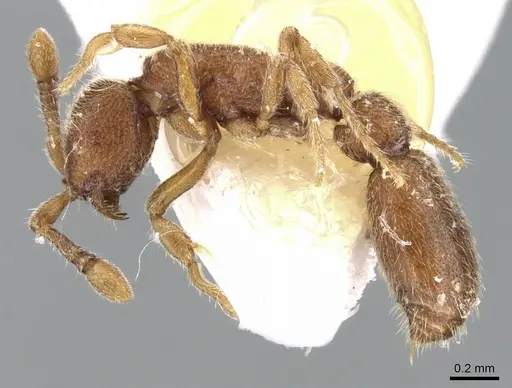
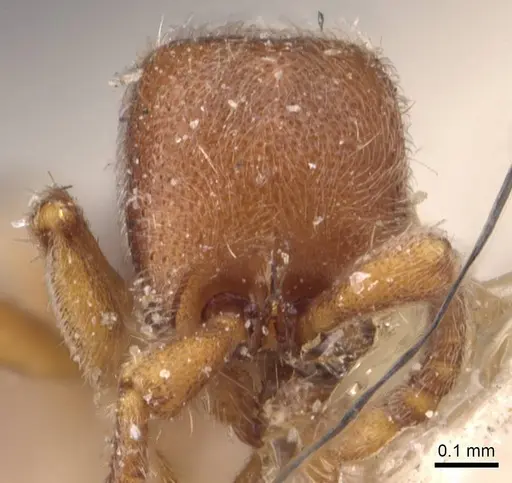
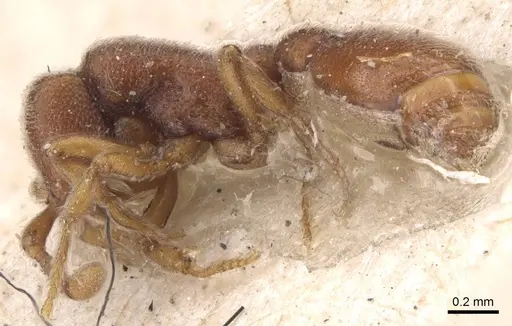
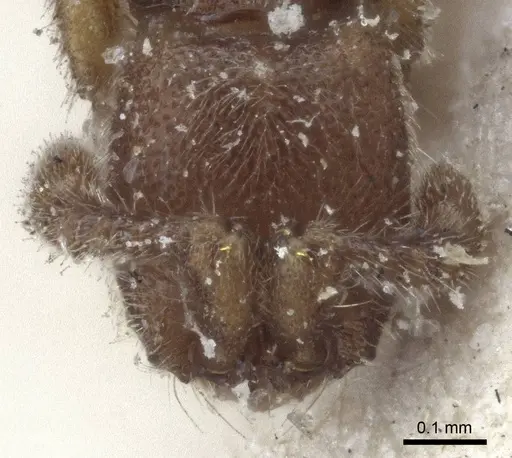
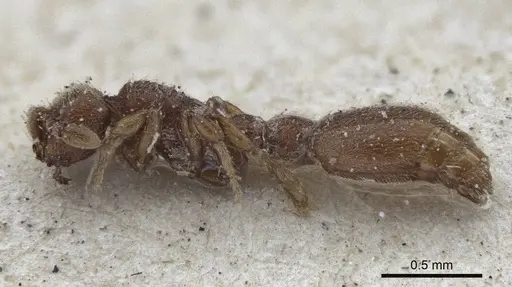
Ooceraea biroi is a small, eyeless ant native to Southeast Asia that has become a widespread invasive species across tropical and subtropical regions . Workers are 2-3 mm long and completely subterranean, relying on smell to navigate . Colonies are queenless, with all workers reproducing through thelytokous parthenogenesis, allowing any group to found a new colony . This species is a specialized predator, raiding other ant nests for brood using a heavily sclerotized cuticle for protection .
Quick Summary
- Difficulty: Expert
- Origin & Habitat: Native to Southeast Asia (Singapore, Bangladesh, southern China to Vietnam) [1][2]. Found in tropical and subtropical regions worldwide after spreading through human commerce [1]. Nests in soil or under stones in disturbed areas.
- Colony Type: Queenless colonies consist entirely of workers that reproduce clonally [3]. No true queen caste exists.
- Size & Growth:
- Antkeeping:
- Behavior: These ants conduct group raids on other ant colonies using trail pheromones [1]. They are completely blind but have an excellent sense of smell [8][9]. Colonies alternate between reproductive and brood care phases [3]. Escape prevention is important but not critical since they are not strong climbers.
- Common Issues: colonies may fail if not fed appropriate prey, they need ant brood or small insects [1][3]., phasic reproduction means colonies have cycles of low activity when larvae pupate, this is normal [3]., blind workers may have trouble finding food in large open spaces, use dark enclosures with scent trails [8]., introduced colonies may carry parasites that can spread to other ant colonies [1]., any small group can found a colony so accidental releases can establish invasive populations [1].
Unique Reproductive Biology
Ooceraea biroi has no queen caste, all workers reproduce through thelytokous parthenogenesis, producing genetically nearly identical offspring without mating [10][3]. Colonies cycle between reproductive and brood care phases, each lasting about 18 and 16 days respectively [3]. Young workers lay eggs during the reproductive phase, while older workers focus on foraging [11]. Some workers develop more ovarioles and have higher reproductive capacity [11][12]. Thelytoky works through automixis with central fusion, maintaining high heterozygosity [3].
Feeding and Diet
These ants are specialized predators that feed primarily on the brood of other ant species [1][3]. In captivity, offer frozen fire ant pupae or soft-bodied insect larvae [6]. They do not seek sugar sources, their diet is almost exclusively protein from raiding. During brood care phases, foraging activity increases, so offer prey 2-3 times per week [3].
Temperature and Colony Cycles
Maintain temperature at 25°C for optimal function [6][7]. As a tropical species, no diapause is needed. Colonies alternate between reproductive phases (workers lay eggs) and brood care phases (workers forage) [3]. Larvae trigger foraging behavior and inhibit ovarian activation [13]. This synchronized cycle is normal and expected.
Behavior and Defense
Ooceraea biroi conducts organized group raids on other ant colonies, using trail pheromones for recruitment [1]. Workers are completely blind and navigate by smell, with a large number of odorant receptors [8][9][3]. When threatened, they use a panic alarm response triggered by pheromones from the head [6]. They are not aggressive toward humans and cannot sting.
Housing and Nest Setup
Use a test tube setup for founding colonies or small groups. For established colonies, Y-tong or plaster formicariums work well [6]. Keep the nest humid but not waterlogged, a moist plaster substrate is ideal. They are not strong climbers, so standard barriers are recommended. Provide a constant water source via a test tube with a cotton ball.
Frequently Asked Questions
How do Ooceraea biroi colonies reproduce without a queen?
This species has no queen caste. All workers reproduce through thelytokous parthenogenesis, producing female offspring without mating [3]. Any worker can lay eggs, and offspring are genetically nearly identical clones.
What do I feed my clonal raider ant colony?
Feed them the brood of other ant species, such as frozen fire ant pupae [1][6]. They are not interested in sugar water, offer prey 2-3 times per week during active foraging.
How long does it take for eggs to develop into workers?
At 25°C, the complete generation time is about 34 days [3]. Eggs develop through three larval instars synchronously.
Do Ooceraea biroi ants need hibernation?
No, they are a tropical species with no diapause requirement. Keep them at a constant 25°C year-round.
Why are my ants suddenly less active?
This is normal phasic behavior. Colonies alternate between reproductive phases (less activity) and brood care phases (active foraging) [3][13].
Can I keep multiple queens together?
This question does not apply, there is no queen caste. All workers are potential reproducers [3].
How big do colonies get?
Natural colonies reach up to 600 workers [5]. In laboratory conditions, they can grow larger, but specific numbers are not well-documented.
Why do my ants have no eyes?
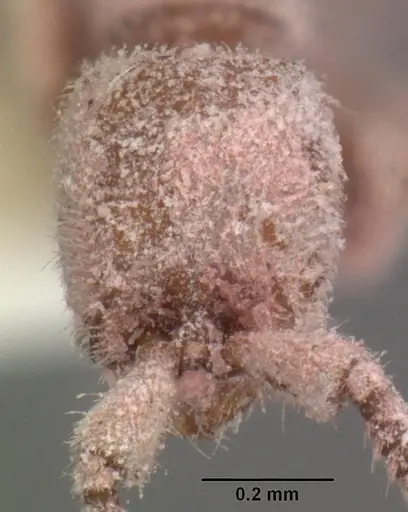
This is normal, workers are completely eyeless and navigate by smell [8][9]. They have many odorant receptors to compensate [3].
Report an Issue
The current care sheet is based fully on literature. See inconsistencies, or something that's incorrect? Please , it will be resolved after review from an admin. Contributing to the blogs tab also helps providing information, to make us be able to further improve the caresheets. Thank you for your support!
References

This caresheet is licensed under CC BY-SA 4.0 .
Community Blogs
CASENT0055090
View on AntWeb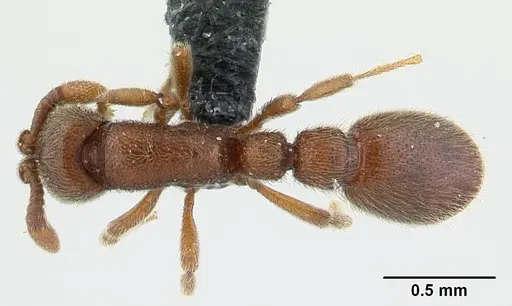
CASENT0059682
View on AntWeb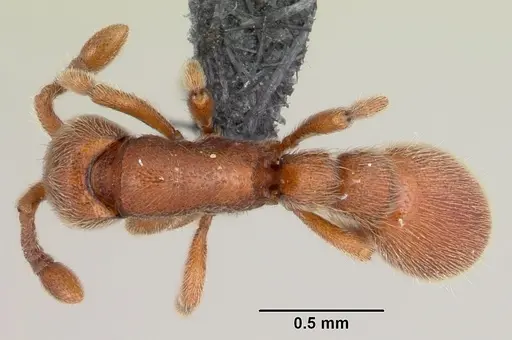
CASENT0102253
View on AntWeb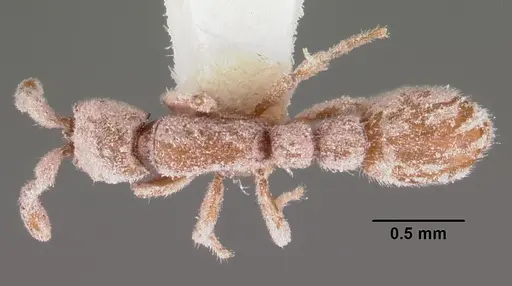
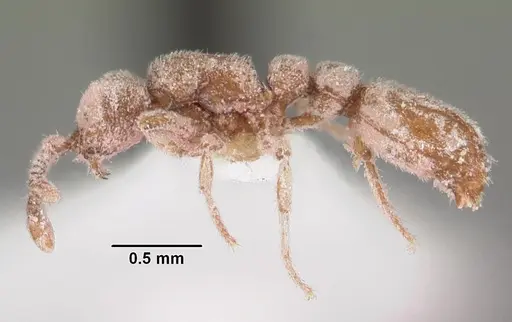
CASENT0102254
View on AntWeb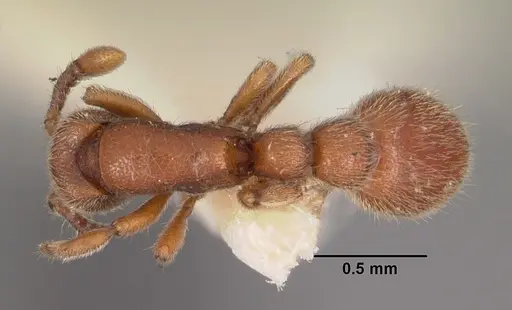
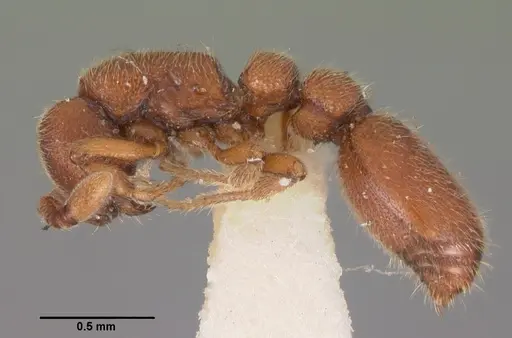
CASENT0132569
View on AntWeb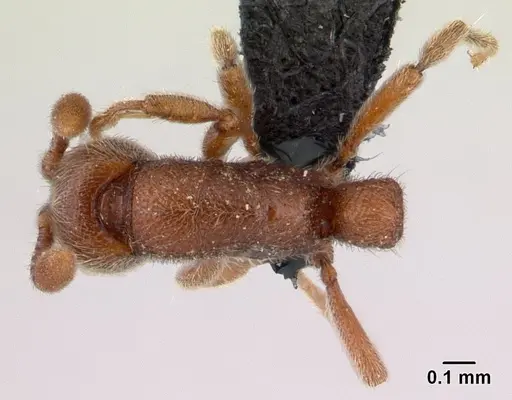
CASENT0133141
View on AntWeb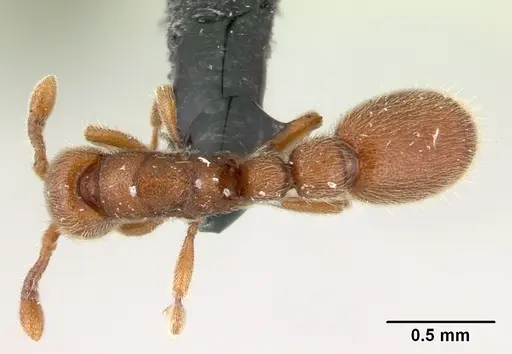
CASENT0133554
View on AntWeb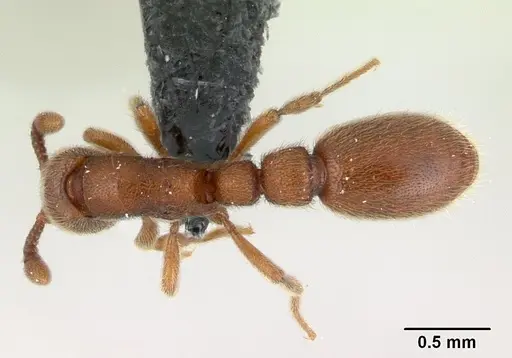
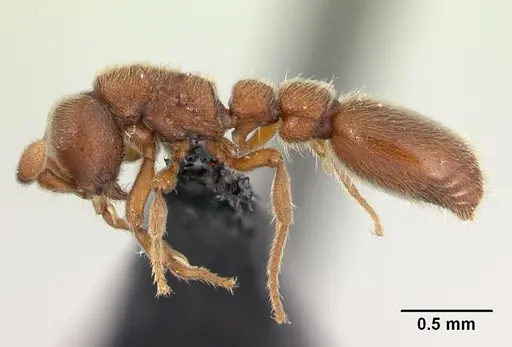
CASENT0135345
View on AntWeb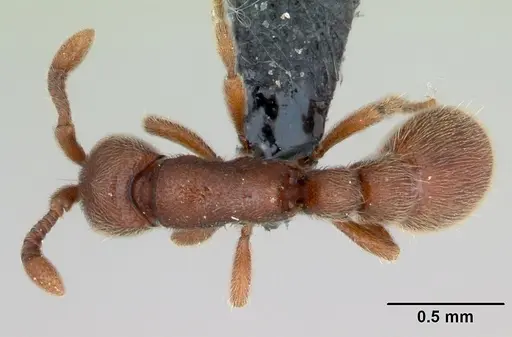
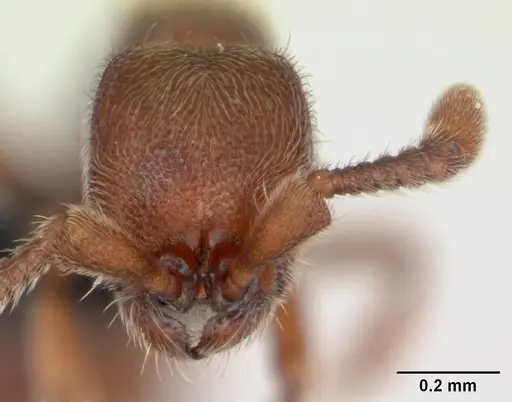
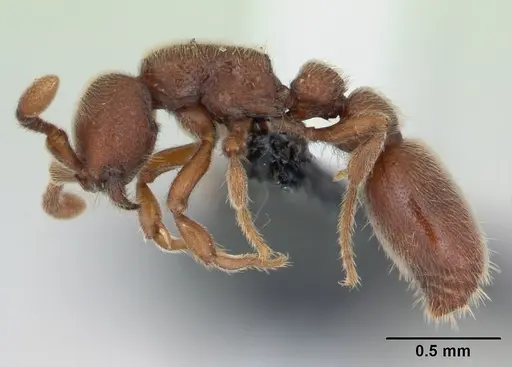
CASENT0160795
View on AntWeb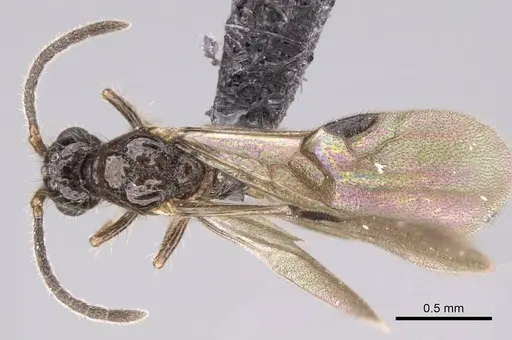
CASENT0161671
View on AntWeb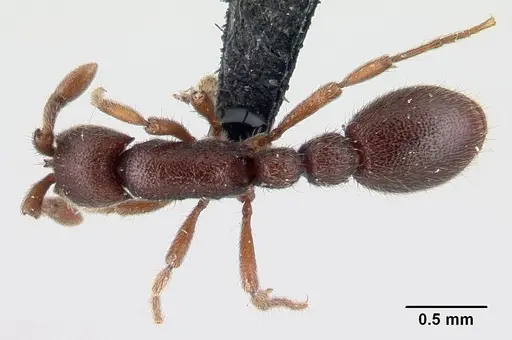
CASENT0178457
View on AntWeb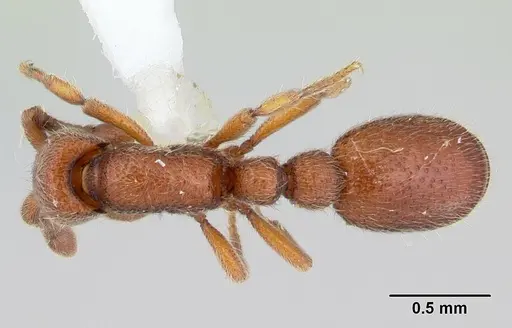
CASENT0746015
View on AntWeb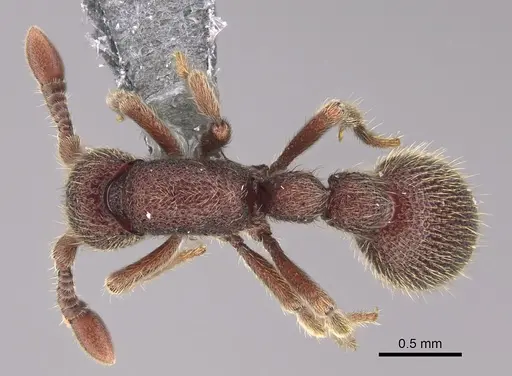
CASENT0906352
View on AntWeb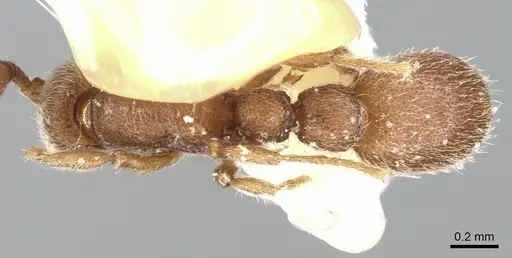
CASENT0907059
View on AntWeb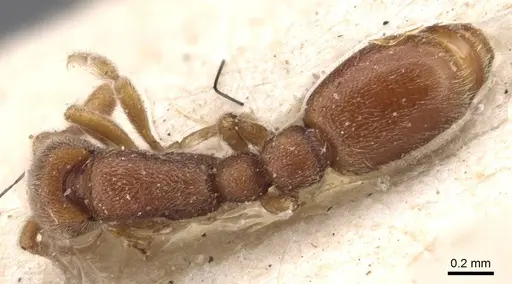
CASENT0916710
View on AntWeb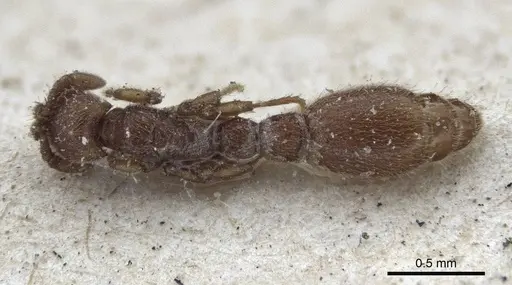
Literature
Loading distribution map...Loading products...