
Onychomyrmex doddi
- Sci. Name
- Onychomyrmex doddi
- Tribe
- Amblyoponini
- Subfamily
- Amblyoponinae
- Author
- Wheeler, 1916
- Distribution
- Found in 1 countries
Introduction
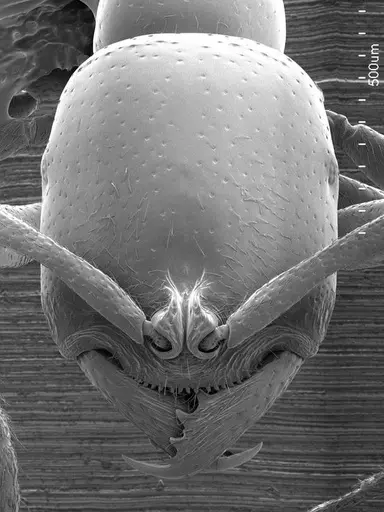
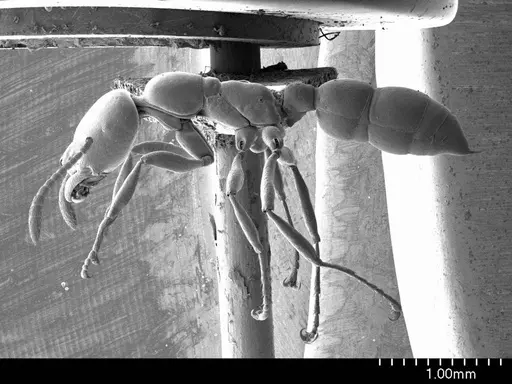
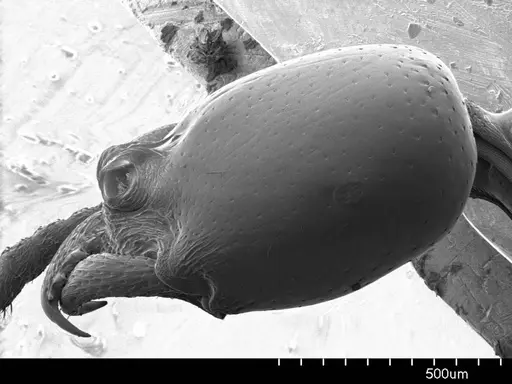
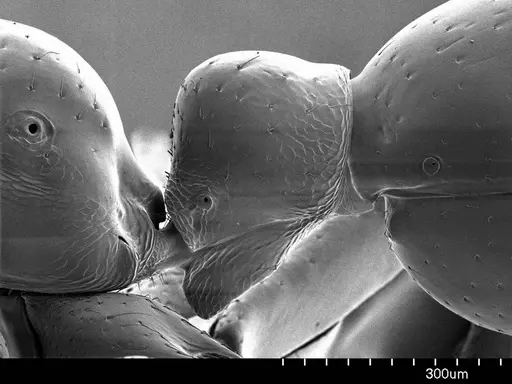
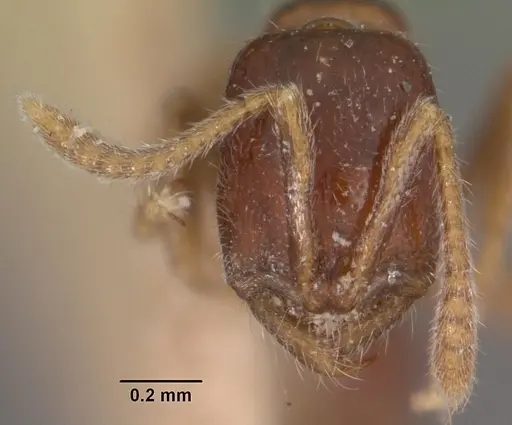
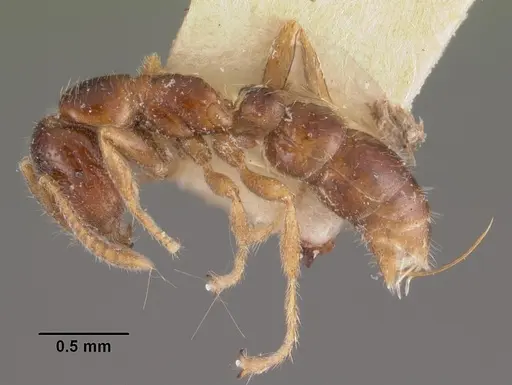
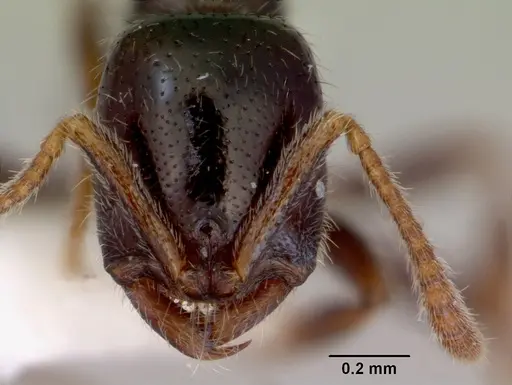
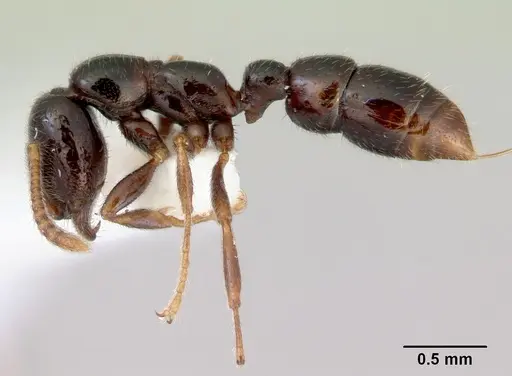
Onychomyrmex doddi is a tiny Australian ant in the Amblyoponinae subfamily. Workers are 2-2.5 mm and deep chestnut to nearly black, with yellowish-brown antennae, legs, and gaster tips. Queens are nearly 4 mm. This species is found in Queensland, Australia, in damp, shady rainforest environments . Onychomyrmex doddi belongs to the POA clade, which has army ant-like behavior including nomadic colonies and wingless ergatoid queens .
Quick Summary
- Difficulty: Hard
- Origin & Habitat: Queensland, Australia, damp, shady rainforest [1]
- Colony Type: Colonies have ergatoid (wingless) queens. Based on POA clade membership, colonies may have nomadic tendencies [2][1].
- Size & Growth:
- Antkeeping:
- Temperature: Keep warm and stable, roughly 22-26°C, based on their tropical habitat [1].
- Humidity: Keep nest substrate consistently moist but not waterlogged, as they inhabit damp areas [1].
- Diapause: Unknown, being tropical, likely no diapause, but unconfirmed.
- Nesting: Natural nesting in small logs in damp, shady areas [1]. In captivity, test tube setups or Y-tong nests with high humidity are suitable.
- Behavior: Predatory, using stingers to subdue prey. Nomadic colony behavior likely [2]. Escape risk is moderate due to small size, use standard barriers.
- Common Issues: nomadic behavior may stress colonies if they cannot move, provide space for relocation., high humidity requirements can lead to mold if ventilation is poor., small wild colony size means captive colonies may be fragile., predatory diet requires live prey, which can be challenging., ergatoid queen system may differ from typical founding, research needed.
Understanding Onychomyrmex doddi - The Army Ant Relatives
Onychomyrmex doddi belongs to the Amblyoponinae subfamily, often called 'dracula ants' due to their feeding habits. Workers are tiny at 2-2.5 mm with dark chestnut to nearly black coloration. The queen is nearly 4 mm. The species is part of the POA clade, characterized by army ant-like behavior including nomadic colonies and modified wingless queens called ergatoids [2]. The species was first described by W.M. Wheeler in 1916 from specimens in Kuranda, Queensland [1].
Housing and Nest Setup
Maintaining proper humidity is critical for O. doddi. In the wild, they nest in small logs in damp, shady spots, so keep nest substrate consistently moist in captivity. A test tube setup works well for founding colonies. Given their small size, escape prevention is straightforward with standard barriers. For established colonies, Y-tong or plaster nests that retain humidity are suitable. Provide a humidity gradient for self-regulation. [1]
Feeding and Diet
O. doddi is predatory and requires live protein prey such as fruit flies, pinhead crickets, or small mealworms. Sugar sources may be accepted experimentally but are not primary. Feed small prey every 2-3 days and remove uneaten items after 24 hours to prevent mold. [1]
Temperature and Seasonal Care
Keep temperatures warm and stable, roughly 22-26°C, based on their tropical habitat. Place heating elements on top of the nest to avoid drying moisture. A slight temperature reduction in winter may be appropriate but is unconfirmed. [1]
Colony Structure and Reproduction
O. doddi has ergatoid queens, which are wingless, unlike typical winged queens. This is characteristic of the POA clade [2]. The single documented wild colony had up to 50 workers with one female [1]. Reproductive cycles are not well understood, and observation is needed for more data.
Frequently Asked Questions
How long does it take for Onychomyrmex doddi to produce first workers?
Unknown, no direct development data available for this species.
Can I keep Onychomyrmex doddi in a test tube setup?
Yes, a test tube setup is suitable for founding colonies. Ensure the substrate stays moist and cover the tube to minimize light exposure [1].
What do Onychomyrmex doddi ants eat?
They are predatory and require live protein prey such as fruit flies or small insects [1].
Do Onychomyrmex doddi ants sting?
Yes, they have stingers typical of Amblyoponinae, but the sting is mild to humans and used for subduing prey.
Are Onychomyrmex doddi good for beginners?
No, this species is not recommended for beginners due to specific humidity needs, predatory diet, and unique colony structure [1].
Do Onychomyrmex doddi need hibernation?
Unknown, being tropical, likely no diapause, but unconfirmed.
How big do Onychomyrmex doddi colonies get?
Up to 50 workers have been documented in the wild [1].
Why is my Onychomyrmex doddi colony declining?
Common causes include low humidity, improper diet, temperature stress, or insufficient dark space. Check these parameters first.
Can I keep multiple Onychomyrmex doddi queens together?
Not well documented, the known colony had one female. Combining queens is not recommended without more research [1].
When should I move Onychomyrmex doddi to a formicarium?
Wait until the colony is established with consistent brood production and ensure the formicarium maintains high humidity.
Report an Issue
The current care sheet is based fully on literature. See inconsistencies, or something that's incorrect? Please , it will be resolved after review from an admin. Contributing to the blogs tab also helps providing information, to make us be able to further improve the caresheets. Thank you for your support!
References

This caresheet is licensed under CC BY-SA 4.0 .
Community Blogs
ANTWEB1008560
View on AntWeb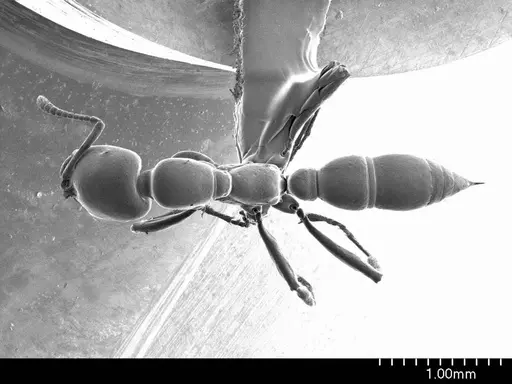
ANTWEB1008606
View on AntWeb
CASENT0102467
View on AntWeb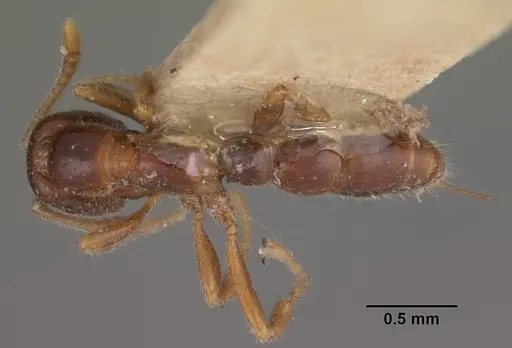
CASENT0172297
View on AntWeb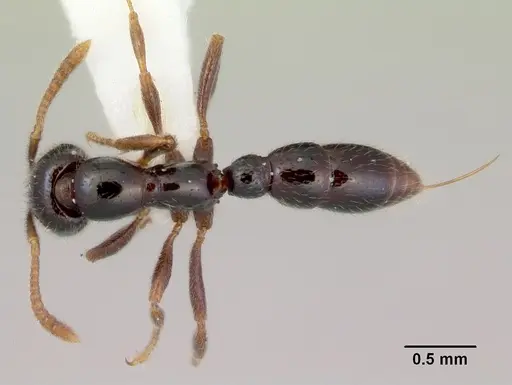
Literature
Loading distribution map...Loading products...