
Odontomachus rixosus
- Sci. Name
- Odontomachus rixosus
- Tribe
- Ponerini
- Subfamily
- Ponerinae
- Author
- Smith, 1857
- Distribution
- Found in 7 countries
Introduction
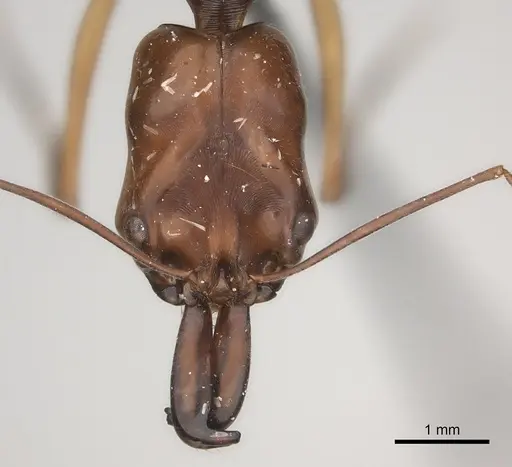
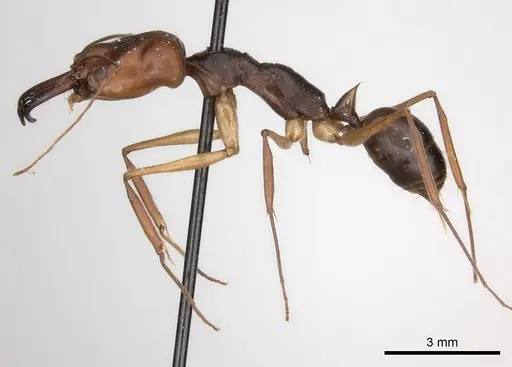
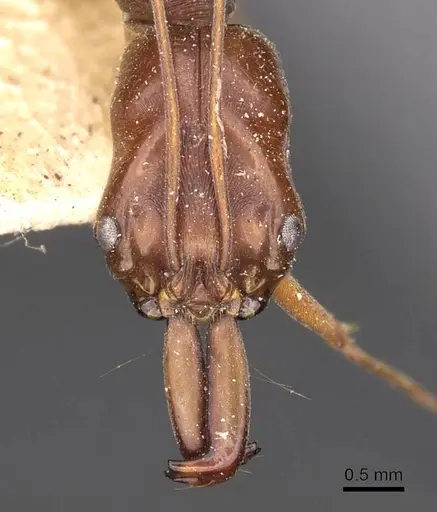
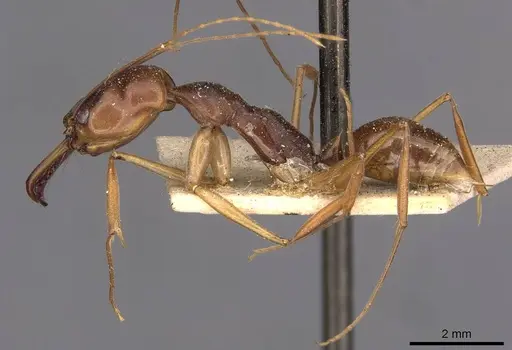
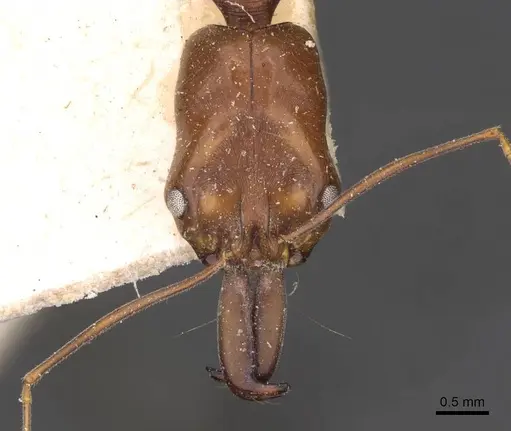
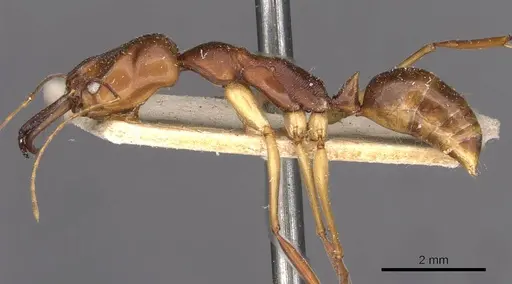
Odontomachus rixosus is a trap-jaw ant native to Southeast Asia, found across Myanmar, Thailand, Malaysia, Singapore, Indonesia, the Philippines, southern China, India, Laos, Vietnam, and Cambodia . Workers are up to 13 mm in total length with an orange-brown body and darker mesosoma and gaster . This species belongs to the rixosus species group and is recognized by its elongated, truncate subapical tooth on the mandible . Unlike many ants, O. rixosus forms polygynous colonies with multiple queens and has been documented nesting in association with Pheidole species in the wild .
Quick Summary
- Difficulty: Medium
- Origin & Habitat: Southeast Asian forests, including primary and secondary forests, plantations, and lowland areas [1][2][3]
- Colony Type: Polygynous, colonies contain multiple dealate queens working together, with documented averages of 26 queens and up to 142 workers [4][5][6]
- Size & Growth:
- Queen: size data unavailable, no total length measurements for queens in research context
- Worker: Up to 13 mm total length [1]
- Colony: Up to 142 workers documented [6][5]
- Growth: Moderate
- Development: 6-10 weeks (estimated based on typical Ponerinae development patterns) (Direct development data unavailable, estimates based on related species)
- Antkeeping:
- Temperature: Keep warm, roughly 24-28°C, based on tropical forest habitat
- Humidity: Keep substrate consistently moist but not waterlogged, based on nesting habits under leaf litter and in soil
- Diapause: No, tropical species does not require hibernation
- Nesting: Y-tong or plaster nests work well for this soil-nesting species. Provide a moisture source and keep nesting area humid. They prefer dark, enclosed spaces similar to their natural habitat [2]
- Behavior: These ants are active predators with trap-jaw mandibles used for hunting and defense. Workers are moderately aggressive and can deliver a painful sting. They are fast-moving and may flee when threatened. Escape prevention is important due to their medium size.
- Common Issues: high humidity needs can lead to mold if ventilation is poor, predatory diet requires live prey, cannot survive on sugar alone, polygynous colonies may have queen conflicts during establishment if space is limited, tropical species will decline if temperatures drop below 20°C, trap-jaw mandibles can snap shut on fingers during handling
Nest Preferences
In the wild, Odontomachus rixosus nests under leaf litter, in soil near the base of living trees, and under rotten logs and stumps [2]. For captive care, use Y-tong or plaster nests that hold moisture and create dark, enclosed environments. Keep the nest substrate consistently moist, similar to a damp forest floor. Provide a small water reservoir or moisture chamber to maintain humidity [2].
Feeding and Diet
Odontomachus rixosus is a specialist predator, primarily hunting small invertebrates [7]. In captivity, offer live prey such as fruit flies, small crickets, or mealworms 2-3 times per week. They may occasionally accept sugar water, but protein from live prey is essential [2]. Remove uneaten prey after 24 hours to prevent mold.
Temperature and Care
As a tropical species, keep the nest area warm, roughly 24-28°C, for optimal activity. Room temperature (20-24°C) is acceptable, but avoid below 20°C. Provide a gentle heat gradient using a heating cable on one side of the nest. Maintain high humidity by keeping the substrate moist. No hibernation is needed. [2]
Behavior and Temperament
Workers use trap-jaw mandibles to capture prey and defend the colony. They are moderately aggressive and will sting if threatened. In polygynous colonies, multiple queens coexist, contributing to faster growth [4][5]. They are primarily nocturnal, so expect peak activity during evening hours.
Colony Structure and Queen Care
Odontomachus rixosus has polygynous colonies with multiple dealate queens [4][5]. Studies show averages of 26 queens per colony with up to 142 workers [6]. Queens are accepted into existing colonies through adoption. For keepers, provide ample space to minimize aggression during establishment [4].
Frequently Asked Questions
How long does it take for Odontomachus rixosus to produce first workers?
Direct development data is not available, but based on typical Ponerinae patterns, expect 6-10 weeks from egg to first worker at optimal temperatures.
Can I keep multiple queens together?
Yes, this is their natural colony structure. Odontomachus rixosus is polygynous, so you can keep multiple queens together, but provide enough space to minimize aggression [4][5].
What do I feed Odontomachus rixosus?
They are predators that need live prey, such as fruit flies or small crickets [7][2].
Are Odontomachus rixosus good for beginners?
They are intermediate-level due to specific humidity and temperature needs, predatory diet, and sting risk.
Do they need hibernation?
No, as a tropical species, they do not require hibernation or diapause.
How big do colonies get?
Documented colonies reach up to 142 workers, with multiple queens contributing to growth [6][5].
What nest type is best for Odontomachus rixosus?
Y-tong or plaster nests work well, as they hold moisture and create a dark, humid environment [2].
Report an Issue
The current care sheet is based fully on literature. See inconsistencies, or something that's incorrect? Please , it will be resolved after review from an admin. Contributing to the blogs tab also helps providing information, to make us be able to further improve the caresheets. Thank you for your support!
References

This caresheet is licensed under CC BY-SA 4.0 .
Community Blogs
CASENT0217544
View on AntWeb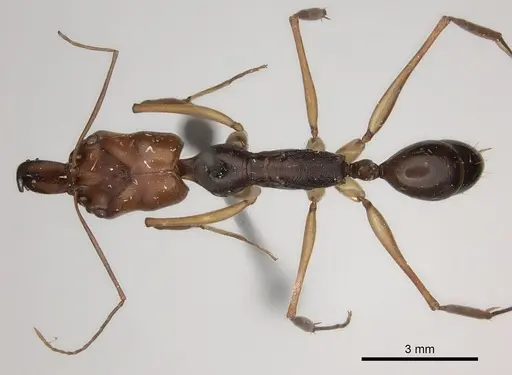
CASENT0270624
View on AntWeb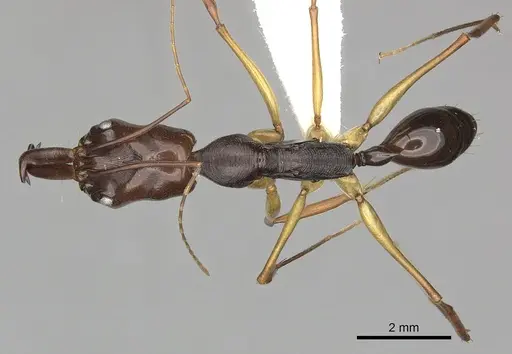
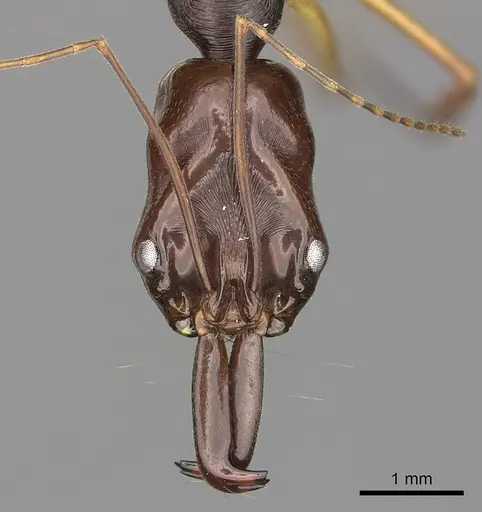
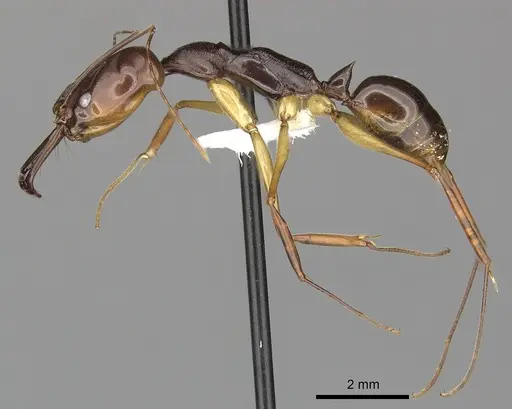
CASENT0634866
View on AntWeb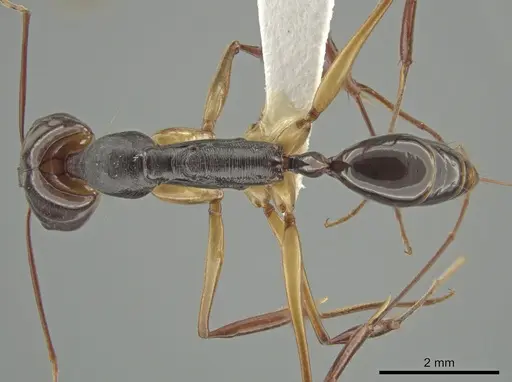
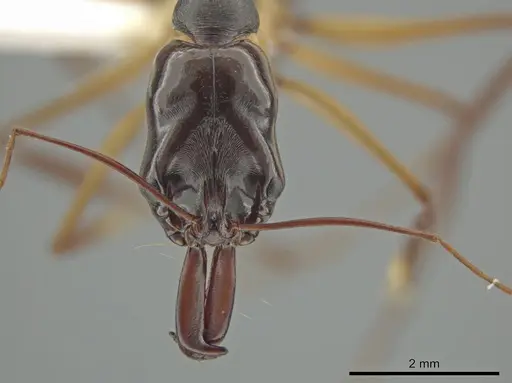
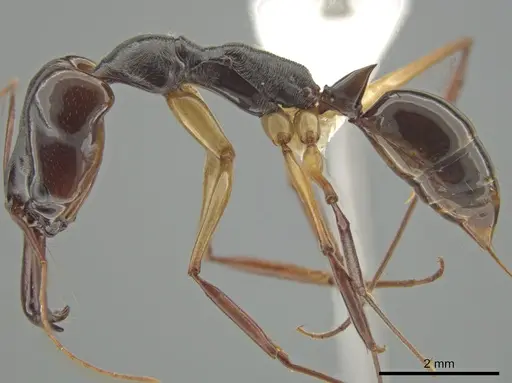
CASENT0900656
View on AntWeb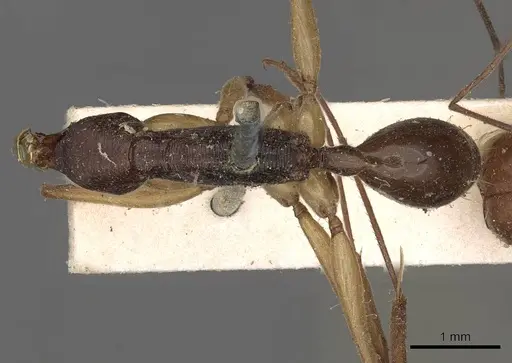
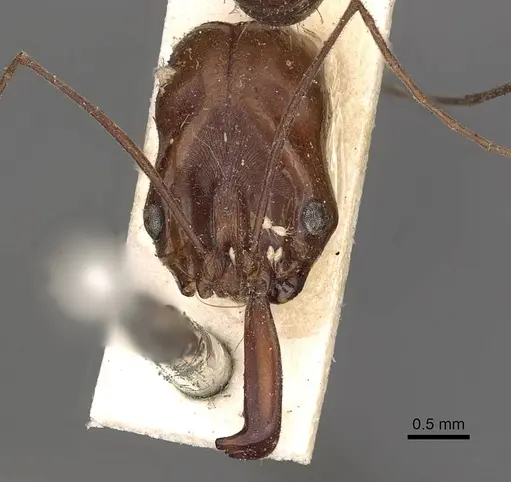
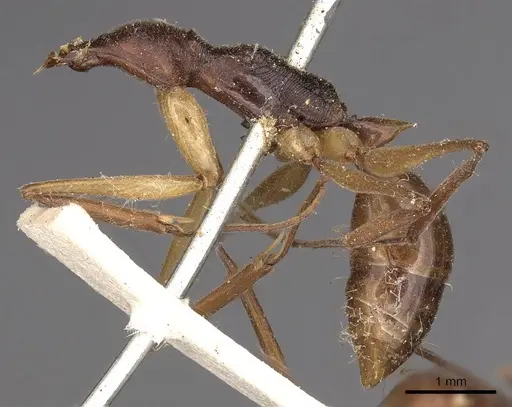
CASENT0907431
View on AntWeb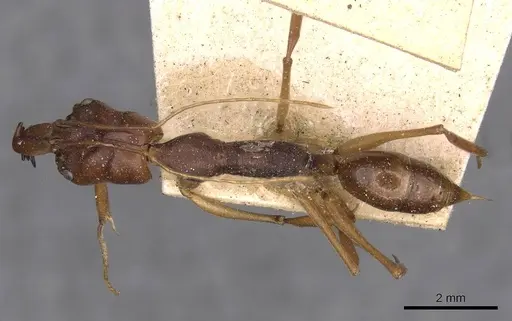
CASENT0907432
View on AntWeb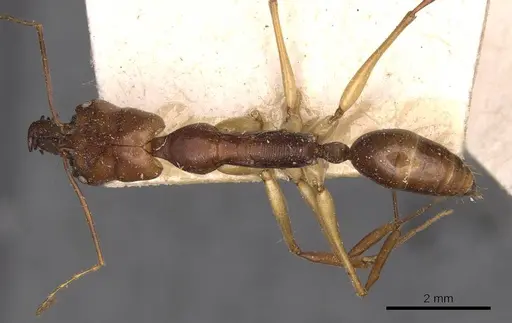
Literature
Loading distribution map...Loading products...