
Florida Scrub Trap-jaw Ant
Odontomachus relictus
- Sci. Name
- Odontomachus relictus
- Tribe
- Ponerini
- Subfamily
- Ponerinae
- Author
- Deyrup & Cover, 2004
- Common Name
- Florida Scrub Trap-jaw Ant
- Distribution
- Found in 1 countries
Introduction
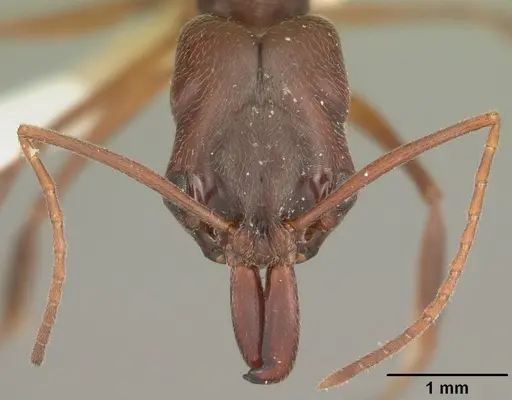
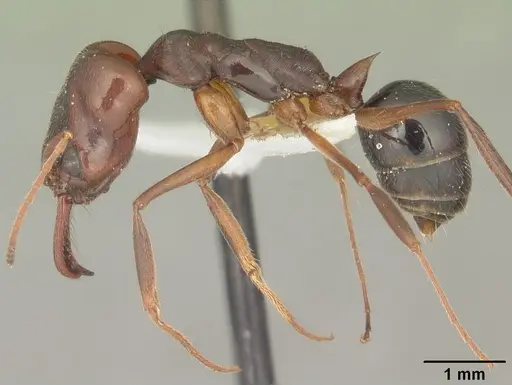
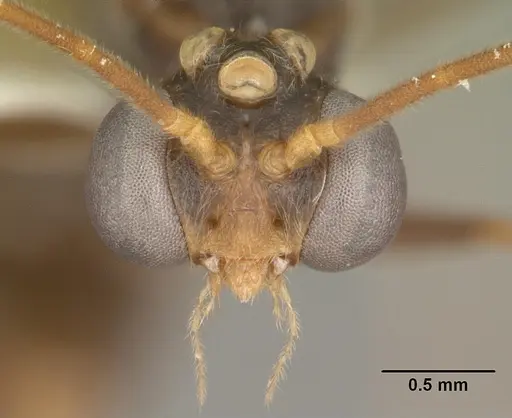
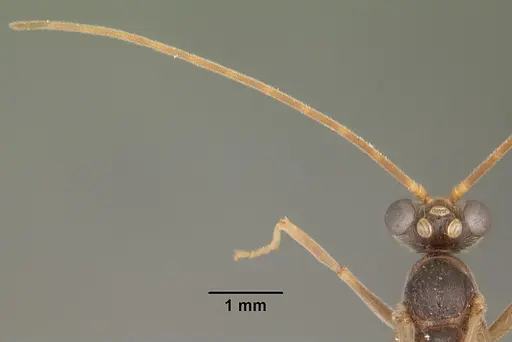
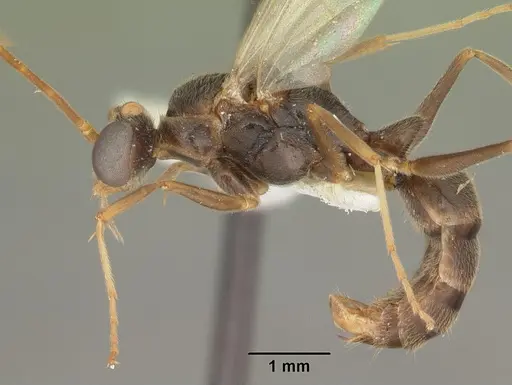
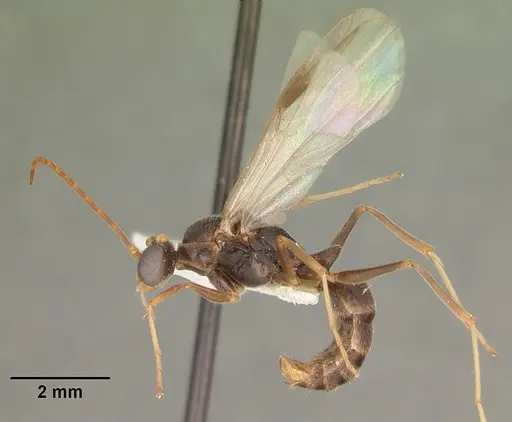
Odontomachus relictus is a small trap-jaw ant species endemic to Florida. Workers measure approximately 7.5 mm in total length, with queens reaching about 8.4 mm . They feature dark reddish-brown heads, antennae, mesosoma, and petiole, contrasting with a blackish-brown gaster and dark yellow legs . Distinctive identification marks include conspicuous striae on the basalar lobe, a smooth posterior petiole, and sparse short hairs on the first gastral tergite . This species survives in isolated pockets of Florida scrub and sandhill vegetation on ancient sand ridges like the Lake Wales Ridge, southern Brooksville Ridge, and Orlando Ridge . Unlike many surface-nesting ants, they build subterranean colonies deep in unconsolidated silica sand, marking entrances only with scattered sand pellets rather than mounds . A unique ecological trait is that the Florida ant Formica archboldi mimics their cuticular hydrocarbon profile to prey on them .
Quick Summary
- Difficulty: Medium
- Origin & Habitat: Endemic to Florida, USA. Found in xeric scrub and sandhill habitats on ancient sand ridges in south-central Florida [1][2]. These areas feature deep, unconsolidated silica sand with sparse vegetation including scattered pines and shrubs [1].
- Colony Type: Single-queen structure inferred from small wild nest sizes, though exact social organization remains unconfirmed.
- Size & Growth:
- Antkeeping:
- Temperature: Keep warm, roughly 24-28°C [1]. Provide a temperature gradient using a heating cable on one side.
- Humidity: Low to moderate. They inhabit dry sandhill environments. Keep the nest substrate dry to slightly moist, never waterlogged [1].
- Diapause: Unknown. Reduce temperatures slightly in winter but do not force a cold period [1].
- Nesting: Subterranean nester in deep silica sand. Use Y-tong or plaster nests with at least 5-10 cm of sand substrate to allow excavation [1].
- Behavior: Predatory trap-jaw ants. They use fast mandible snaps to capture prey and escape predators [4]. Workers are not aggressive toward keepers but will deliver a painful sting if threatened. Escape risk is moderate due to small size, use standard barriers [1].
- Common Issues: overwatering causes mold in dry-adapted colonies, small colony size requires patience and careful feeding, wild populations are protected by conservation programs on private and state lands, trap-jaw mechanism can snap at handlers if provoked
Housing and Nest Setup
Odontomachus relictus nests deep in sand, so you need a setup that allows excavation while maintaining dry conditions. A naturalistic setup with deep silica sand (at least 5-10 cm) works best [1]. You can also use a Y-tong or plaster nest filled with sandy substrate. The key is providing enough depth for them to create tunnels and chambers while ensuring good drainage. Avoid wet or overly humid conditions that can cause mold in the nest [1].
Feeding and Diet
Like all trap-jaw ants in the genus Odontomachus, O. relictus hunts live prey [4]. In captivity, offer small live prey such as fruit flies, pinhead crickets, and small mealworms. They have powerful mandibles designed for capturing and crushing prey. Feed protein prey 2-3 times per week, and always remove uneaten prey to prevent mold. Sugar sources like honey water may be accepted occasionally, but these ants are primarily predatory [1]. Interestingly, the Florida ant Formica archboldi mimics their cuticular hydrocarbon profile to prey on them [3].
Temperature and Seasonal Care
As a Florida endemic from warm scrub and sandhill habitats, O. relictus requires warm temperatures to thrive [1]. Keep the nest area at 24-28°C for optimal activity and brood development. A small heating cable placed on one side of the nest creates a temperature gradient that allows the ants to regulate their own temperature. During winter, you can reduce temperatures slightly to simulate their natural seasonal cycle, but avoid cold temperatures below 15°C [1].
Behavior and Defense
The most notable aspect of Odontomachus relictus is their trap-jaw mechanism. Their mandibles snap shut at extremely high speeds to capture prey and escape predators [4]. They also possess a highly functional stinger typical of Ponerinae ants. In captivity, they are not particularly aggressive toward keepers but will defend if provoked. Males have been observed to be active around moonlit nights, which may indicate evening flight activity in the wild [1].
Colony Founding and Growth
Colony founding for O. relictus is unconfirmed. Based on field observations, wild colonies remain relatively small with only a few dozen workers [1]. This suggests moderate growth rates compared to faster-growing species. Colonies are likely monogyne, meaning they have a single queen. The species is closely related to Odontomachus brunneus, another Florida trap-jaw ant [5]. In captivity, patience is key, expect slow but steady growth over the first year as the colony establishes itself.
Frequently Asked Questions
How long does it take for Odontomachus relictus to produce first workers?
Based on related Odontomachus species, expect 6-10 weeks from egg to first worker at optimal temperature (24-28°C). This is typical for Ponerinae ants and reflects their moderate development speed.
Can I keep Odontomachus relictus in a test tube setup?
Test tubes can work for founding colonies, but these ants are subterranean sand-nesters. A naturalistic setup with deep sand or a Y-tong nest with sandy chambers is more appropriate for established colonies.
What do Odontomachus relictus eat?
They are predatory ants that hunt live prey. Feed small live insects like fruit flies, pinhead crickets, and small mealworms. They may occasionally accept sugar water but primarily need protein from live prey. Note that the Florida ant Formica archboldi mimics their chemical profile to prey on them [3].
Are Odontomachus relictus good for beginners?
They are rated as medium difficulty. Their small colony sizes, specific habitat requirements (dry sand), and slower growth make them better suited for antkeepers with some experience. They are not as forgiving as more common species.
How big do Odontomachus relictus colonies get?
Based on field observations, wild colonies remain relatively small, up to a few dozen workers [1]. They are not large colony species like some Formicinae. Expect modest colony sizes even in captivity.
Do they need hibernation?
True diapause has not been documented for this Florida species. Reduce temperatures to 18-20°C during winter months rather than full hibernation. They are adapted to year-round warmth in their native habitat.
When do Odontomachus relictus have nuptial flights?
Not directly documented, but males have been captured around moonlit nights suggesting evening flight activity [1]. Based on Florida climate, nuptial flights likely occur during warm summer months.
Why are my O. relictus dying?
Common causes include: overwatering (they need dry conditions), temperatures too cold (keep above 24°C), mold from uneaten prey, or stress from wild-caught colonies. Check that the substrate is draining well and remove uneaten food promptly.
Report an Issue
The current care sheet is based fully on literature. See inconsistencies, or something that's incorrect? Please , it will be resolved after review from an admin. Contributing to the blogs tab also helps providing information, to make us be able to further improve the caresheets. Thank you for your support!
References

This caresheet is licensed under CC BY-SA 4.0 .
Community Blogs
CASENT0104172
View on AntWeb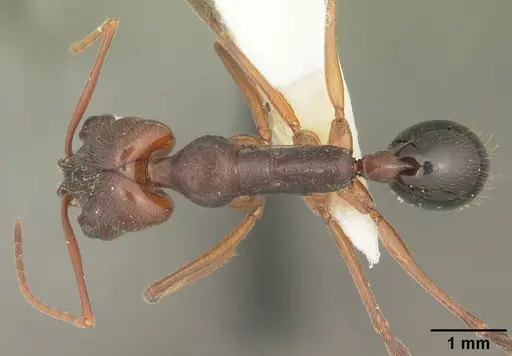
CASENT0104175
View on AntWeb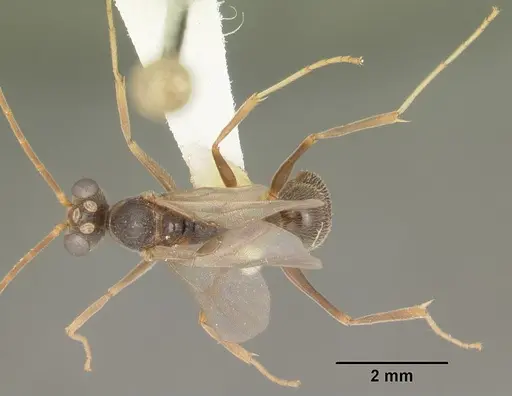
Literature
Loading distribution map...Loading products...