
Odontomachus opaculus
- Sci. Name
- Odontomachus opaculus
- Tribe
- Ponerini
- Subfamily
- Ponerinae
- Author
- Viehmeyer, 1912
- Distribution
- Found in 2 countries
Introduction
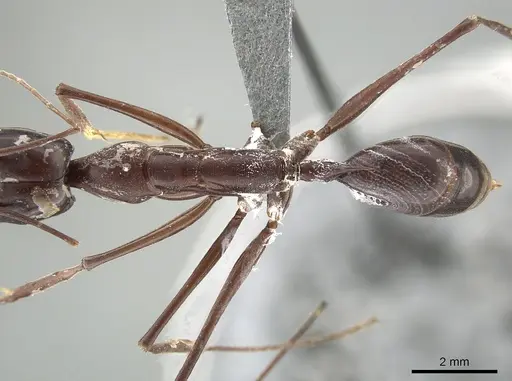
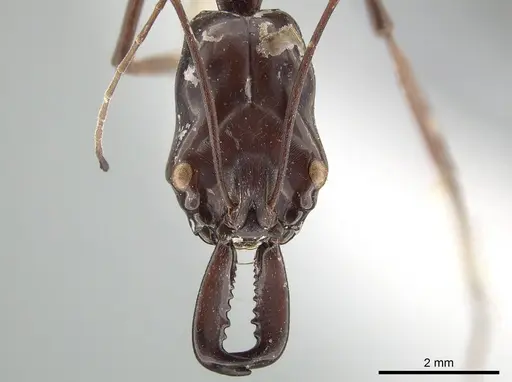
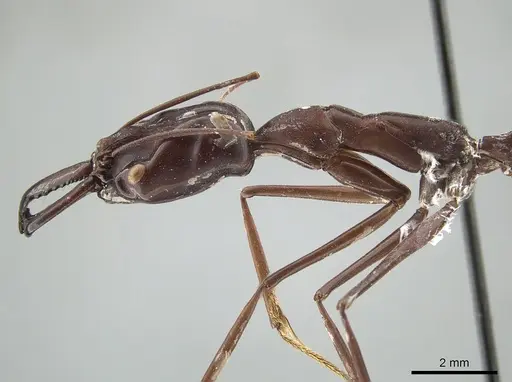
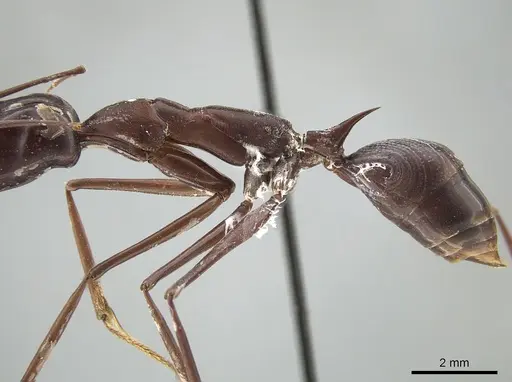
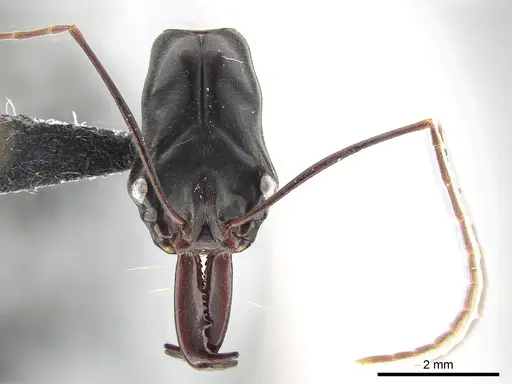
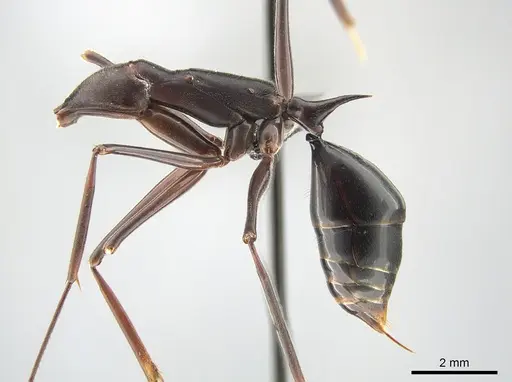
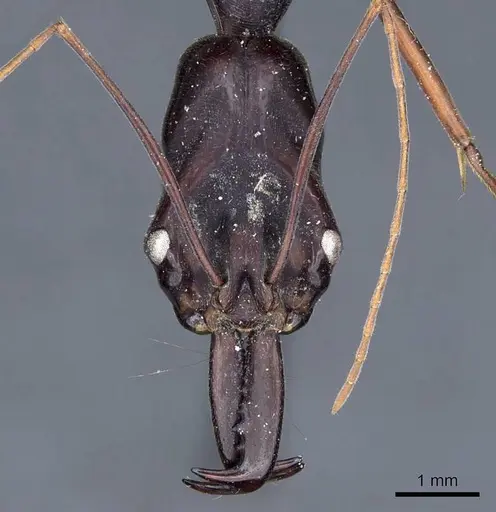
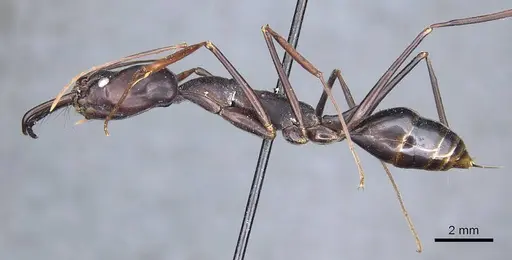
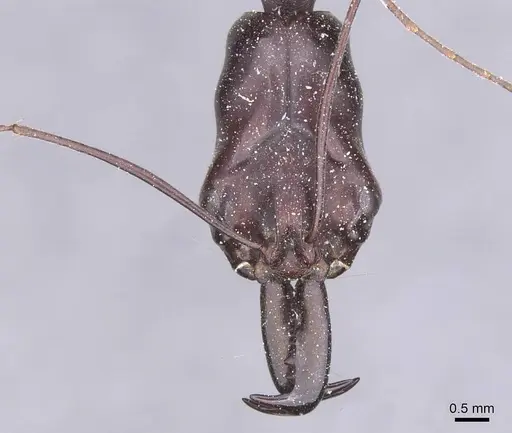
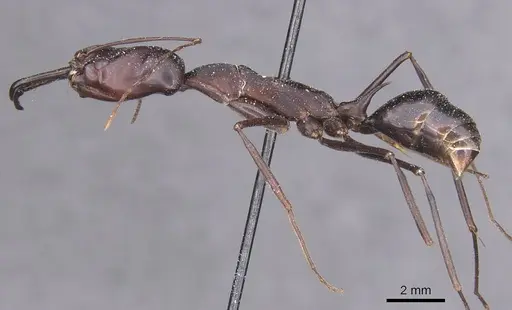
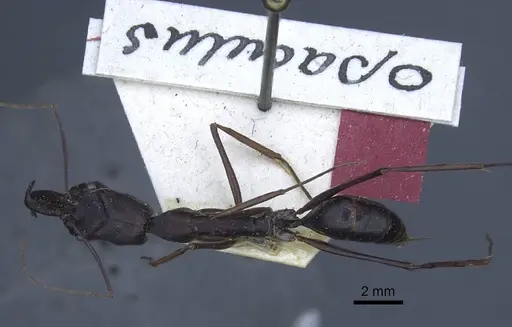
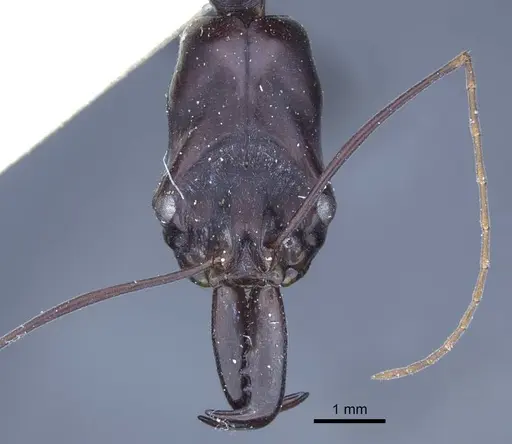
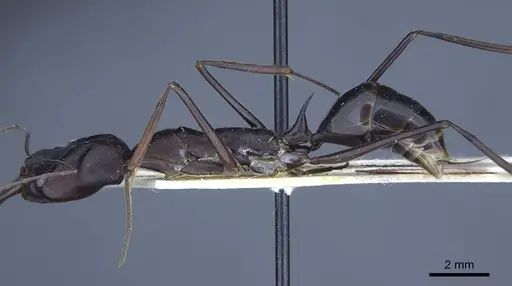
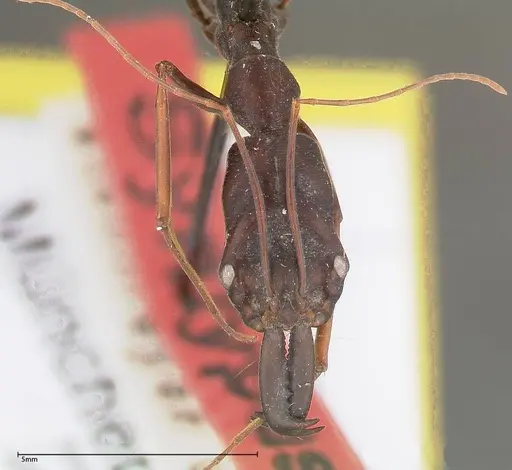
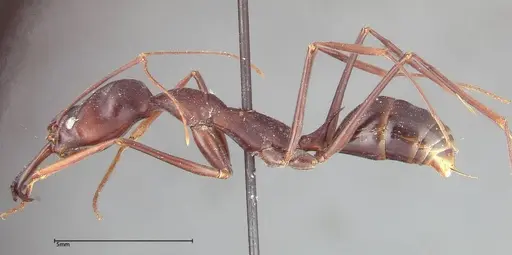
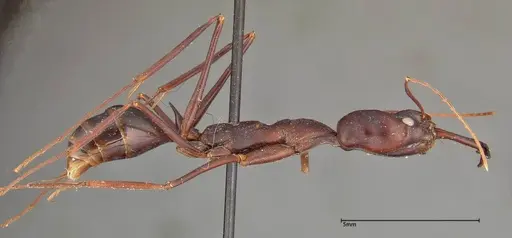
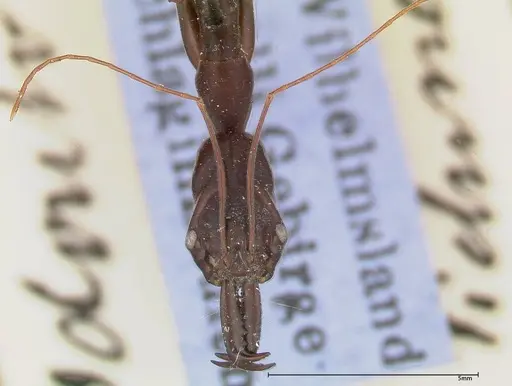
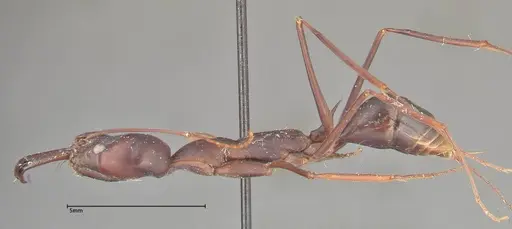
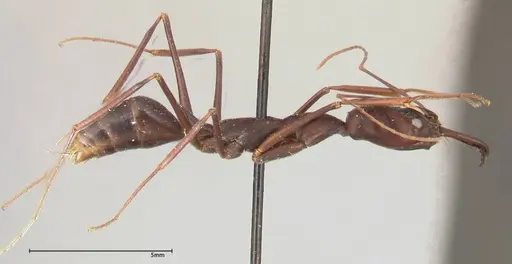
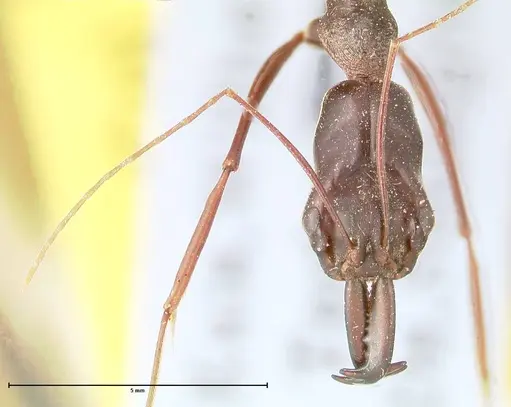
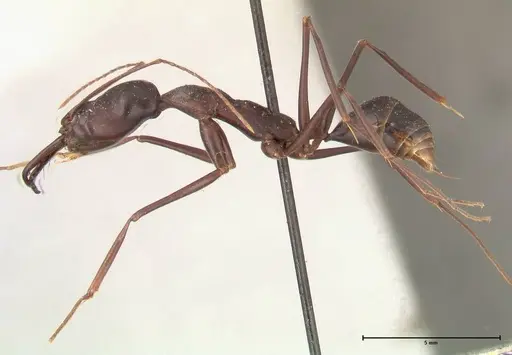
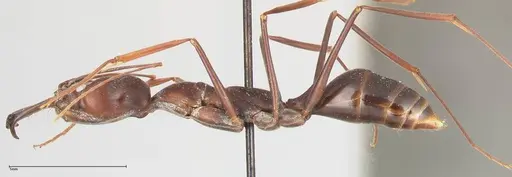
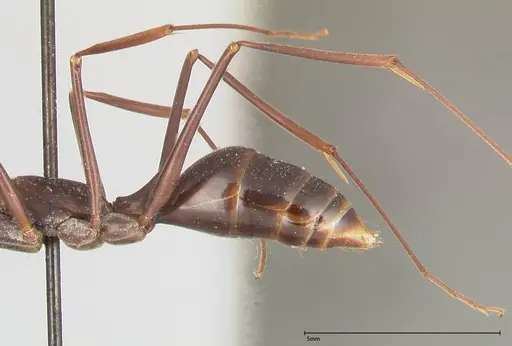
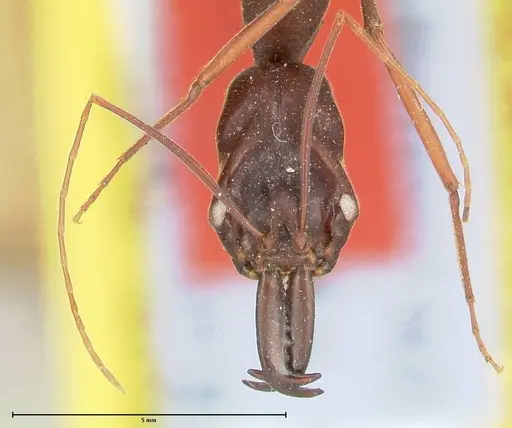
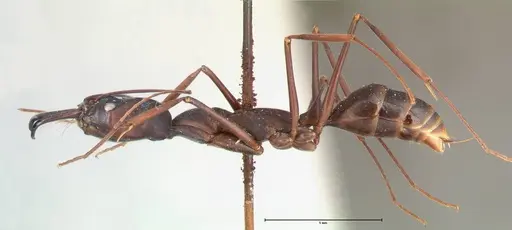
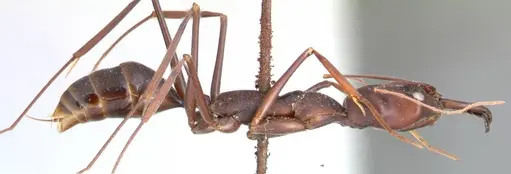
Odontomachus opaculus is a trap-jaw ant species found in New Guinea, including Papua New Guinea and Indonesian Irian Jaya . Workers are typical of the genus with large mandibles that snap shut rapidly for hunting, a characteristic of trap-jaw ants . This species belongs to the Odontomachus saevissimus species group . The original description dates to 1912 when it was named as a subspecies of Odontomachus imperator, but it was raised to full species status in 1959 . Size data is unavailable from literature, but workers are inferred to be around 8-12 mm based on Odontomachus genus patterns. These ants inhabit tropical forests of New Guinea, nesting in the forest floor. As predatory trap-jaw ants, they use their mandibles to capture prey, and the genus is known for hunting behaviors .
Quick Summary
- Difficulty: Medium
- Origin & Habitat: New Guinea region, including Papua New Guinea and Irian Jaya, Indonesia, at elevations around 640m in the Torricelli Mountains, inhabiting tropical forest floor [1][2].
- Colony Type: Unconfirmed, no specific data on queen number or social structure.
- Size & Growth:
- Queen: Size data unavailable, no total length measurements in literature. Inferred from Odontomachus genus: queens typically larger than workers.
- Worker: Size data unavailable, no total length measurements in literature. Inferred from Odontomachus genus: workers typically 8-12 mm.
- Colony: Up to several hundred workers, estimated from genus patterns.
- Growth: Moderate, typical for tropical Ponerinae.
- Development: Estimated 6-10 weeks at tropical temperatures. (Development time inferred from related species, warmer temperatures accelerate development.)
- Antkeeping:
- Temperature: Keep warm, roughly 24-28°C, based on tropical habitat.
- Humidity: Keep nest substrate consistently moist but not waterlogged, mimicking tropical forest floor.
- Diapause: No, tropical species do not hibernate.
- Nesting: Prefer dark, humid nest chambers in Y-tong, plaster, or soil nests [3].
- Behavior: Trap-jaw ants are active predators with powerful mandibles. Workers are aggressive and can sting, which is painful. Escape prevention is important due to their agility.
- Common Issues: mold can develop in high humidity nests, ensure adequate ventilation, failure to provide live prey can lead to colony decline, sting is painful, handle with caution, founding phase may be slow, queens can take months to produce first workers, escape risk due to agility, secure all gaps
Housing and Setup
You can use Y-tong, plaster, or naturalistic soil nests for Odontomachus opaculus. These nests should maintain high humidity and dark conditions, which these ants prefer [3]. Connect an outworld for foraging via tubing, and use a water test tube for hydration. Escape prevention is critical, apply fluon to rims and secure all connections, as these ants are strong and will find gaps [3].
Feeding and Diet
You should feed live small insects like crickets, mealworms, and fruit flies, as these ants are predatory [3]. Offer protein prey 2-3 times per week and provide sugar water or honey constantly. Remove uneaten prey after 24-48 hours to prevent mold.
Temperature and Seasonal Care
Keep temperatures warm, around 24-28°C, to mimic their tropical habitat. Use a heating cable on one side of the nest to create a gradient, allowing workers to self-regulate. There is no hibernation requirement for this species.
Behavior and Defense
Workers use their trap-jaw mandibles to capture prey and defend the colony. They can sting, which is painful, based on subfamily Ponerinae defense mechanisms. They are primarily nocturnal foragers, so expect activity in evening hours.
Colony Founding
Colony founding behavior is unconfirmed for this species. If you obtain a queen, provide complete darkness and stable humidity, and do not disturb her. Wait until workers appear before offering food.
Frequently Asked Questions
How long does it take for Odontomachus opaculus to produce first workers?
Based on inferred genus patterns, expect 6-10 weeks from egg to first worker at optimal temperatures. The founding queen will raise the first brood alone, so be patient and avoid disturbance.
Do Odontomachus opaculus ants sting?
Yes, they can sting, and the sting is painful, similar to a bee sting, based on subfamily Ponerinae defense. Handle with caution and avoid disturbing the colony.
What do I feed Odontomachus opaculus?
Feed live small insects like crickets, mealworms, and fruit flies [3]. Offer protein prey 2-3 times per week and provide sugar water or honey. Remove uneaten prey after 24-48 hours.
Can I keep multiple queens together?
This has not been documented for this species. Based on unconfirmed colony type, single-queen colonies are likely, but combining queens is not recommended without evidence.
Do they need hibernation?
No, these are tropical ants from New Guinea and do not hibernate. Keep them warm year-round.
What humidity level do they need?
Keep the nest substrate consistently moist but not waterlogged, mimicking tropical forest floor. A water tube for drinking is also important.
Are Odontomachus opaculus good for beginners?
They are considered medium difficulty due to specific care needs like high humidity, warmth, and live prey. Beginners may want to start with more forgiving species.
How big do colonies get?
Colonies likely reach up to several hundred workers, estimated from genus patterns. Growth is moderate.
When should I move them to a formicarium?
Keep founding colonies in a simple setup until you see 10-20 workers. Moving too early stresses the colony. Once established, move to a proper nest.
Why are my ants dying during founding?
Common causes include disturbance, too dry conditions, temperatures below 24°C, or mold from overwatering. Ensure dark, humid, warm conditions and avoid disturbance.
Report an Issue
The current care sheet is based fully on literature. See inconsistencies, or something that's incorrect? Please , it will be resolved after review from an admin. Contributing to the blogs tab also helps providing information, to make us be able to further improve the caresheets. Thank you for your support!
References

This caresheet is licensed under CC BY-SA 4.0 .
Community Blogs
CASENT0270622
View on AntWeb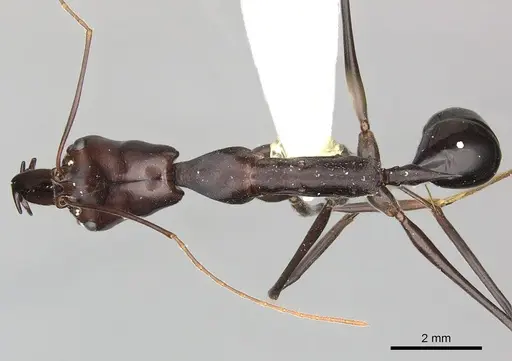
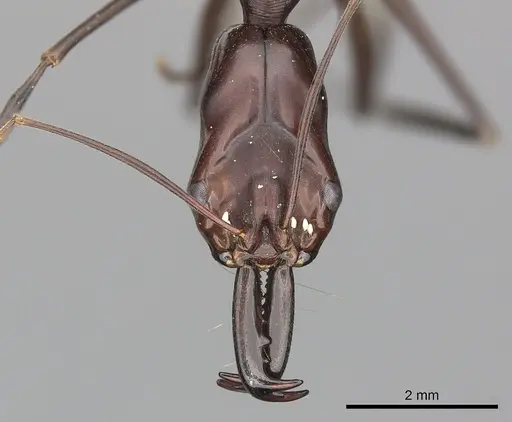
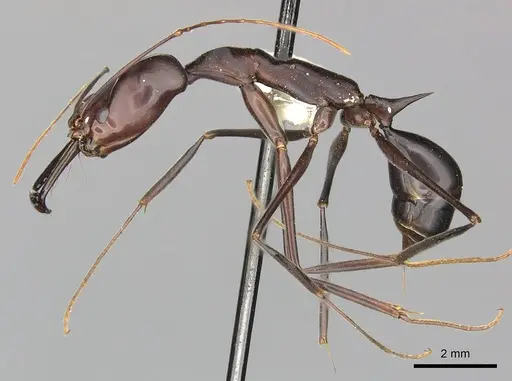
CASENT0650187
View on AntWeb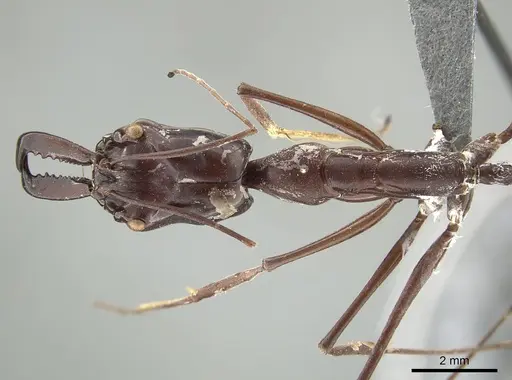
CASENT0650352
View on AntWeb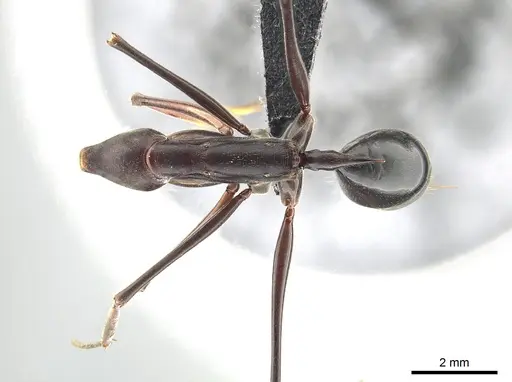
CASENT0905745
View on AntWeb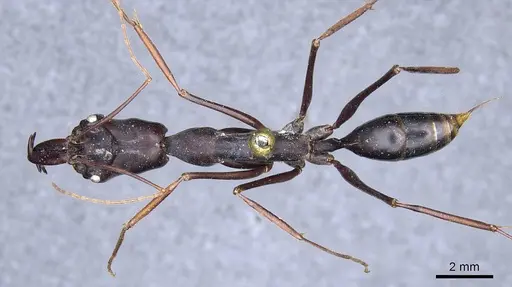
CASENT0915244
View on AntWeb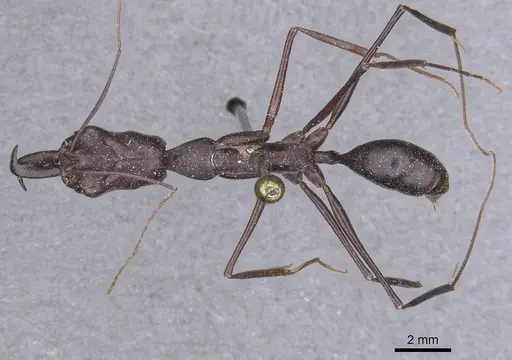
CASENT0916849
View on AntWeb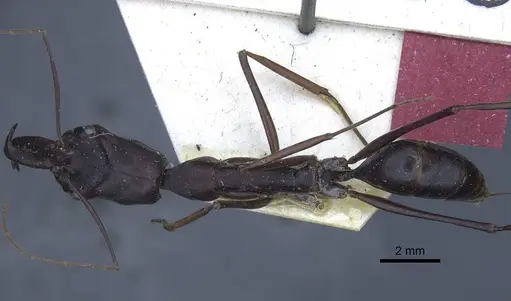
FOCOL0324
View on AntWeb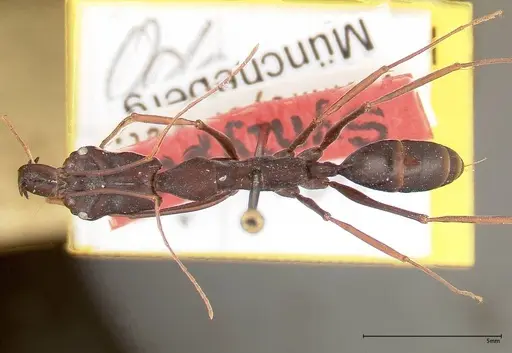
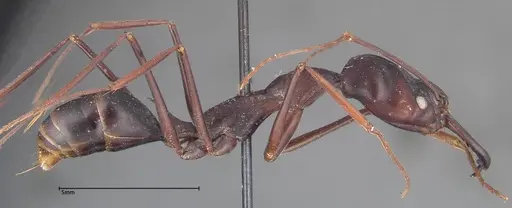
FOCOL0325
View on AntWeb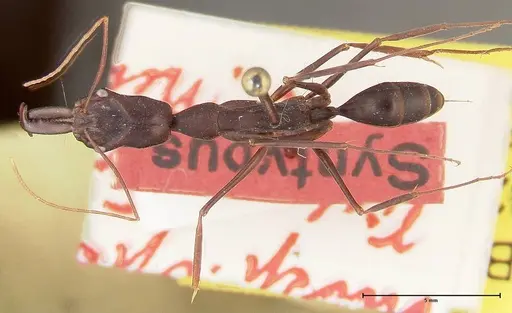
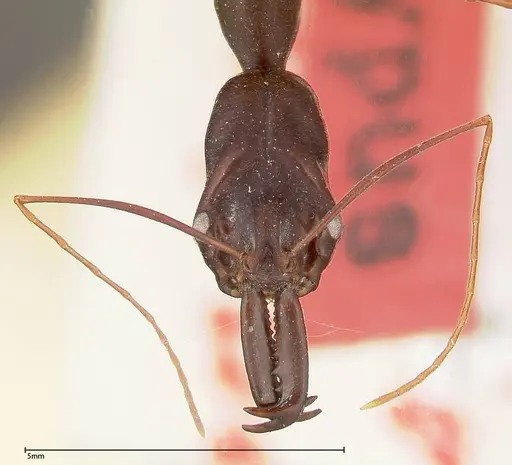
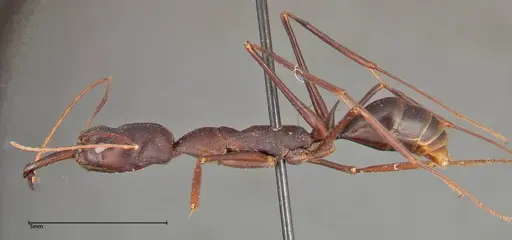
FOCOL0326
View on AntWeb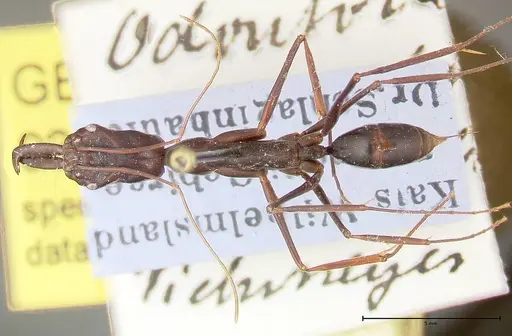
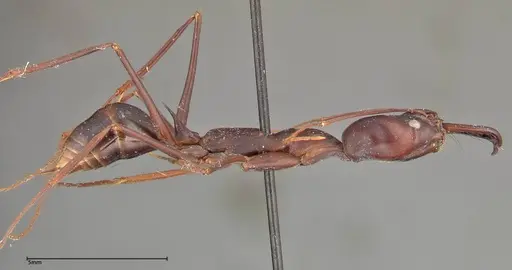
FOCOL0407
View on AntWeb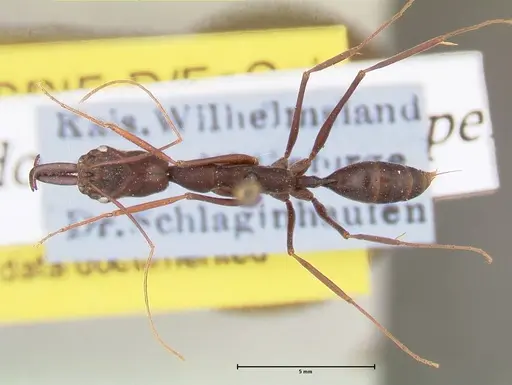
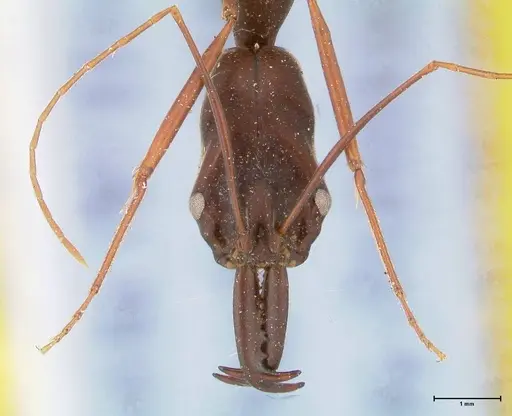
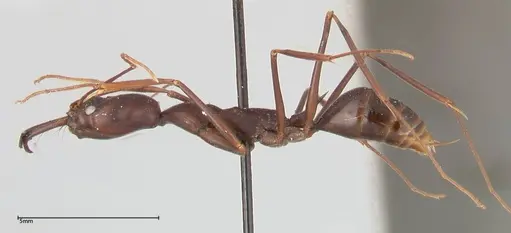
FOCOL0408
View on AntWeb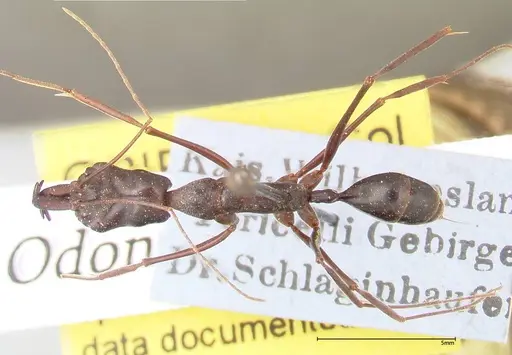
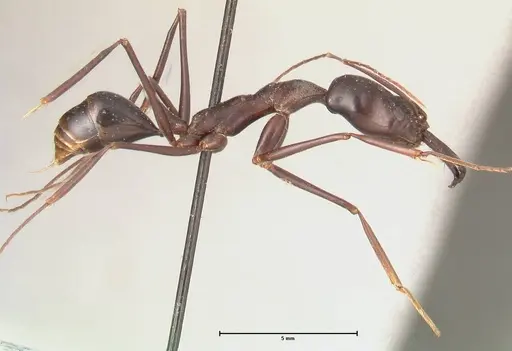
FOCOL0409
View on AntWeb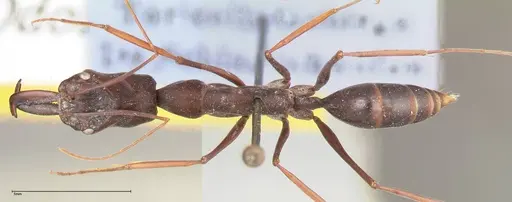
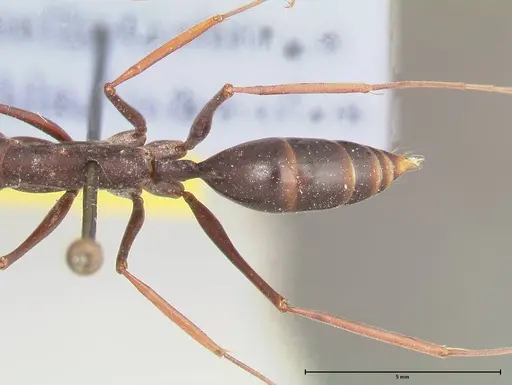
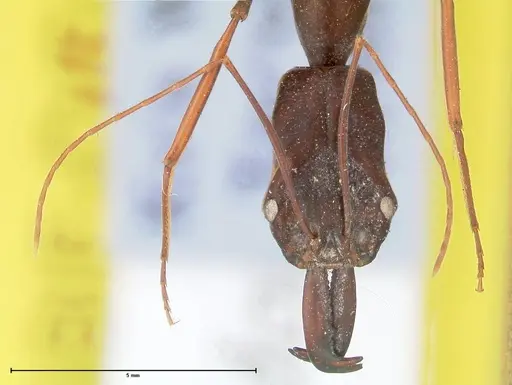
FOCOL0410
View on AntWeb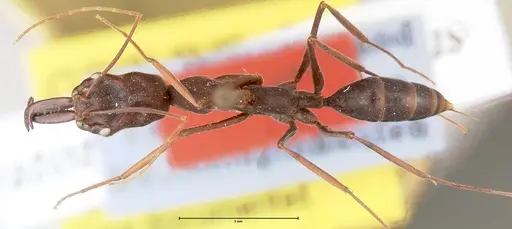
Literature
Loading distribution map...Loading products...