
Odontomachus infandus
- Sci. Name
- Odontomachus infandus
- Tribe
- Ponerini
- Subfamily
- Ponerinae
- Author
- Smith, 1858
- Distribution
- Found in 2 countries
Introduction
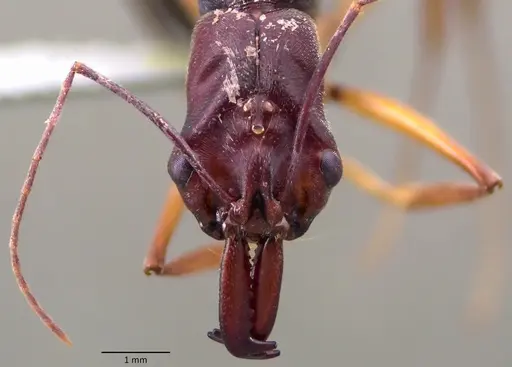
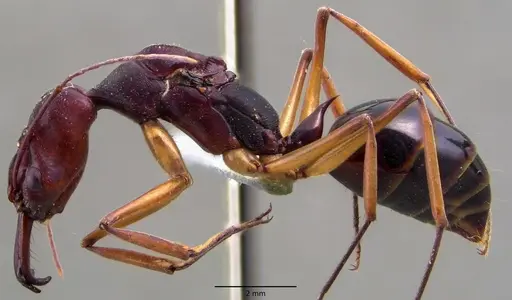
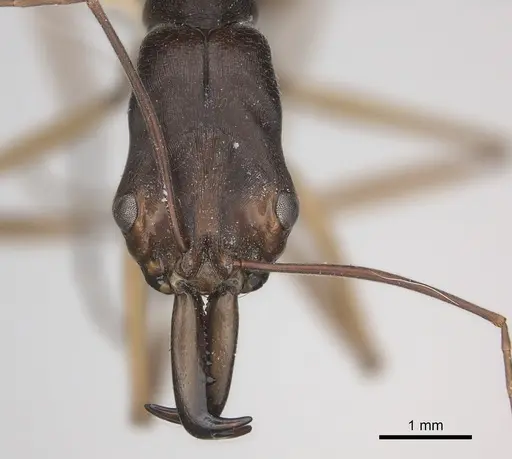
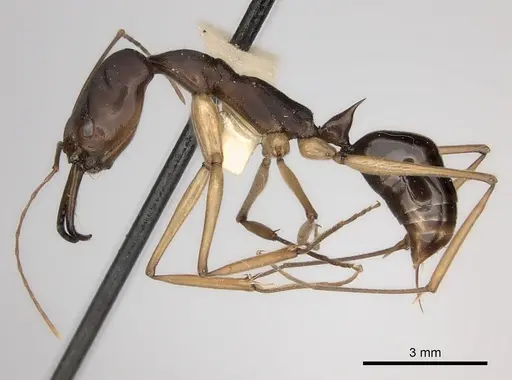
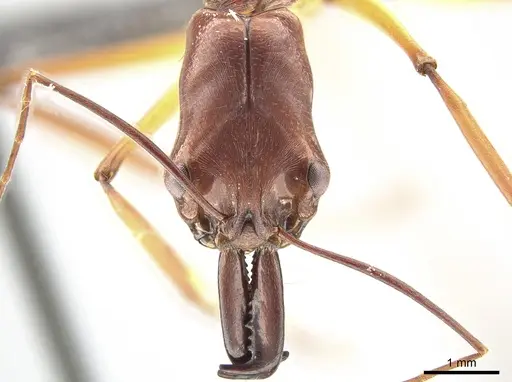
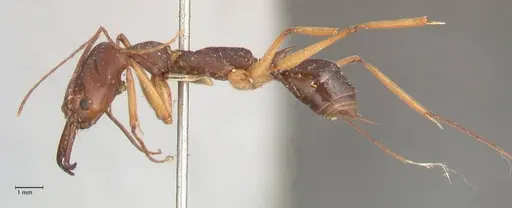
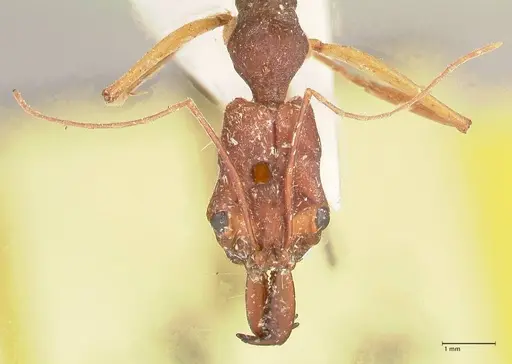
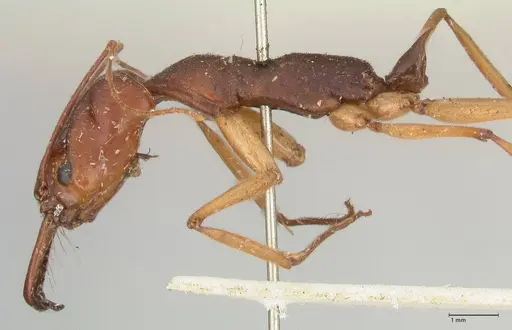
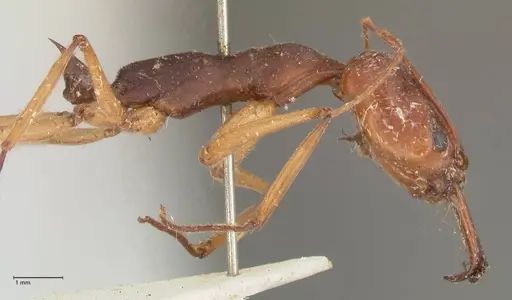
Odontomachus infandus is a trap-jaw ant endemic to the Philippines, found on Luzon and Mindoro islands. Workers can reach up to 16.57 mm in total length, and queens up to 16.13 mm . They have a dark coloration with a lighter head and striated patterns on the head and pronotum . This species inhabits forest habitats from lowland dipterocarp to secondary pine forests, requiring humidity and shade . They are predatory ants that use their powerful mandibles to capture prey and can deliver a painful sting with venom measured at an LD50 of 33 mg/kg .
Quick Summary
- Difficulty: Medium
- Origin & Habitat: Endemic to the Philippines, found on Luzon and Mindoro in shaded, humid forest habitats [1].
- Colony Type: Colony structure is unconfirmed, but based on Odontomachus patterns, likely monogyne (single queen).
- Size & Growth:
- Antkeeping:
- Temperature: Keep warm, roughly 24-28°C, based on tropical habitat.
- Humidity: Keep nest substrate consistently moist but not waterlogged, as humidity is a main requirement in their natural habitat [1].
- Diapause: No, tropical species do not require hibernation.
- Nesting: Use Y-tong or plaster nests that retain moisture, connected to an outworld for foraging.
- Behavior: Trap-jaw ants are active predators that hunt insects using their snap-jaw mandibles. They can deliver a painful sting if threatened, with venom LD50 of 33 mg/kg [2]. They are moderate escape artists due to their size.
- Common Issues: mold can develop if humidity is too high and ventilation poor, balance airflow carefully., their powerful mandibles can snap through cotton plugs, use secure barriers like fluon., they need live prey regularly, sugar water alone is insufficient [1]., temperature drops below 22°C can be harmful, keep them warm., wild-caught colonies may have parasites, quarantine if possible.
Housing and Nest Setup
Odontomachus infandus needs housing that retains moisture. Use Y-tong (AAC) or plaster nests, as these materials hold humidity which is critical for this species [1]. Connect the nest to an outworld for foraging. Ensure nest chambers are sized for their large workers, with passages wide enough for movement but not excessively large. Escape prevention is important, use fluon barriers on the rim of the outworld.
Feeding and Diet
As predatory trap-jaw ants, they need a protein-rich diet of live insects. Offer small prey like fruit flies, crickets, or mealworms [1]. They use their powerful mandibles to capture prey. Sugar water can be offered occasionally, but live prey is essential [1].
Temperature and Humidity
These are tropical ants, so keep temperatures warm, roughly 24-28°C. Humidity is a main requirement in their natural habitat, keep the nest substrate consistently moist but not waterlogged [1].
Behavior and Defense
Workers are active hunters that use trap-jaw mandibles to capture prey. They can sting if threatened, with venom LD50 of 33 mg/kg [2]. They are not typically aggressive but will defend themselves. Workers are ground-dwelling and forage in the outworld.
Colony Development
Founding behavior is unconfirmed. Colony growth is moderate, but specific development timelines are unknown. Maintain warm conditions year-round to support brood development.
Frequently Asked Questions
How long does it take for first workers to emerge in Odontomachus infandus?
The exact timeline is unknown, but based on tropical species, it may take several weeks to months.
What do I feed Odontomachus infandus?
They are predatory and need live insects as primary food, such as fruit flies or crickets [1].
What temperature do they need?
Keep them warm, roughly 24-28°C, as they are tropical ants.
Are they good for beginners?
This is a medium-difficulty species due to humidity and prey requirements.
How big do colonies get?
Colony size is unknown, no specific data available.
Do they need hibernation?
No, as a tropical species, they do not require hibernation.
Can I keep multiple queens together?
This is not recommended, as colony structure is unconfirmed and may lead to fighting.
What size formicarium do they need?
Use nests with chambers sized for their large workers, connected to an outworld.
Why are my ants dying?
Common causes include low humidity, temperature drops below 22°C, lack of live prey, or mold from poor ventilation.
Report an Issue
The current care sheet is based fully on literature. See inconsistencies, or something that's incorrect? Please , it will be resolved after review from an admin. Contributing to the blogs tab also helps providing information, to make us be able to further improve the caresheets. Thank you for your support!
References

This caresheet is licensed under CC BY-SA 4.0 .
Community Blogs
ANTWEB1060139
View on AntWeb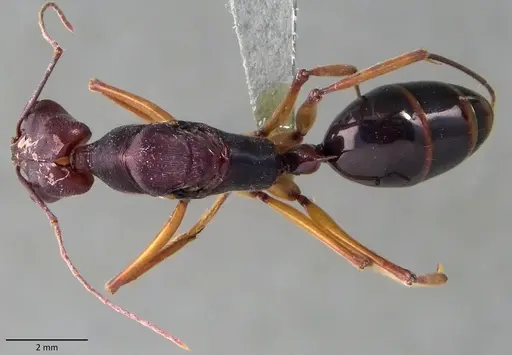
CASENT0217540
View on AntWeb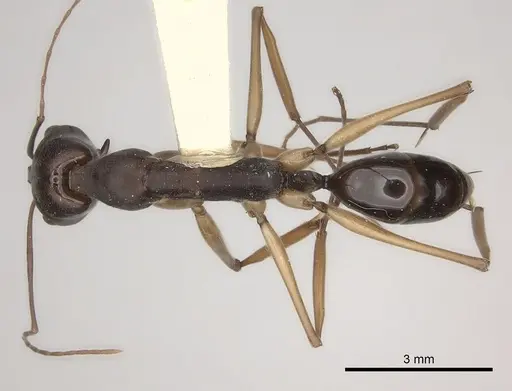
CASENT0650353
View on AntWeb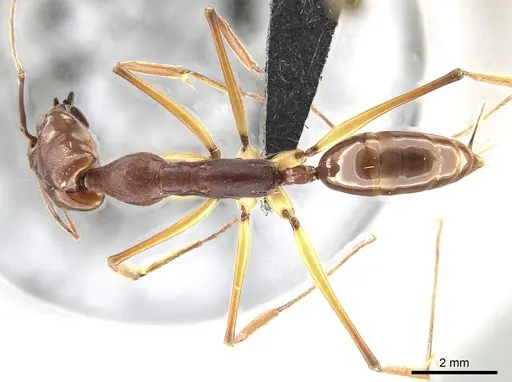
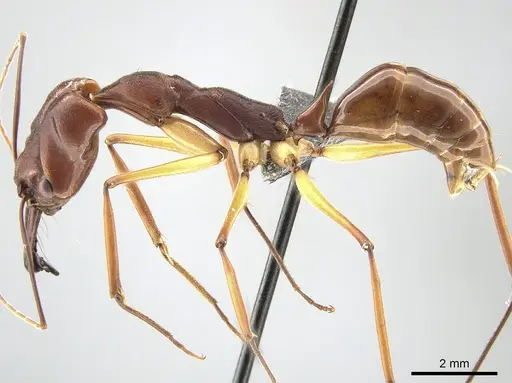
CASENT0900652
View on AntWeb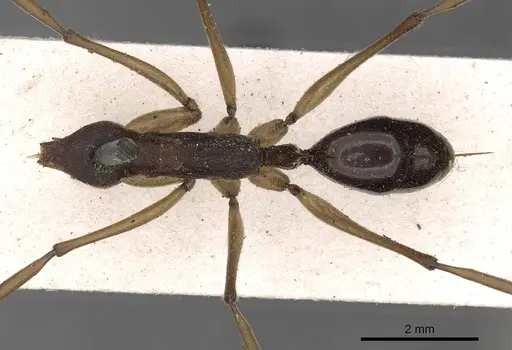
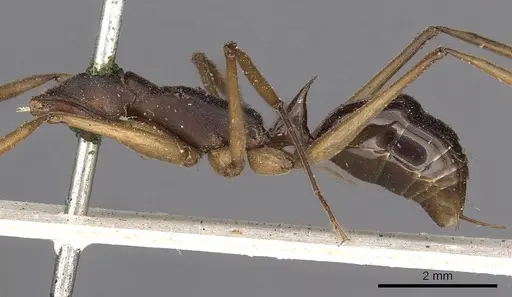
CASENT0923414
View on AntWeb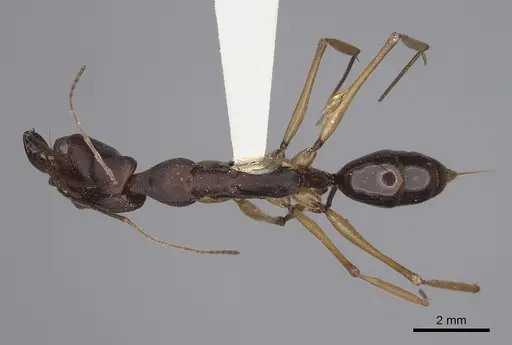
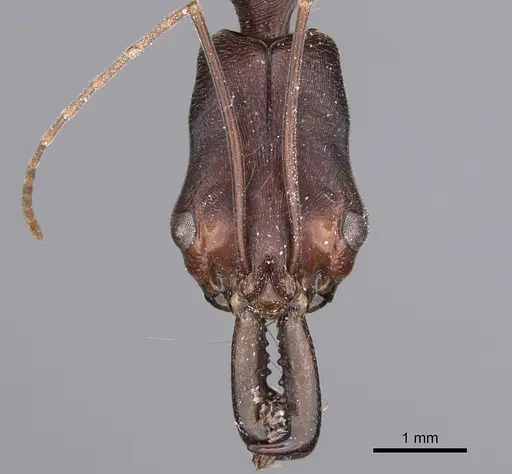
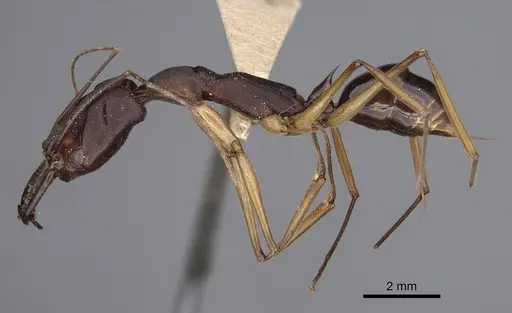
FOCOL1062
View on AntWeb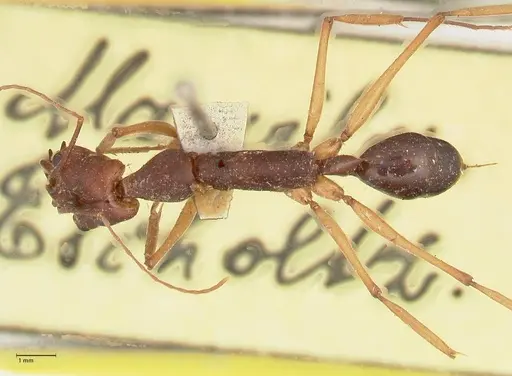
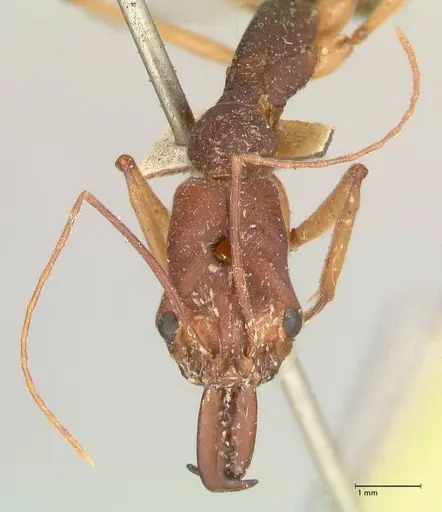
FOCOL1063
View on AntWeb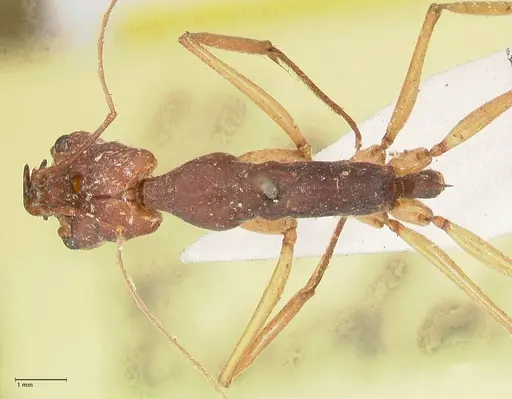
Literature
Loading distribution map...Loading products...