
Odontomachus imperator
- Sci. Name
- Odontomachus imperator
- Tribe
- Ponerini
- Subfamily
- Ponerinae
- Author
- Emery, 1887
- Distribution
- Found in 2 countries
Introduction
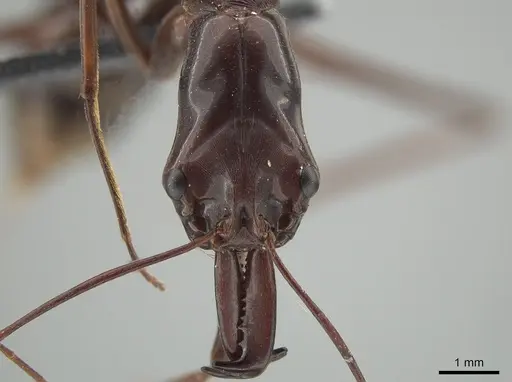
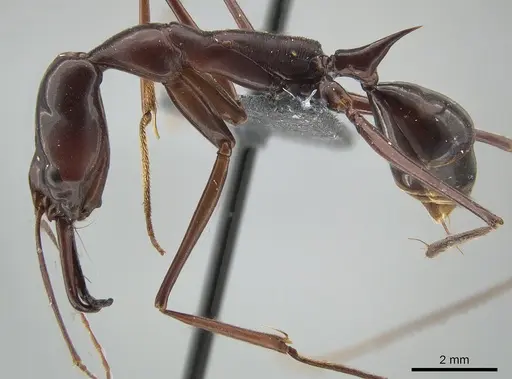
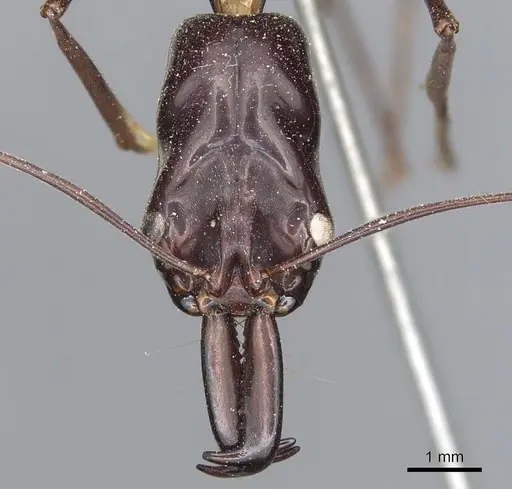
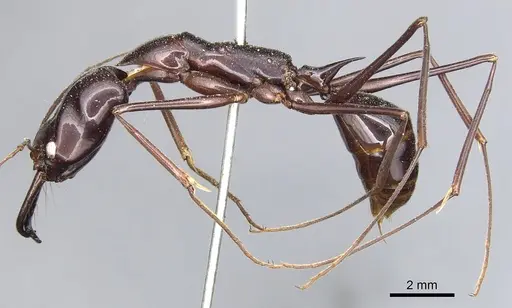
Odontomachus imperator is a large trap-jaw ant from New Guinea and surrounding regions. Workers are 11-14 mm long and have powerful mandibles that snap shut rapidly to capture prey or defend the colony . They are dark brown to black with paler mandibles, antennae, and leg tips. This species is part of the Odontomachus saevissimus group, distributed from the Moluccas to Solomon Islands . You'll find these ants are active predators, using their trap-jaw mechanism to hunt insects. As a tropical species, they require warm and humid conditions in captivity.
Quick Summary
- Difficulty: Medium
- Origin & Habitat: New Guinea region, including Irian Jaya, Sulawesi, New Britain, and Papua. Found in tropical forest habitats [4][1].
- Colony Type: Colony structure is unconfirmed from research. Based on genus patterns, likely single-queen, but this is not verified.
- Size & Growth:
- Queen: Size data unavailable, no total length measurements for queens in the research context.
- Worker: 11-14 mm [1]
- Colony: Unknown, research does not provide colony size data.
- Growth: Moderate
- Development: Approximately 6-8 weeks at optimal temperature (inferred from related Odontomachus species) (Development time is temperature-dependent.)
- Antkeeping:
- Temperature: Keep warm, around 24-28°C. A temperature gradient is beneficial for self-regulation.
- Humidity: Maintain high humidity, keep nest substrate consistently moist but not waterlogged.
- Diapause: No, tropical species do not require hibernation.
- Nesting: Use Y-tong or plaster nests that hold humidity well. Provide dark nesting areas and an outworld for foraging.
- Behavior: Odontomachus imperator is an aggressive predator. Workers hunt using trap-jaw mandibles [1] and will sting if threatened. They are primarily nocturnal. Escape risk is moderate due to size, use barriers like fluon.
- Common Issues: colonies fail when kept too dry, these tropical ants need consistent humidity, feeding only sugar or dead prey will result in colony decline, they require live prey to thrive, temperature drops below 22°C can slow activity and weaken colonies, wild-caught colonies may have parasites that cause problems in captivity, queens can be damaged during founding if disturbed, provide quiet, dark conditions
Housing and Nest Setup
Odontomachus imperator does well in Y-tong or plaster nests that maintain humidity. Their large size means you should use appropriately sized chambers. A test tube setup works for founding colonies, but move to a proper nest once the colony has 20-30 workers. Ensure excellent escape prevention with fluon barriers on all edges.
Feeding and Diet
As predatory trap-jaw ants, Odontomachus imperator requires live prey to thrive [1]. Offer small insects like fruit flies, crickets, and mealworms. Feed twice weekly for established colonies. Remove uneaten prey after 24 hours to prevent mold.
Temperature and Humidity
These tropical ants need warm, humid conditions. Maintain temperatures between 24-28°C. A heating cable on one side creates a gradient. Humidity should be high, keep nest substrate moist but not waterlogged.
Behavior and Temperament
Odontomachus imperator is an aggressive predator. Workers hunt using trap-jaw mandibles [1] and will sting if threatened. They are primarily nocturnal. Escape risk is moderate, use barriers like fluon.
Colony Development
A claustral queen will seal herself in and lay eggs without foraging. First workers emerge in approximately 6-8 weeks at optimal temperature (inferred from related species). Growth rate is moderate.
Frequently Asked Questions
How long does it take for Odontomachus imperator to produce first workers?
Expect first workers approximately 6-8 weeks after the queen lays eggs, at optimal temperature around 26°C. This is inferred from related Odontomachus species as specific development timing for O. imperator is not documented.
What do Odontomachus imperator ants eat?
They require live prey, small insects like fruit flies, crickets, and mealworms are ideal. They are predators and will not thrive on sugar alone [1].
Are Odontomachus imperator good for beginners?
No, they are considered medium difficulty. Their requirement for live prey, high humidity needs, and warm temperatures make them better suited for antkeepers with some experience.
What temperature do Odontomachus imperator ants need?
Keep them at 24-28°C. A heating cable on one side of the nest creates a gradient. Avoid temperatures below 22°C for extended periods.
How big do Odontomachus imperator colonies get?
Research does not provide colony size data, so size is unknown.
Can I keep multiple queens together?
Colony structure is unconfirmed, but based on genus patterns, Odontomachus is typically single-queen. Combining unrelated queens is not recommended as they will likely fight.
Do Odontomachus imperator need hibernation?
No, they come from tropical New Guinea and do not require hibernation.
When should I move my colony to a formicarium?
Move from a test tube setup to a proper nest once the colony reaches 20-30 workers or when the test tube becomes crowded.
Why is my Odontomachus imperator colony declining?
Common causes include: too low humidity, feeding only sugar/dead prey instead of live insects, temperatures below 22°C, or disturbance during founding. Ensure high humidity, live prey, and warm temperatures.
Report an Issue
The current care sheet is based fully on literature. See inconsistencies, or something that's incorrect? Please , it will be resolved after review from an admin. Contributing to the blogs tab also helps providing information, to make us be able to further improve the caresheets. Thank you for your support!
References

This caresheet is licensed under CC BY-SA 4.0 .
Community Blogs
CASENT0650188
View on AntWeb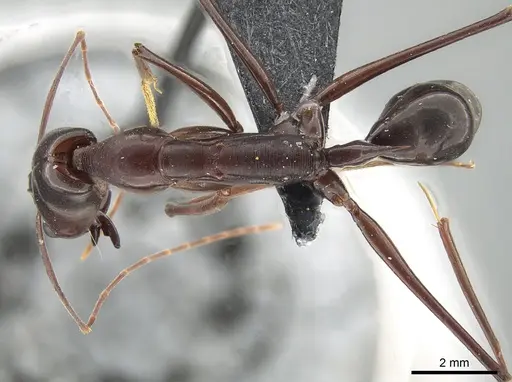
CASENT0903996
View on AntWeb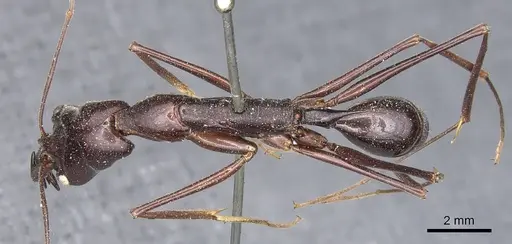
Literature
Loading distribution map...Loading products...