Odontomachus clarus shows a June to September activity window. Peak activity occurs in July, with queen sightings distributed across 4 months.
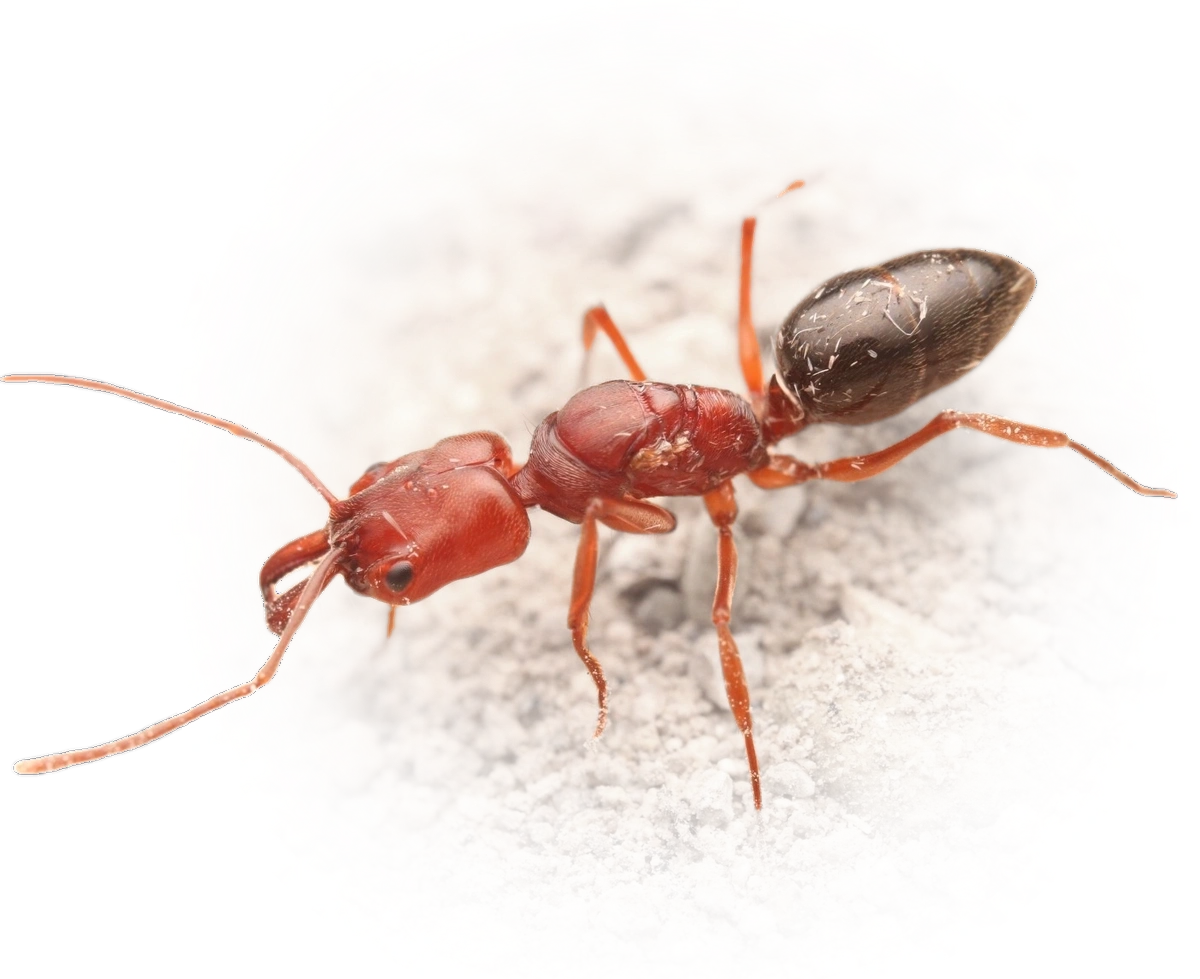
Odontomachus clarus
- Sci. Name
- Odontomachus clarus
- Tribe
- Ponerini
- Subfamily
- Ponerinae
- Author
- Roger, 1861
- Distribution
- Found in 2 countries
- Queen Activity
- From June to September
- Peak Time
- 16:00
AI Identifiable
try →
Introduction
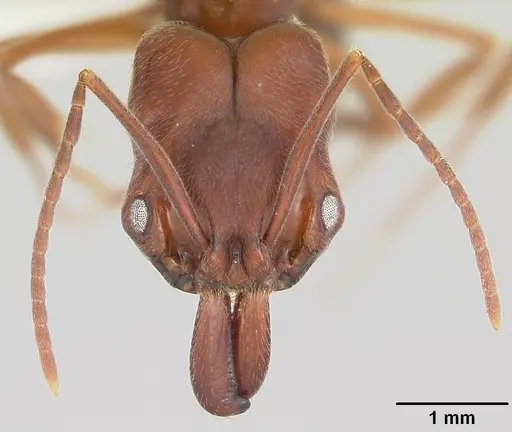
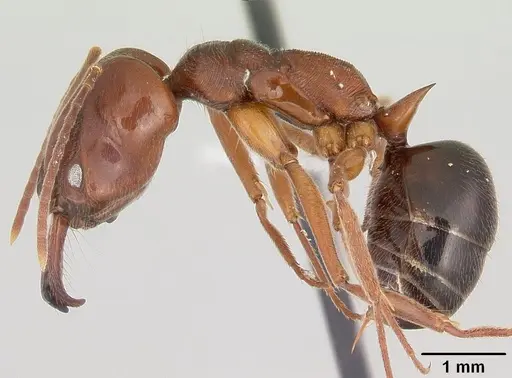
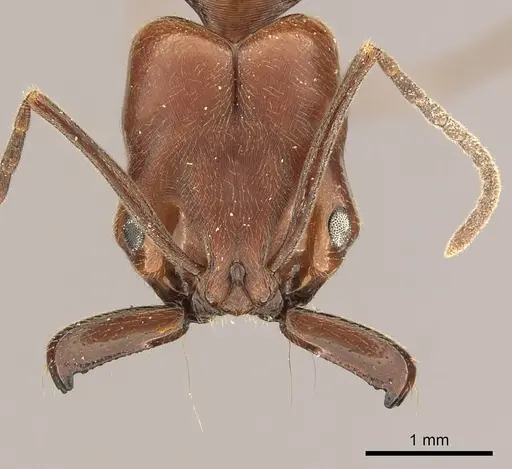
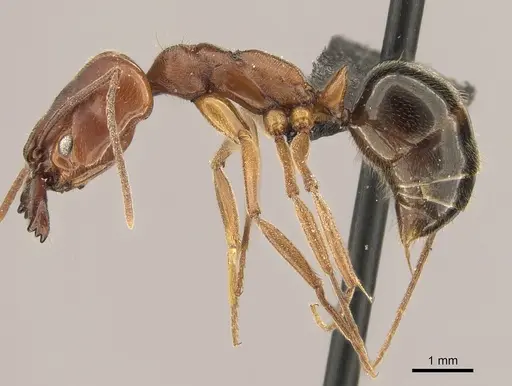
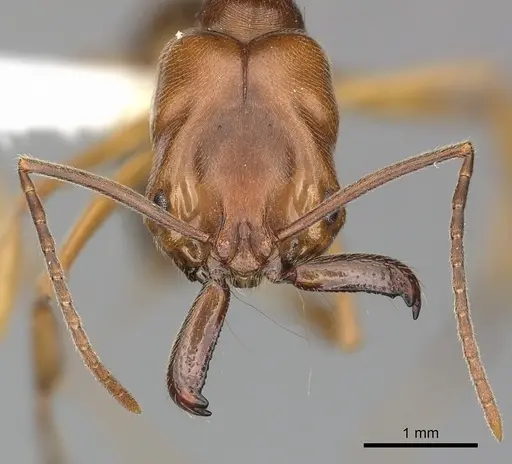
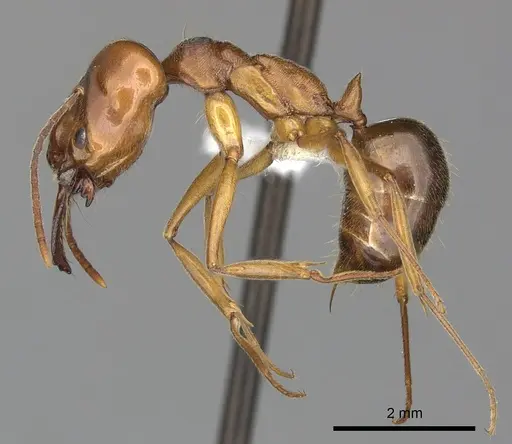
Odontomachus clarus is a medium-sized predatory ant with dark brown to black coloration. Workers are 4-5 mm long and have elongated mandibles that snap shut at speeds up to 65 m/s, making them one of the fastest striking animals . This species is found in southwestern North America from Arizona and New Mexico through Mexico, with a disjunct population in Florida . They nest under rocks, in grass tussocks, and under downed logs in both arid and mesic habitats . Colonies are often polygynous, with multiple queens working together. One documented colony in Texas had 7 dealate queens and about 200 workers, with a hierarchical system where some queens are dominant egg-layers . Workers can snap their jaws so forcefully that they flip out of vials when disturbed .
Quick Summary
- Difficulty: Medium
- Origin & Habitat: Southwestern North America (Arizona, New Mexico, Texas) through Mexico, with a disjunct Florida population. Found in arid and mesic habitats, nesting under rocks, in grass tussocks, and under downed logs [3][4].
- Colony Type: Polygynous colonies with multiple queens, showing a hierarchical structure where some queens are dominant egg-layers [4].
- Size & Growth:
- Antkeeping:
- Temperature: Keep warm and stable, roughly 22-26°C. Based on typical Ponerinae patterns, they tolerate a range but prefer warmer conditions [3].
- Humidity: Keep nest substrate consistently moist but not waterlogged, as they nest in varied moisture habitats [3][4].
- Diapause: Unknown, no specific research on hibernation for this species.
- Nesting: Prefer nests at ground level with damp substrate. Use Y-tong, plaster, or naturalistic setups with cover like cork bark [3][4].
- Behavior: Active predators with trap-jaw mandibles for hunting. Aggressive when disturbed, but rarely use their sting. Escape risk is moderate due to powerful jaws, use secure barriers and avoid smooth containers [2][4].
- Common Issues: escape via jaw snapping, use tight-fitting lids and fluon barriers, predatory nature requires live insect prey, sugar alone is insufficient, slower colony growth may frustrate beginners, dry conditions lead to worker mortality, monitor humidity closely, multiple queens may show initial aggression during founding
Queen Ant Activity Analysis 79 observations
Queen Activity by Hour 79 observations
Odontomachus clarus queen activity peaks around 16:00 during the afternoon. Activity is spread across a 22-hour window (01:00–22:00). A secondary activity peak occurs around 18:00. Times may be influenced by human observation patterns.
Housing and Nest Setup
Use Y-tong, plaster, or naturalistic nests with damp substrate. Provide cover like cork bark in the outworld for security. They nest at ground level in the wild, so keep nests humid but ensure ventilation to prevent mold. Use fluon barriers on lids to prevent escapes [3][4].
Feeding and Diet
Offer live insects like fruit flies, pinhead crickets, or mealworms 2-3 times per week. Remove uneaten prey after 24 hours. They may occasionally accept sugar water, but protein is essential [5][4].
Temperature and Seasonal Care
Maintain 22-26°C for optimal activity. No specific diapause data, but if room temperatures drop, provide a gradient. Avoid sudden temperature changes [3].
Trap-Jaw Behavior and Handling
Workers snap mandibles at speeds up to 65 m/s for hunting and defense. Handle carefully to avoid bites, use glass containers with textured surfaces to prevent flipping escapes [2][4].
Colony Dynamics with Multiple Queens
Polygynous colonies form hierarchies with dominant queens laying eggs and others helping. In captivity, give queens space during founding to reduce aggression [4].
Frequently Asked Questions
How long does it take for Odontomachus clarus to produce first workers?
About 6-10 weeks from founding, depending on temperature. Development is slower than common ants like Lasius.
Can I keep multiple Odontomachus clarus queens together?
Yes, they are naturally polygynous. Colonies have been observed with up to 7 queens forming a hierarchy [4].
Do Odontomachus clarus ants sting?
They have a stinger but rarely use it, their primary defense is trap-jaw snapping [2].
What do I feed Odontomachus clarus?
Live insects like fruit flies or crickets,2-3 times per week. Protein is essential, sugar water is occasional [5][4].
Are Odontomachus clarus good for beginners?
Medium difficulty, they need live prey and specific care, but are manageable with experience.
Do Odontomachus clarus need hibernation?
Unknown, no research data on diapause for this species.
How big do Odontomachus clarus colonies get?
Up to 200 workers in wild colonies [4].
Why do my Odontomachus clarus keep escaping?
Their powerful jaws can flip them out of containers. Use glass vials with textured surfaces and fluon barriers [2][4].
When should I move Odontomachus clarus to a formicarium?
When the colony has 20-30 workers or the test tube is crowded. Use damp substrate nests [4].
When do Odontomachus clarus queens forage?
Queen activity of Odontomachus clarus typically occurs From June to September. Times may be influenced by human observation patterns.
What time of day are Odontomachus clarus queens most active?
Queen activity of Odontomachus clarus peaks around 16:00 during the afternoon, with most activity between 01:00 and 22:00. Times may be influenced by human observation patterns.
Report an Issue
The current care sheet is based fully on literature. See inconsistencies, or something that's incorrect? Please , it will be resolved after review from an admin. Contributing to the blogs tab also helps providing information, to make us be able to further improve the caresheets. Thank you for your support!
References

This caresheet is licensed under CC BY-SA 4.0 .
Community Blogs
CASENT0004300
View on AntWeb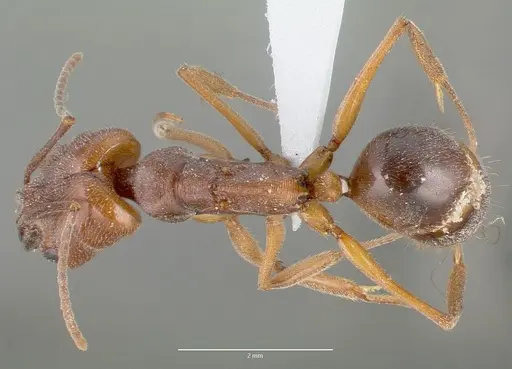
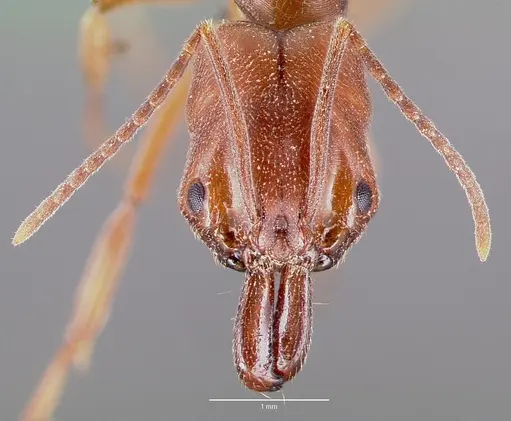
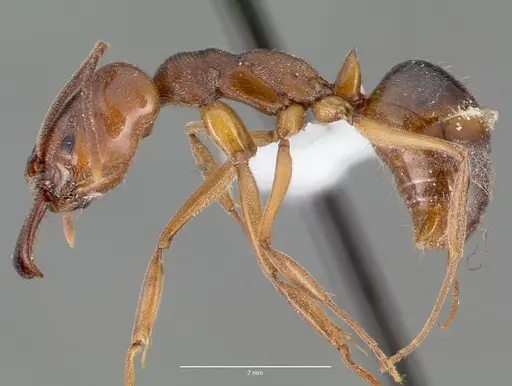
CASENT0104735
View on AntWeb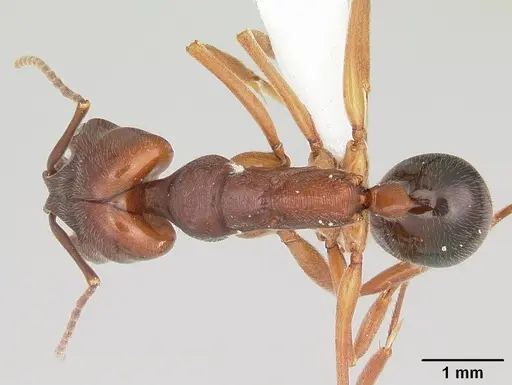
CASENT0260139
View on AntWeb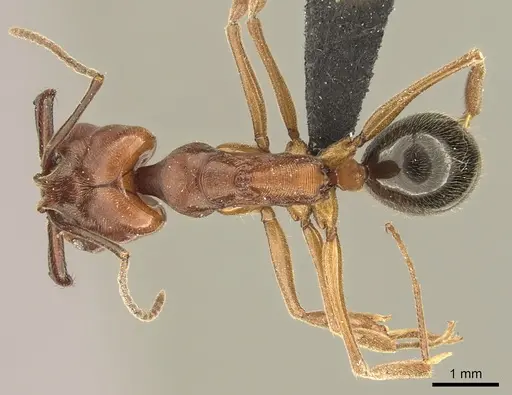
CASENT0270603
View on AntWeb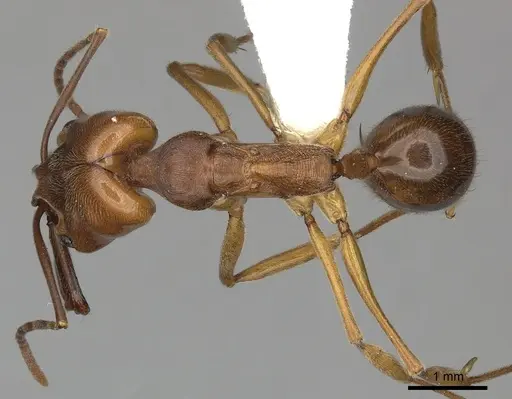
Literature
Loading distribution map...Loading products...