
Odontomachus circulus
- Sci. Name
- Odontomachus circulus
- Tribe
- Ponerini
- Subfamily
- Ponerinae
- Author
- Wang, 1993
- Distribution
- Found in 2 countries
Introduction
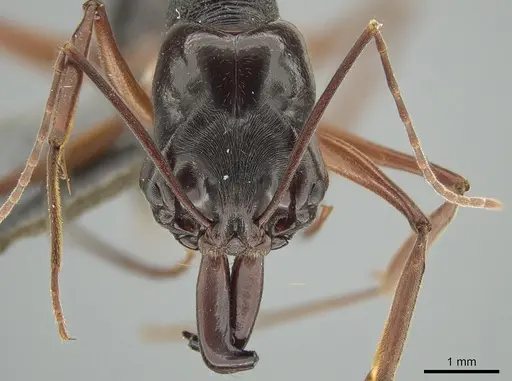
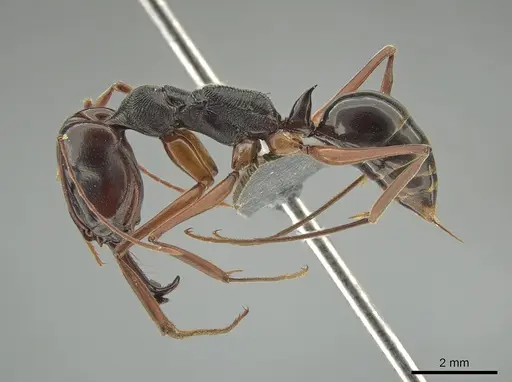
Odontomachus circulus is a trap-jaw ant species native to Yunnan Province, China, originally described by Wang in 1993 . It belongs to the rixosus species group and is found in subtropical to subalpine forests at elevations from 580 to 1600 meters . Recent research suggests it may be synonymous with Odontomachus monticola due to variable pronotum striation with no other consistent differences .
Quick Summary
- Difficulty: Medium
- Origin & Habitat: Yunnan Province, China, in primary and secondary forests at 580-1600m elevation, not found in rubber plantations [2][3][4].
- Colony Type: Unconfirmed, no specific data on queen number or social structure.
- Size & Growth:
- Queen: Size data unavailable, no total length measurements in research.
- Worker: Size data unavailable, no total length measurements in research.
- Colony: Estimated up to several hundred workers based on related species in the rixosus group.
- Growth: Moderate, inferred from trap-jaw ant patterns.
- Development: Estimated 8-12 weeks based on typical Odontomachus development patterns. (Development time inferred from genus-level data, specific timeline for O. circulus unconfirmed.)
- Antkeeping:
- Temperature: Keep at moderate temperatures, roughly 22-26°C, based on Yunnan habitat [2][3]. Provide a temperature gradient using a heating cable.
- Humidity: Keep nest substrate consistently moist but not waterlogged, mimicking forest floor conditions [2].
- Diapause: Likely required given temperate origin, provide a cool period around 10-15°C for 2-3 months during winter.
- Nesting: In nature, they nest in soil and rotting wood, in captivity, use Y-tong (AAC) or soil-based nests with dark, humid chambers.
- Behavior: Trap-jaw ants are active hunters with powerful mandibles for capturing prey. Workers are defensive and can sting, which is painful but not dangerous to most people. Escape prevention is important due to their determined nature. Use barrier methods like Fluon on test tube rims.
- Common Issues: high humidity requirements can lead to mold if ventilation is poor, predatory diet means they need regular live prey, failure to provide adequate protein causes colony decline, powerful sting makes them risky for keepers with sensitive skin or allergies, slow colony growth can frustrate beginners who overfeed and cause pest problems, winter diapause is essential, keeping them warm year-round may shorten lifespan
Housing and Nest Setup
You need a humid nest that mimics forest floor habitats in Yunnan [2][3]. Use a Y-tong (AAC) nest or a naturalistic soil setup. Keep the nest dark and provide an escape-proof outworld with Fluon barriers. Include a water source like a test tube with cotton plug.
Feeding and Diet
Offer live protein prey like fruit flies, small crickets, or mealworms 2-3 times per week. Remove uneaten prey after 24 hours to prevent mold. Sugar water can be offered occasionally, but protein is essential for brood development.
Temperature and Seasonal Care
Maintain 22-26°C during active seasons with a temperature gradient. During winter, provide a cool period at 10-15°C for 2-3 months to allow diapause. Do not feed during deep hibernation but ensure moisture is available.
Behavior and Defense
Workers use trap-jaw mandibles to capture prey and can sting for defense. The sting is painful but not dangerous to most people. Handle with care to avoid provoking defensive responses. Workers are primarily nocturnal.
Frequently Asked Questions
How long does it take for Odontomachus circulus to produce first workers?
Based on typical Odontomachus development patterns, expect 8-12 weeks from egg to first worker. The exact timeline for O. circulus specifically has not been documented.
Do Odontomachus circulus ants sting?
Yes, they can sting and the sting is painful. These are trap-jaw ants with both powerful mandibles and a functional sting for defense.
What do I feed Odontomachus circulus?
They need live protein prey like fruit flies, small crickets, mealworms, and other small insects. Offer protein 2-3 times per week.
Can I keep multiple queens together?
Not recommended. Combining unrelated queens of this species has not been documented and likely results in fighting. Start with a single queen for best success.
Do Odontomachus circulus need hibernation?
Yes, a winter rest period is likely required given their origin in temperate/subtropical Yunnan. Provide cool temperatures around 10-15°C for 2-3 months during winter.
Is Odontomachus circulus good for beginners?
This is a medium-difficulty species. Their specific humidity needs, predatory diet, and sting make them better suited for keepers with some experience.
When should I move them to a formicarium?
Keep them in a test tube setup until the colony reaches a size where they outgrow it or the queen spends more time in the outworld. Transfer to a proper nest like Y-tong or naturalistic setup.
Why is my colony declining?
Common causes include insufficient protein, low humidity, improper temperatures, or stress from disturbance. Check each parameter and ensure adequate prey.
Are Odontomachus circulus aggressive?
Yes, they are defensive and will attack threats to the colony. Workers will readily sting if they feel the colony is threatened.
What humidity level do they need?
Keep the nest substrate consistently moist but not waterlogged. These forest-floor ants need high humidity, think damp soil conditions.
Report an Issue
The current care sheet is based fully on literature. See inconsistencies, or something that's incorrect? Please , it will be resolved after review from an admin. Contributing to the blogs tab also helps providing information, to make us be able to further improve the caresheets. Thank you for your support!
References

This caresheet is licensed under CC BY-SA 4.0 .
Community Blogs
MCZ-ENT00763395
View on AntWeb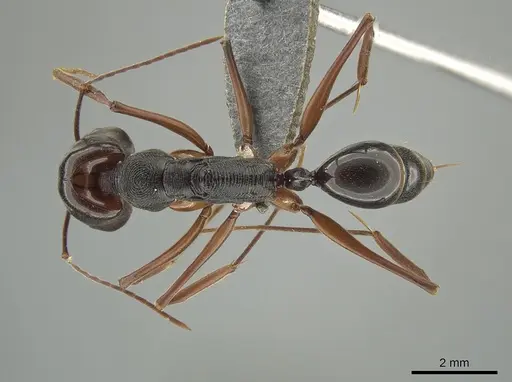
Literature
Loading distribution map...Loading products...