
Odontomachus cephalotes
- Sci. Name
- Odontomachus cephalotes
- Tribe
- Ponerini
- Subfamily
- Ponerinae
- Author
- Smith, 1863
- Distribution
- Found in 3 countries
Introduction
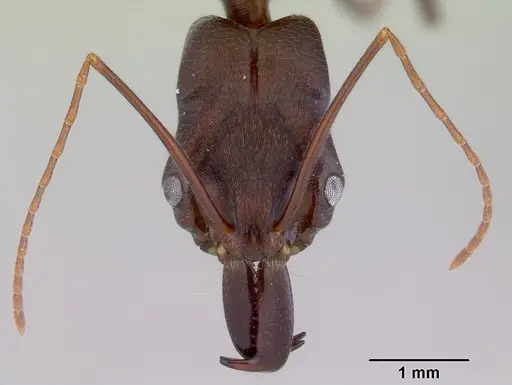
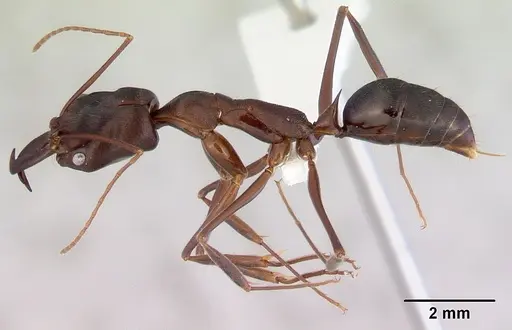
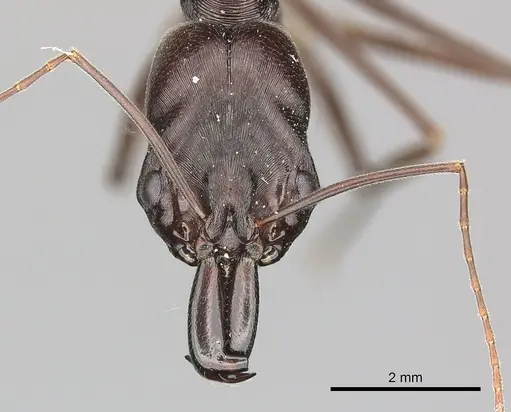
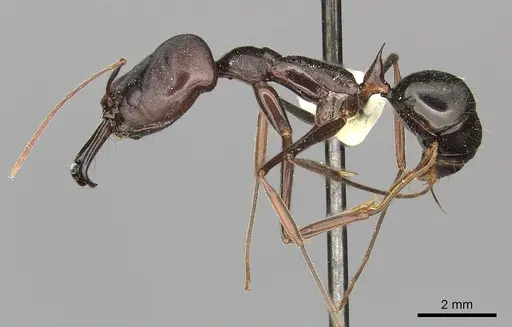
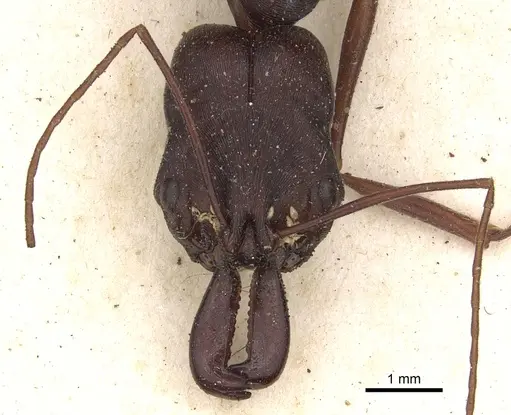
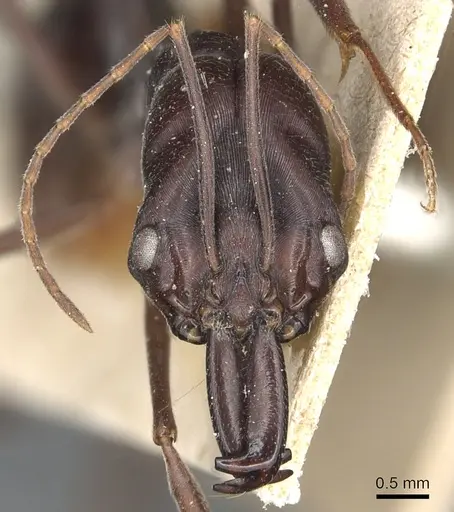
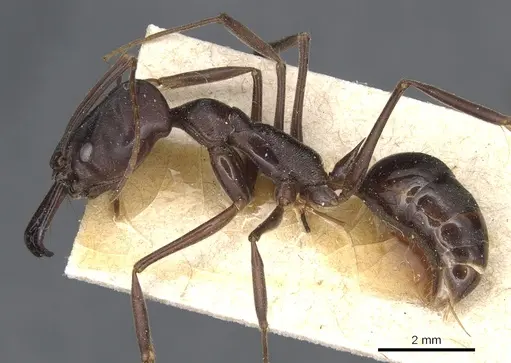
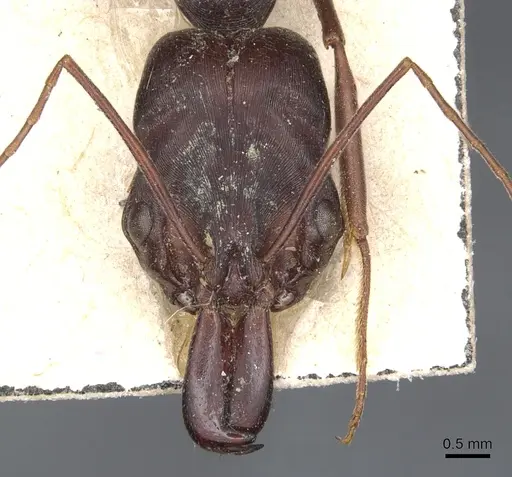
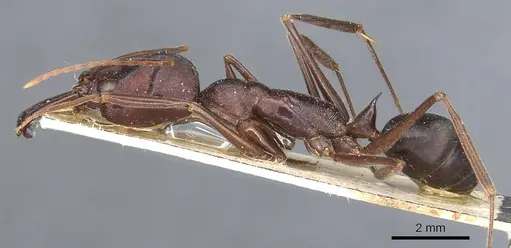
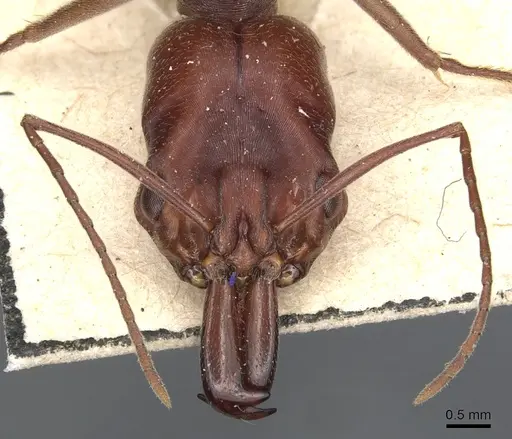
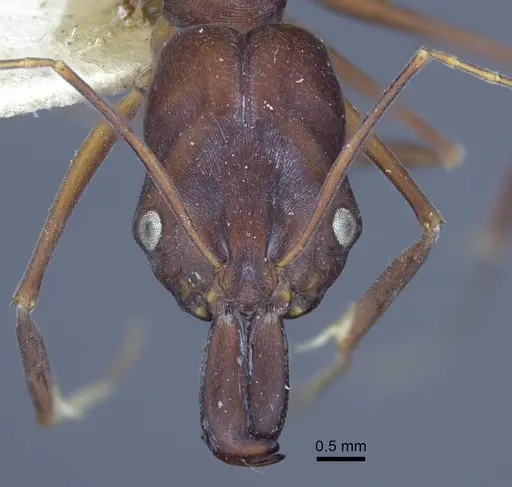
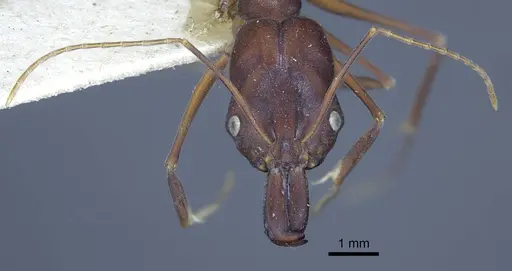
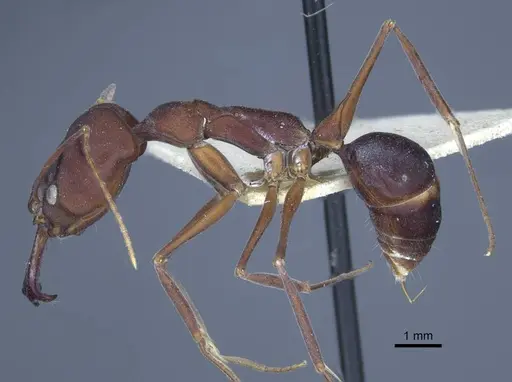
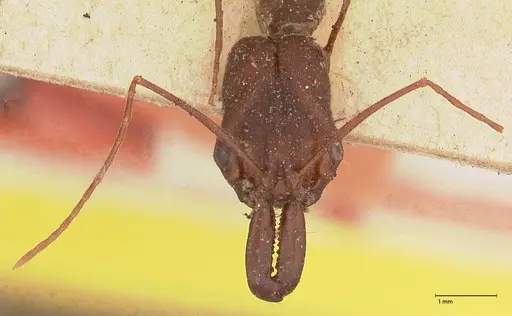
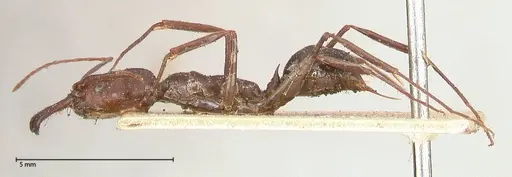
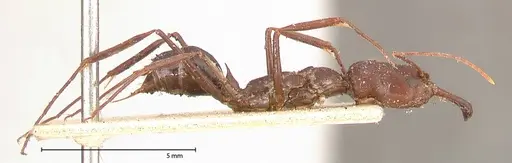
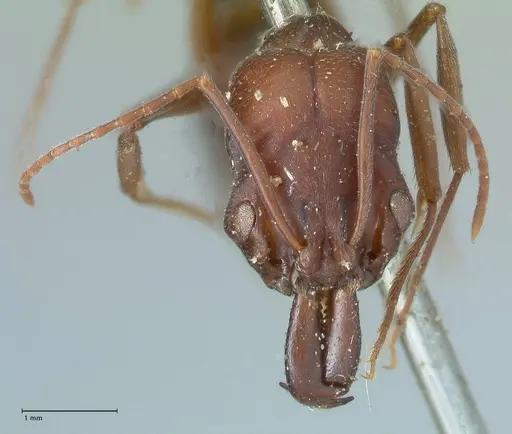
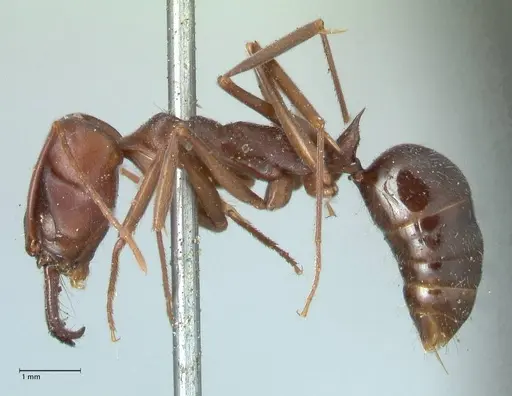
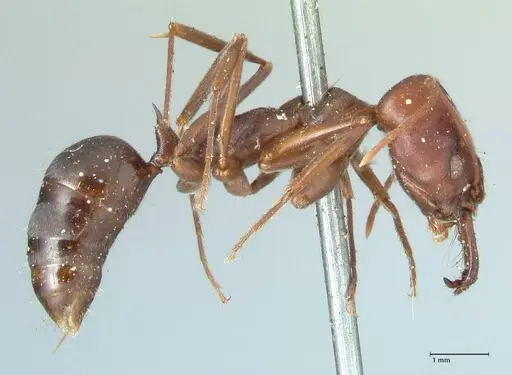
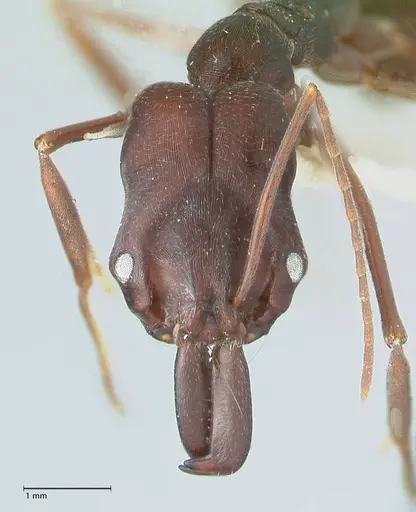
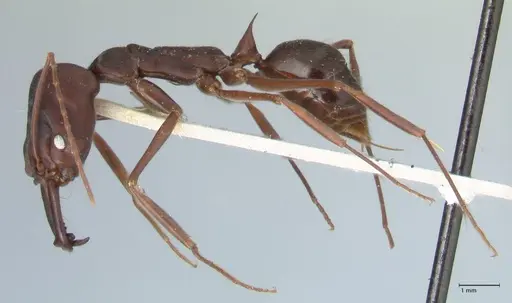
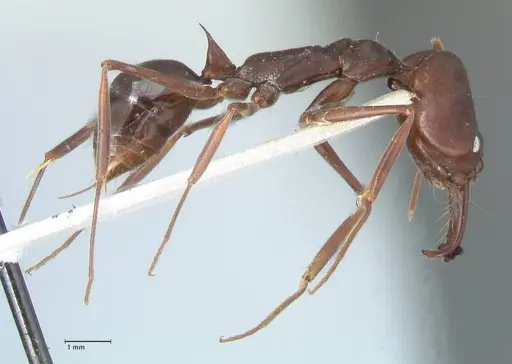
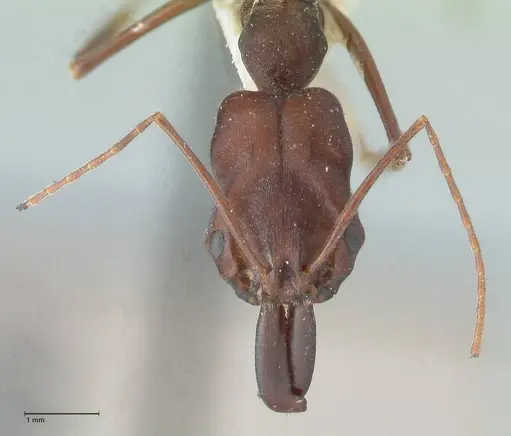
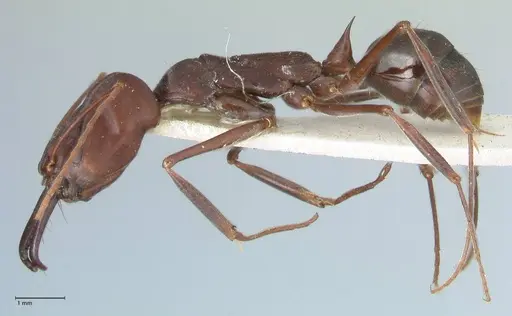
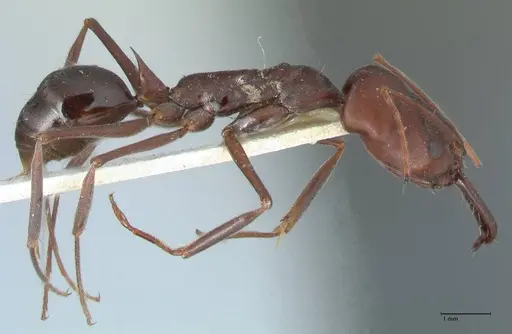
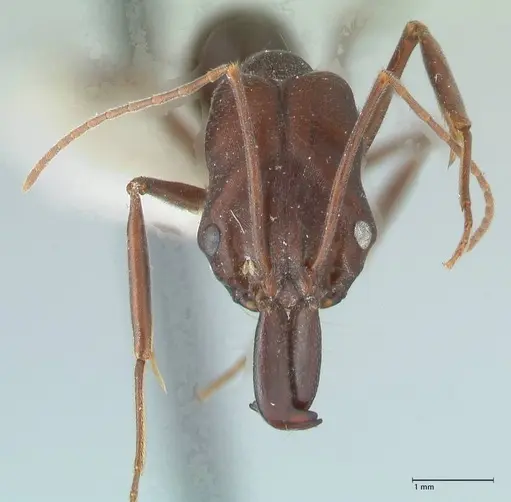
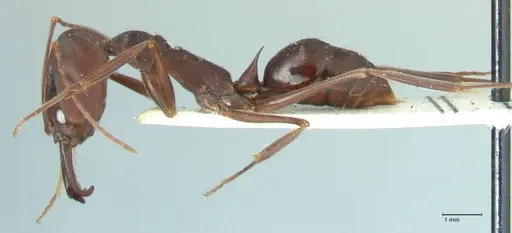
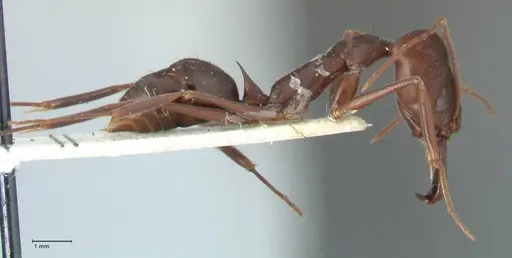
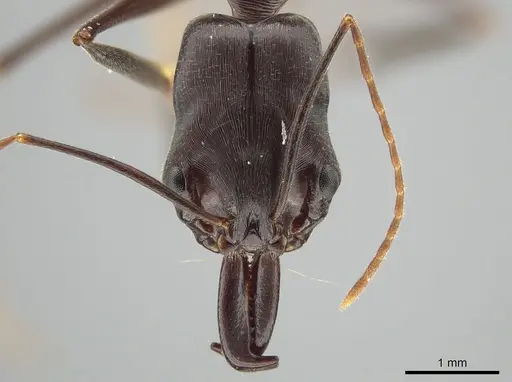
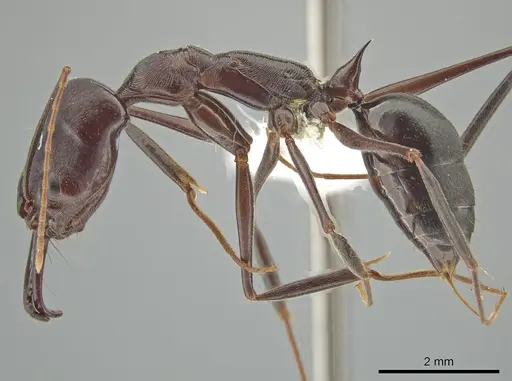
Odontomachus cephalotes is a medium-sized trap-jaw ant found in northern Australia, New Guinea, and Indonesia . It inhabits tropical forests, often nesting in soil or rotting wood . This species is known for its powerful trap-jaw mechanism, which can snap shut at speeds up to 48 m/s to capture prey .
Quick Summary
- Difficulty: Medium
- Origin & Habitat: Northern Australia, New Guinea, and Indonesia, in tropical forests [4].
- Colony Type: Based on Odontomachus genus patterns, likely monogyne, but unconfirmed from species-specific literature.
- Size & Growth:
- Queen: Size data unavailable, inferred from Odontomachus genus (~10-12 mm)
- Worker: Size data unavailable, inferred from Odontomachus genus (~5-10 mm)
- Colony: Up to several hundred workers, estimated based on related species
- Growth: Moderate
- Development: Estimated 8-12 weeks at optimal temperature, based on typical Ponerinae development (Development time may vary with temperature.)
- Antkeeping:
- Behavior: These ants are active predators with a powerful sting for defense (from subfamily Ponerinae). They use their trap-jaw mechanism for hunting [5]. Moderately aggressive when threatened.
- Common Issues: slow colony growth compared to many species., high humidity requirements can lead to mold if ventilation is poor., predatory diet requires live food., trap-jaw mechanism can cause injury if mishandled., worker polymorphism may slow initial colony growth.
Housing and Nest Setup
Use Y-tong or plaster nests that maintain high humidity. Provide dark, enclosed chambers. Transfer from test tube setup once colony has 10-15 workers. Choose nest materials that retain moisture without mold issues [4].
Feeding and Diet
As predators, these ants need live prey such as small crickets, fruit flies, or mealworms. Offer protein prey 2-3 times per week and occasionally provide sugar water or honey for energy [4].
Temperature and Heating
Maintain temperatures between 24-28°C using a heating cable or heat mat on one side of the nest to create a gradient [4].
Humidity Management
Keep nest substrate consistently moist but not waterlogged. Use a water reservoir or mist the outworld occasionally, with good ventilation to prevent mold [4].
Behavior and Defense
These ants use their trap-jaw mechanism for hunting prey at high speeds [5]. For defense, they have a sting typical of Ponerinae ants. Handle with care to avoid injury from jaw snaps.
Colony Development
Colonies grow moderately, with worker polymorphism noted in the species [6]. Expect slow development from egg to worker, typical for Ponerinae.
Frequently Asked Questions
How long does it take for Odontomachus cephalotes to produce first workers?
Expect 8-12 weeks from egg to first worker at optimal temperature, based on typical Ponerinae development [4].
Do Odontomachus cephalotes ants sting?
Yes, they have a sting as part of their defense mechanism, typical for Ponerinae ants. They also use their trap-jaw mandibles for hunting [5].
What do I feed my Odontomachus cephalotes colony?
Feed live prey like small crickets or fruit flies, and occasionally provide sugar water [4].
Are Odontomachus cephalotes good for beginners?
They are intermediate difficulty due to humidity and dietary needs, so better for keepers with some experience [4].
Do I need to hibernate Odontomachus cephalotes?
No true hibernation is required, as they are tropical ants [4].
How big do Odontomachus cephalotes colonies get?
Colonies can reach up to several hundred workers over time, based on related species [4].
Can I keep multiple queens together?
This species is likely monogyne, so only one queen per colony is recommended to avoid fighting [4].
When should I move my colony to a formicarium?
Move from a test tube setup once the colony has 10-15 workers [4].
Why is my Odontomachus cephalotes colony growing slowly?
This is normal for Ponerine ants, ensure proper temperature, humidity, and diet [4].
Do Odontomachus cephalotes need special escape prevention?
Yes, ensure secure connections between nest and outworld, as they are active hunters [4].
Report an Issue
The current care sheet is based fully on literature. See inconsistencies, or something that's incorrect? Please , it will be resolved after review from an admin. Contributing to the blogs tab also helps providing information, to make us be able to further improve the caresheets. Thank you for your support!
References

This caresheet is licensed under CC BY-SA 4.0 .
Community Blogs
CASENT0172403
View on AntWeb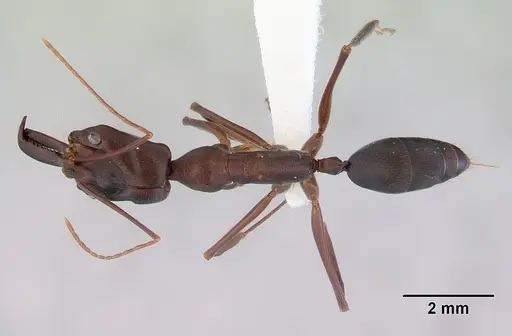
CASENT0270617
View on AntWeb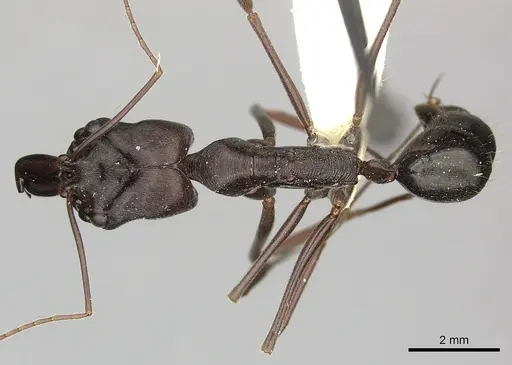
CASENT0901336
View on AntWeb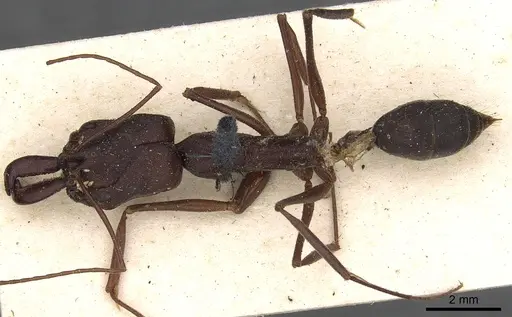
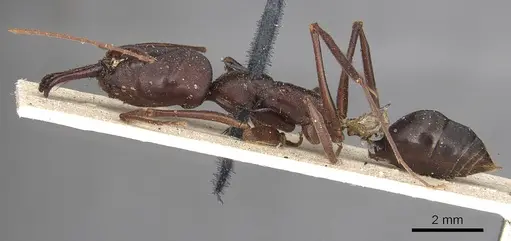
CASENT0901489
View on AntWeb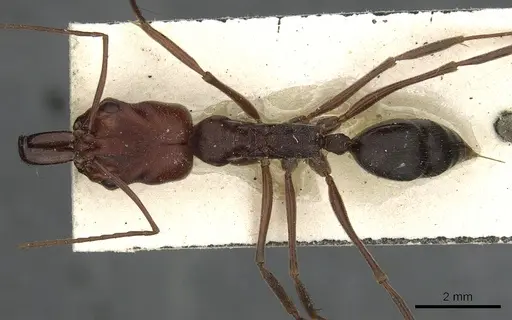
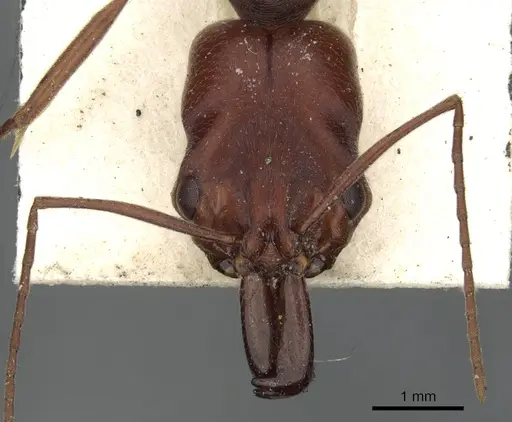
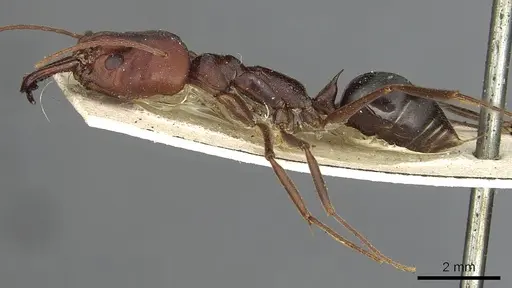
CASENT0904003
View on AntWeb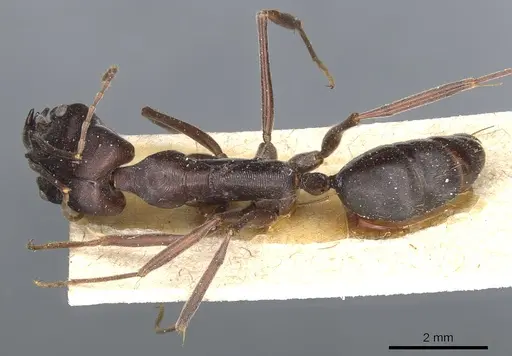
CASENT0904004
View on AntWeb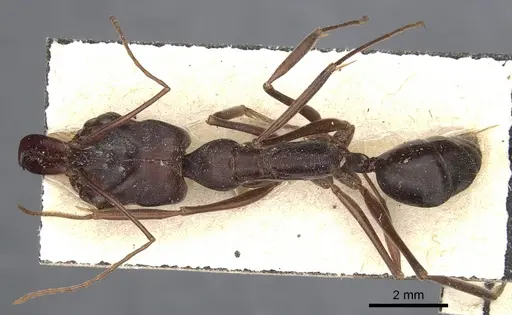
CASENT0904005
View on AntWeb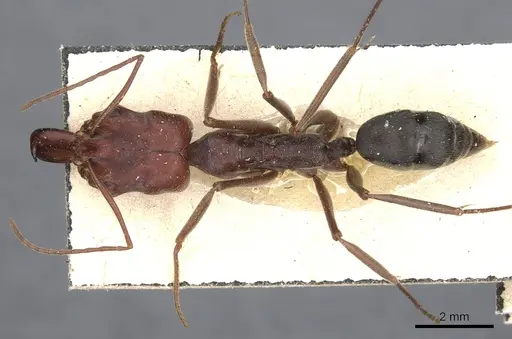
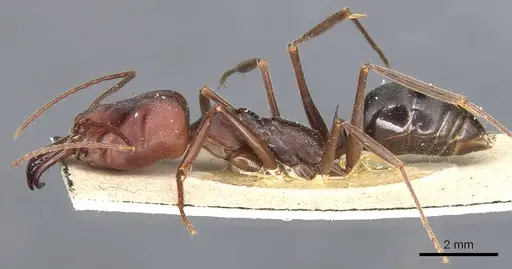
CASENT0907437
View on AntWeb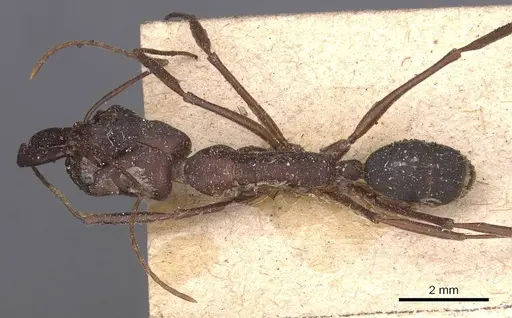
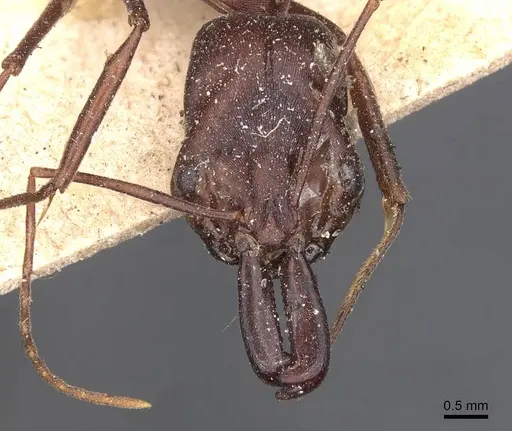
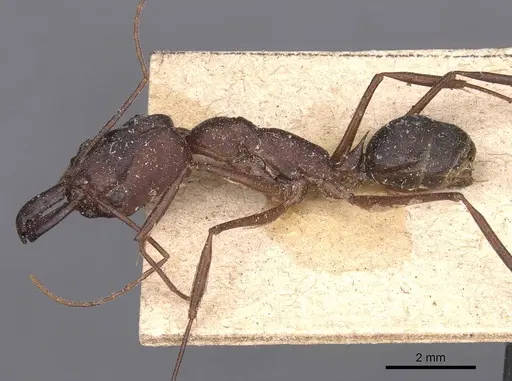
CASENT0907441
View on AntWeb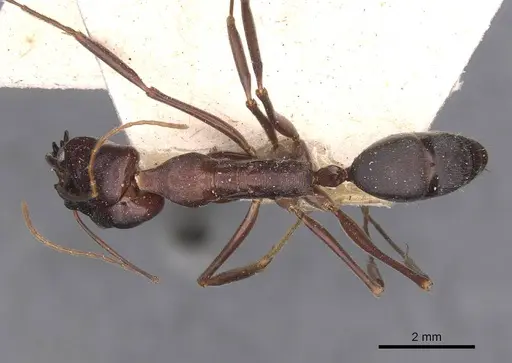
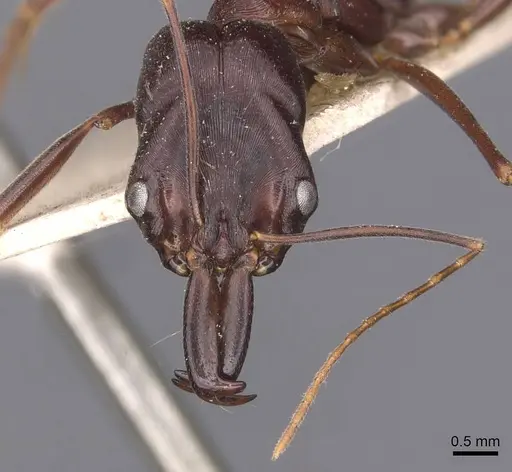
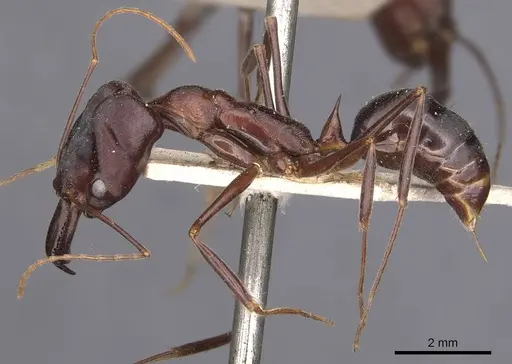
CASENT0907442
View on AntWeb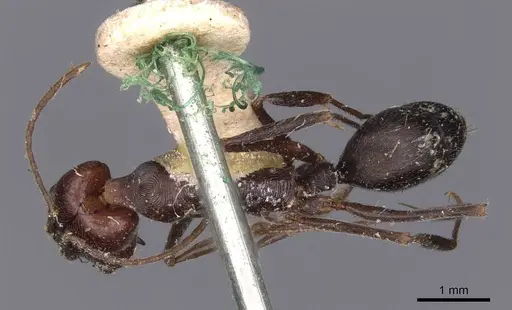
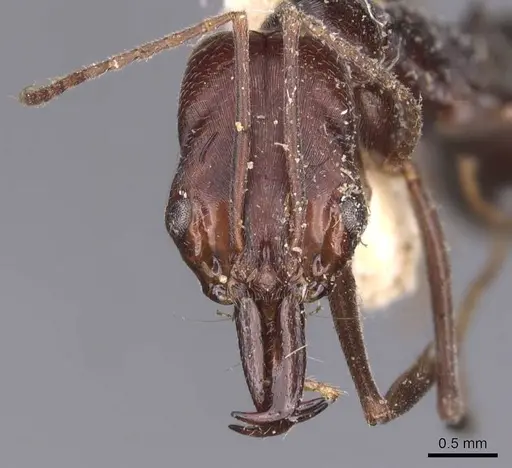
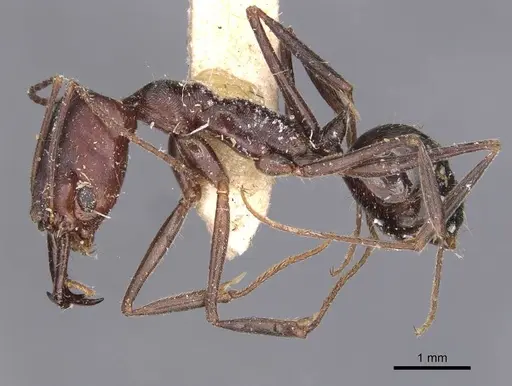
CASENT0915241
View on AntWeb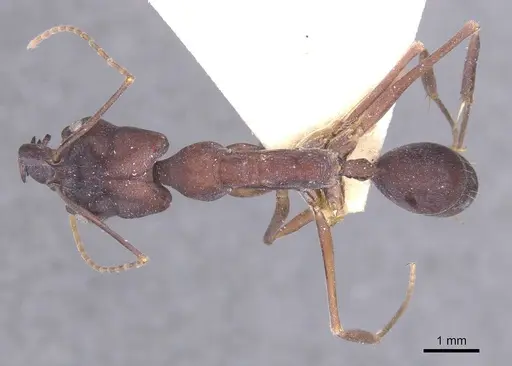
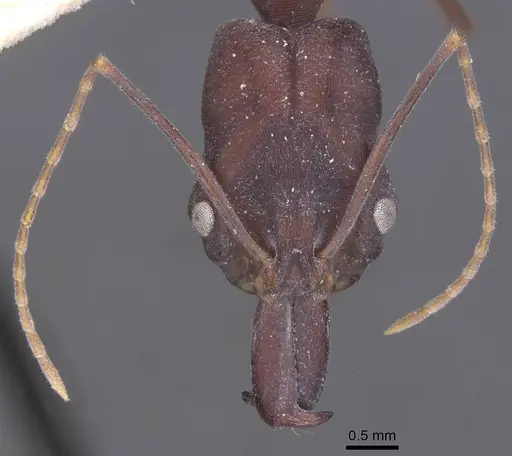
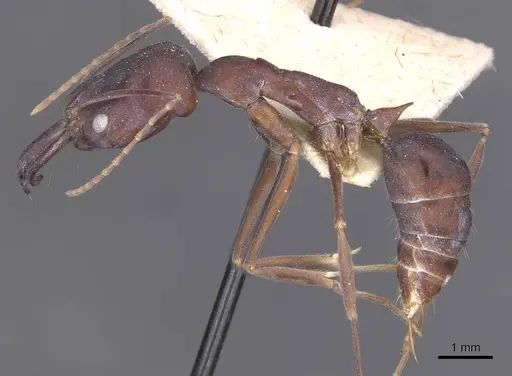
CASENT0915897
View on AntWeb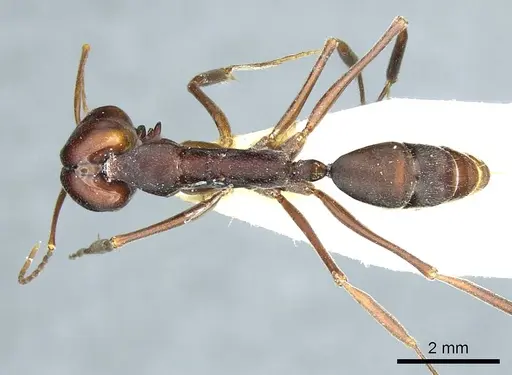
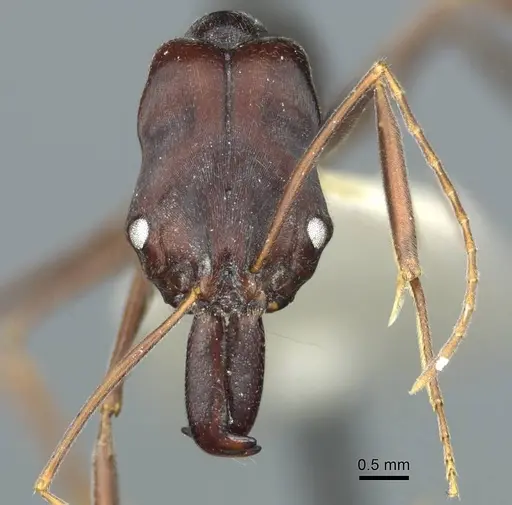
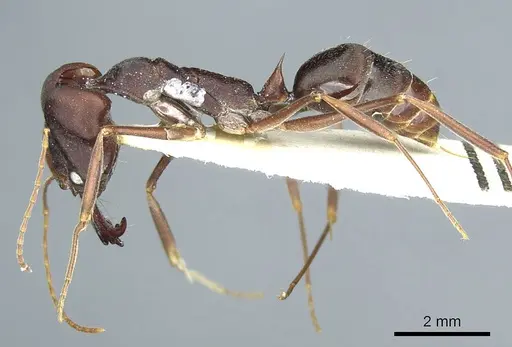
CASENT0916850
View on AntWeb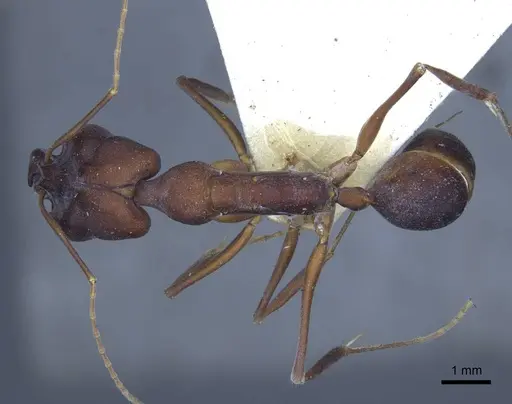
FOCOL0582
View on AntWeb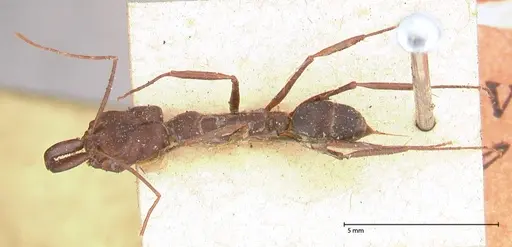
FOCOL1071
View on AntWeb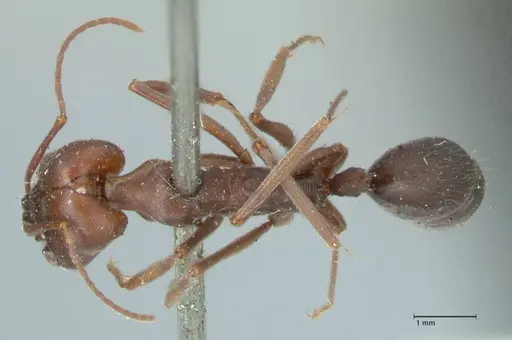
FOCOL1075
View on AntWeb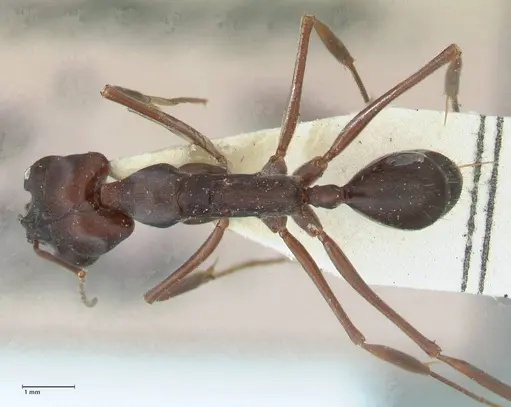
FOCOL1076
View on AntWeb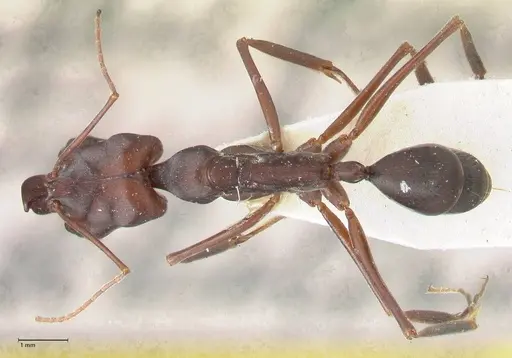
FOCOL1077
View on AntWeb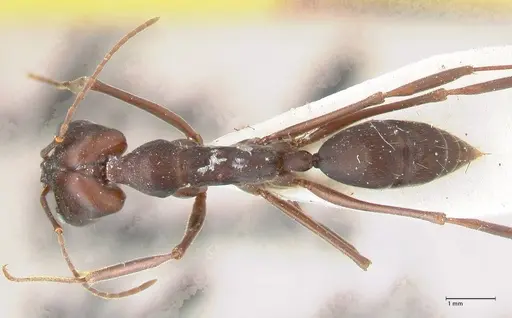
JTLC000006857
View on AntWeb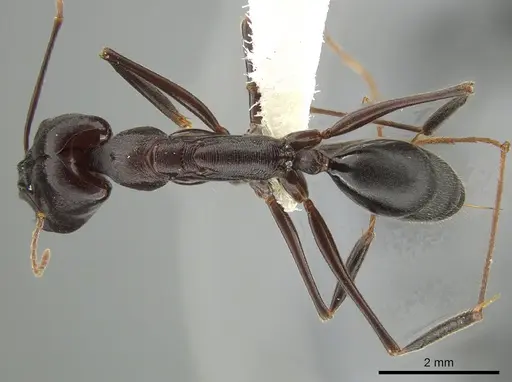
Literature
Loading distribution map...Loading products...