
Odontomachus animosus
- Sci. Name
- Odontomachus animosus
- Tribe
- Ponerini
- Subfamily
- Ponerinae
- Author
- Smith, 1860
- Distribution
- Found in 1 countries
Introduction
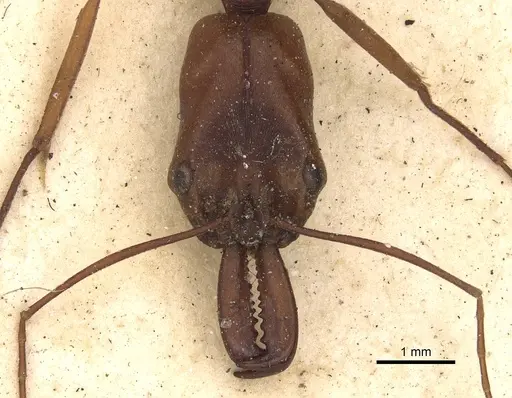
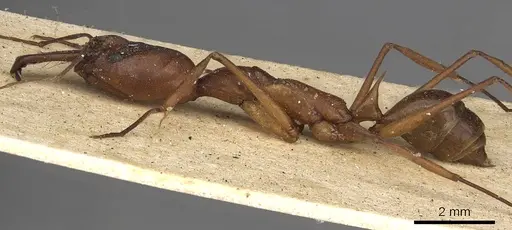
Odontomachus animosus is a trap-jaw ant species native to New Guinea and surrounding islands, including Aru. Workers measure approximately 10-11mm and have a rusty ferruginous coloration. They belong to the saevissimus species group and are found in the Australasian region, specifically Indonesia . As a trap-jaw ant, O. animosus has specialized mandibles that snap shut rapidly to capture prey. They are predatory and hunt small invertebrates on the forest floor .
Quick Summary
- Difficulty: Medium
- Origin & Habitat: Native to New Guinea (Irian Jaya/Manokwari region) and Aru islands, found in tropical forest floor habitats [3][1].
- Colony Type: Colony structure is unconfirmed for this species. No specific data on queen number or social structure.
- Size & Growth:
- Queen: Size data unavailable, no total length measurements found.
- Worker: ~10-11mm [1]
- Colony: Up to several hundred workers (inferred from related species)
- Growth: Moderate (inferred)
- Development: Unknown, no specific data available. (Development time is unconfirmed. As a tropical species, brood development likely continues year-round.)
- Antkeeping:
- Temperature: Keep warm, roughly 24-28°C, as inferred from tropical habitat. No specific data available.
- Humidity: Keep nest substrate consistently moist but not waterlogged, as inferred from forest floor habitat.
- Diapause: No, tropical species from near equator do not require hibernation.
- Nesting: In captivity, they may do well in Y-tong or plaster nests. Provide a dark, quiet nesting area with access to outworld for hunting.
- Behavior: Trap-jaw ants are active predators. They use their mandibles for prey capture and defense. As Ponerinae, they have a stinger but are not typically aggressive toward humans unless threatened. Escape risk is moderate due to large size.
- Common Issues: slow colony development may frustrate keepers, Ponerines grow slower than many species, predatory diet requires live prey, they cannot survive on sugar alone, humidity control is critical, too dry or too wet can harm the colony, wild-caught colonies may have parasites
Housing and Nest Setup
You may keep Odontomachus animosus in Y-tong or plaster nests. Provide a dark nesting area [4]. The outworld should be spacious for hunting, and escape prevention is important due to their large size [4].
Feeding and Diet
You must offer live prey such as fruit flies or small crickets. They are strict predators and will not survive on sugar alone [4].
Temperature and Heating
Keep temperatures warm, roughly 24-28°C, as inferred from their tropical habitat. No specific data is available, so monitor with a thermometer.
Humidity and Moisture
Keep the nest substrate consistently moist but not waterlogged, as inferred from their forest floor habitat.
Trap-Jaw Behavior
Trap-jaw ants use their mandibles to snap shut rapidly for prey capture. As Ponerinae, they have a stinger for defense [4].
Frequently Asked Questions
How long does it take for Odontomachus animosus to raise first workers?
Unknown, no specific data on development time is available [1].
What do Odontomachus animosus ants eat?
They are strict predators that require live prey, such as small insects [4].
Do Odontomachus animosus ants sting?
As Ponerinae, they have a stinger but rely primarily on their trap-jaw mandibles for defense [4].
Are Odontomachus animosus good for beginners?
They are rated as medium difficulty due to predatory diet and humidity needs.
Can I keep multiple Odontomachus animosus queens together?
Colony structure is unconfirmed, so combining queens is not recommended.
What temperature do Odontomachus animosus need?
Keep them warm, roughly 24-28°C, as inferred from tropical habitat.
How big do Odontomachus animosus colonies get?
Up to several hundred workers, inferred from related species.
Do Odontomachus animosus need hibernation?
No, as a tropical species, they do not require diapause.
When should I move Odontomachus animosus to a formicarium?
Wait until the colony has several workers, as Ponerines can be sensitive to disturbance.
Why are my Odontomachus animosus dying?
Common causes include incorrect humidity, temperature, or lack of live prey. Check all parameters.
Report an Issue
The current care sheet is based fully on literature. See inconsistencies, or something that's incorrect? Please , it will be resolved after review from an admin. Contributing to the blogs tab also helps providing information, to make us be able to further improve the caresheets. Thank you for your support!
References

This caresheet is licensed under CC BY-SA 4.0 .
Community Blogs
CASENT0270616
View on AntWeb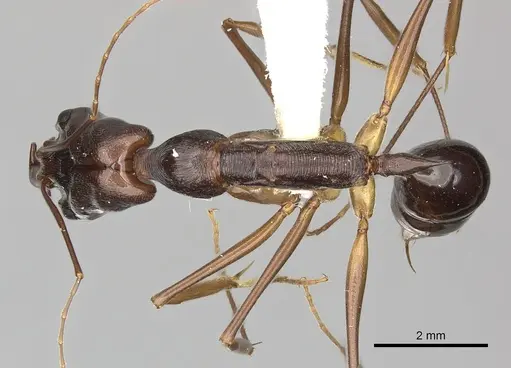
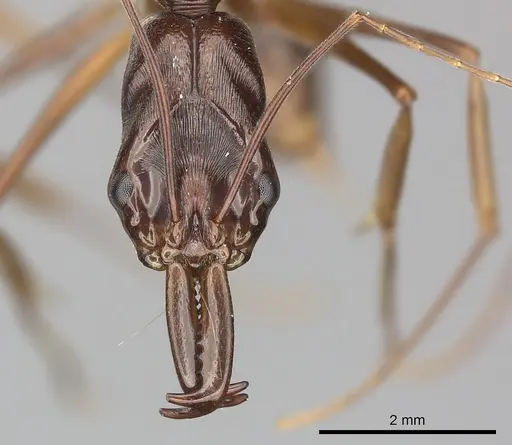
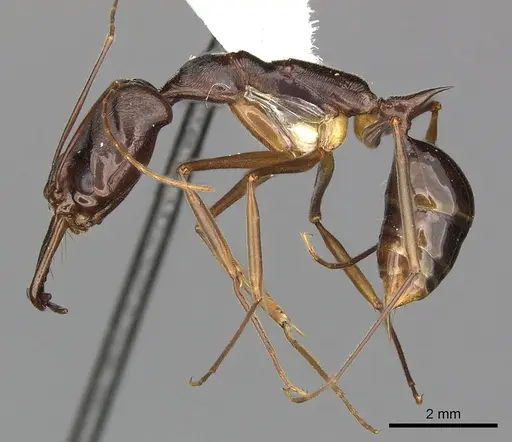
CASENT0901333
View on AntWeb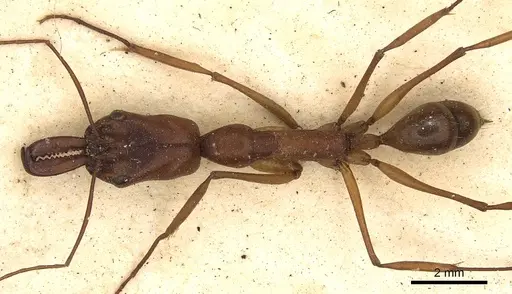
Literature
Loading distribution map...Loading products...