
Odontomachus angulatus
- Sci. Name
- Odontomachus angulatus
- Tribe
- Ponerini
- Subfamily
- Ponerinae
- Author
- Mayr, 1866
- Distribution
- Found in 2 countries
Introduction
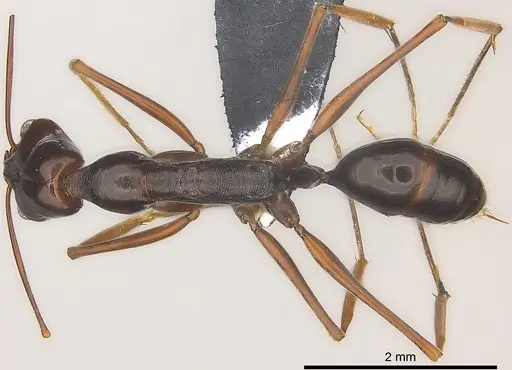
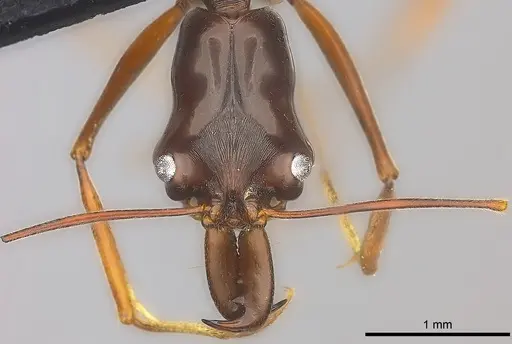
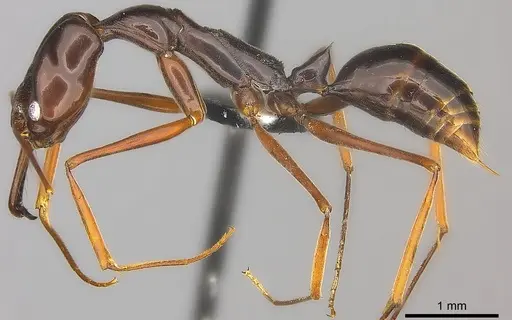
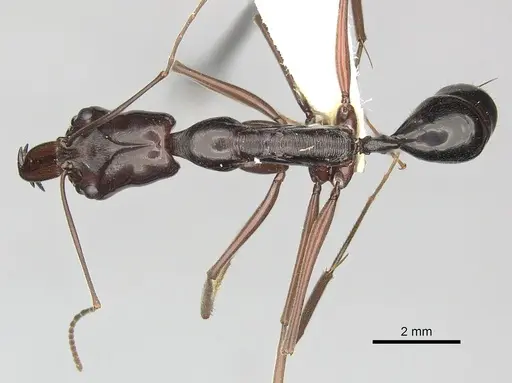
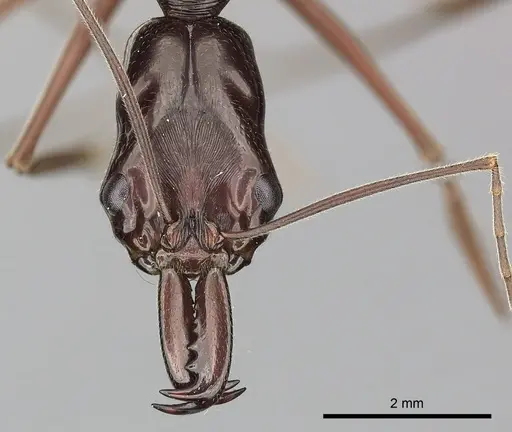
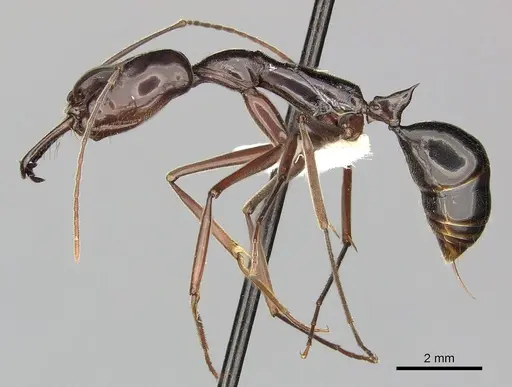
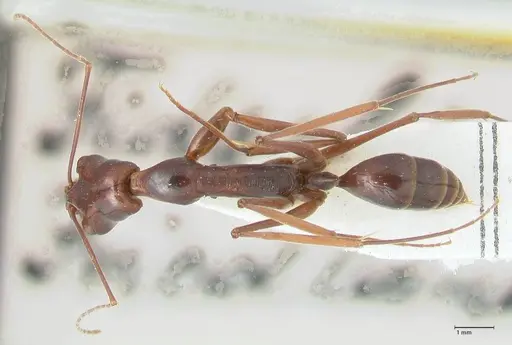
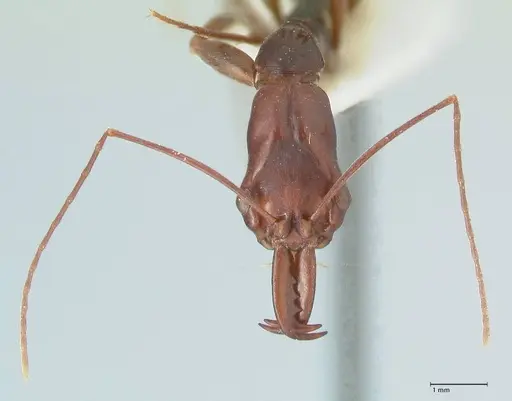
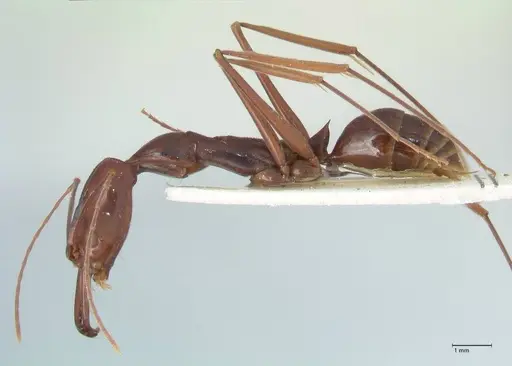
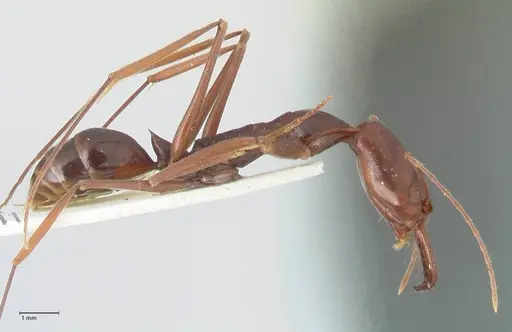
Odontomachus angulatus is a trap-jaw ant endemic to Fiji, found only on Viti Levu and Ovalau islands . Workers are about 12.5mm long . They have dark chestnut coloration with a shiny, nearly smooth body. Their petiole forms a sharp right-angled corner . Mandibles have two large apical teeth and one intermediate tooth for capturing prey . This species is part of the saevissimus species group and was formerly described as Odontomachus politus before being synonymized . Their trap-jaw mechanism allows rapid jaw closure for hunting.
Quick Summary
- Difficulty: Medium
- Origin & Habitat: Endemic to Fiji, found only on Viti Levu and Ovalau islands [1][2][3]. Inhabits forest floor environments in tropical islands.
- Colony Type: Colony structure is unconfirmed. Based on typical Odontomachus patterns, likely single-queen colonies.
- Size & Growth:
- Queen: Size data unavailable, no documented measurements. Based on Odontomachus genus patterns, inferred ~14-18mm.
- Worker: 12.5mm [4]
- Colony: Unconfirmed, estimated up to several hundred workers based on genus patterns.
- Growth: Moderate, inferred from related species.
- Development: Estimated 6-10 weeks (Development time is estimated based on typical Ponerinae patterns at tropical temperatures.)
- Antkeeping:
- Temperature: Keep warm, roughly 24-28°C, based on tropical habitat.
- Humidity: Keep nest substrate consistently moist but not waterlogged.
- Diapause: No, tropical species from Fiji do not require hibernation.
- Nesting: In nature, likely nest in soil or rotting wood. In captivity, use moist plaster or naturalistic setup.
- Behavior: Trap-jaw ants are predatory and use mandibles to snap shut on prey. They are not aggressive toward humans but can bite if handled. Workers are active foragers. Escape risk is moderate due to size and speed. Defense mechanism includes a sting, as typical for Ponerinae.
- Common Issues: low humidity can kill them quickly, keep nest substrate moist., they need live prey for protein, sugar-only diets will fail., large size and powerful jaws require secure setups., limited availability as endemic to Fiji., slow colony growth may frustrate beginners.
Housing and Setup
You need a moist, warm enclosure that mimics Fiji forest floor habitats. Use a plaster nest with water reservoir or a naturalistic setup with damp soil. Keep the nest substrate consistently moist but not waterlogged. Provide a water tube or damp cotton for drinking. For the outworld, ensure connections are secure since these large ants can force loose connections. Maintain temperature around 24-28°C using a heating cable if needed. [1][2][3]
Feeding and Diet
You must offer live prey like fruit flies, pinhead crickets, or mealworms. They are predatory and need protein for colony growth. Occasionally provide sugar water or honey, but live prey is essential. Feed every 2-3 days and remove uneaten prey to prevent mold.
Temperature and Seasonal Care
Keep them warm year-round at 24-28°C since they are tropical ants from Fiji. Use a heating cable if room temperature is below this range. Monitor colony behavior to adjust temperature as needed.
Behavior and Defense
These ants use trap-jaw mandibles to hunt prey rapidly. They are not aggressive toward humans but may bite if handled. Workers are active foragers with good vision. Defense includes a sting typical for Ponerinae.
Colony Development
Colony growth is moderate. The queen raises the first workers alone, then the colony expands. Development is slower than many common ants. Consistent warmth, humidity, and protein feeding are key to success.
Frequently Asked Questions
How long does it take for Odontomachus angulatus to produce first workers?
Estimated 6-10 weeks from egg to first worker at optimal tropical temperatures. This is inferred from typical Ponerinae development patterns.
What do Odontomachus angulatus ants eat?
They are predatory and need live prey like fruit flies or crickets. Occasional sugar water can be offered, but protein is essential.
What temperature do they need?
Keep them at roughly 24-28°C, based on their tropical habitat in Fiji.
Do they need hibernation?
No, as a tropical species from near the equator, they do not require hibernation.
How big do colonies get?
Colony size is unconfirmed, but estimated up to several hundred workers based on genus patterns.
Are they good for beginners?
They are rated Medium difficulty due to humidity, feeding, and temperature needs. Experience with other ants helps.
Can I keep multiple queens together?
This has not been documented. Based on typical Odontomachus behavior, single-queen colonies are likely.
Why are my ants dying?
Common causes are low humidity, lack of live prey, low temperature, or poor escape prevention. Check these factors first.
When should I move them to a formicarium?
Move to a proper nest once the colony reaches 20-30 workers or when the test tube is crowded. Ensure the new setup maintains humidity.
Report an Issue
The current care sheet is based fully on literature. See inconsistencies, or something that's incorrect? Please , it will be resolved after review from an admin. Contributing to the blogs tab also helps providing information, to make us be able to further improve the caresheets. Thank you for your support!
References

This caresheet is licensed under CC BY-SA 4.0 .
Community Blogs
Literature
Loading distribution map...Loading products...